Television series
El buen espíritu: Detrás de la puerta del Opus Dei
- Crime
- Very dark
A documentary series following men from different backgrounds as they recount their experiences within Opus Dei, exposing patterns of spiritual manipulation, psychological coercion, and financial exploitation. Rigorous and necessary testimony that builds a forensic case against institutional abuse. Essential viewing for anyone interested in how faith communities can weaponize control, and how survivors rebuild after leaving.
Should you watch it?
Watch it if you want a close, unhurried look at how a controlling institution works from the inside, told through the testimony of men who lived it rather than through reenactments or spectacle.
Skip it if you want a narrative with momentum or a sense of resolution, since this is sustained testimony that dwells on hurt and rarely offers relief along the way.
What it asks of you: Three short episodes, about 53 minutes of runtime, that take their time and stay sober throughout, asking you to listen closely more than to be carried along.
Not sure? Find tonight's pick in a minute.
If you liked this
Going Clear: Scientology and the Prison of Belief2015
Alex Gibney's meticulous investigation into Scientology uses testimony and documentation to expose how a religion manufactures compliance and isolates followers. The structural parallels to institutional abuse are devastating and clarifying.
But At nearly two hours, it's a lot of often-repetitive abuse testimony in one sitting. Some may find the pacing glacial, even if the subject demands it.
The Keepers2017
A docuseries about clergy abuse in the Catholic Church that privileges survivor testimony and investigative rigor. It examines how institutions protect perpetrators and silence victims with the same methodical approach.
But Heavy and harrowing throughout. This is not background viewing—it demands your full attention and emotional reserves.
My Life as a Rolling Stone2022
Each episode examines a different person's relationship with a Rolling Stones song, exploring how art can process trauma and alienation. Thematically, it's about recovery and reclamation after institutional harm.
But It's upbeat and musical where El buen espíritu is grave. The tonal whiplash might feel inappropriate if you're seeking to stay in the documentary's headspace.
Not sure tonight? Get a pick in a minute, starting from El buen espíritu: Detrás de la puerta del Opus Dei
The wildcard
Something you would not have found on your own.
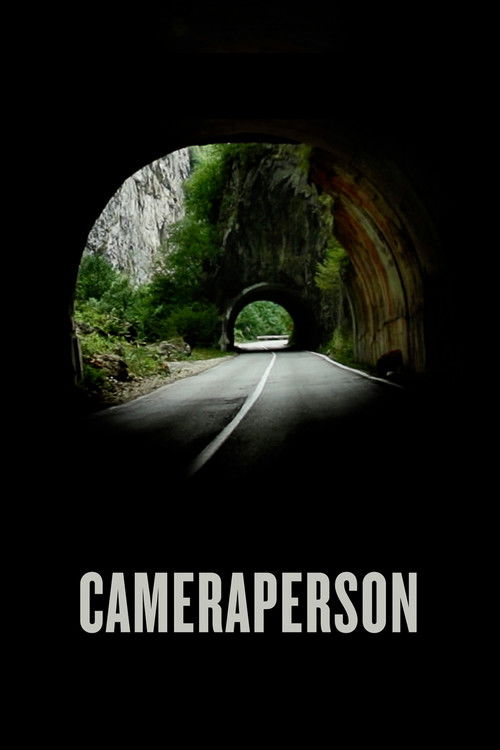
Cameraperson2016
Both are fundamentally about the act of listening and the responsibility of recording someone's pain. El buen espíritu does it as testimony; this film questions what that testimony costs and means.
Kirsten Johnson's personal documentary collects footage from her career documenting war, disaster, and suffering—including abuse survivors—and reflects on the ethics of bearing witness. It's a formal reckoning with how we listen to trauma.
But It's abstract and formally experimental, with no traditional narrative. If you want straightforward testimony, this meditation on the act of testimony itself will feel evasive.
More like this (4)
The Vow2020
HBO's investigation into NXIVM, a self-help group that became a cult, centres survivor accounts and the process of leaving and rebuilding. The intimate testimony mirrors the approach of El buen espíritu very closely.
But It sprawls across seasons and sometimes loses focus in drama. The later episodes dilute the core investigation with personal subplots that can feel indulgent.

Spotlight2015
The Boston Globe's investigation into Catholic abuse is a masterclass in institutional journalism and how truth gets buried. It's fundamentally about the power of survivors being believed and heard.
But It's procedural and deliberate, with a large ensemble cast. If you want raw testimony rather than narrative reconstruction, this feels more distant.

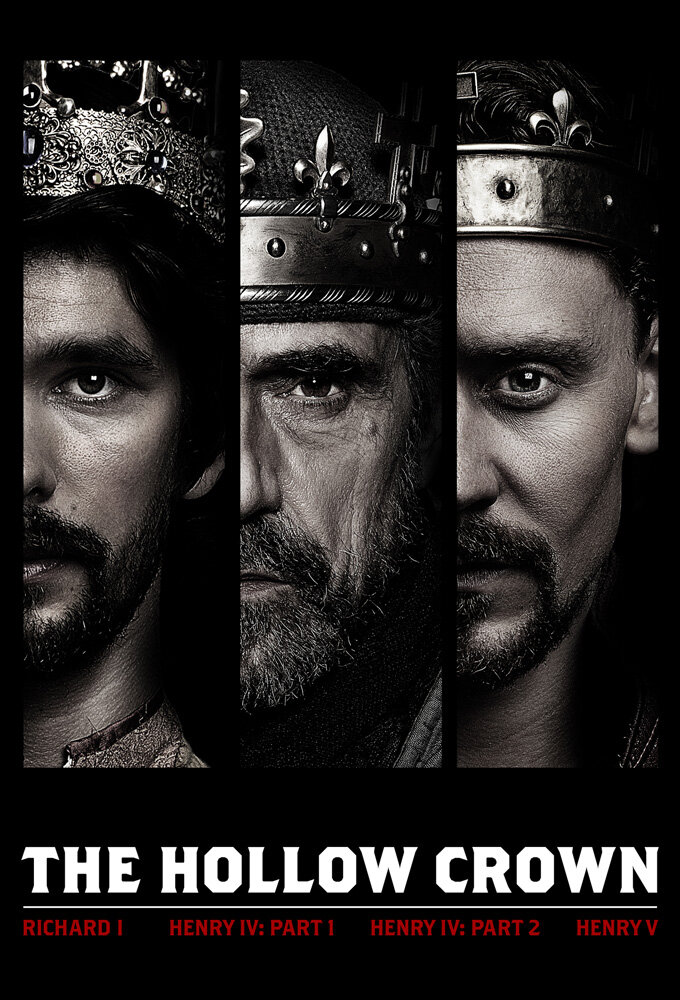
The Hollow Crown2012
A documentary about a man who spent decades searching for his son, taken by a doomsday cult. It's devastating personal testimony about what cults cost families and communities.
But The focus is on one family's loss rather than a systemic pattern. It's harder to place in a broader institutional context, which may feel narrow.
Stories We Tell2012
Michael Redford's film about uncovering family secrets probes how institutions—even families—bury truth. The formal approach to testimony and revelation has conceptual weight.
But It's highly experimental and personal rather than investigative. If you want forensic clarity, this abstraction may frustrate you.