
Film
9/11
- Disaster
- Very dark
This is raw, accidental history. Two French documentarians were filming a rookie firefighter when the towers fell. What emerges is neither exploitative nor distant—it's the closest we have to unmediated experience of that morning, shot from inside the FDNY. Difficult, essential, and oddly intimate.
Should you watch it?
Watch it if you want to sit inside one firehouse's chaos and quiet, watching ordinary people's routines collide with history, and you trust a documentary to show rather than lecture.
Skip it if you need a clear narrator or wider context, since this stays close to one firehouse and its everyday grind, with the larger picture arriving only in fragments.
What it asks of you: Expect a patient watch of just over two hours, where the early stretches move at the unhurried pace of a shift before the mood changes.
Not sure? Find tonight's pick in a minute.
If you liked this
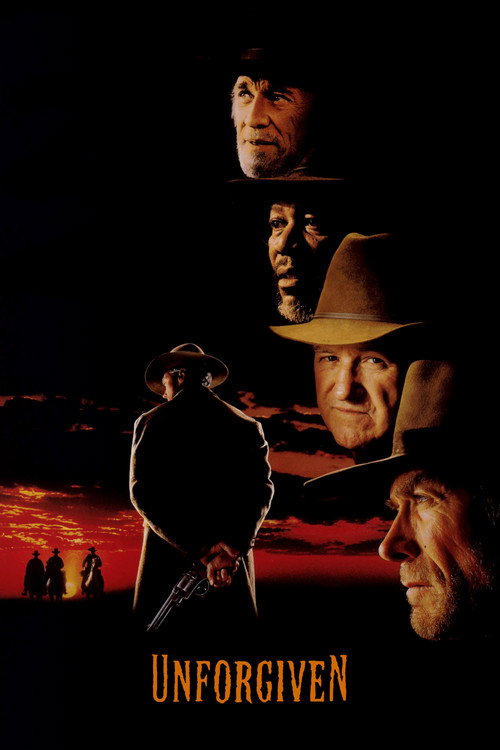
Unforgiven1992
Clint Eastwood's masterpiece about violence's true cost. It strips away mythology to show the real wreckage a life of bloodshed leaves behind. Quiet, moral, and devastating.
But It's a Western, which can feel slow or dated if that's not your idiom. Long stretches without spectacle.
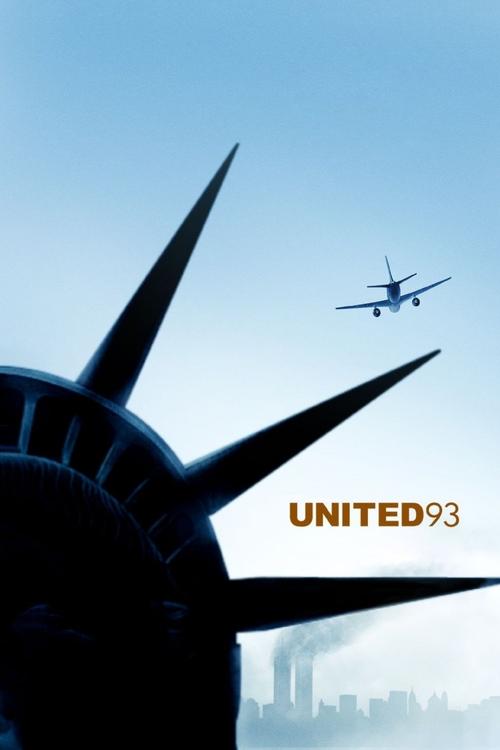
United 932006
Paul Greengrass reconstructs Flight 93 with excruciating realism and respect. It's about ordinary people making impossible choices under unimaginable pressure, and the film refuses to look away or comfort you.
But Watching it means reliving a tragedy in real time. Not cathartic. The ending will break something in you.
Come and See1985
Elem Klimov's Belarusian masterpiece puts you inside war as a child experiences it—the sound design alone is a weapon. Unflinching portrait of what violence actually does to people and places.
But Brutal doesn't cover it. There are images you cannot unsee. Subtitled, difficult, demands something from you.

Not sure tonight? Get a pick in a minute, starting from 9/11
The wildcard
Something you would not have found on your own.
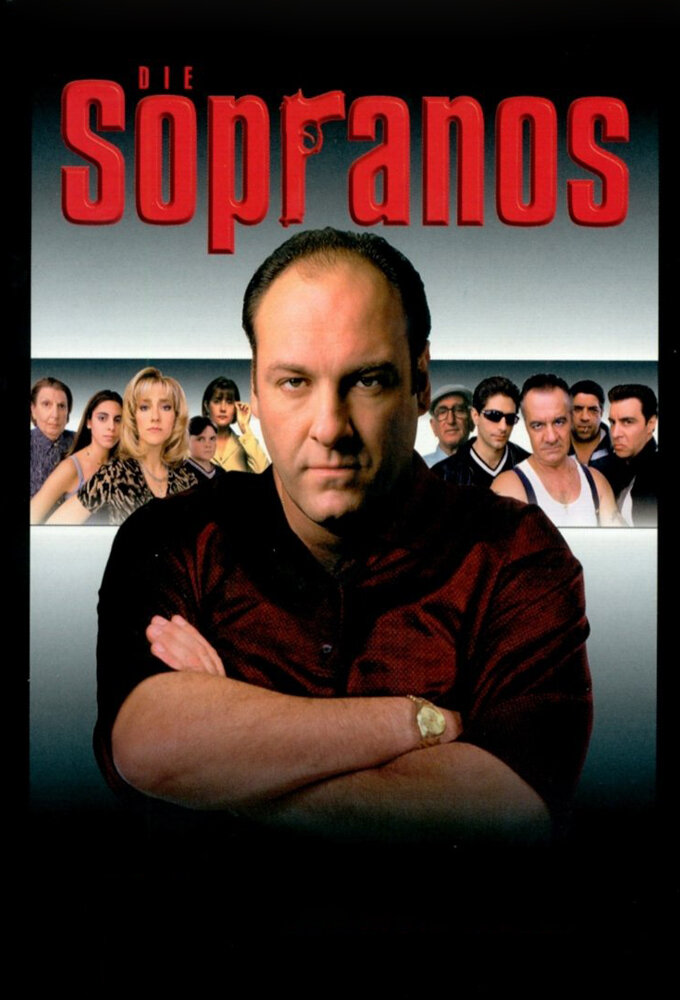
The Sopranos1999
Both take time with ordinary people in extraordinary circumstances. Both refuse sentimentality about trauma. Both understand that bearing witness means sitting with discomfort, not resolving it.
Six seasons about a man unable to reconcile competing worlds, sitting in a therapist's chair trying to understand himself while everything collapses. It's about how we live with contradiction and failure.
But Prestige drama that's now been heavily imitated. If you're coming to it after years of better-craft antihero TV, the pacing can feel slack.
More like this (7)
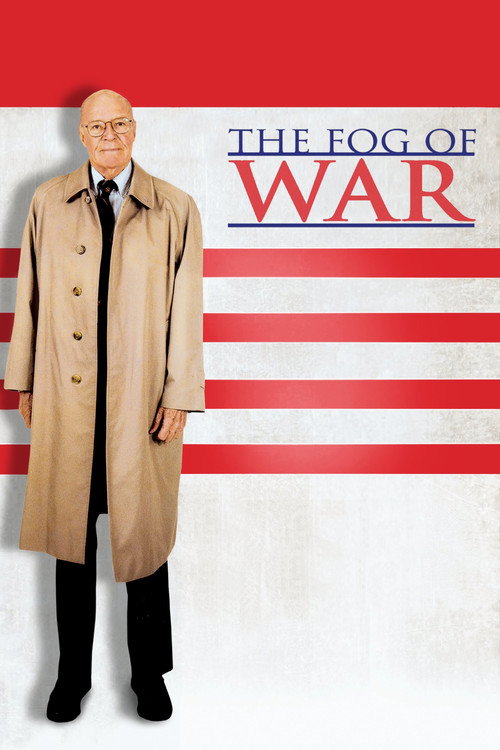
The Fog of War2003
Errol Morris lets Robert McNamara reckon with the human cost of his decisions in Vietnam. It's a portrait of someone trying, late, to understand the weight of what he did.
But McNamara can feel self-serving even when he's attempting honesty. Some will find his reflections insufficient.
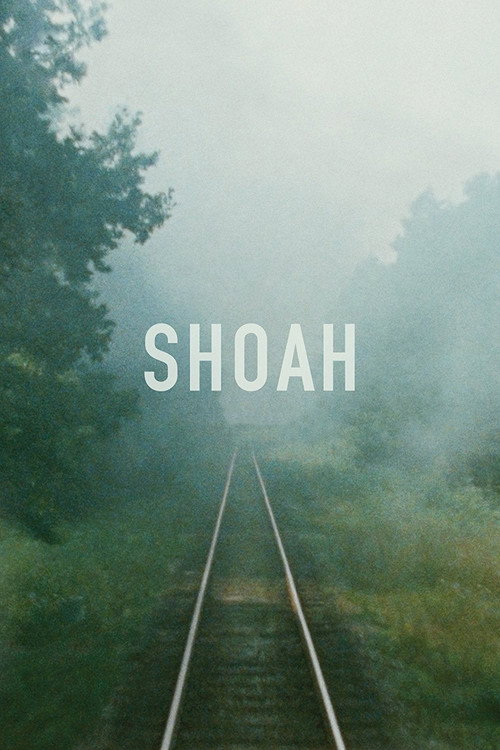
Shoah1985
Claude Lanzmann's nine-hour oral history of the Holocaust. No archival footage—just testimonies and spaces. It's archaeology of trauma, and it changed what documentary can do.
But Nine hours. Repetition. Slowness. It's not designed to be comfortable or even, at times, watchable in the traditional sense.
The Act of Killing2012
Joshua Oppenheimer films Indonesian death squad leaders reenacting their own murders. Disturbing and hypnotic—it asks what happens when perpetrators confront their own violence.
But Morally queasy. You're watching people who committed atrocities, and the film doesn't resolve your discomfort. Some find it exploitative.

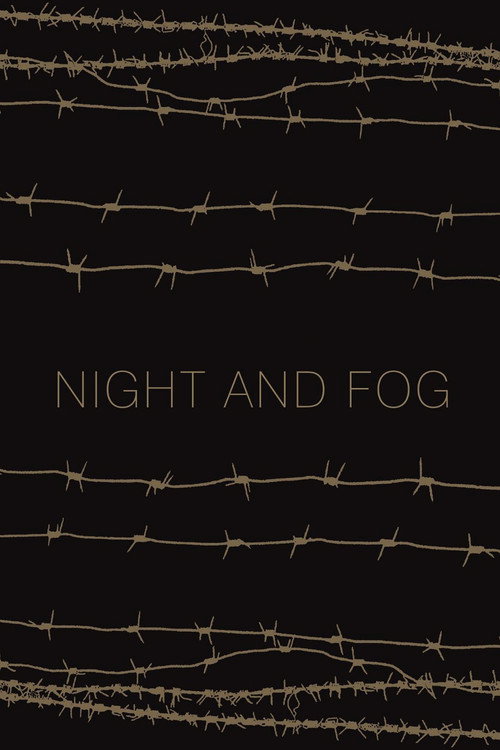
Night and Fog1956
Alain Resnais's 31-minute meditation on Auschwitz. Color and black-and-white footage, a reading of testimony, haunting score. One of cinema's great acts of bearing witness.
But Brief doesn't mean easy. The images are stark. Some formats are harder to find than others.
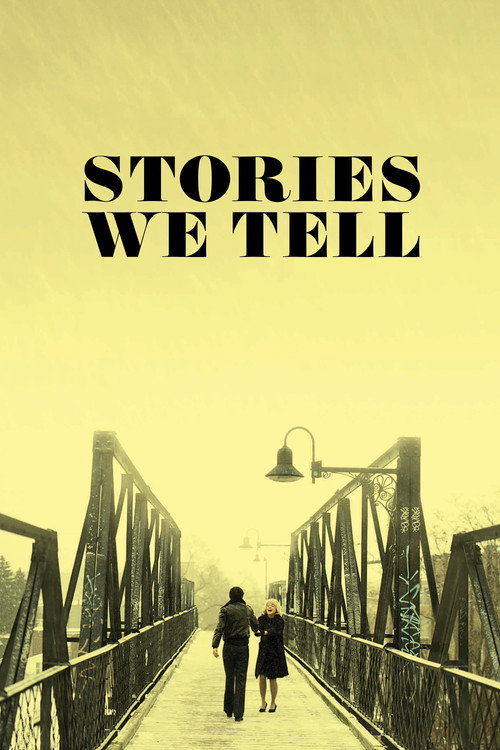
Stories We Tell2012
Michael Haneke on family secrets and how we construct memory. A puzzle-box that keeps revealing new shapes. Shot with formal precision and real tenderness.
But Deliberately obscures its own plot. Some viewers find the withholding of information frustrating rather than rewarding.
Requiem for a Dream2000
Rapid intercutting between multiple lives collapsing simultaneously. The audio-visual assault mirrors the claustrophobia of events spiraling. Both refuse distance from human suffering.
Darren Aronofsky's kaleidoscopic nightmare about addiction and American appetite. Formally audacious, viscerally painful, with Clint Mansell's relentless score. A film about wanting and losing.
But Genuinely hard to watch. Not 'intense'—specifically designed to overwhelm and sicken you. Most people need years before rewatching.

Stalker1979
Both interrogate the gap between expectation and reality. Both honor the weight of individual moments in the face of large events. Both trust viewers to draw their own conclusions about what they've witnessed.
Tarkovsky's long, slow science-fiction meditation on desire and meaning. A man guides others through a mysterious zone toward a room that grants wishes. It's about what we actually want when we stop lying.
But 163 minutes of contemplative pacing. Long takes of industrial landscapes. No plot in the conventional sense. Demands active participation, not passive watching.

People
Cast
- Tony BenatatosSelf
 Joseph CasaliggiSelf
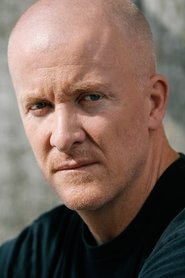 James HanlonSelf
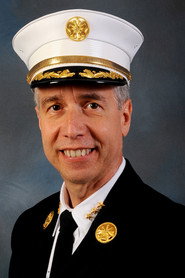
- Tom SpinardSelf
- Dennis TardioSelf
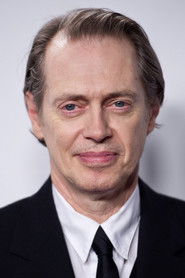 Steve BuscemiSelf (archive footage)
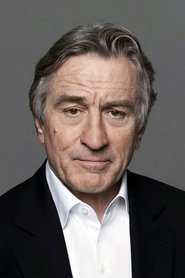 Robert De NiroSelf
Directing
- Gédéon NaudetDirector
- James HanlonDirector
- Jules NaudetDirector
Writing
- Greg KandraScreenplay
- Tom FormanScreenplay
Production
- David T. FriendlyExecutive Producer
- Gédéon NaudetExecutive Producer
- Graydon CarterExecutive Producer
- James HanlonExecutive Producer
- Jules NaudetExecutive Producer
- Susan ZirinskyExecutive Producer
- Bruce SpiegelProducer
- Mead StoneProducer
- Mike MaloyProducer
- Paul LarossaProducer
- Richard BarberProducer