
Film
Ship of Theseus
- Medical drama
- Slow-burning
A philosophical trilogy woven into one film: a photographer losing her sight, a monk with a transplanted organ questioning his faith, and a lawyer pursuing corporate accountability. Each story interrogates what remains of the self when the body changes. Shot in precise black-and-white, it's meditative and demanding—for viewers who want cinema to ask hard questions and sit with them.
Should you watch it?
Watch it if you are drawn to slow, philosophical films that let three separate lives hum against one another and trust you to chase the questions yourself.
Skip it if you need brisk plotting or a clear through-line, since it wanders across three threads and keeps its ideas in conversation rather than handing you tidy answers.
What it asks of you: At 143 minutes, it moves at an unhurried pace, so it asks you to settle into long quiet stretches and hold several threads in mind at once.
Not sure? Find tonight's pick in a minute.
If you liked this
Mulholland Drive2001
A fractured narrative that rewards close attention and repeated viewing. Like Ship of Theseus, it trusts you to assemble meaning from discontinuity and ambiguity, refusing easy answers about identity and reality.
But Nearly three hours of cryptic storytelling with no guarantee of clarity. Some find it pretentious; others find it genuinely opaque.

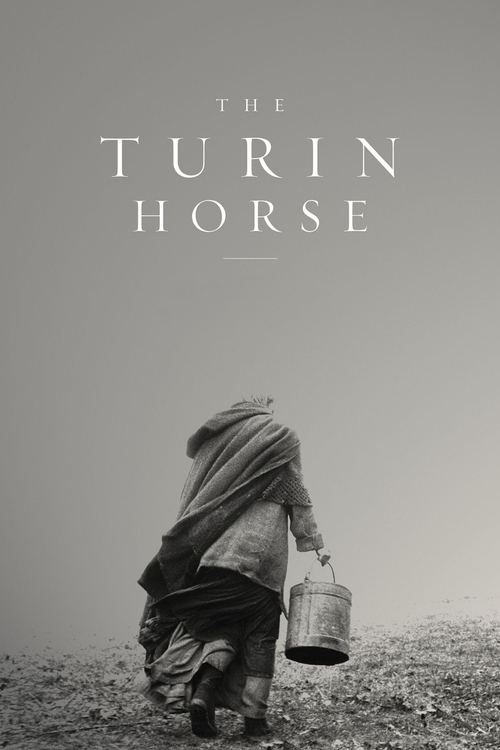
The Turin Horse2011
Béla Tarr's austere meditation on decline and loss. Both films use minimalist visual language to explore philosophical questions without preaching, favoring observation over explanation.
But Black-and-white, slow, bleak, and utterly indifferent to your comfort. Not a film that wants to entertain you.
Synecdoche, New York2008
Charlie Kaufman's inquiry into identity, mortality, and art. Like Ship of Theseus, it circles the same unanswerable questions from multiple angles, blending realism with abstraction to suggest rather than settle.
But Bewildering and deliberately fragmented. Easier to admire than to actually enjoy watching it.

Not sure tonight? Get a pick in a minute, starting from Ship of Theseus
The wildcard
Something you would not have found on your own.
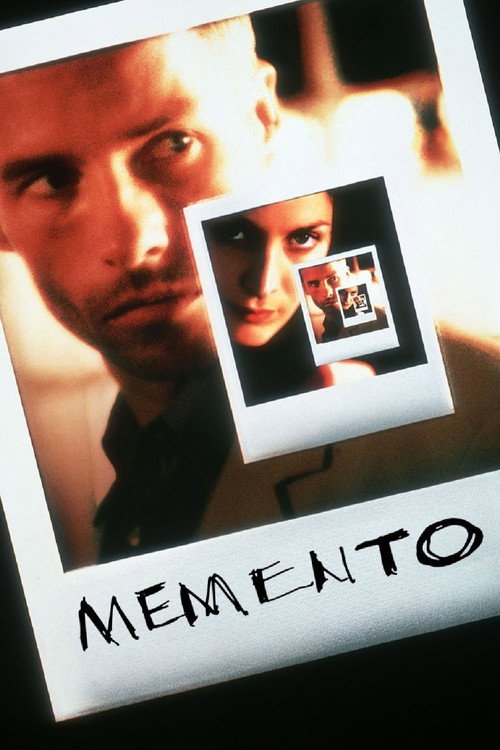
Memento2000
Both interrogate personal identity through formal fragmentation; the way the story is told is the story's central question.
Christopher Nolan uses fragmented, reverse chronology to literalize the dissolution of self and memory. Both films make structure inseparable from theme—the form becomes the argument.
But Gimmicky enough that it can feel like a puzzle box rather than an exploration. The narrative trick occasionally overwhelms the emotional truth.
More like this (7)
A Ghost Story2017
A deceptively simple story about presence and absence, time and memory. Both examine what it means to persist—or fail to persist—across transformation.
But Deliberately paced and visually monotonous. The central image (spoiler: it involves a sheet) can feel precious rather than profound.

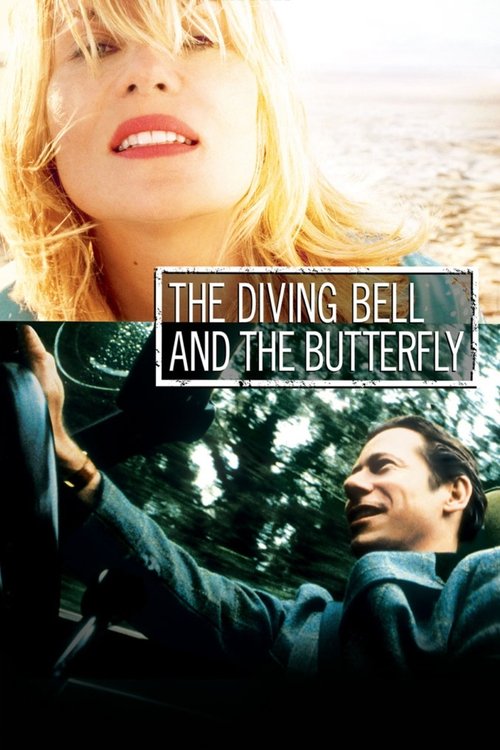
The Diving Bell and the Butterfly2007
A meditation on consciousness and agency when the body no longer obeys. Like Ship of Theseus, it explores identity through the lens of physical change with genuine philosophical weight, never maudlin.
But Based on a true story of severe disability. Some viewers find it emotionally exhausting rather than enlightening.
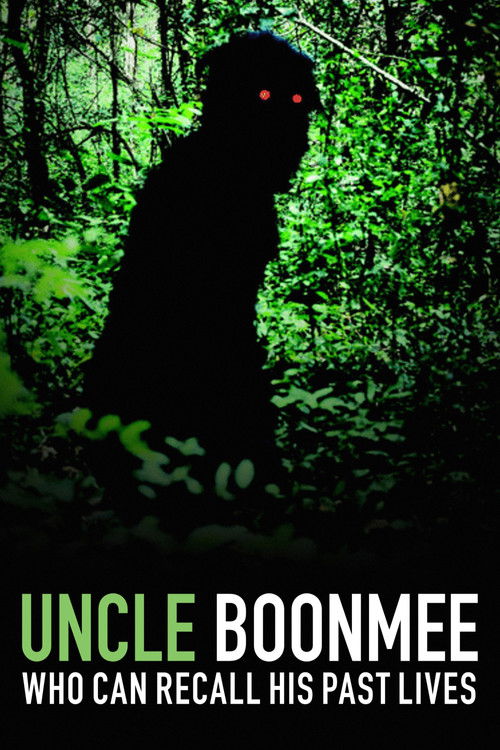
Uncle Boonmee Who Can Recall His Past Lives2010
Apichatpong Weerasethakul's slow cinema masterpiece about memory, ghosts, and continuity of self across lifetimes. Both films move at the speed of thought rather than plot.
But Genuinely challenging to stay with. Long static shots, minimal dialogue, and a narrative that feels more dream than story.
Stalker1979
Tarkovsky's science-fiction meditation on desire and transformation. Both films believe philosophy can be cinematic, using constraint and silence to deepen rather than diminish the experience.
But Slow in the way that tests patience rather than rewards it. Over two hours with virtually no plot. Many find it impenetrable.

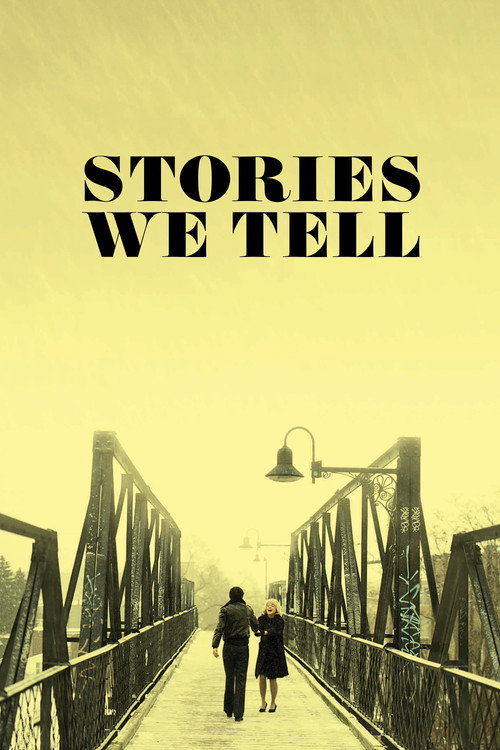
Stories We Tell2012
Michael Haneke's examination of narrative, family, and the Theseus paradox itself—how stories change each time they're told. Like Ship of Theseus, it questions whether continuity requires consistency or just meaning.
But Haneke's most provocative work also feels the most oblique. It can seem like intellectual exercise without emotional stakes.
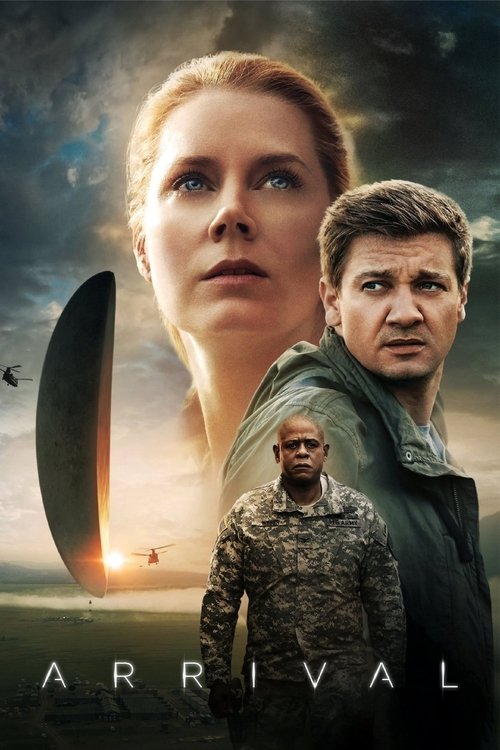
Arrival2016
Both treat the alteration of consciousness as the primary narrative; both ask what remains of 'you' if you perceive fundamentally differently.
A science-fiction film genuinely concerned with metaphysics and transformation. Like Ship of Theseus, it's about what changes when perception itself is altered, and whether the self survives such change.
But Built on a conceptual idea rather than character development. Viewers expecting drama often find it airless and cold.
Happy as Lazzaro2018
Both use realism as a container for philosophical abstraction; both suggest that the self might persist through radical transformation in ways logic cannot capture.
Alice Rohrwacher's cryptic fable about a man who may or may not be the same person across decades. It's magical realism applied to the Theseus paradox—suggesting that identity might be simpler or stranger than philosophy admits.
But Italian, elliptical, and profoundly uninterested in clarifying itself. It feels like a parable you're overhearing rather than a story told to you.

People
Cast
 Aida El KashefAaliya Kamal
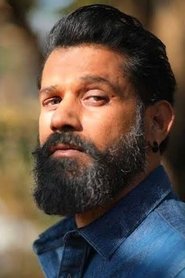 Sohum ShahNavin
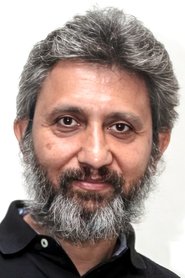 Neeraj KabiMaitreya
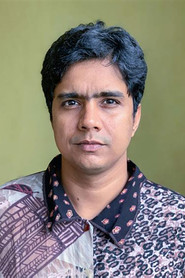 Vinay ShuklaCharwaka
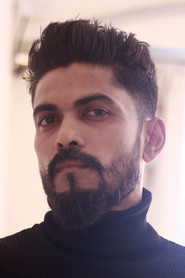 Faraz KhanVinay
- Amba SanyalAjji
- Sameer KhuranaMannu
- Vipul BinjolaJagannath
- Hannan YoussefAliya's mother
- Narendra Shah'Uncle'
- Chitra ShahLady in the house
- Manan ShahKid in the house
Directing
- Manan BhattAssistant Director
- Sandeep MohandasAssistant Director
- Sattwik MohantyAssistant Director
- Anand GandhiDirector
- Adesh PrasadFirst Assistant Director
- Maxima BasuFirst Assistant Director
- Vinay RohiraSecond Assistant Director
Writing
- Anand GandhiLyricist
- Anand GandhiScreenplay
- Anand GandhiStory
- Khushboo RankaStory
- Pankaj KumarStory
Production
- Arushi NayarCasting
- Mahendra ShrivasCasting Assistant
- Anand GandhiCo-Producer
- Mitesh ShahExecutive Producer
- Ruchi BhimaniExecutive Producer
- Ruchi BhimaniLine Producer
- Hugo WeavingProducer
- Kiran RaoProducer
- Mukesh ShahProducer
- Sohum ShahProducer
- Paresh GosarProduction Manager