
Film
Basic Training
Frederick Wiseman's observational documentary follows soldiers in training at Fort Knox during the Vietnam War era. Shot without narration or interview, it's a stark, unflinching portrait of institutional power and the systematic reshaping of civilian identity. Essential viewing for anyone curious about how authority works, and how it bends people.
Should you watch it?
Watch it if you like observational documentaries that let an institution speak for itself, and are curious how ordinary young men get reshaped into a unit, with 1970 seeping in at the edges.
Skip it if you need a plot, personal arcs or a narrator guiding you; it mostly watches a process unfold with little explanation, and its patience can feel like a long drill.
What it asks of you: Roughly ninety minutes of mostly unexplained observation, unhurried and plain in tone, where the instructors' shouting and the long waits do most of the work.
Not sure? Find tonight's pick in a minute.
If you liked this
Grey Gardens1976
The Maysles brothers' portrait of reclusive aristocrats decaying in their mansion. Like Basic Training, it's pure observation—no judgment, just presence. Mesmerizing and deeply human.
But It's bleak and claustrophobic. The subjects are difficult people in difficult circumstances, and the film doesn't offer easy comfort.

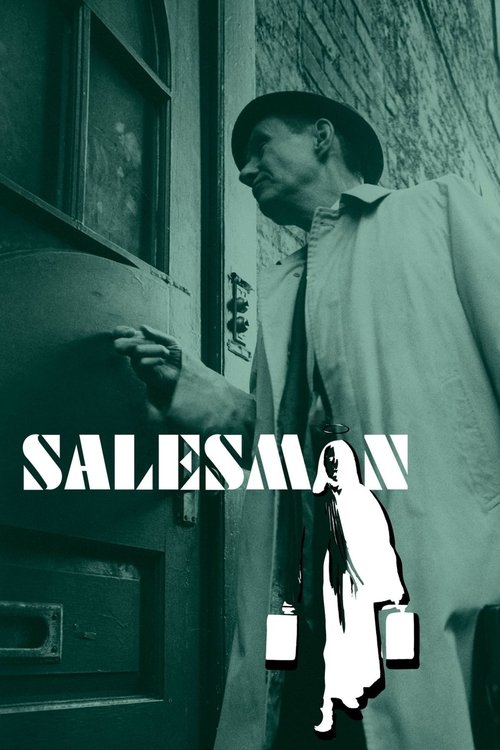
Salesman1969
Albert and David Maysles follow door-to-door Bible salesmen as they fail, persuade, and rationalize. The same Wiseman-era documentary approach: let systems reveal themselves through behavior.
But It's a slow study in disappointment and small humiliations. Not visually flashy; demands patience.
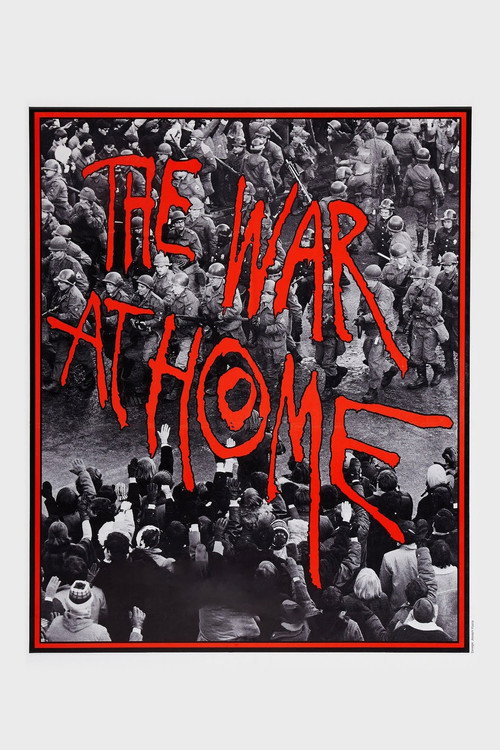
The War at Home1979
Glenn Silber's film cuts between violent Vietnam War protests and the families who loved soldiers fighting abroad. Captures the era's fracture without taking sides. Complementary to Basic Training's institutional view.
But Emotionally raw and politically charged. Some will find it one-sided; others will find it haunting.
Not sure tonight? Get a pick in a minute, starting from Basic Training
The wildcard
Something you would not have found on your own.
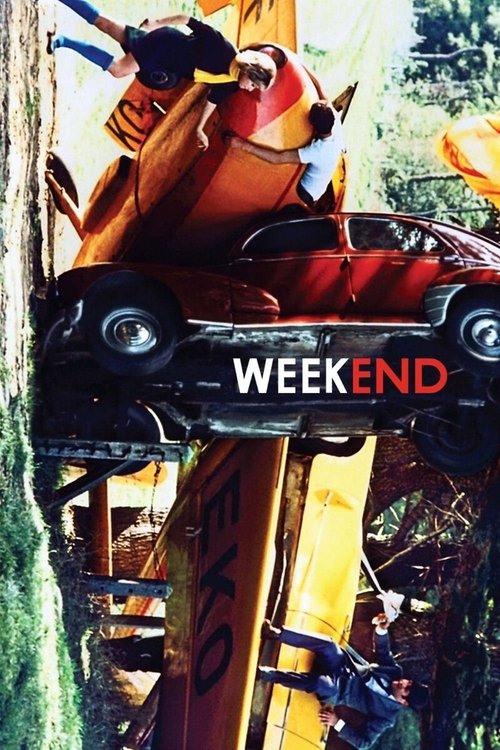
Weekend1967
Both are structural deconstructions of how systems shape behavior—Basic Training through observation, Weekend through the violent logic that underlies 'civilization' itself.
Godard's apocalyptic road movie is chaos incarnate—revolution, cannibalism, bourgeois decay, all shot in real time. It's an institution (society) collapsing into its own logic, but through sci-fi satire instead of documentary sobriety.
But It's deliberately antagonistic and nearly unwatchable by design. Godard wants you uncomfortable. Some will find it pretentious; others unbearably bleak.
More like this (8)
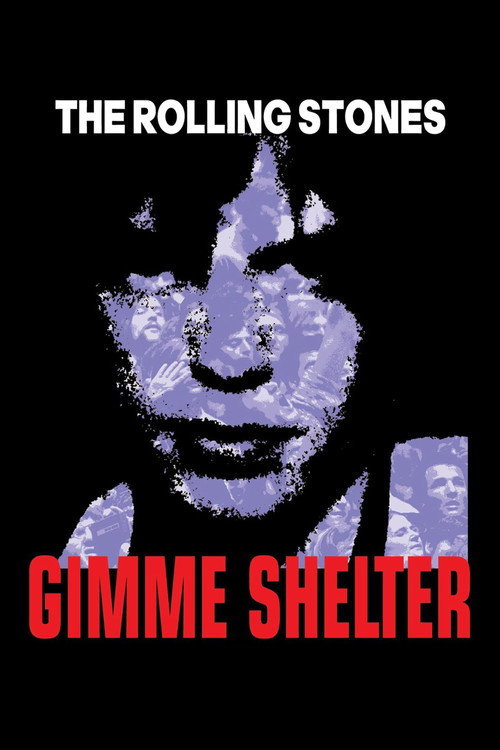
Gimme Shelter1970
The Maysles capture the Rolling Stones' Altamont concert, where idealism turned tragic. It's about systems failing in real time—authority, crowd dynamics, consequence.
But Violence and death are integral to the narrative. Beautiful filmmaking can't soften what happened.
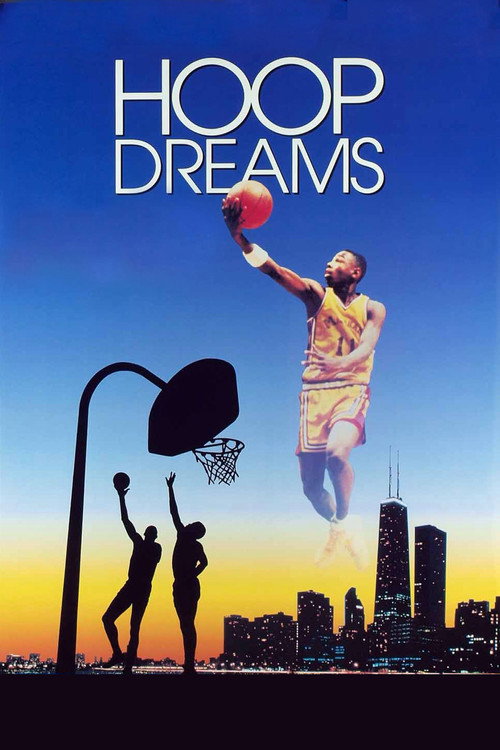
Hoop Dreams1994
Two-hour-plus documentary following young basketball players through systems of exploitation and hope. Like Basic Training, it's an institution at work, reshaping lives over time.
But It's long and deliberately paced. Requires genuine investment to reach its payoff.
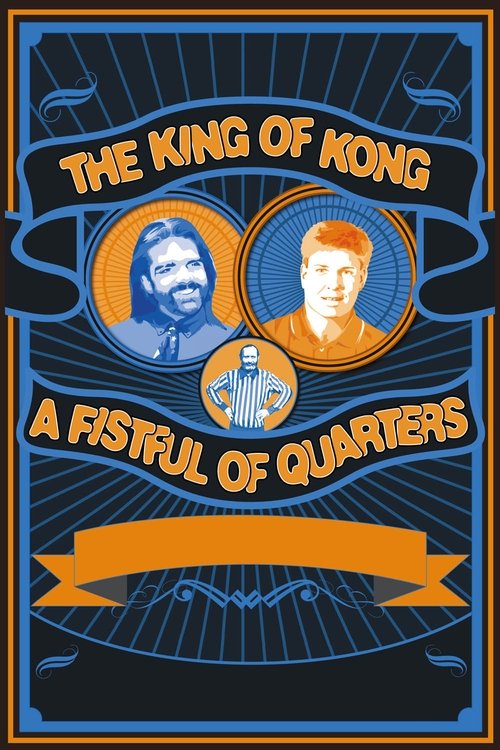
The King of Kong: A Fistful of Quarters2007
A rivalry over arcade high scores that metastasizes into a portrait of obsession, community hierarchy, and what we choose to defend. Lighter than Basic Training but structurally similar: character emerging through contest.
But The tone is sometimes too playful for its own subject. Can feel like it's laughing at the people it should be respecting.
Man with a Movie Camera1929
Dziga Vertov's Soviet montage poem is pure cinema: a day in a city, broken into rhythmic fragments. Foundational to documentary practice. Pure observation through radical form.
But It's almost a century old and deliberately avant-garde. Narrative is nonexistent; it's pure visual rhythm.

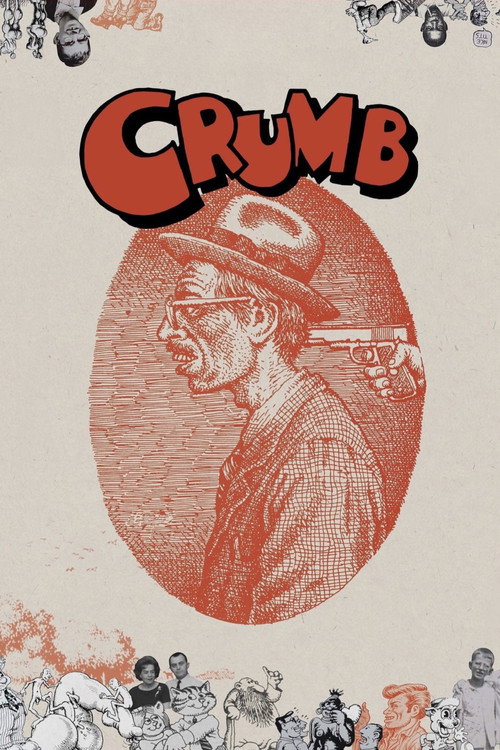
Crumb1995
Terry Zwigoff profiles cartoonist Robert Crumb and his family. Intimate, unflinching observation of creative genius and family dysfunction. Documentary as portraiture at its most honest.
But Some content is sexually explicit and disturbing. Crumb himself is abrasive and sometimes repellent, and the film doesn't soften that.
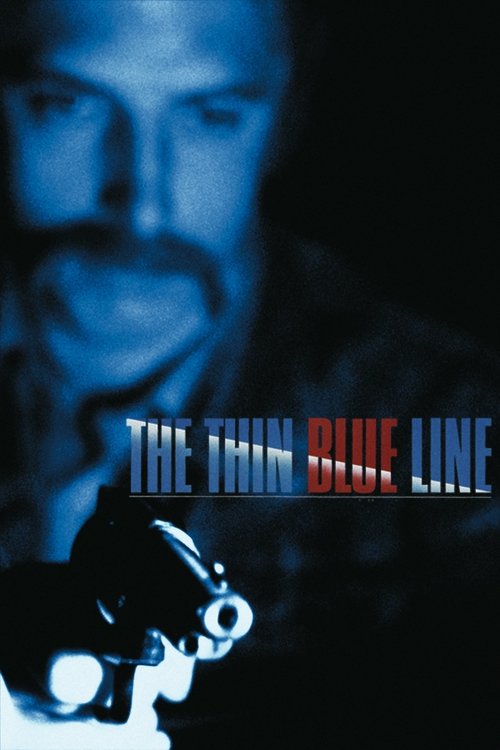
The Thin Blue Line1988
Errol Morris reconstructs a wrongful conviction using stylized reenactment and interview. Documentary as investigation; proof that form and truth need not be at odds.
But The stylization can feel distant from the real human stakes. Some find the aesthetic choices distracting from the injustice.
The Act of Killing2012
Both films understand that the machinery of institutional violence works through dehumanization and performance. Oppenheimer makes the implicit explicit.
Joshua Oppenheimer asks Indonesian death squad perpetrators to recreate their own murders on film. It's a documentary that becomes performance art that becomes confession. Unbearably intimate and morally complex.
But It depicts and reenacts genocide-era killings. Deeply disturbing content played for historical understanding, which some will find exploitative.

Stalker1979
Like Basic Training, it's about movement through a bounded space where the landscape and its logic reshape the person. But Tarkovsky uses metaphor instead of observation.
Andrei Tarkovsky's science-fiction philosophical journey through a mysterious zone. Obsessive, meditative, about desire and power and what we're willing to give up. Shot like pure cinema itself—hypnotic and strange.
But It's 163 minutes of intentional slowness. Plot is minimal; it's about mood and metaphor. Impatience kills it instantly.
