
Film
Le Doulos
- Crime
- Noir mystery
- Crime thriller
- Very dark
A Parisian crime thriller from the New Wave's golden hour, where a freshly released thief plans a heist while suspicion poisons every relationship. Jean-Paul Belmondo's ambiguous gangster may or may not be a police informant; Melville refuses to tell you. Stylish, paranoid, and structured like a puzzle box that rewards a second viewing.
Should you watch it?
Watch it if you love crime films where the pleasure lies in watching hard professionals size each other up, with cool, unhurried style and a plot that rewards close attention to who is lying to whom.
Skip it if you want fast action and clear-cut morality, since this one is measured and deliberate, leaning on silences and glances more than on explanation.
What it asks of you: Expect about 108 minutes, a patient build and a dark, unsentimental tone, with your attention held by who is in the room and what they are hiding.
Not sure? Find tonight's pick in a minute.
If you liked this
In the Mood for Love2000
Wong Kar-wai's Hong Kong masterpiece shares Melville's architectural control and the way desire operates in shadows. Ravishingly composed, it builds dread through what remains unsaid and unseen between two people.
But The pacing is glacial and the plot gossamer-thin. If you need narrative momentum, this will feel like watching paint dry in slow motion.

The Third Man1949
Carol Reed's Vienna-set noir has the same architecture of betrayal and moral ambiguity. A man you trust may be the villain; the film makes you complicit in believing him. The zither score is unforgettable.
But It's a post-war British production with a somewhat dated sensibility. The love plot feels secondary and occasionally saccharine compared to the intrigue.

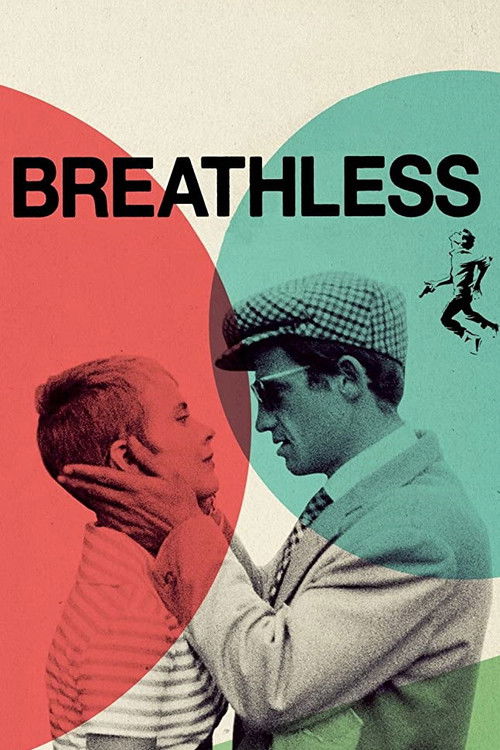
Breathless1960
Godard's debut also stars Belmondo and shares the Nouvelle Vague aesthetic: jump cuts, self-aware camera, a petty criminal's moral free-fall. It captures the same cool alienation and doomed charisma of criminal life.
But The narrative is deliberately fragmentary and the philosophy sometimes overwhelms the story. It can feel like watching someone's experimental notebook rather than a finished work.
Not sure tonight? Get a pick in a minute, starting from Le Doulos
The wildcard
Something you would not have found on your own.
Rififi1955
Both are Parisian crime films that treat theft as a kind of noir ballet. Melville learned from Dassin's example and perfected it.
Jules Dassin's French heist film (directed by an American exile) codifies the genre and predates Le Doulos by seven years. It features the most famous silent robbery sequence ever filmed. A direct ancestor and essential context.
But The second half loses steam once the heist concludes. It's also in a scratchier print quality than Melville's sharper work.

More like this (7)
The Killing1956
Kubrick's heist film uses fractured chronology to build suspense around a horse-race robbery. Like Le Doulos, it's obsessed with timing, betrayal, and the way one man's miscalculation destroys everyone's careful plans.
But The female characters are paper-thin and the dialogue occasionally clunky. It's also in black-and-white with a small budget, which shows in its modest scope.

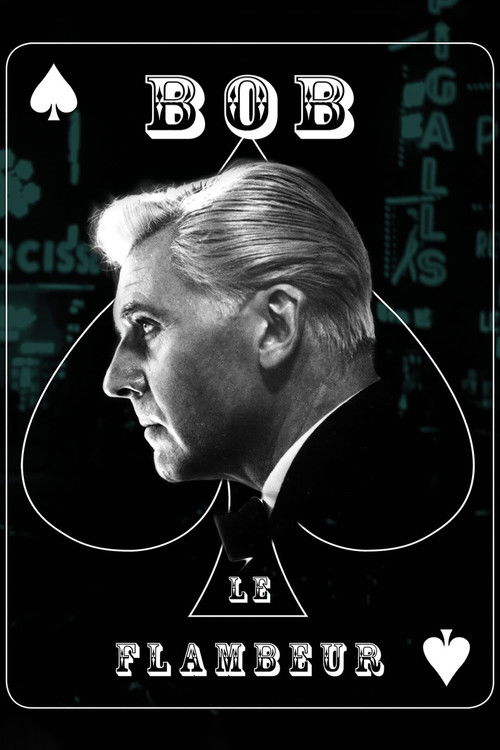
Bob le Flambeur1956
Melville's own earlier film about a habitual gambler planning one last heist. It establishes his visual language—cool, austere, morally neutral—and proves he was a master of criminal psychology before Le Doulos refined it.
But It's gentler and more romantic than Le Doulos, with less paranoia. If you want the harder edge, this might feel like a warmup rather than the main event.
The Asphalt Jungle1950
John Huston's prototype for the heist-film genre: a carefully planned robbery that unravels through human weakness. It has the same DNA as Le Doulos—ensemble cast, tight plotting, fatalism about criminal enterprise.
But It's American 1950s crime noir, which means more sentiment and moralizing than Melville allows. The pacing creaks by modern standards and some scenes feel didactic.

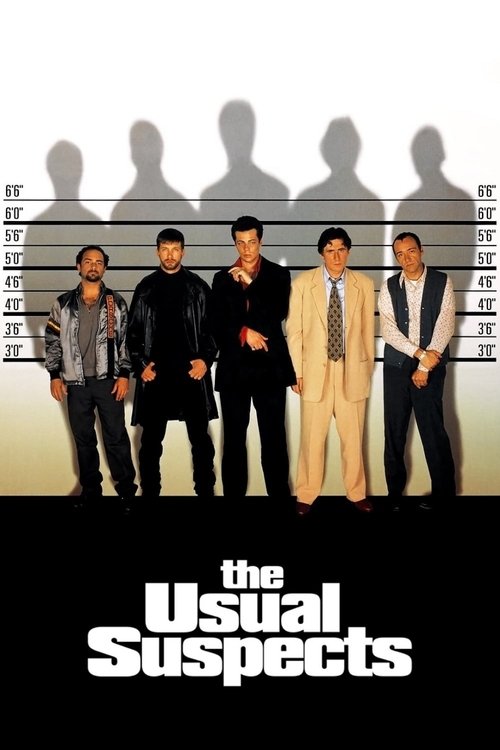
The Usual Suspects1995
Bryan Singer's puzzle-box thriller shares Le Doulos's central mechanism: you're fed information by an unreliable narrator and must decide what to believe. The ending recontextualizes everything that came before.
But The twist has been spoiled for most viewers by now, which costs the film its entire point. It's also slicker and more American than the austere French original.
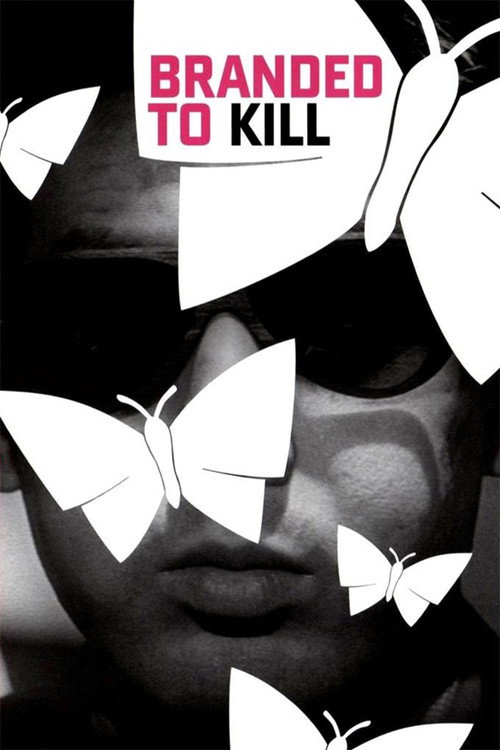
Branded to Kill1967
Seijun Suzuki's yakuza film channels Melville's cool brutality and paranoia. A hired assassin caught between gangster factions never knows who to trust. It's dreamlike and violent in equal measure.
But It's Japanese in sensibility and quite abstract. The plot takes a backseat to mood and visual style, which frustrates viewers who want clear narrative logic.
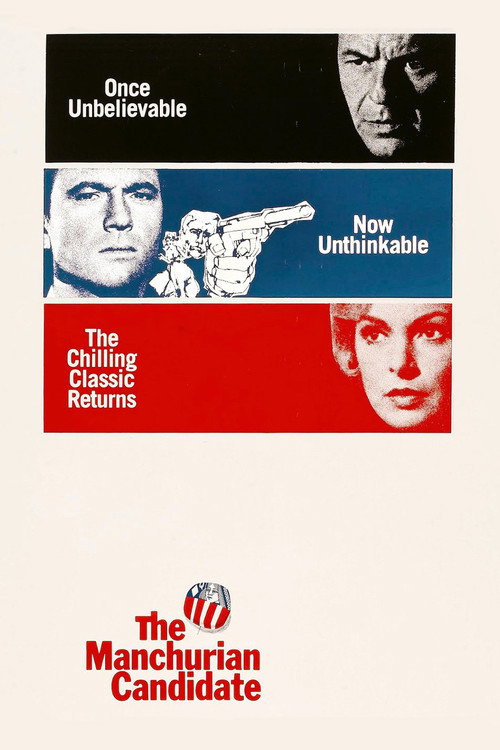
The Manchurian Candidate1962
Released the same year, Frankenheimer's political thriller shares Le Doulos's obsession with hidden allegiances and planted doubt. Who is actually in control? The paranoia is suffocating and justified.
But It's a big American production with stars and spectacle, nothing like Melville's austere European style. The Cold War politics date it and the plot becomes increasingly melodramatic.
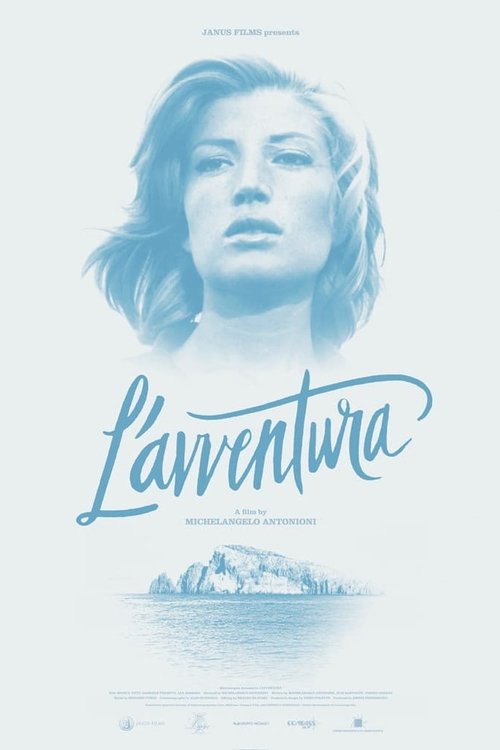
L'Avventura1960
Both films structure themselves around absence and uncertainty. They refuse to reassure you. The answer to the central question matters less than what the search reveals about the searchers.
Michelangelo Antonioni's Italian masterpiece abandons plot the moment a woman disappears. What remains is an investigation into meaning, trust, and whether anything matters. Like Le Doulos, it's more concerned with surfaces and psychology than narrative satisfaction.
But Nothing happens for three hours. If you watch it expecting a mystery to be solved, you'll feel robbed. It requires active patience and comfort with ambiguity.
People
Cast
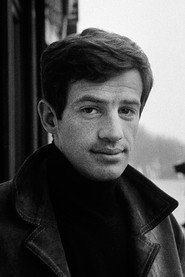 Jean-Paul BelmondoSilien
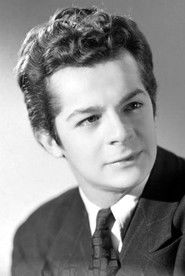 Serge ReggianiMaurice Faugel
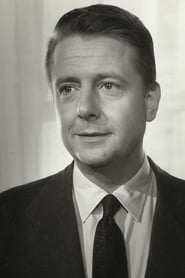 Jean DesaillySuperintendant Clain
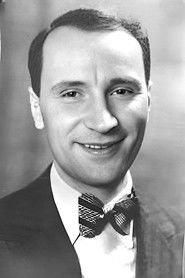 René LefèvreGilbert Varnove
 Marcel CuvelierPolice inspector
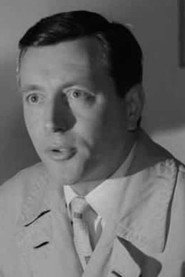 Philippe MarchJean
 Fabienne DaliFabienne
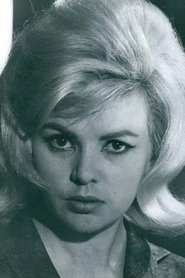 Monique HennessyThérèse
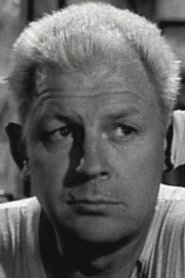 Carl StuderKern
 Christian LudeDoctor
- Jacques De LeonArmand
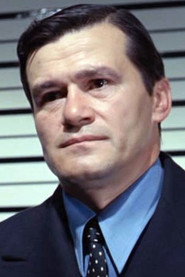 Jacques LéonardPolice inspector
Directing
- Charles L. BitschAssistant Director
- Jean-Pierre MelvilleDirector
- Volker SchlöndorffFirst Assistant Director
Writing
- Pierre LesouNovel
- Jean-Pierre MelvilleScreenplay
Production
- Carlo PontiProducer
- Georges de BeauregardProducer
- Georges de BeauregardProduction Manager
- Paul MayersbergProduction Runner
- Bertrand TavernierPublicist
- Jean PieuchotUnit Manager
- Roger ScipionUnit Manager
Recommended by
Elevator to the Gallows, The Dinner Game, The Magnificent One