
Film
Murderous Maids
This is a tense, unflinching examination of the infamous Papin sisters case—the true crime that shocked 1930s France. Director Jean-Pierre Denis treats it not as sensationalism but as intimate family tragedy, focusing on the psychological pressure and resentment that built beneath the surface of servant life. It's deliberately paced and emotionally severe; made for those drawn to psychological complexity over plot mechanics.
If you liked this
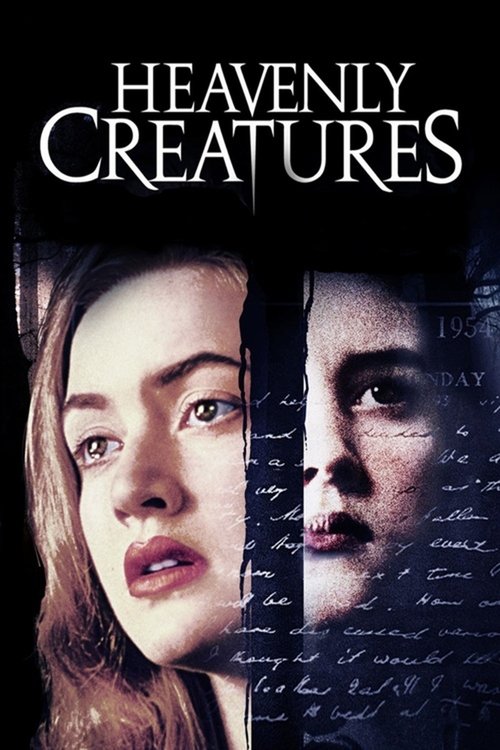
Heavenly Creatures1994
Peter Jackson's portrait of two girls whose relationship intensifies into violence. Like Murderous Maids, it finds the strange love beneath the crime and treats adolescent isolation as genuinely dangerous rather than romantic.
But The film's fantasy sequences and tonal shifts may feel at odds with the true crime framework if you're expecting documentary severity.
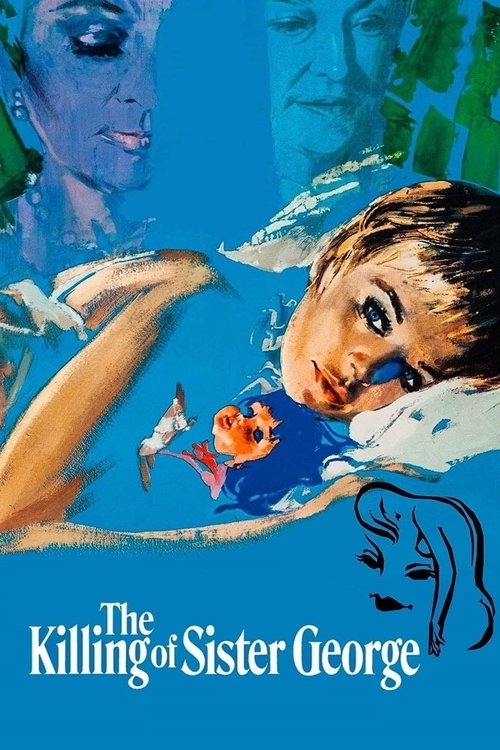
The Killing of Sister George1968
A dark, claustrophobic drama about power dynamics in a coded household relationship. It shares Murderous Maids' interest in how proximity, dependency, and unspoken anger can become toxic and consuming.
But The lesbian subtext feels dated in places, and the film's melodrama occasionally overshadows its psychological insight.
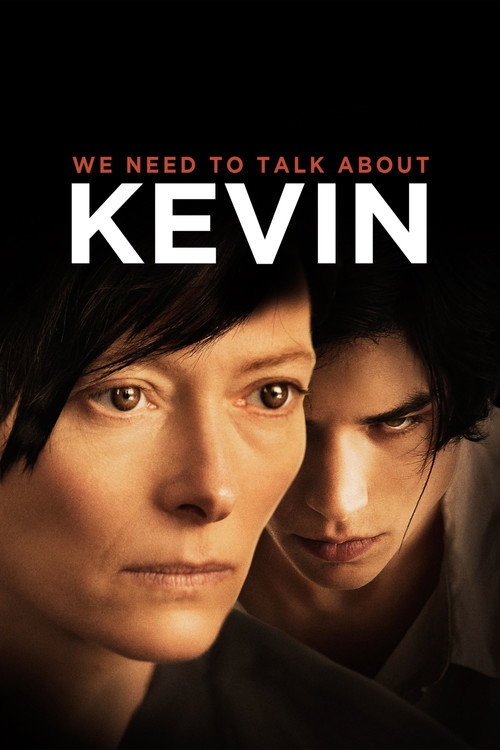
We Need to Talk About Kevin2011
Lynne Ramsay's methodical exploration of a mother confronting her son's violence. Like Murderous Maids, it refuses easy answers and invites you to sit with complicity, resentment, and the failure of understanding.
But It's relentlessly bleak and moves at its own pace; many find it exhausting rather than engaging.
Not sure tonight? Get a pick in a minute, starting from Murderous Maids
The wildcard
Something you would not have found on your own.
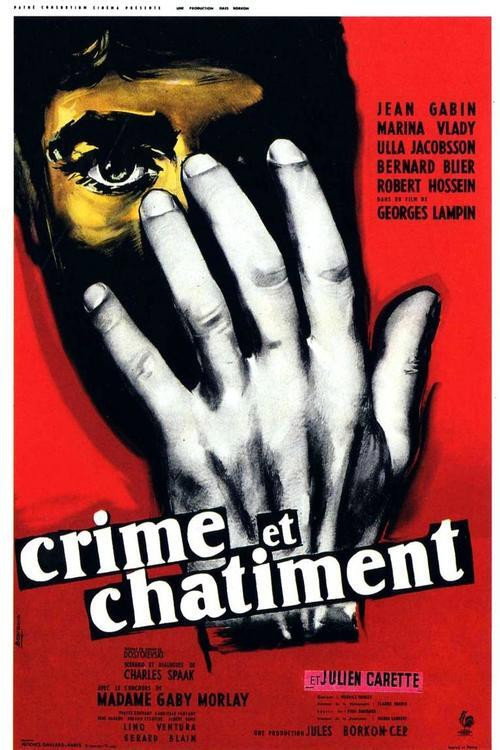
Crime and Punishment1956
Both are faithful to the psychological architecture of their source material—whether real events or literature—prioritizing moral complexity over plot, and trusting the viewer to sit with unbearable uncertainty.
Andrei Kurosawa's adaptation of Dostoevsky transplants the novel to 1950s Tokyo. It shares Murderous Maids' obsession with guilt, moral weight, and the impossible logic that drives violence—but adds the existential density of philosophy and the visual poetry of Japanese cinema.
But At 207 minutes, it demands enormous patience, and the prose-heavy philosophical framework may feel opaque compared to the emotional immediacy of Murderous Maids.
More like this (8)
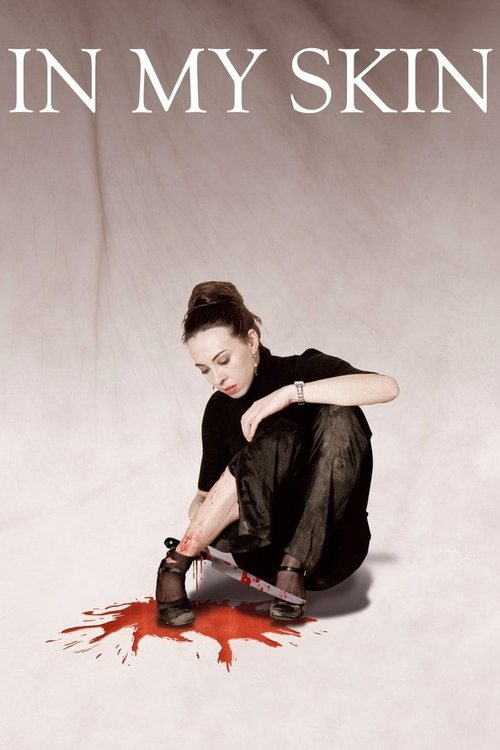
In My Skin2002
A French film about self-harm and alienation in a claustrophobic domestic space. Both films are rigorous about depicting psychological breakdown without exploiting it or offering false catharsis.
But The extreme body horror and self-mutilation may be triggering or deeply uncomfortable for many viewers.
La Haine1995
Mathieu Kassovitz's study of rage building in confined spaces among people with no escape route. It has the same precise control and moral weight as Murderous Maids, though in a different social context.
But Its 24-hour structure is deliberately repetitive, and some may find the black-and-white cinematography emotionally distancing.

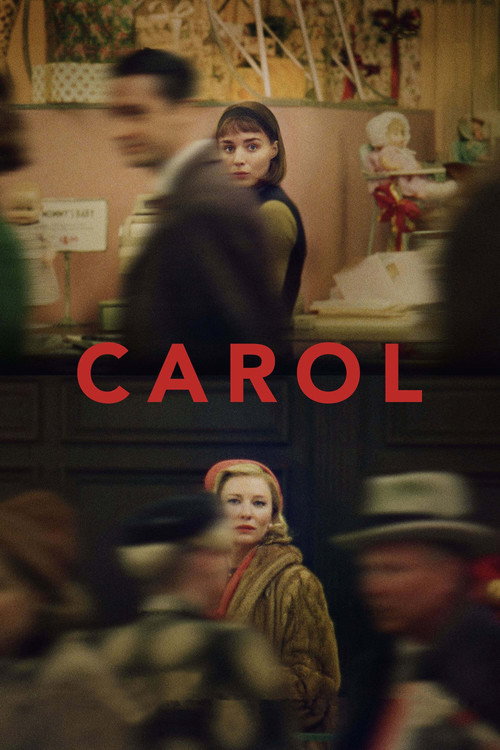
Carol2015
Todd Haynes' exploration of desire and class friction in coded spaces. Both films understand how power imbalance and unspoken feeling can warp a relationship into something dangerous and tragic.
But It's a quieter, more romantic film than Murderous Maids; if you want explicit darkness, this may feel too restrained.
The Servant1963
Joseph Losey's masterclass in how servant-employer relationships can become inverted and corrupted. The psychological games and role-playing echo the claustrophobia of Murderous Maids across a different scenario.
But It's a period piece shot in black and white with a deliberate, theatrical pace that some find glacial.

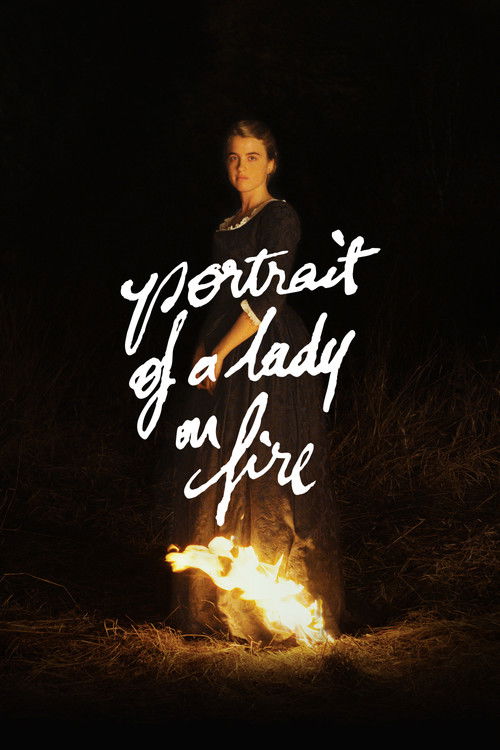
Portrait of a Lady on Fire2019
A French film about two women in an isolated domestic space where desire and power reshape their relationship. Like Murderous Maids, it understands how confinement can intensify emotion to dangerous degrees.
But It's sensual and romantic rather than violent; if you want the darker psychological territory, this offers something different.
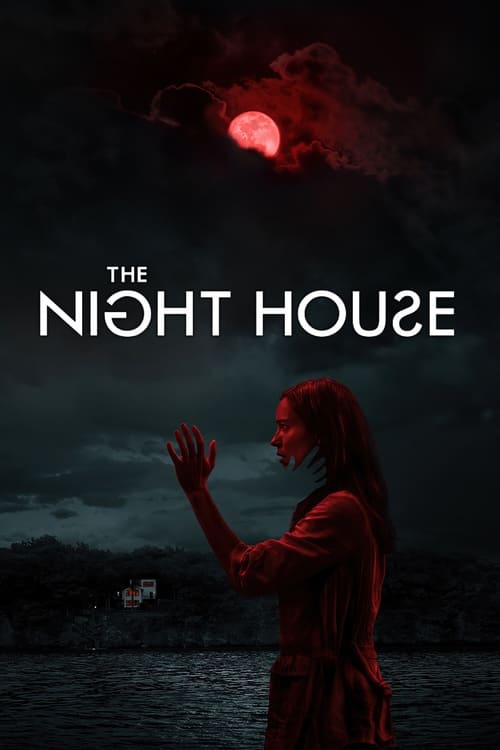
The Night House2021
Rebecca Hall in a study of grief and rage in a confined space. Both films trust their actors to convey psychological fracture through restraint and silences rather than exposition.
But It's more of a haunted-house film than a psychological drama, and the supernatural elements may feel like a tonal mismatch.
Possession1981
Where Murderous Maids restrains itself, Possession explodes—but both films treat intimate violence as the eruption of pressures that have been building in isolation and silence.
Andrzej Żuławski's fever dream of a marriage dissolving into violence and chaos in confined apartments. It abandons realism for surrealism, but achieves the same goal: making psychological pressure visible and overwhelming.
But It's aggressively experimental, deliberately incomprehensible in parts, and the grotesque body horror may feel exploitative or simply unwatchable.

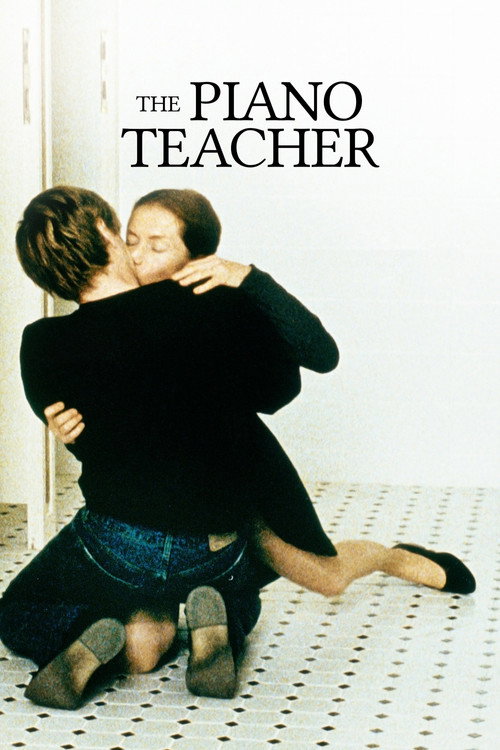
The Piano Teacher2001
Both use psychological realism as a Trojan horse for depicting the actual catastrophe of certain relationships—the question isn't whether something terrible will happen, but why we couldn't stop it.
Michael Haneke's brutal examination of a mother-daughter relationship that has curdled into mutual destruction. Like Murderous Maids, it's a French-language film about how close bonds can become weapons, but it's far more graphic and transgressive about sexuality and pain.
But It contains graphic sexual violence and self-mutilation; Haneke's approach is unflinching and offers no comfort or resolution. Many find it unwatchable.
People
Cast
 Julie-Marie ParmentierLéa Papin
 Sylvie TestudChristine Papin
 Isabelle RenauldClémence
 François Levantalle Gazé
 Dominique Labouriermadame Lancelin
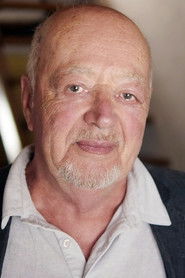 Jean-Gabriel Nordmannmonsieur Lancelin
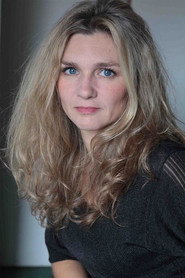 Marie DonnioGeneviève Lancelin
 Lily BoulogneAlberta
Directing
- Jean-Pierre DenisDirector
Writing
- Paulette HoudyerNovel
- Jean-Pierre DenisWriter
- Michèle PétinWriter
Production
- Jeanne BirasCasting
- Laurent PétinProducer
- Michèle PétinProducer