
Film
In My Skin
- Body horror
- Very dark
- Strange
Marina de Van's autobiographical film about a woman spiralling into self-harm after a minor accident is a visceral descent into bodily alienation. It's unflinching, claustrophobic, and almost impossible to look away from—a study of control, shame, and the body as both prison and weapon. For viewers ready to sit with genuine discomfort.
Should you watch it?
Watch it if you are drawn to unflinching, cerebral body horror that treats self-alienation as quiet psychological study, and you don't mind a film that makes you sit with discomfort rather than jump at it.
Skip it if you want horror with release and momentum, since this one moves slowly and stays inside a single unsettling mind, and its most disturbing moments are deliberately hard to look away from.
What it asks of you: Ninety-odd minutes of patient, watchful attention, with long quiet stretches and a restrained, clinical camera that lingers where you would rather it didn't.
Not sure? Find tonight's pick in a minute.
If you liked this
Nymphomaniac: Vol. II2013
Lars von Trier's equally uncompromising exploration of bodily shame and compulsion. Dense, deliberately provocative, structured like a confessional. If you survived *In My Skin*, this is the natural next provocation.
But It's four hours of explicitly sexual content married to explicit violence and self-recrimination. Von Trier's maximalism exhausts some viewers before it enlightens them.

The Idiot2011
Yorgos Lanthimos's deadpan family horror uses restraint and the mundane to generate dread. That same sense of watching someone dissolve from the inside, but quieter and stranger. Deeply unsettling.
But The acting style is deliberately flat and affectless. If you need emotional performance to ground you, this removes the handholds.

Requiem for a Dream2000
Darren Aronofsky's portrait of addiction across four lives, each destroying themselves in different ways. That same obsessive visual language, same sense of the body betraying the self. Relentless.
But It's almost unbearably bleak and the assault of editing, music and imagery can feel punitive rather than illuminating.

Not sure tonight? Get a pick in a minute, starting from In My Skin
The wildcard
Something you would not have found on your own.
The Wrestler2008
Both films are about bodies that become strangers to their owners—one withdraws from the world to harm herself in private, the other performs destruction in front of crowds. Inverse portraits of the same alienation.
Aronofsky again, but inverting *In My Skin* entirely—Mickey Rourke's ageing wrestler destroys his body deliberately, publicly, for money and applause. Same obsession with flesh as currency, but from the opposite direction: pain as gift rather than secret. Heartbreaking.
But It's grainy, handheld, and shot like found footage from a wrestling documentary. The aesthetic is deliberately unglamorous, which some find immersive and others find tedious.

More like this (8)
Raw2017
Ducournau's cannibal-awakening film shares *In My Skin*'s premise: a young woman discovering hunger in her own flesh, literally and metaphorically. Body horror as coming-of-age. Visually sumptuous and genuinely transgressive.
But Graphic violence and animal death. The transgression is the point, which some find adolescent rather than profound.

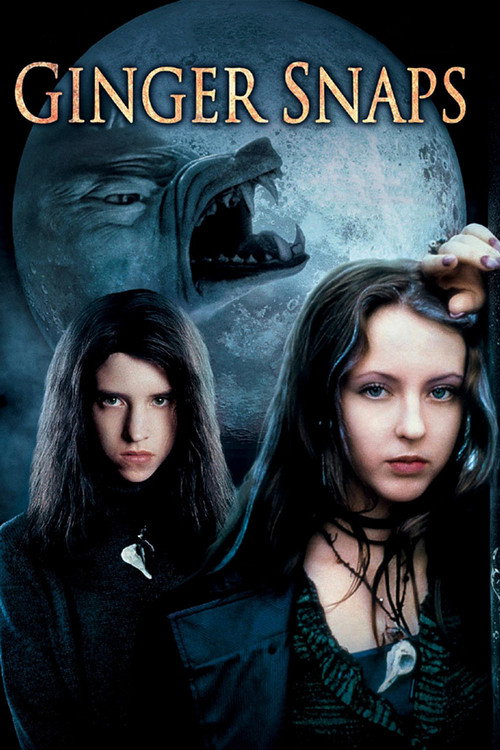
Ginger Snaps2000
Canadian werewolf film that uses lycanthropy as metaphor for female puberty and self-harm. Darkly funny, grounded in genuine teenage alienation, and surprisingly smart about bodies you don't recognize.
But It's more genre film than art film. If you need serious tone and artistic pretension, the horror-movie scaffolding may feel reductive.
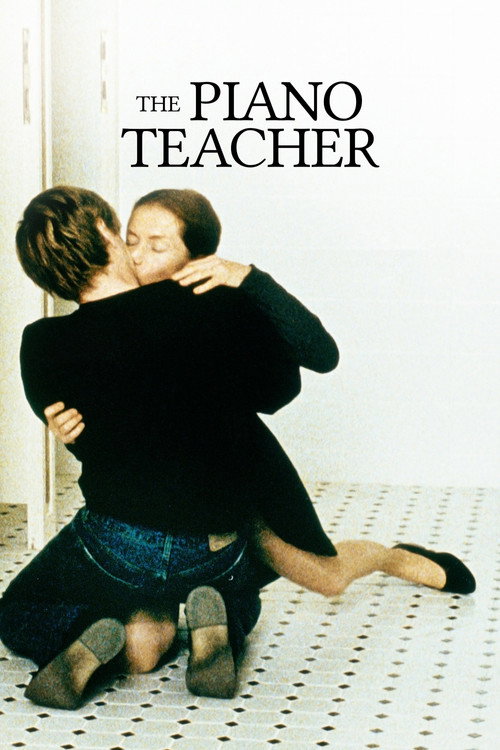
The Piano Teacher2001
Haneke's portrait of a woman whose repression and shame curdle into cruelty. Another Austrian/German film about masochism and the body's betrayals. Glacial, precise, absolutely merciless.
But It's intellectually punishing. There is no catharsis and Haneke offers no mercy or explanation, which some experience as coldness masquerading as depth.
Antichrist2009
Von Trier again, but this time exploring grief, guilt and misogyny through extreme body horror and symbolism. Shocking visuals in service of real emotional damage. Daring in ways most films aren't.
But Graphic genital mutilation. This isn't for shock value—it's thematic—but it's still a barrier some viewers won't cross, and fairly.

Under the Skin2014
Glazer's alien seduction-abduction film is about bodily autonomy and predation rendered in atmosphere and silence. Alienation from one's own body becomes alienation from the world. Hypnotic and deeply strange.
But It's glacially paced, deliberately oblique, and refuses to explain itself. Some viewers find it pretentious; others find incomprehensibility isn't the same as depth.

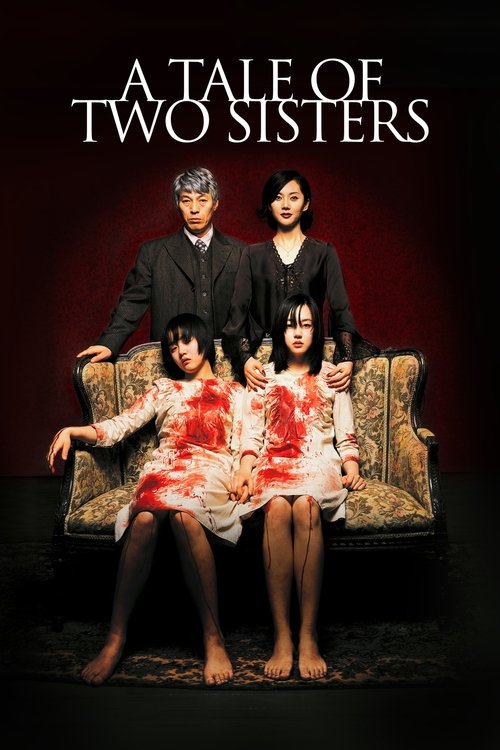
A Tale of Two Sisters2003
Korean horror about two girls navigating trauma and maternal violence. Uses mirrors, doubling and body distortion to externalize psychological fracture. Beautiful, troubling, poetic in how it renders damaged minds.
But The narrative intentionally fractures and loops back on itself. If you need clear plot resolution, you'll leave frustrated and possibly confused.
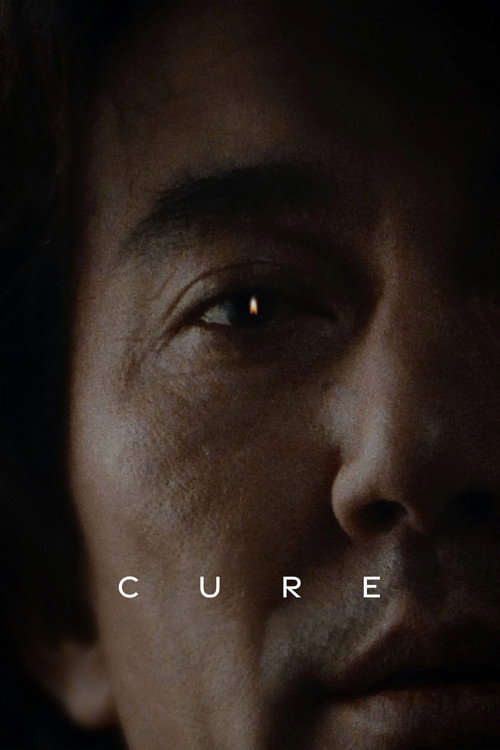
Cure1997
Both explore the boundary between self-destruction and murder—whether harm to oneself is agency or compulsion, choice or infection. Both suggest the answer is murkier than we want it to be.
Kurosawa's Japanese psychological thriller about a serial killer who makes others do his murders for him by exploiting their own self-destruction. The body as weapon turned against itself. Terrifying, minimal, gets under your skin in ways that linger.
But It's slow, meditative, and deliberately vague about what's really happening. If you need answers and forward momentum, the drift will drive you mad.
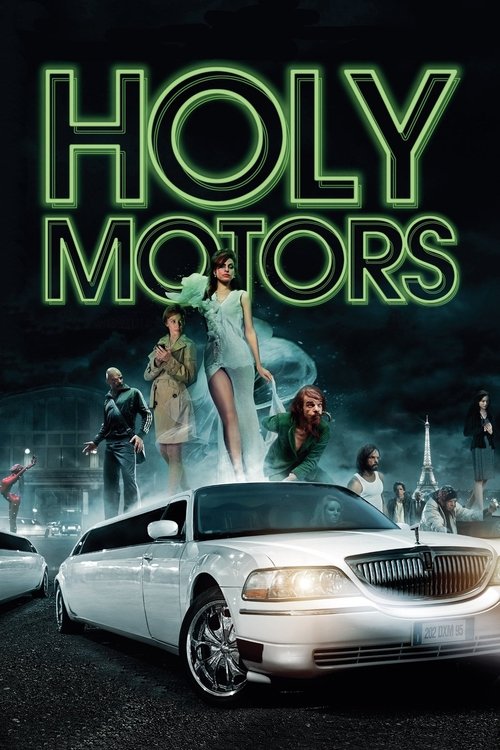
Holy Motors2012
Where *In My Skin* traps you inside one body's dissolution, *Holy Motors* sprints joyfully through multiplicity and reinvention. Both are about bodies as the site of selfhood—but one asks 'who is trapped in here?' and the other asks 'who am I today?'
Carax's dreamlike film about an actor who travels through Paris performing different lives, different bodies, different desires. It's about identity as performance and the body as costume—the exact inverse of de Van's visceral internalisation. Hallucinatory, funny, radiant with strangeness.
But It's avant-garde, episodic, and surreal. There's no conventional narrative. Some people call this freedom; others call it formlessness.
People
Cast
 Marina de VanEsther
 Laurent LucasVincent
 Léa DruckerSandrine
 Thibault de MontalembertDaniel
 Dominique ReymondLa cliente
 Bernard AlaneClient
 Marc RioufolHenri
- François LamottePierre
 Adrien de VanL'intern
 Alain RimouxLe pharmacien
Directing
- Marina de VanDirector
Writing
- Marina de VanScreenplay
Production
- Brigitte MoidonCasting
- Laurence FarencProducer
Recommended by
Sherwood, The Girl Before, Empire of Light, Rebus, Murderous Maids, Kiss of the Dragon, Appropriate Adult, Frankenstein's Army, The Gentle Gunman, The Guard Post, Reckless, Braid, Midnight Sun