
Film
The Gentle Gunman
A tense 1952 British thriller about two IRA brothers whose bond fractures over ideology: one committed to violent action, the other wrestling with conscience. Spare, morally serious, and quietly intense, it's a character study disguised as a crime drama—the kind of film where tension builds from conversation rather than spectacle. For viewers drawn to political complexity and intimate conflict.
If you liked this
The Third Man1949
Orson Welles and Joseph Cotten navigate moral ambiguity and betrayal in post-war Vienna. Like The Gentle Gunman, it's a thriller where ideology and loyalty collide, built on atmosphere and psychological tension rather than action.
But The pacing is deliberate, even languid by modern standards. If you need momentum, this will feel like watching paint dry.

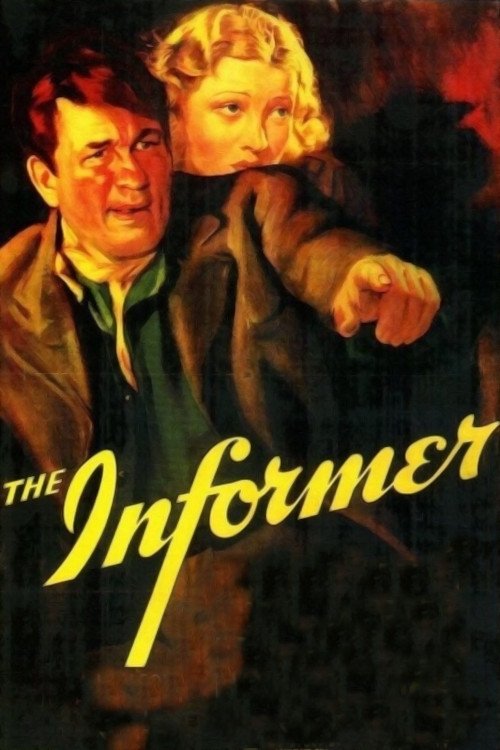
The Informer1935
A man torn between political loyalty and personal survival betrays the IRA; John Ford's exploration of conscience and consequence. It shares the same moral crucible and Irish political context, though in starker visual language.
But The theatrical style is very 1930s. The sentimentality may feel distant compared to post-war restraint.
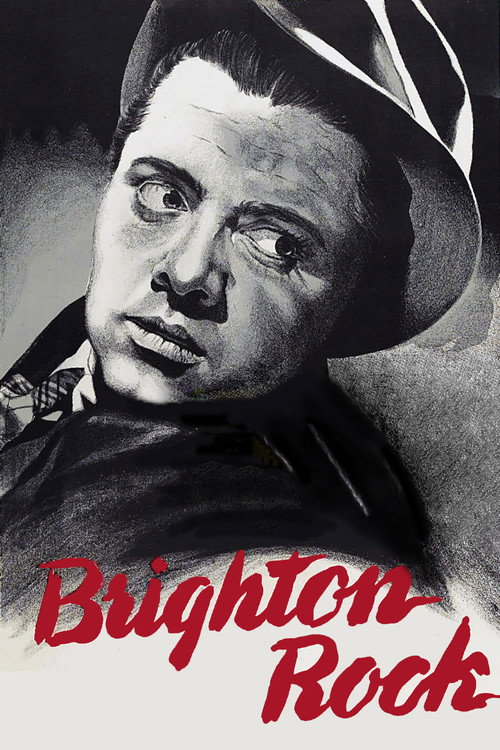
Brighton Rock1948
Graham Greene's story of a young criminal prodigy and moral corruption in seaside England. Like Gentle Gunman, it examines how violence corrupts ideology, featuring intense male relationships and Catholic guilt.
But The ending is bleak in ways that feel almost unresolved. Some find the young lead unlikeable rather than compelling.
Not sure tonight? Get a pick in a minute, starting from The Gentle Gunman
The wildcard
Something you would not have found on your own.
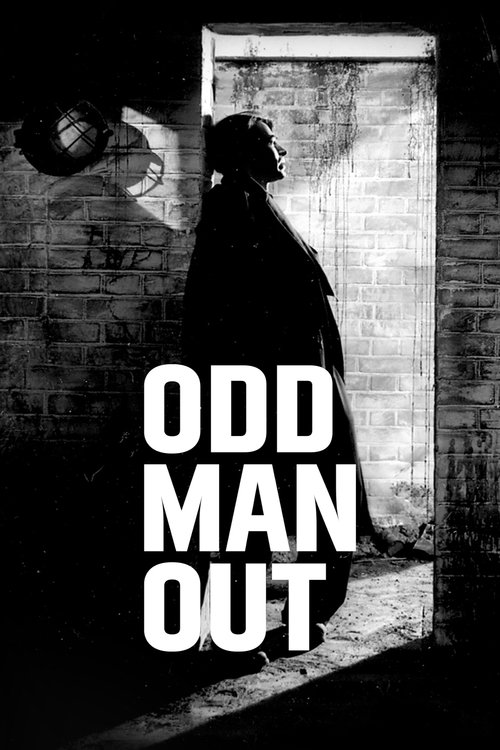
Odd Man Out1947
Both explore the IRA through the specific weight of individual conscience rather than historical grandstanding; both British films wrestling with Irish political violence through intimate human lens rather than spectacle.
Carol Reed's masterpiece: a wounded IRA gunman stumbles through Belfast's underworld, hunted and dying. It's Gentle Gunman's spiritual inverse—not brothers debating violence, but a man alone with its consequences, rendered in expressionist visual poetry.
But It's relentlessly bleak and slow. The protagonist is violent and morally compromised. If you need someone to root for, this offers none.
More like this (8)
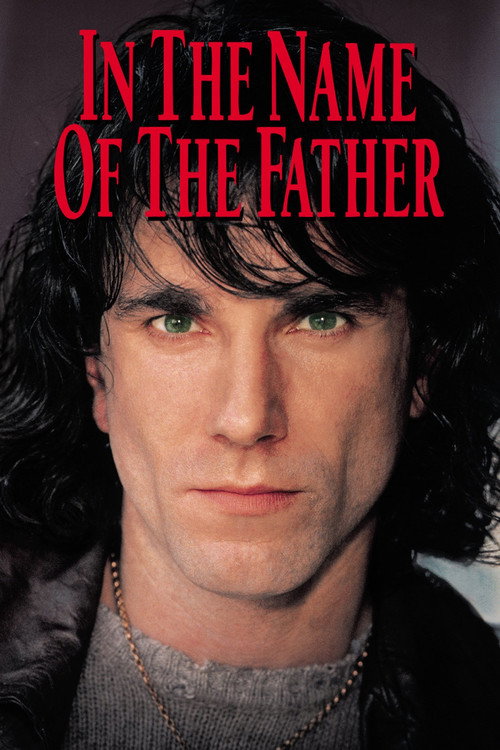
In the Name of the Father1993
A father and son caught in the IRA's shadow; Jim Sheridan's film grapples with political violence, family loyalty, and wrongful conviction with genuine emotional weight and historical sting.
But It's more mainstream and less morally ambiguous than Gentle Gunman. Some feel it resolves too neatly for the complexity it raises.
The Killing1956
Kubrick's heist noir about criminal schemes unraveling under pressure. It shares Gentle Gunman's interest in masculine camaraderie tested by circumstance, told with cold precision and minimal sentiment.
But It's a crime procedural first, not a moral inquiry. If you're after character psychology over plot, you may feel shortchanged.

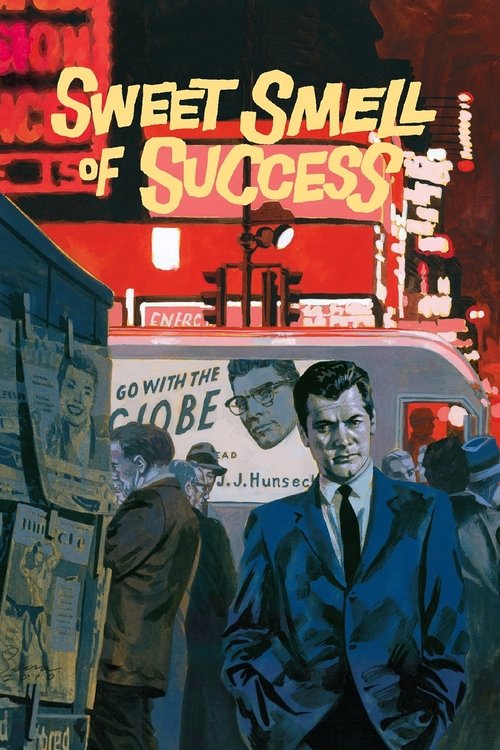
Sweet Smell of Success1957
A ruthless columnist and his ambitious fixer navigate betrayal and moral compromise in Manhattan's underworld. Like Gentle Gunman, it's a study of how corruption corrodes relationships, with dialogue that cuts like glass.
But The cynicism is total and unrelenting. There's no warmth here, and some viewers find that exhausting rather than exhilarating.
The Asphalt Jungle1950
Huston's crime masterpiece about a heist gone wrong and men undone by circumstance. It has the same ensemble focus on masculine bonds under pressure, minimal moralizing, just consequence.
But The narrative is plot-driven rather than psychological. If you want interior conflict, the film keeps its distance.

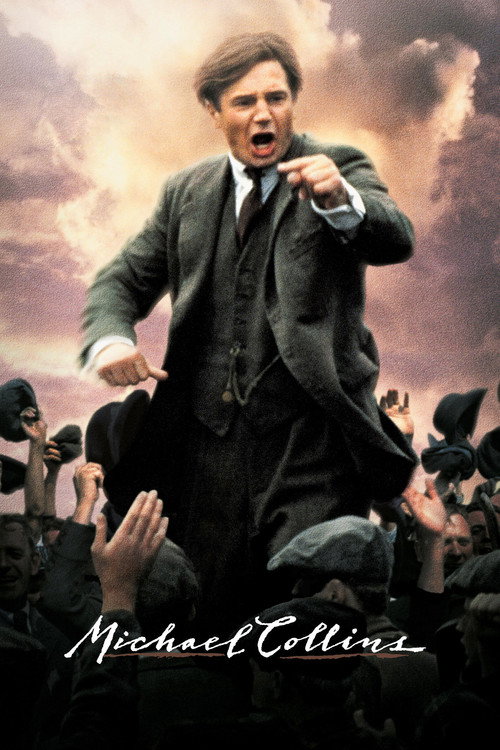
Michael Collins1996
Neil Jordan's epic tackles the Irish independence struggle and the personal cost of revolutionary violence. It's the larger canvas version of Gentle Gunman's intimate moral question—what does violence do to you?
But It's a big historical film with melodramatic peaks. The subtlety gets occasionally swallowed by period spectacle.
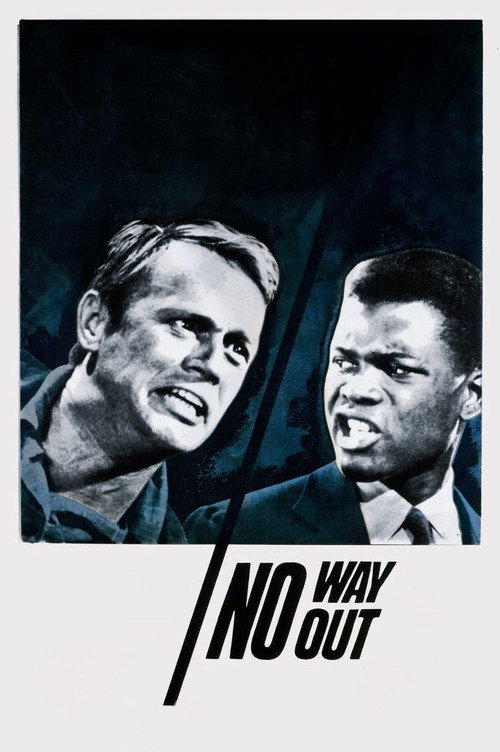
No Way Out1950
A Black doctor is falsely accused of a crime in a segregated hospital; Dassin's thriller about institutional racism and masculine honor plays similar games with loyalty and confession under pressure.
But The racial politics are earnest rather than complex by modern standards. It can feel more like a message film than a character study.
In My Skin2002
Both films show violence emerging from conviction rather than malice, and both maintain an unflinching, unsentimental gaze on the person who enacts it. Where one asks if political violence can be justified, the other asks the same about bodily violence.
A woman's descent into self-harm told with surgical precision and no moral judgment. Audrey Sorel's film is a portrait of how ideology—in this case, bodily autonomy—can justify violence, the way Gentle Gunman examines political ideology justifying violence. The form matches the content.
But It's deliberately graphic and uncomfortable. The methodical repetition of self-destruction will alienate many viewers. Not tragic, just observational.

The Battle of Algiers1966
Both treat political violence as a genuine problem to examine rather than a background for plot. Both are made by filmmakers skeptical of easy moral answers. Both ask: when is violence justified, and what does justification cost?
Pontecorvo's documentary-style thriller about the Algerian war for independence. It's radical cinema that refuses to choose sides, presenting both FLN resistance and French counterinsurgency with equal rigor. Like Gentle Gunman, it's genuinely interested in whether violence works, not whether it's righteous.
But It's explicitly political and agitational. The aesthetic is austere, almost didactic. Some experience it as a tract rather than a film.

People
Cast
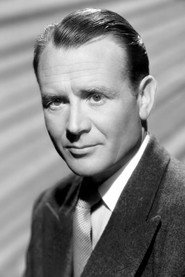 John MillsTerence Sullivan
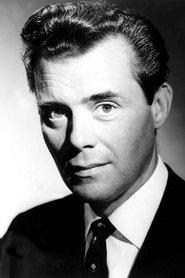 Dirk BogardeMatt Sullivan
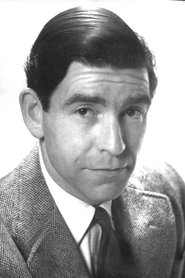 Robert BeattyShinto
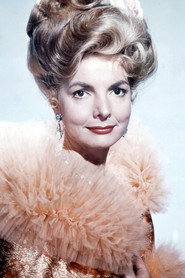 Elizabeth SellarsMaureen Fagan
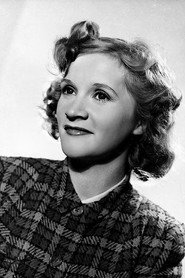 Barbara MullenMolly Fagan
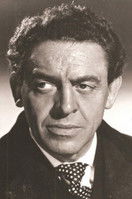 Eddie ByrneFlynn
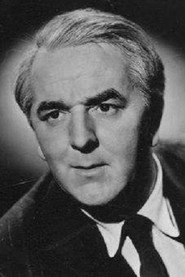 Joseph TomeltyDr Brannigan
- Gilbert HardingHenry Truethome
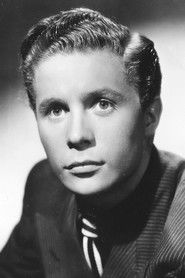 James KenneyJohnny Fagan
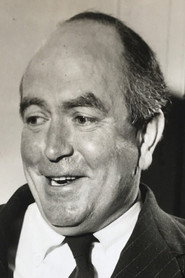 Liam RedmondConnolly
 Jack MacGowranPatsy McGuire
 Michael GoldenMurphy
Directing
- Basil DeardenDirector
Writing
- Roger MacDougallWriter
Production
- Basil DeardenProducer
- Michael RelphProducer