
Film
Moses and Aaron
- Period drama
- Musical
- Slow-burning
Straub and Huillet's monumental adaptation of Schoenberg's unfinished opera, staged in a Roman amphitheater. Moses and Aaron debate God's word while their followers spiral toward idolatry. Rigorous, austere, built from long takes and philosophical argument—a film for viewers who want cinema to demand something.
Should you watch it?
Watch it if you love austere, uncompromising films where ideas are argued in long unbroken takes, and you are happy to let a bitter debate between two men unfold at its own unhurried pace.
Skip it if you need music to carry you along, since this is sung rather than acted, with little movement and a stillness that can feel punishing over its hour and three-quarters.
What it asks of you: Long static shots and a stream of sung argument in one location, with no breathing room, so it wants your full attention from start to finish.
Not sure? Find tonight's pick in a minute.
If you liked this
A Ghost Story2017
Spectral meditation on time, loss, and what we leave behind. Like Moses and Aaron, it uses constraint and stillness to reach toward metaphysical questions ordinary narratives can't touch.
But Plotless and deliberately paced; a white sheet moves through rooms for two hours. Patience isn't optional.

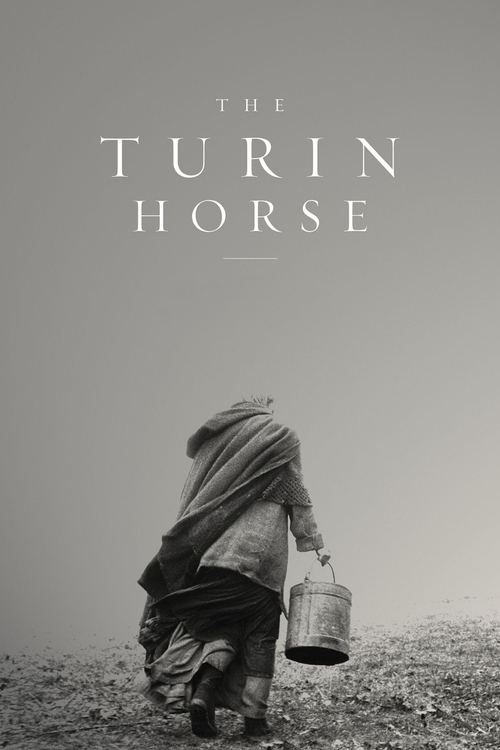
The Turin Horse2011
Béla Tarr's final film, shot in black and white, returns obsessively to the same rooms and questions. Philosophical collapse rendered through repetition and visual austerity. Austere cinema as moral act.
But Bleak, very slow, and deliberately anticlimactic. The world doesn't so much end as grow quieter. Not for viewers seeking catharsis.
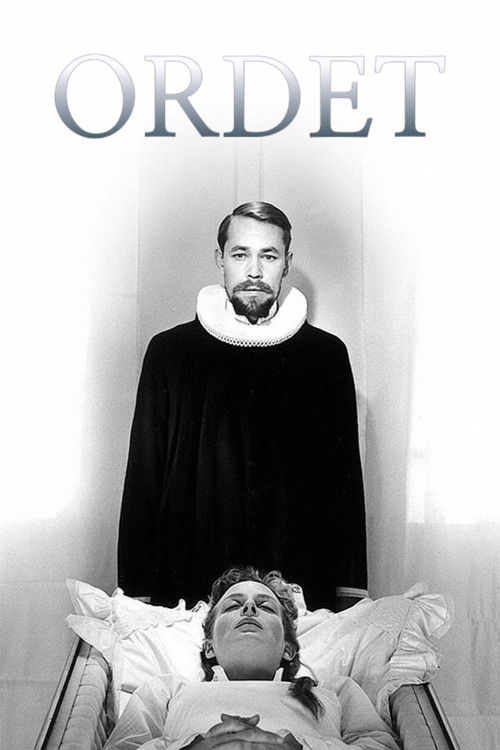
Ordet1955
Dreyer's faith-and-doubt drama, staged like theater, examines belief through long takes and faces. Religious conviction tested against human suffering—the same territory as Moses and Aaron, but warmer.
But Entirely dependent on dialogue and performance; visual repetition may feel static. The resurrection scene divides viewers sharply.
Not sure tonight? Get a pick in a minute, starting from Moses and Aaron
The wildcard
Something you would not have found on your own.
Stalker1979
Both treat cinema as a space for sustained philosophical inquiry rather than entertainment. Both use framing and duration as arguments. Both circle questions of faith, desire, and what we actually want without offering consolation.
Tarkovsky's guide leads two men through a mysterious zone toward a room that grants wishes—or doesn't. A spiritual journey conducted through landscape, weather, and philosophical digression. Cinema as meditation and interrogation.
But Extremely long, elliptical, and plotless. Nothing is explained. The whole film is tone and waiting. Patience isn't just recommended; it's required for the experience to register.

More like this (4)
The Seventh Seal1957
Bergman's knight plays chess with Death while debating God's silence and presence. Medieval setting, philosophical rigor, iconic imagery. A spiritual interrogation that actually grips you.
But Dated symbolism; the allegory occasionally overwhelms character. Feels like encountering a classic rather than discovering something alive.

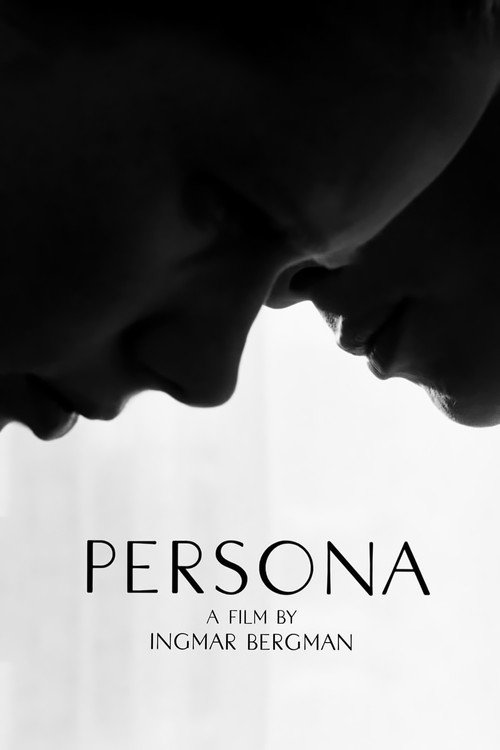
Persona1966
Bergman's two women in isolation, one silent, one speaking endlessly. What is identity? What passes between people? Devastating formal innovation and psychological depth combined.
But Abstract, hermetic, emotionally exhausting. The ambiguity won't resolve. Some viewers find it pretentious rather than profound.
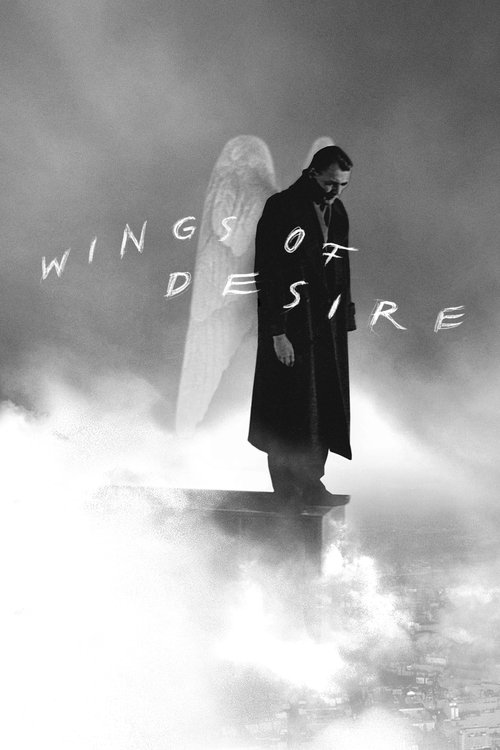
Wings of Desire1987
Wenders' angels watch over Cold War Berlin, meditating on mortality, human suffering, and the divine. Gorgeous, philosophical, accessible without compromising its vision. Cinematically rapturous.
But Episodic and digressive; the plot barely moves. The dreamy pace and oblique narrative may feel aimless rather than searching.
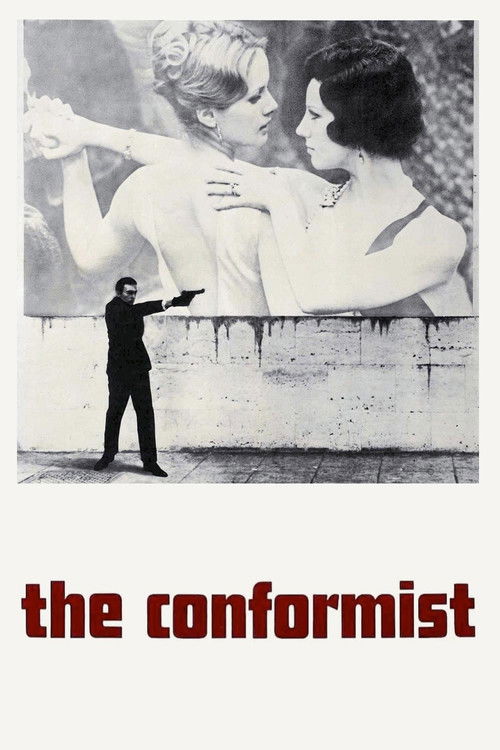
The Conformist1971
Both examine how ideology and desire bind communities together. Both use formal precision—repetition, long takes, architectural framing—to express philosophical ideas. Both ask what we surrender when we follow.
Bertolucci's Fascist protagonist, filmed in Expressionist geometry and Technicolor luxury, desires normality and chooses complicity. A political-philosophical thriller about the seduction of submission—ideology as aesthetic experience.
But Visually baroque in ways that can feel dated; the politics are embedded in formal choices rather than stated clearly. Some viewers find the style overwhelming the substance.
People
Cast
- Günter ReichMoses
- Louis DevosAron
- Eva CsapoJunges Mädchen
- Roger LucasJunger Mann
- Richard SalterAnderer Mann
- Werner MannPriester
- Ladislav IlavskyEphraîmit
- Elfriede ObrowskyKranke
- Helmut BaumannTänzer
- Jürg BurthTänzer
- Nick FrarrantTänzer
- Wolfgang KeglerTänzer
Directing
- Danièle HuilletDirector
- Jean-Marie StraubDirector
Writing
- Arnold SchönbergOpera
- Danièle HuilletScreenplay
- Jean-Marie StraubScreenplay
- Arnold SchönbergStory
Production
- Danièle HuilletProducer
- Jean-Marie StraubProducer