
Film
Labyrinth of Lies
A German legal thriller about a young prosecutor in 1950s Frankfurt who reopens the case against Nazi war criminals, only to discover how deep the cover-up runs through postwar society. Meticulous, tense, and morally complicated—less about courtroom drama than about institutional corruption and who benefits from forgetting.
Should you watch it?
Watch it if you want a slow-burning procedural where the drama lives in paperwork, interviews and a young man's growing unease rather than in courtroom fireworks.
Skip it if you need a fast pace or a clear hero to root for, since the film grinds through records and resistance and its protagonist is often more frustrated than triumphant.
What it asks of you: Two hours of patient, dry investigation with little relief; it rewards close attention to who says what in each interview, and it rarely lets the mood lift.
Not sure? Find tonight's pick in a minute.
If you liked this
Spotlight2015
A Boston Globe team investigates systemic abuse in the Catholic Church, exposing how institutions protect their own. Like Labyrinth, it's about institutional power and the slow, methodical work of uncovering what everyone preferred hidden.
But Procedurally dense and deliberately paced; if you need immediate emotional payoffs, the grinding documentary tone may feel cold.

The Lives of Others2006
East German secret police surveillance becomes a moral inquiry into complicity and conscience. Both films ask: how do good people become part of corrupt systems, and when can they refuse?
But Spare, cerebral, and deeply pessimistic about the possibility of real change. Not uplifting.

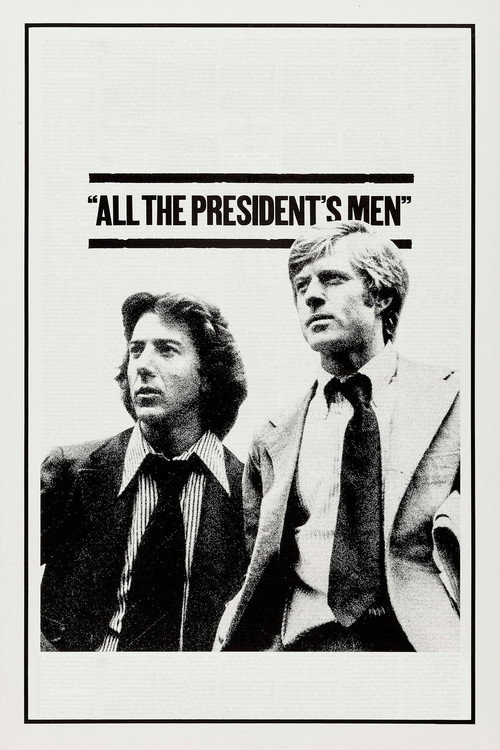
All the President's Men1976
Washington Post journalists pursue Watergate with the same patient, obsessive investigative logic. It has Labyrinth's rhythm: small detail leading to bigger truth, officials denying everything until they can't.
But Dated cinematography and pacing; if you want thriller momentum rather than procedural satisfaction, you'll find it slow.
Not sure tonight? Get a pick in a minute, starting from Labyrinth of Lies
The wildcard
Something you would not have found on your own.
Shoah1985
Both works refuse the comfort of neat closure. They ask what accountability actually means when institutions and individuals have spent years not seeing. Shoah is the existential weight behind the legal procedures in Labyrinth.
Claude Lanzmann's nine-hour documentary consists entirely of interviews with witnesses, perpetrators, and survivors of the Holocaust. No archive footage, no narration—only testimony. Where Labyrinth shows the German legal system reluctantly facing its past, Shoah insists on the full weight of that reckoning through direct testimony.
But Nine hours. Deliberately difficult, repetitive, and glacially slow. Lanzmann wanted the viewer to experience something of what denial and evasion feel like. This is not a film to consume; it's an endurance test that demands attention.

More like this (8)
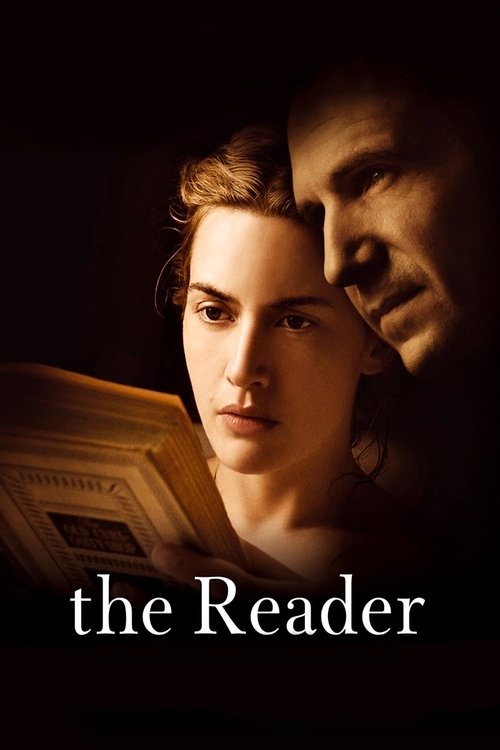
The Reader2008
A man discovers his former lover was a Holocaust perpetrator, forcing him to reckon with complicity and what forgiveness might mean. Shares Labyrinth's refusal to let characters off easily.
But Controversial in how it portrays perpetrators with intimacy. Some viewers find it morally compromised; it will provoke rather than console.
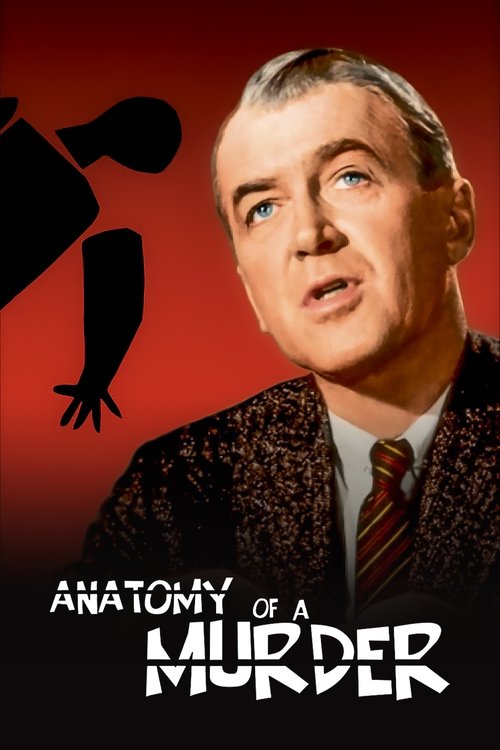
Anatomy of a Murder1959
A small-town defense attorney takes on a complex, morally gray case that challenges assumptions about guilt and the law's actual function. Like Labyrinth, it respects legal procedure as drama.
But Over three hours and in black-and-white; legal argument takes precedence over action or emotion.
The Act of Killing2012
A documentary where Indonesian death-squad leaders re-enact their own murders. Unbearably tense, it asks similar questions about how societies normalize atrocity and refuse accountability.
But Extremely difficult to watch. The casual evil on display is not performed—it's real men being themselves. Not entertainment.

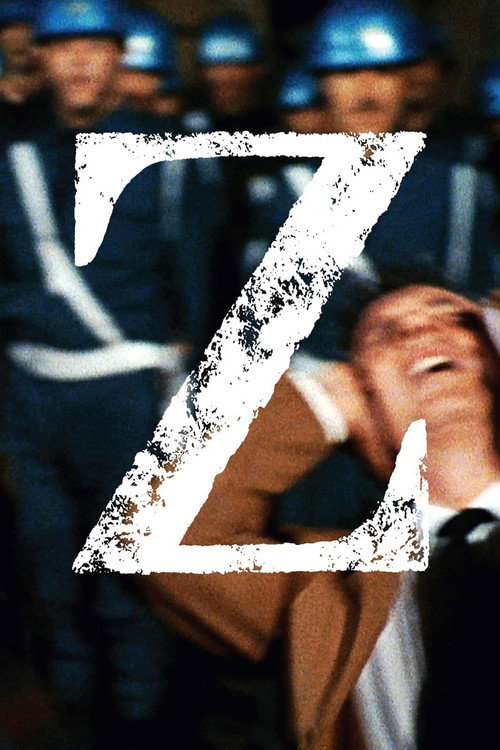
Z1969
A Greek political thriller about the assassination of a progressive politician and the cover-up that follows. Restless, conspiratorial editing mirrors Labyrinth's paranoia about state power.
But Cold War allegory in a 1960s style; the politics are specific to Greece and the moment, which may feel historically remote.
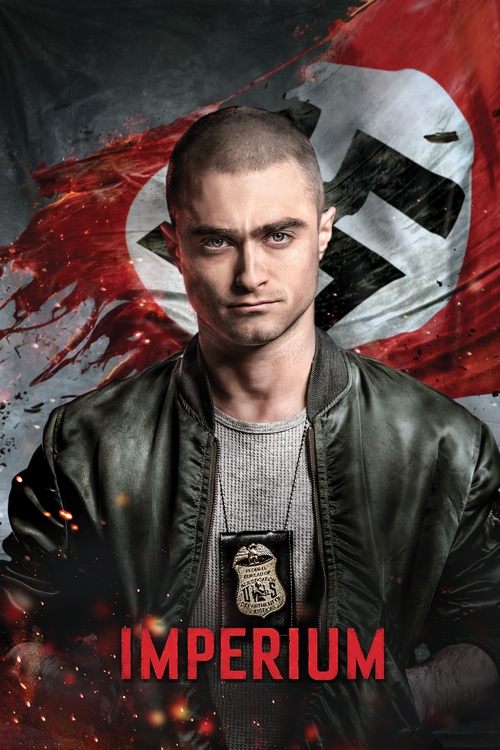
Imperium2016
An FBI agent infiltrates white-supremacist groups. Like Labyrinth, it's about a lone official trying to pursue justice while institutions resist and the conspiracy runs wider than expected.
But Grittier and more pulpy than Labyrinth; the thriller elements sometimes overwhelm the legal and moral examination.
The Third Man1949
Post-WWII Vienna, black market, moral ambiguity, and a stranger uncovering conspiracies. Sets the mood for every postwar European noir that follows, including Labyrinth's DNA.
But A classic that can feel distant and mannered; if you need contemporary pacing and clarity, it may feel precious.

A Prophet2009
If Labyrinth shows an idealistic prosecutor discovering that the system is rigged, A Prophet shows a prisoner discovering he can learn to rig it himself. Both demystify institutions.
A young Algerian-French man imprisoned in a French prison becomes a political operator, learning to navigate and exploit systemic corruption from within. Instead of investigating the system from outside (as in Labyrinth), the protagonist learns to master it. Both are about how power actually works beneath the official story.
But Brutal prison drama with graphic violence and sexual assault. The tone is hardened and cynical; there's no moral uplift, only survival and accumulation of power.

Stalker1979
Both Labyrinth and Stalker are about the architecture of institutions and how they hide what they don't want found. Stalker asks: would you want to know, if knowing changes everything? Labyrinth asks: why do we work so hard not to know?
Andrei Tarkovsky's science-fiction meditation on desire, truth, and institutions: a guide leads two men through a forbidden zone toward a mysterious room that grants wishes. Hypnotic, philosophical, completely unlike a legal thriller. Yet both concern investigators moving through systems that resist revelation, where the closer you get to truth, the less certain you become of what truth is.
But 163 minutes, mostly quiet walking and conversation, with long takes of empty spaces. No plot momentum. If you need narrative drive or resolution, you will hate this. It's a work of profound patience.

People
Cast
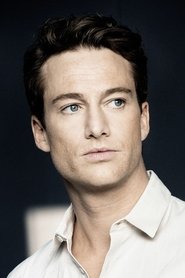 Alexander FehlingJohann Radmann
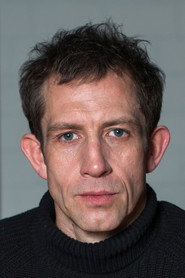 André SzymanskiThomas Gnielka
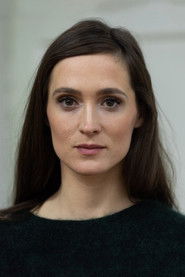 Friederike BechtMarlene Wondrak
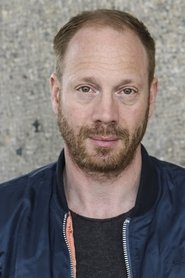 Johann von BülowStaatsanwalt Otto Haller
 Hansi JochmannSekretärin Schmittchen
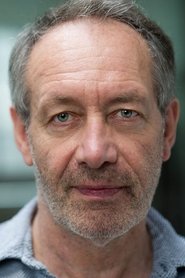 Robert Hunger-BühlerOberstaatsanwalt Walter Friedberg
- Gert VossGeneralstaatsanwalt Fritz Bauer
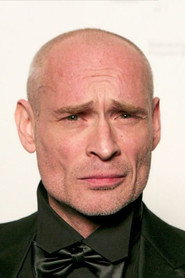 Johannes KrischSimon Kirsch
- Peter CieslinskiAmtsrichter
- Josephine EhlertConny
- Elinor EidtKathi
- Christian FurrerJunger Polizist
Directing
- Giulio RicciarelliDirector
Writing
- Elisabeth BartelWriter
- Giulio RicciarelliWriter
Production
- Jakob ClaussenProducer
- Sabine LambyProducer
- Ulrike PutzProducer
- Elisabeth BartelResearcher