
Film
Imperium
Radcliffe plays an FBI analyst who goes undercover into a white supremacist cell to prevent a terror attack. It's a taut, unglamorous procedural about the psychological toll of inhabiting evil—watching someone's moral core fray under the weight of a false identity. For viewers who want their thrillers grounded in real stakes and moral complexity.
Should you watch it?
Watch it if you like slow-building undercover thrillers where the real tension is a man slowly losing track of who he is, and you don't need the danger spelled out with gunfire.
Skip it if you want the rush of a heist or a clear-cut hero, since this is measured, talky and bleak about the ideology it studies, with little release along the way.
What it asks of you: Expect a little under two hours of patient scenes, mostly wary conversations in close rooms, where the tension builds through what goes unsaid rather than through sudden action.
Not sure? Find tonight's pick in a minute.
If you liked this
Spotlight2015
Meticulous ensemble journalism thriller about uncovering institutional abuse. Shares Imperium's forensic approach to exposing ugliness and its refusal to sensationalize—just following the work, the frustration, the small victories.
But Some find it procedurally dry despite the subject matter. It's more about process than propulsion, which can feel slow if you want momentum over meaning.

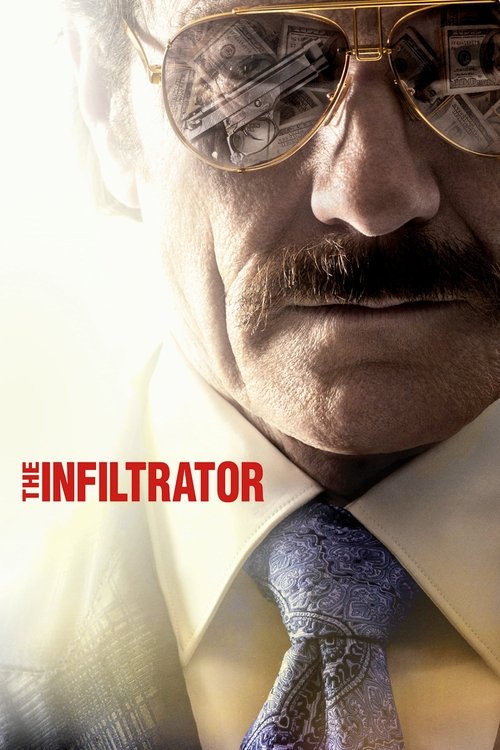
The Infiltrator2016
Bryan Cranston as a DEA agent in deep cover, eroding under the performance. Similar architecture: a good man forced to convincingly embody corruption, watching his real self slip. Tense and quietly devastating.
But The crime world it depicts can overshadow the psychological angle for some viewers. It's less interested in philosophy than Imperium, more interested in surviving the next transaction.
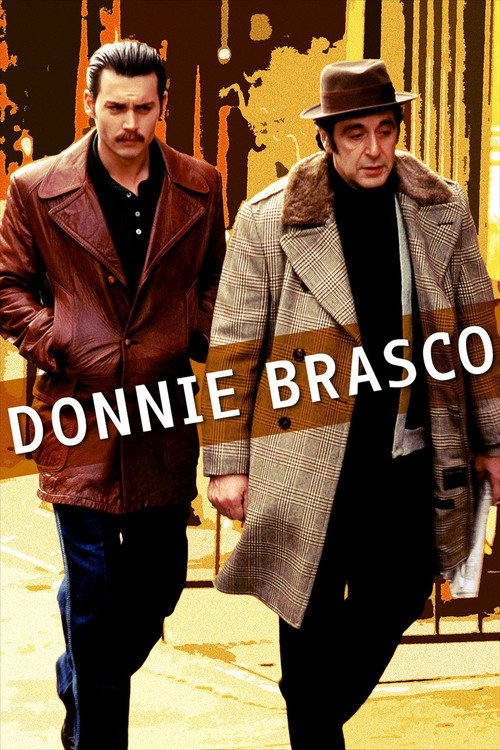
Donnie Brasco1997
Pacino and Depp explore what happens when an undercover cop becomes too good at being a mobster. The definitive film about cover identities fracturing your sense of self. Emotionally layered and unexpectedly tender.
But It's period-specific (1980s New York mob) which can feel more romantic than Imperium's contempt for its subject. Some find it sentimental about loyalty in ways that date it.
Not sure tonight? Get a pick in a minute, starting from Imperium
The wildcard
Something you would not have found on your own.
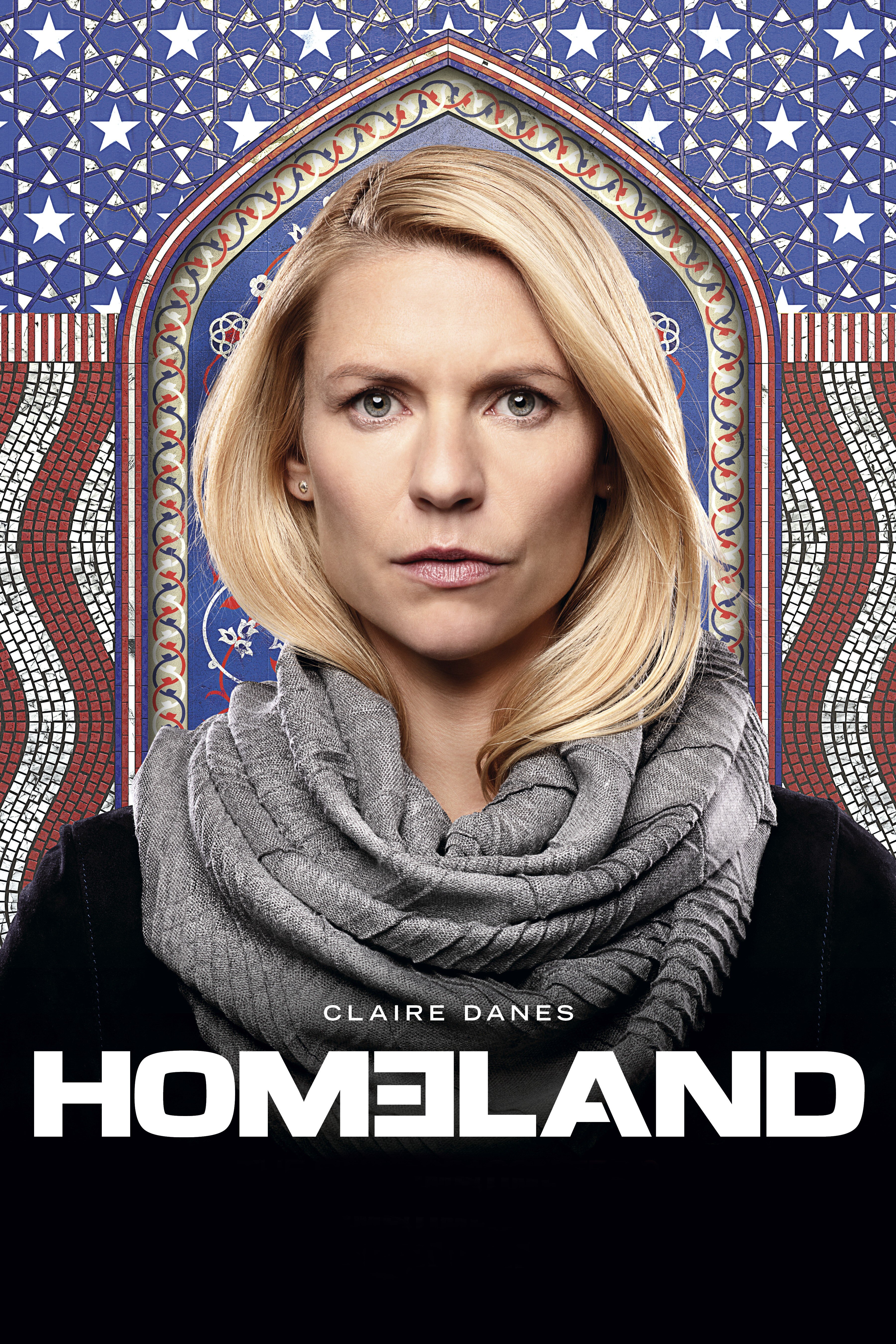
Homeland2011
Both are about the professional cost of knowing people aren't what they claim. Both use surveillance and false identity as their moral engine, not their plot scaffolding.
Claire Danes as a CIA officer tracking a turned American soldier. The supreme television achievement in undercover psychology—eight seasons of watching people's identities splinter under surveillance, moral ambiguity, and institutional pressure. Imperium concentrates this into two hours; Homeland spirals into it.
But Seasons 3-5 deteriorate into soap opera. The show loses disciplinary focus and some viewers abandon it before the later recovery. You'll hear warnings about binge-stopping.
More like this (8)
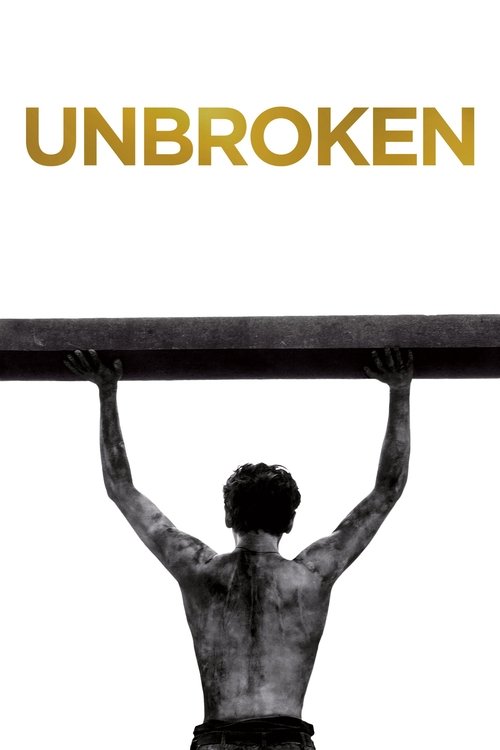
Unbroken2014
Angelina Jolie's film about an Olympian in a WWII POW camp. Shares Imperium's fascination with how ideology breaks people—in this case, through systematic dehumanization rather than undercover work.
But It's more conventional biopic heroism than psychological interrogation. The inspirational arc can feel at odds with the brutality it's depicting.
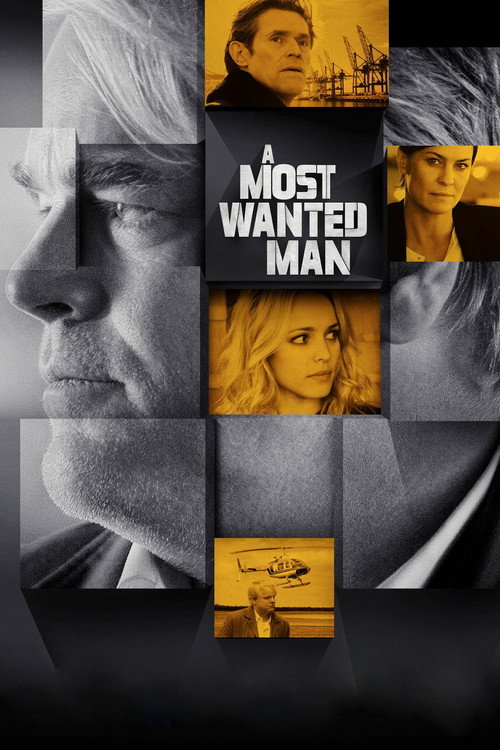
A Most Wanted Man2014
Le Carré adaptation with Philip Seymour Hoffman as a burnt-out spy handler navigating post-9/11 paranoia. Shares the film's skepticism about institutional morality and the cost of being good within corrupt systems.
But Very talky, very unglamorous spy work. If you want action, this is surveillance reports and weary conversations. It moves on Hoffman's exhaustion, not plot.
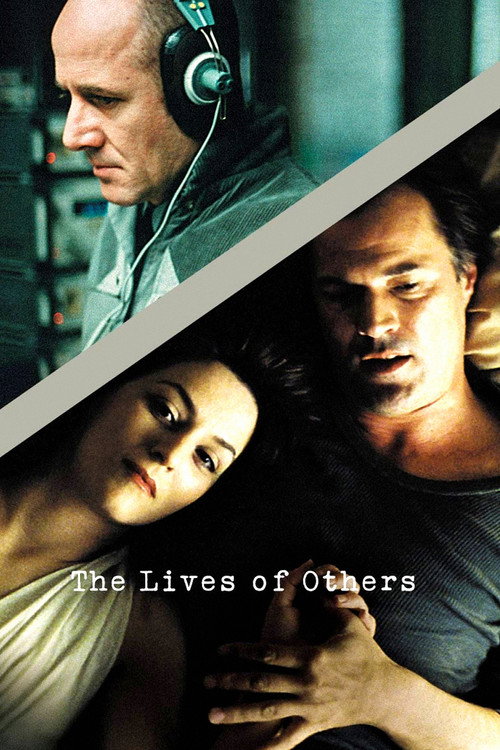
The Lives of Others2006
Stasi agent assigned to surveil a playwright begins questioning his regime. The mirror-image of Imperium: someone going undercover into moral conviction rather than out of it. Extraordinarily sustained tension about identity and loyalty.
But German film, subtitled, and deliberately paced. The reward is spiritual rather than thrilling—some viewers find it glacial rather than gripping.
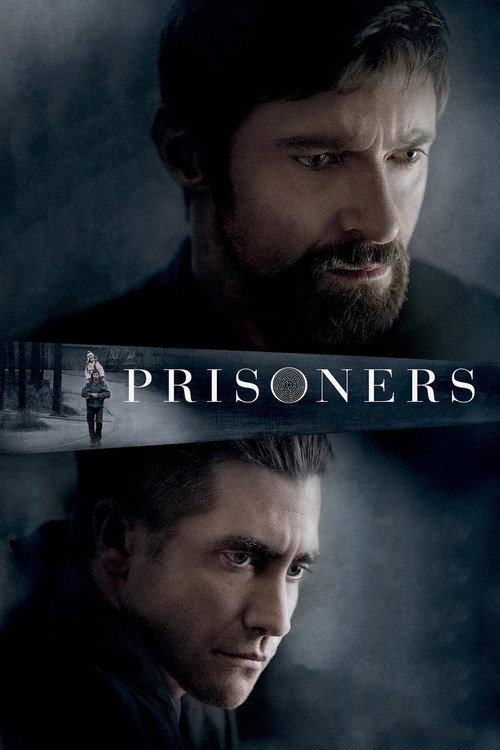
Prisoners2013
Villeneuve's kidnapping thriller about a father's descent into complicity. Asks hard questions about what good people do when the system fails—thematically aligned with Imperium's interest in moral erosion under pressure.
But Brutally dark and deliberately unpleasant. It doesn't offer catharsis or resolution, just escalating choices with no good options. Leaves you shaken rather than satisfied.
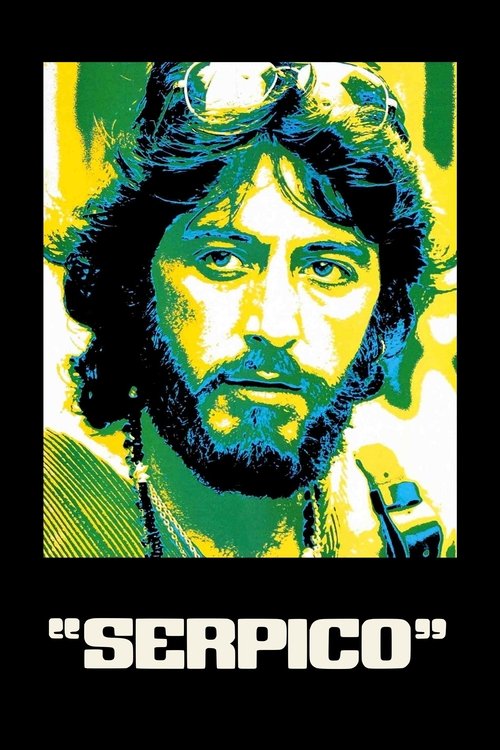
Serpico1973
Pacino as a cop trying to expose police corruption from inside the institution. The original moral undercover drama. His alienation mirrors Foster's—the lonely cost of refusing to compromise.
But It's 1970s police-procedural pacing, which means long stretches of meetings and bureaucracy. The political argument matters more than character movement.
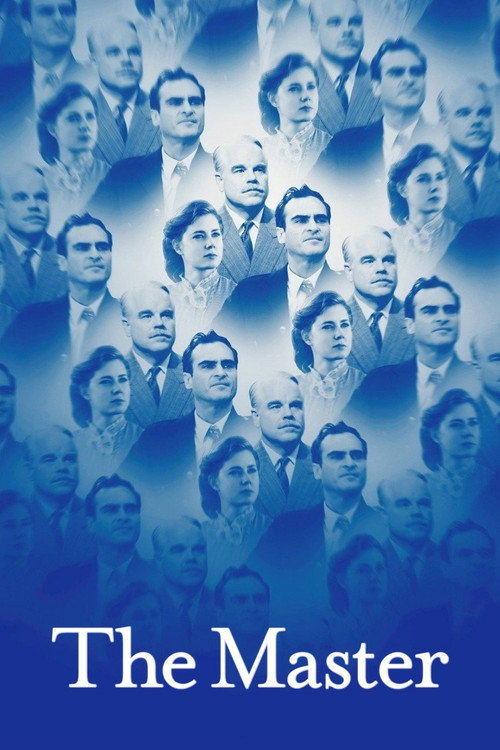
The Master2012
Anderson's film about a drifter drawn into a cult-like movement. Philip Seymour Hoffman as a charismatic ideologue. Mesmerizing study of how belief systems colonize identity—thematically echoes Imperium's interest in radicalization.
But It's deliberately obtuse and aesthetically demanding. If you don't find Anderson's visual and narrative style hypnotic, it reads as pretentious emptiness about unpleasant people.
Winter Light1963
Both protagonists are performing conviction they don't feel for institutional purposes. Both films are about the interior cost of that performance—the moment you can't distinguish the role from the self.
Bergman's film about a pastor losing faith while his congregation looks to him for spiritual certainty. Not a thriller—it's almost static, observational. But it's the definitive study of someone maintaining an identity they no longer believe in while others depend on the performance.
But Glacially slow, theologically dense, emotionally austere. If you want narrative, you're watching the wrong film. Bergman is interested in spiritual exhaustion, not plot. Audiovisually it's grey and spare.

The Act of Killing2012
Like Imperium, it's fascinated by how people live inside a false version of themselves, and what happens when the performance becomes too real. Both ask: can you rehearse evil without becoming it? What's the difference?
Joshua Oppenheimer's documentary about Indonesian death-squad leaders asked to reenact their mass murders as entertainment. Horrifying and strangely profound—watching killers perform themselves is oblique but devastating exploration of identity, ideology, and how people narrativize their own monstrosity.
But Documentary, not drama. Genuinely disturbing without being exploitative—the discomfort is the point. Some viewers find it unwatchable. It's also long and demands active moral engagement.

People
Cast
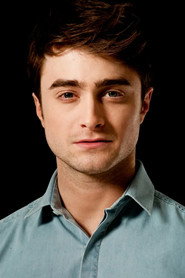 Daniel RadcliffeNate Foster
 Toni ColletteAngela Zampino
 Tracy LettsDallas Wolf
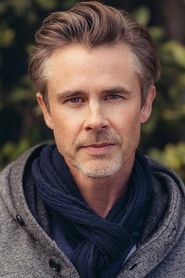 Sam TrammellGerry Conrad
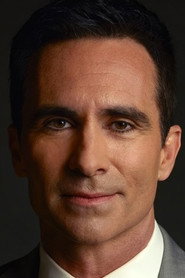 Nestor CarbonellTom Hernandez
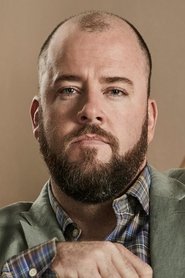 Chris SullivanAndrew Sheehan
 Seth NumrichRoy
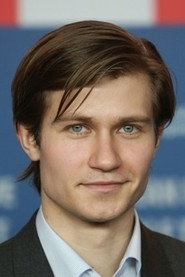 Pawel SzajdaVince Sargent
 Devin DruidJohnny
 Burn GormanMorgan
- Adam MeierFrank Hedges
- Roger YawsonUsman
Directing
- Daniel RagussisDirector
- Chad RosenFirst Assistant Director
- Anna AsherScript Supervisor
- Eric HollenbeckSecond Assistant Director
Writing
- Michael GermanStory
- Daniel RagussisWriter
Production
- Lois J. DrabkinCasting
- Matthew LessallCasting
- Susan ShopmakerCasting
- Darius CampbellCo-Executive Producer
- Ryan S. BlackCo-Executive Producer
- Francisco OrdonezCo-Producer
- Michael GermanCo-Producer
- Borislav RanghelovLine Producer
- Carl HickersonLocation Manager
- Ilana CheyfitzPost Production Coordinator
- Gretchen McGowanProduction Executive
- Michele LombardiProduction Office Coordinator
- Brett CranfordUnit Production Manager