
Film
Fatherland
- Conspiracy thriller
- Dystopian sci-fi
- Very dark
A 1994 alternate-history thriller set in a 1960s Nazi-victorious world where an American journalist and a German detective uncover suppressed genocide evidence. Rutger Hauer carries this tense, atmospheric film with grim intelligence, balancing procedural intrigue against the weight of its historical horror. For viewers who find speculative darkness compelling when executed with restraint.
Should you watch it?
Watch it if you enjoy alternate-history thrillers that build a conspiracy out of quiet procedural detail, where a cop's dogged questions matter more than explosions and the dread creeps in slowly.
Skip it if you want a war film with combat or a fast, escalating chase; this one is talky and investigative, and its suspense depends on paperwork, phone calls and tense conversations rather than set pieces.
What it asks of you: Settle in for about an hour and three-quarters of patient, grey-toned investigation, where the mood is cold and watchful and you need to keep track of who is lying to whom.
Not sure? Find tonight's pick in a minute.
If you liked this
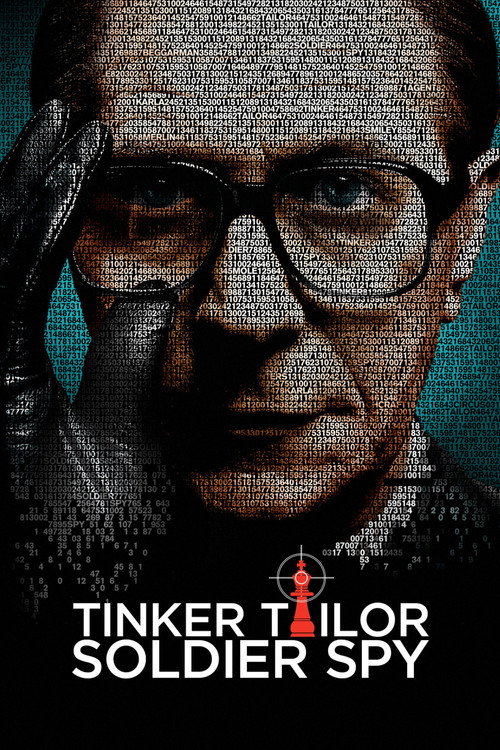
Tinker Tailor Soldier Spy2011
Gary Oldman's glacial, intelligent spy pursues truth through fog and bureaucracy. Like Fatherland, it's a slow-burn thriller where conversation and observation matter more than action, and moral clarity dissolves in ambiguity.
But The pacing is deliberately withholding. If you want your espionage loud and propulsive, this will feel like watching paint dry in a freezing room.
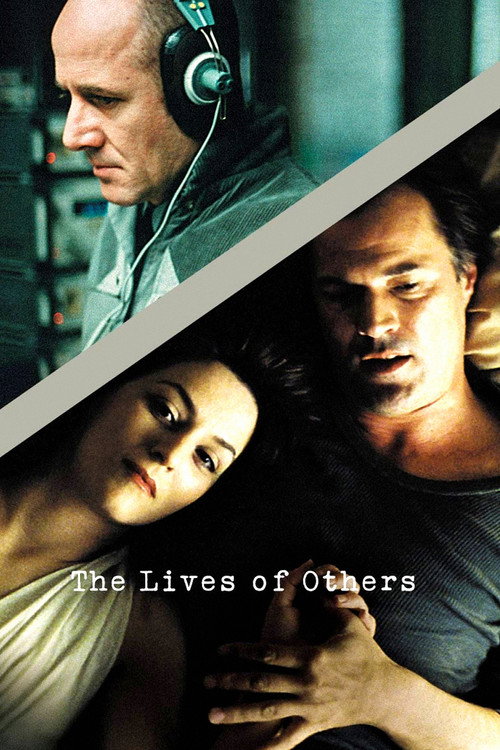
The Lives of Others2006
A Stasi surveillance officer in Cold War Berlin confronts the humanity behind ideology. Shares Fatherland's exploration of conscience within totalitarian machinery, with comparable emotional weight and a script that trusts the audience.
But German language and subtitles; the surveillance footage can feel repetitive, and the moral reckoning builds slowly rather than detonating.
Come and See1985
Elem Klimov's devastating look at Nazi occupation in Belarus refuses to sentimentalise or look away. If Fatherland's alternate history intrigues you, this shows the actual cost the film alludes to—unflinching and necessary.
But This is one of cinema's most harrowing experiences. The violence against children and civilians is genuine trauma, not thriller spectacle. Only watch if you're prepared for that.

Not sure tonight? Get a pick in a minute, starting from Fatherland
The wildcard
Something you would not have found on your own.
Stalker1979
Both use a journey through a repressive state apparatus as a framework for investigating what people believe, what they're allowed to know, and whether truth even matters when power denies it.
Tarkovsky's meditative science-fiction film about a guide leading two men through a forbidden zone to a room that supposedly grants wishes. Like Fatherland, it uses a procedural journey to explore faith, state control, and the corrosion of truth—but through metaphysics rather than plot.
But This is nearly three hours of deliberate, philosophical Soviet cinema. It moves at a glacial pace and demands active, patient attention. If you watched Fatherland for the thriller, this will test your patience severely.

More like this (8)
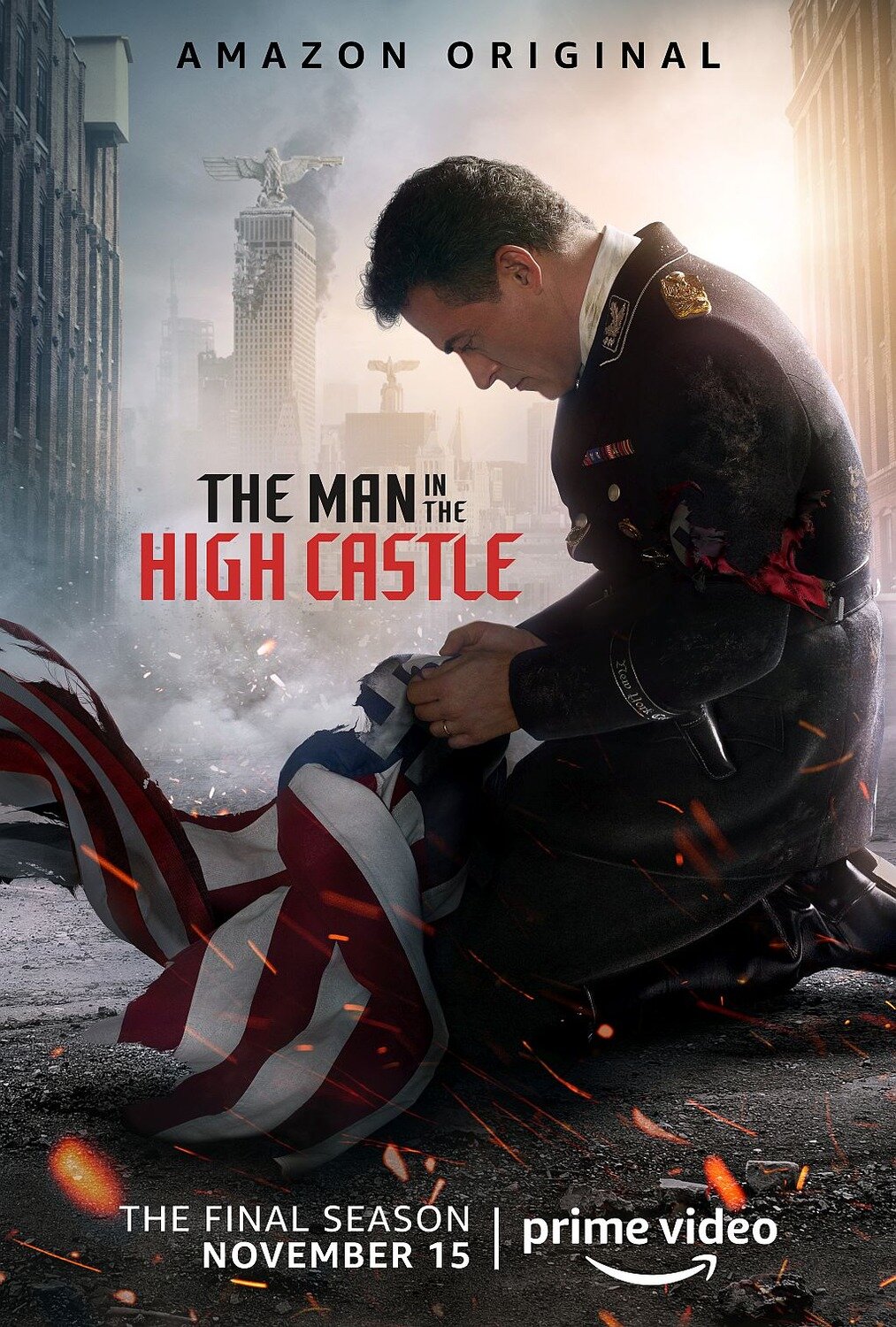
The Man in the High Castle2015
Amazon's alternate-history series also imagines victorious Axis powers in the 1960s. Methodical plotting, moral complexity, and the slow realization of horror bubbling beneath a surface of normalcy closely mirrors Fatherland's DNA.
But Four seasons means it sprawls; the middle sags. By season three it's chasing its own mythology harder than earning it, and not everyone sticks with the payoff.
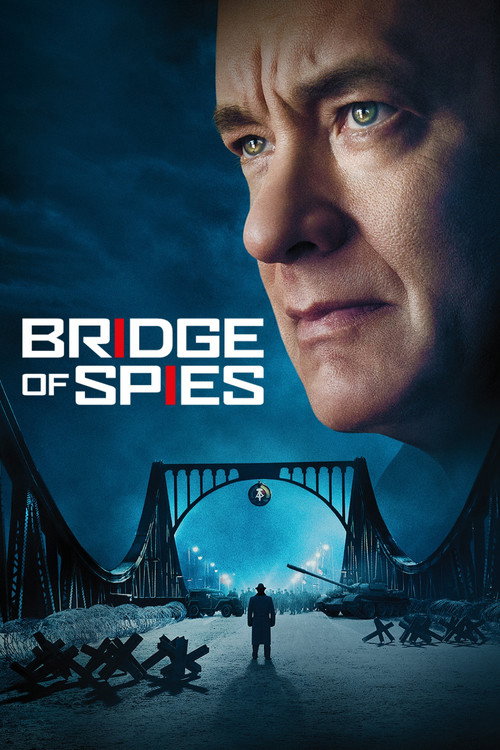
Bridge of Spies2015
Spielberg and Tom Hanks crafting Cold War espionage with meticulous period detail and moral seriousness. The procedural tension and the detective work—gathering evidence, staying alive—echo Fatherland's framework without the alternate history.
But It's intentionally stolid. Hanks' mannered performance works for the character but can feel distancing; the pacing is glacial even by spy-thriller standards.
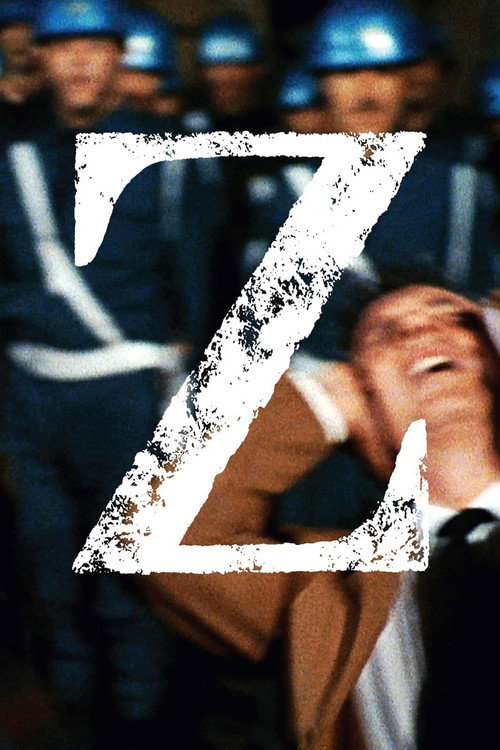
Z1969
Costa-Gavras's masterpiece about investigating a political assassination under an oppressive regime. Taut, ingenious editing and a political thriller that respects your intelligence. The paranoia and institutional corruption resonate with Fatherland's worldview.
But 1969 filmmaking means it can feel dated visually, and the political context is Greek-specific, which may require context. The ambiguity frustrates viewers wanting clear answers.
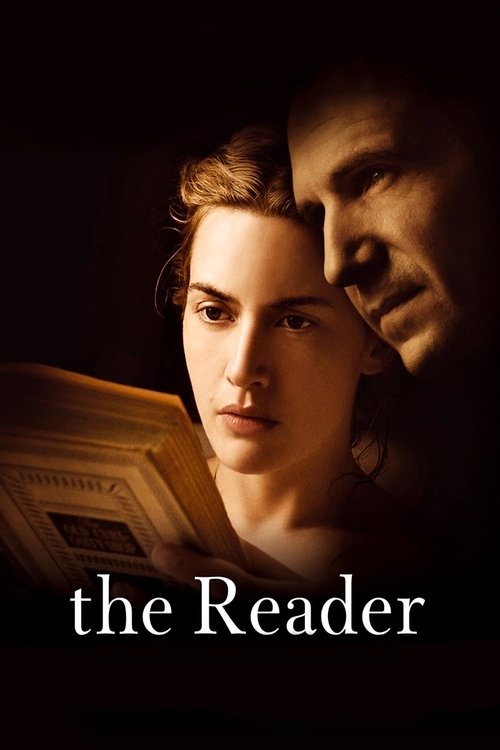
The Reader2008
A German postwar reckoning with complicity and hidden Holocaust trauma. Kate Winslet and Ralph Fiennes navigate the question Fatherland also asks: what do you do when ordinary people contain unthinkable secrets?
But The central revelation divides viewers; some find it manipulative rather than tragic. The romance subplot can feel at odds with the historical gravity.
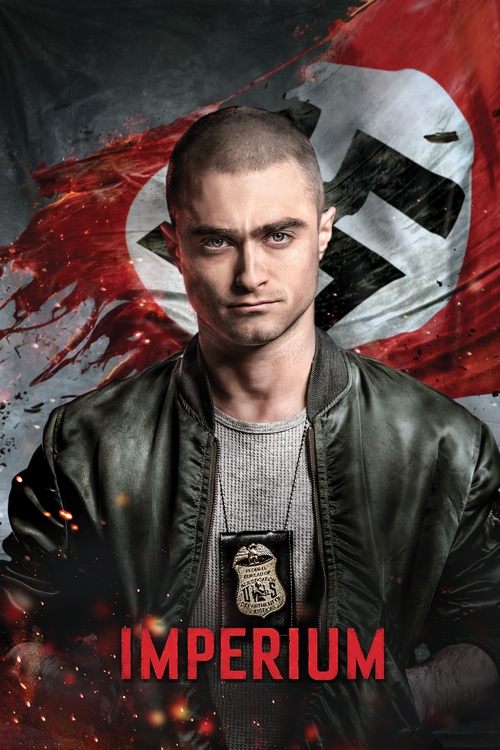
Imperium2016
Daniel Radcliffe as an FBI agent infiltrating a white supremacist cell. It's a procedural thriller about evil hiding in plain sight, with comparable tension between moral clarity and murky institutional pragmatism.
But The subject matter is despicable by design, and the undercover sections are genuinely unpleasant to watch. It also lacks Fatherland's atmospheric finesse.
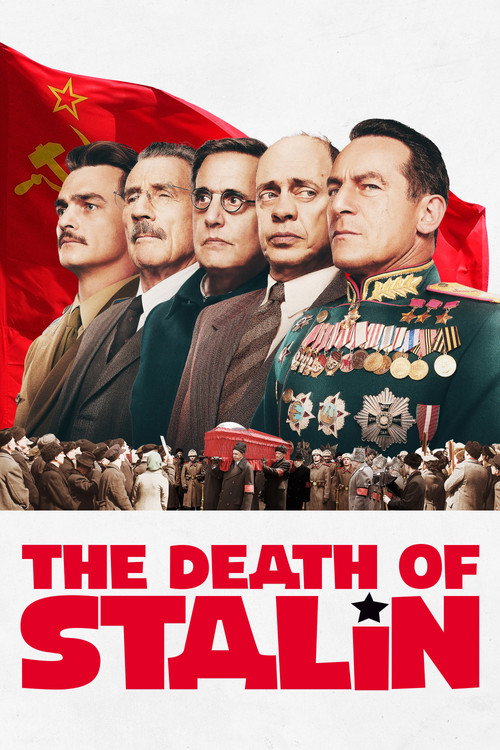
The Death of Stalin2017
Armando Iannucci's pitch-black comedy about Soviet succession after Stalin's death. It shares Fatherland's interest in power and truth-suppression within totalitarianism, but approaches it through satire rather than thriller mechanics.
But The humour is caustic and often crude; if you want gravitas, the comedy will feel like desecration. The satire also requires knowledge of Soviet politics to fully land.
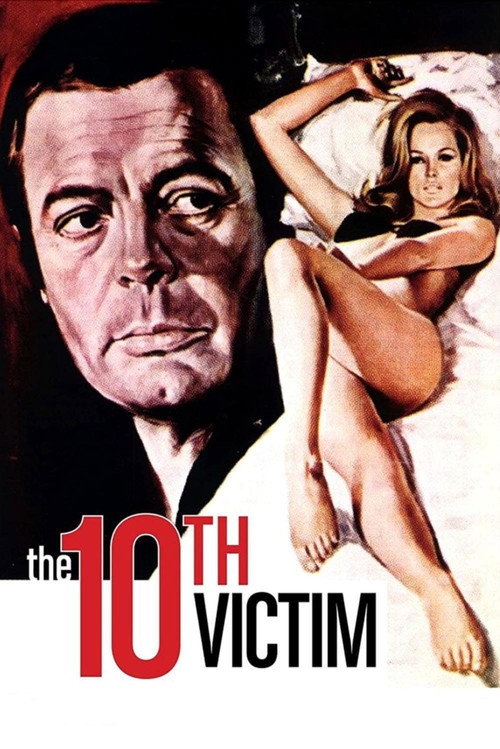
The 10th Victim1965
Both imagine totalitarian systems justified by utilitarian logic—evil rationalized as necessary governance. Fatherland shows it as horror; this shows it as grotesque farce. Both are right.
Elio Petri's audacious Italian sci-fi satire imagines a future where governments legalize murder via lottery to prevent real wars. Formally playful and surreal where Fatherland is austere, it shares the alternate-history DNA but weaponizes style as political commentary.
But The 1960s mod aesthetic clashes with the premise; the tone is camp and disorienting. It's also genuinely hard to find in quality prints, and the satire can feel oblique rather than pointed.
Memories of Murder2003
Both are procedurals where the detective's search for truth becomes inseparable from complicity with the system. The crime and the state are the same problem.
Bong Joon-ho's Korean serial-killer procedural set during military dictatorship. A detective hunts a killer while state apparatus corrupts the investigation itself. Like Fatherland, it's a thriller where institutional evil is as present as individual crime, shot with obsessive precision.
But Subtitled and set in 1980s South Korea; the specific political context may be unfamiliar. The violence is graphic, and the ending offers no catharsis—just historical weight and ambiguity.

People
Cast
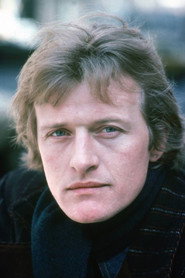 Rutger HauerSS-Sturmbannführer Xavier March
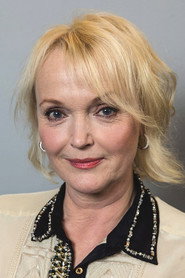 Miranda RichardsonCharlie Maguire
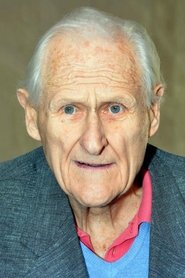 Peter VaughanSS-Oberstgruppenführer Artur Nebe
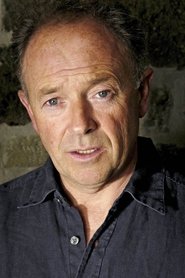 Michael KitchenSS-Untersturmführer Max Jäger
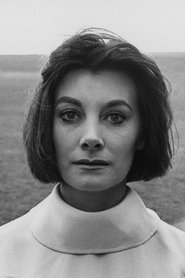 Jean MarshAnna von Hagen
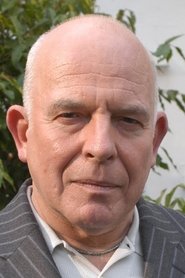 John ShrapnelGeneral Globus
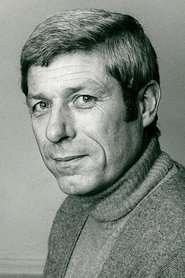 John WoodvineLuther
- Bob MasonCoroner Eisler
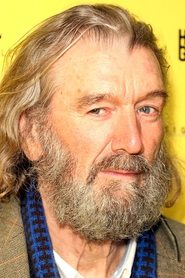 Clive RussellKrebs
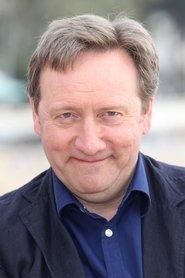 Neil DudgeonSex Crimes Cop
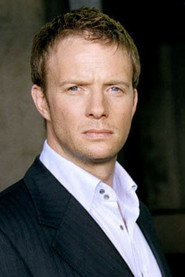
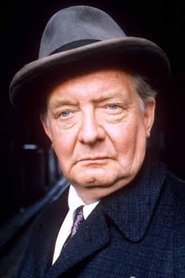 David RyallAdministrator Kruger
Directing
- Christopher MenaulDirector
Writing
- Robert HarrisNovel
- Ron HutchinsonScreenplay
- Stanley WeiserScreenplay
Production
- Frederick MullerProducer
- Ilene Kahn PowerProducer