Television series
Holocaust
- Drama
- Very dark
A 1978 NBC miniseries that follows a Jewish family and a German lawyer across a decade of Nazi rise and Holocaust horrors. Deliberately paced, deeply acted, and structurally ambitious—it treats atrocity with the gravity it demands rather than melodrama. For anyone ready to reckon with history through intimate human stories, not spectacle.
Should you watch it?
Watch it if you want a patient, character-driven history that follows one family and one ambitious man across a decade, trusting slow accumulation over shocking set pieces.
Skip it if you want a brisk pace or a story that keeps its horror on screen, since it moves deliberately and builds dread through conversation, paperwork and compromise.
What it asks of you: Five episodes totalling a little over two hours, moving unhurriedly through years of waiting and small decisions, so it asks you to stay put and let its slow weight accumulate.
Not sure? Find tonight's pick in a minute.
If you liked this
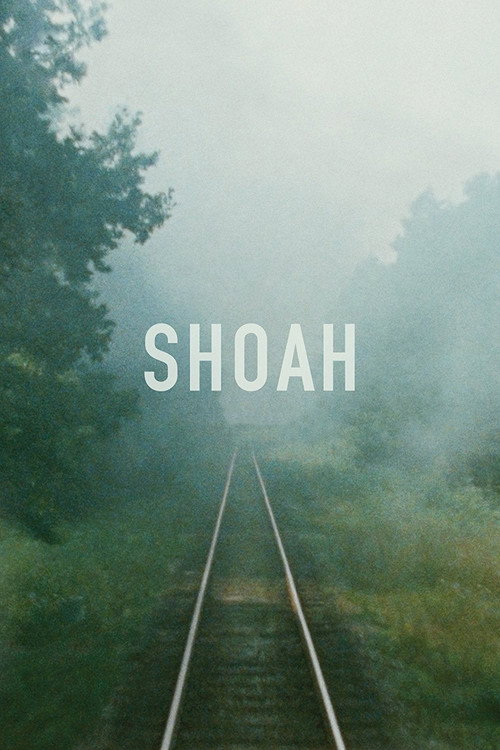
Shoah1985
Claude Lanzmann's nine-hour documentary lets survivors and perpetrators speak in their own voices, with long silences that respect the weight of memory. Testimony becomes the entire architecture.
But Nine hours. No archival footage, no music, no editorializing—just conversation. Patience is not optional.
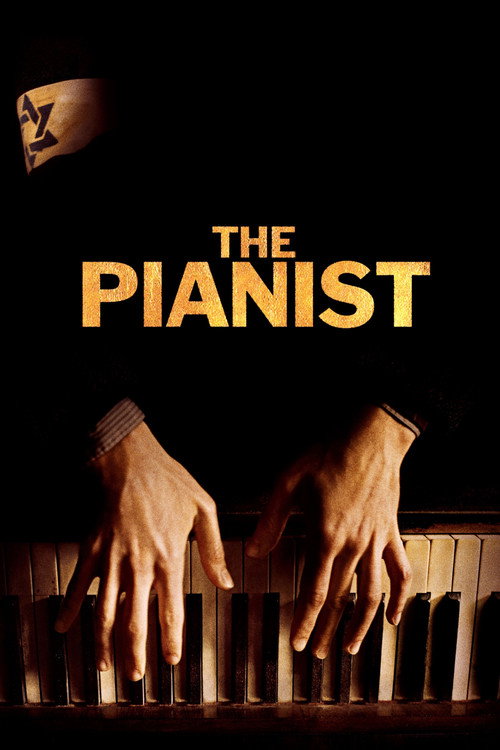
The Pianist2002
Roman Polanski's account of Władysław Szpilman's survival in Warsaw is precise and unsentimental, letting small acts of grace and horror sit beside each other without false comfort.
But The violence is neither distant nor dwelt-upon, which some find harder to watch than spectacle. It's intimate suffering.
Come and See1985
Elem Klimov's Soviet film follows a boy conscripted into WWII as his world collapses into nightmare. Visually and psychologically devastating in ways that remake how you understand war's cost.
But Brutally graphic and relentless. Not for anyone seeking catharsis or closure. It doesn't offer them.

Not sure tonight? Get a pick in a minute, starting from Holocaust
The wildcard
Something you would not have found on your own.
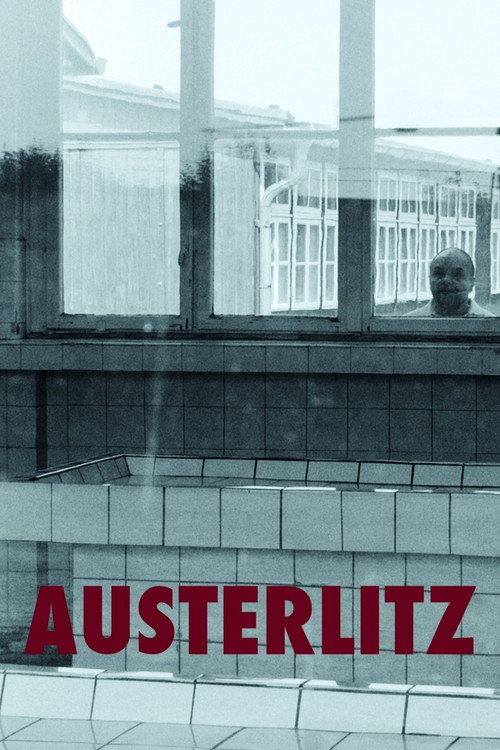
Austerlitz2016
Where Holocaust gives you intimate character testimony, Austerlitz gives you the architecture of memory itself—how we memorialize what we cannot fathom, and what we do or don't understand when we visit those places.
Sergei Loznitsa's film is composed entirely of static, unpeopled shots of Holocaust memorial sites across Europe—Auschwitz, Majdanek, Theresienstadt. Visitors wander in and out. The Holocaust becomes landscape, and landscape becomes mirror for viewers' own reckoning.
But No narration, no experts, no human drama. Some will find it opaque or self-consciously austere. Others will experience it as profound.
More like this (8)
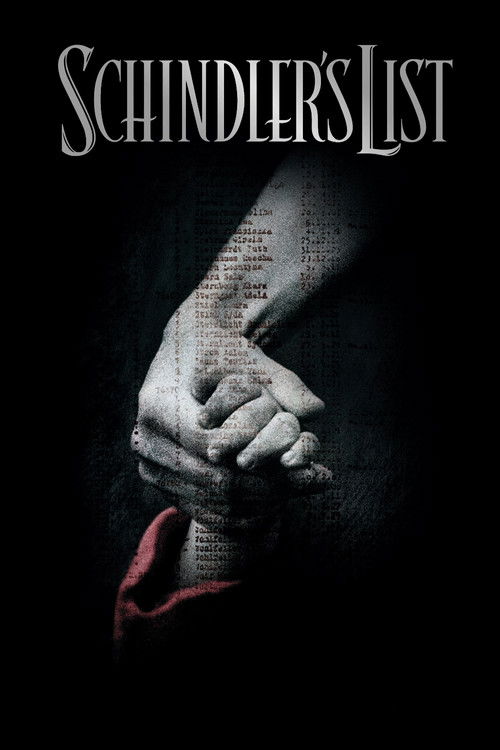
Schindler's List1993
Spielberg's account of Oskar Schindler's factory is the most widely seen Holocaust film for reason: it's morally urgent, beautifully composed, and finds moments of resistance within horror.
But Its very accessibility and narrative shape can feel like the story has been made consumable in ways that bother some viewers.
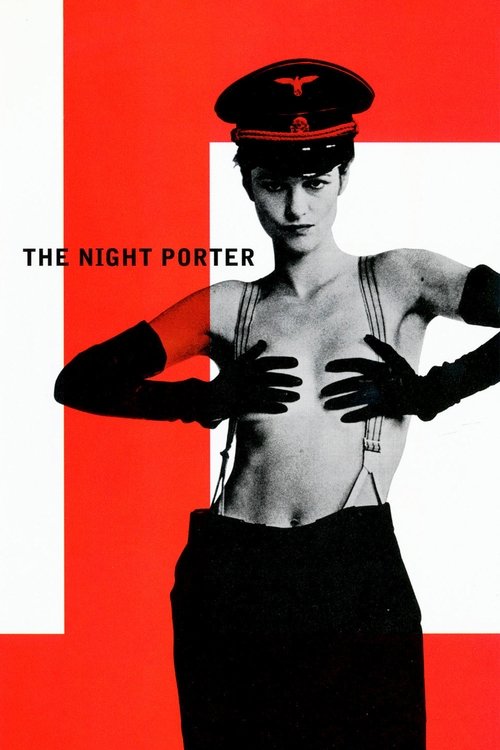
The Night Porter1974
Liliana Cavani's film explores the psychological and erotic entanglement between a camp survivor and her former Nazi commandant years later in Vienna. Formally daring and morally disquieting.
But Its treatment of trauma and desire will strike many as exploitative. The film doesn't flinch from that provocation, which is the point and the problem.
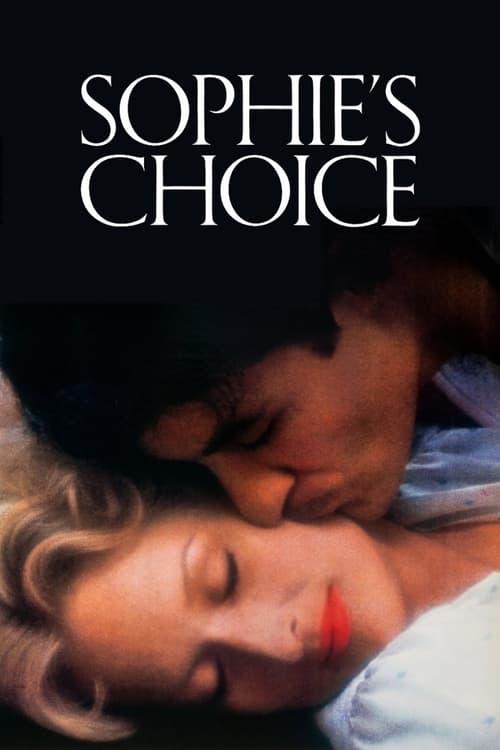
Sophie's Choice1982
Meryl Streep's performance as a Polish survivor contains multitudes—trauma, charisma, evasion, love. Pakula's film is about how the past lives in the present, not just in flashback.
But The famous 'choice' can feel narratively tidy compared to the messier emotional work the film otherwise does.
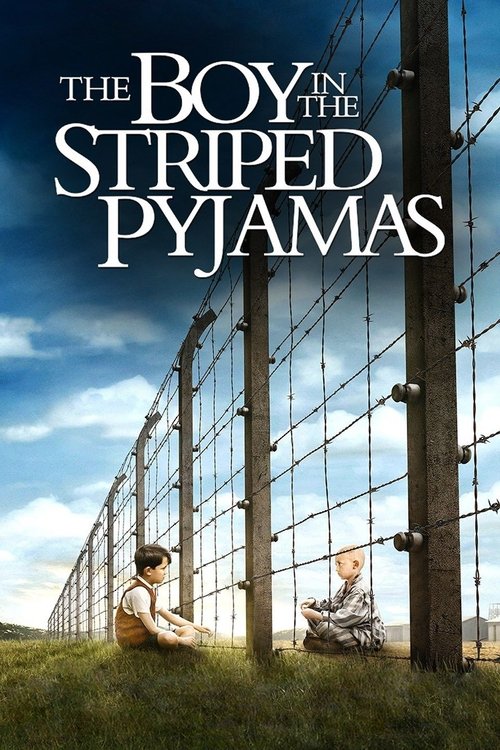
The Boy in the Striped Pyjamas2008
Mark Herman's film narrates Auschwitz through the friendship of two boys on opposite sides of the fence. Deceptively simple in structure, morally complex in what it withholds.
But Its famous ending troubles many viewers as manipulative or simpering. Whether it earns that ending is genuinely debatable.
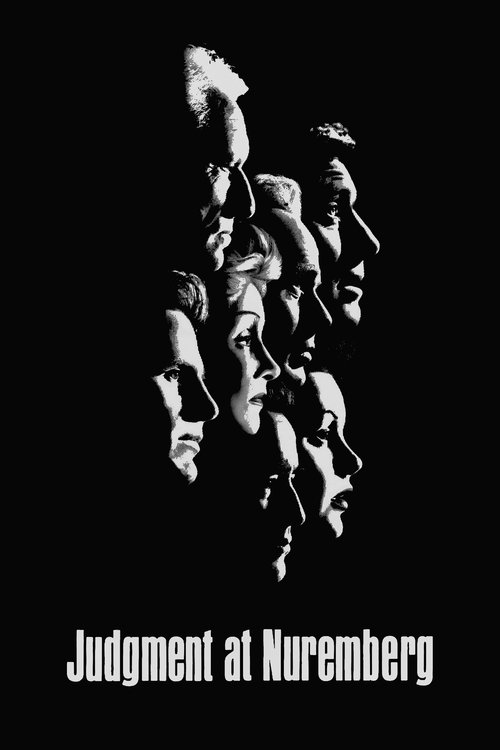
Judgment at Nuremberg1961
Stanley Kramer's courtroom drama examines how ordinary judges became complicit in atrocity. Spencer Tracy and Burt Lancaster anchor a film about accountability and historical reckoning.
But Courtroom procedural pacing can feel slow. Some find its treatment of complicity—and redemption—too legalistic.
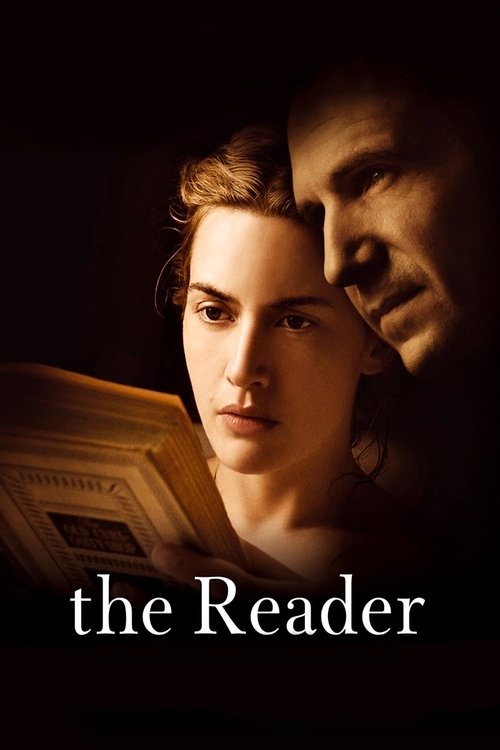
The Reader2008
Kate Winslet plays an Auschwitz guard wrestling with her own literacy and culpability. The film refuses to let her be simple victim or villain, which unsettles in productive ways.
But That refusal to judge cleanly will infuriate some. So will its central romance, which many see as asking too much empathy for the perpetrator.
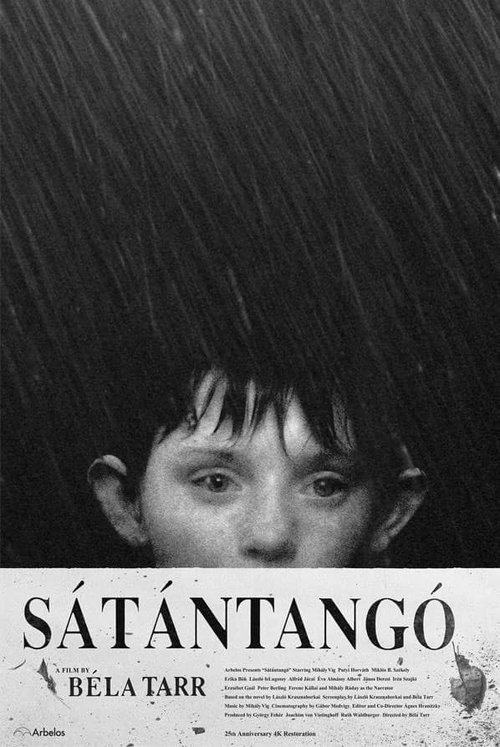
Satantango1994
Both are about how ideology poisons the social fabric and personal choice. Both treat that subject with absolute seriousness and no easy answers. But where Holocaust gives you the intimate family, Sátántangó gives you the grinding, impersonal machinery of delusion in a ruined society.
Béla Tarr's seven-hour Hungarian film is about con artists, faith, and collapse in the aftermath of 1956. Post-totalitarian despair in slow black-and-white. Structurally it's almost a negative space left by history's weight.
But Seven hours of gray mud and moral ambiguity. Tarr's rhythm is glacial. If patience bores you, this will destroy you.
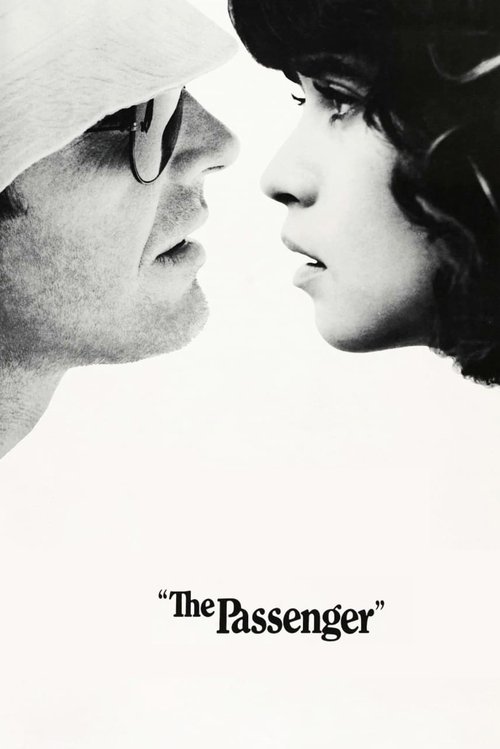
The Passenger1975
Holocaust asks what we owe history and each other through the weight of testimony. The Passenger asks the inverse—what happens when you try to shed identity entirely, to become someone else. Both are about running from and into the weight of who we are.
Michelangelo Antonioni's film about identity-switching and moral evasion stars Jack Nicholson as a man who assumes a dead stranger's identity and inherits his debts. A meditation on complicity told through restless, unresolved style.
But Slow, elliptical, and deeply uninterested in plot satisfaction. The famous final scene is ambiguous in ways some find pretentious and others find essential.