
Film
Julia
Other titles called Julia: the 1968 series (NBC), the 2008 film, the 2021 film.
Julia is a 1977 drama about playwright Lillian Hellman's clandestine mission to smuggle money into Nazi Germany for her childhood friend. It's a measured, intelligent film about friendship, principle, and the quiet courage required to act against fascism. For those drawn to character-driven narratives about ordinary people doing extraordinary things.
Should you watch it?
Watch it if you like slow-building portraits of friendship tested by politics, where the emotional stakes come from quiet conversations and two strong performances trading long glances across a tense frame.
Skip it if you need the thriller momentum its setup promises, since much of the running time is spent in talk, memory and waiting rooms rather than in danger.
What it asks of you: Settle in for a measured 117 minutes of conversation, memory and patient restraint, where the mood stays subdued and your attention pays off in layers.
Not sure? Find tonight's pick in a minute.
If you liked this
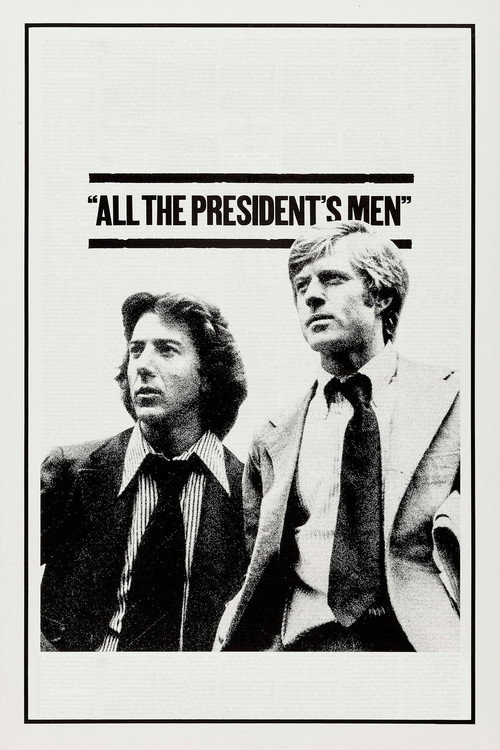
All the President's Men1976
Two journalists uncover institutional corruption through patience, caution, and moral clarity. Like Julia, it's about ordinary citizens confronting power structures, built on dialogue and mounting tension rather than action beats.
But The procedural rhythm is deliberate to the point of slowness. If you need constant plot momentum, this will feel like watching people make phone calls for two hours.
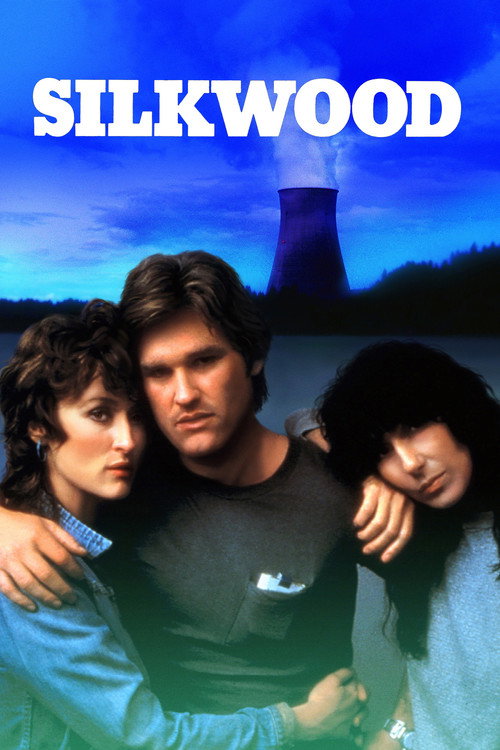
Silkwood1983
Meryl Streep plays a whistleblower fighting a nuclear facility from within. Both films examine how conscience becomes action, and how personal relationships anchor moral choices in a world of institutional indifference.
But It's politically unambiguous in a way that can feel didactic. Some viewers find it heavy-handed rather than dramatically elegant.
The Remains of the Day1993
Anthony Hopkins as a butler wrestling with complicity and regret. Like Julia, it's about looking back on choices made under pressure, and the quiet devastation of paths not taken.
But Very little happens on screen. The drama is internal, which requires you to sit with discomfort rather than watch it resolved.

Not sure tonight? Get a pick in a minute, starting from Julia
The wildcard
Something you would not have found on your own.
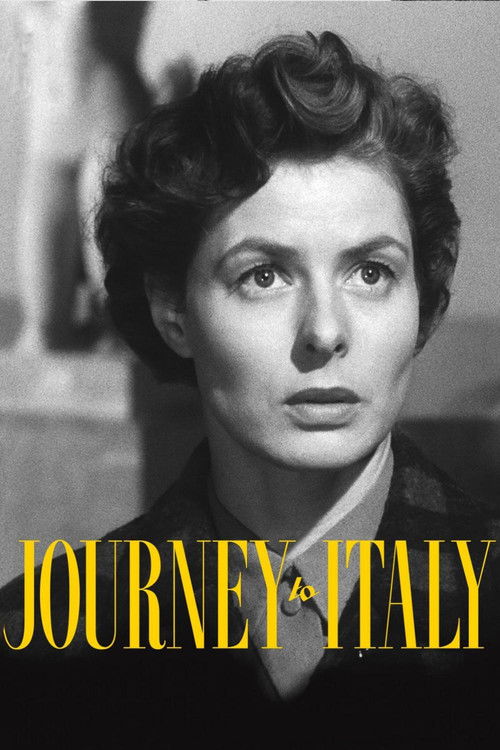
Journey to Italy1954
Both are about people returning to sites of memory and moral consequence, excavating who they were and who they've become.
Rossellini's masterpiece about a marriage reconsidered through travel and moral reckoning. Like Julia, it's concerned with how we justify our choices and what happens when old certainties crack under scrutiny.
But Nothing 'happens' in conventional terms. It's a film about two people talking and looking at things. Post-war neorealism can feel slow and emotionally oblique to modern audiences.
More like this (8)
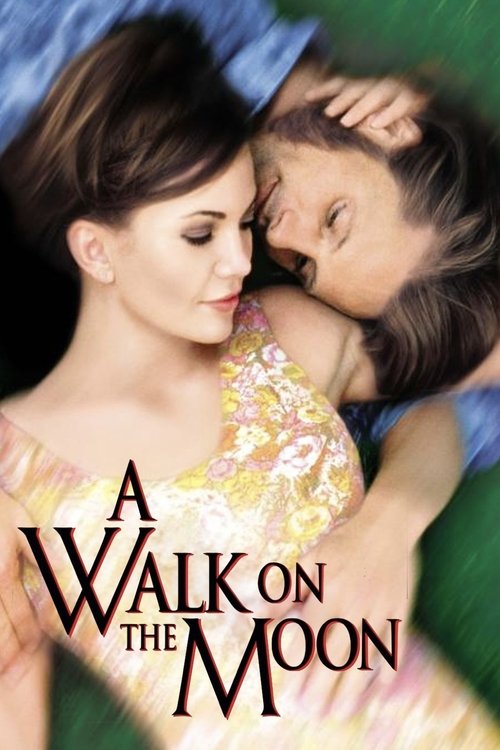
A Walk on the Moon1999
Diane Lane and Viggo Mortensen in a film about how friendship and loyalty fracture under desire and circumstance. It has Julia's interest in how personal bonds weather external and internal pressures.
But The adultery plot may feel like it overshadows the deeper themes. Some find it manipulative rather than moving.
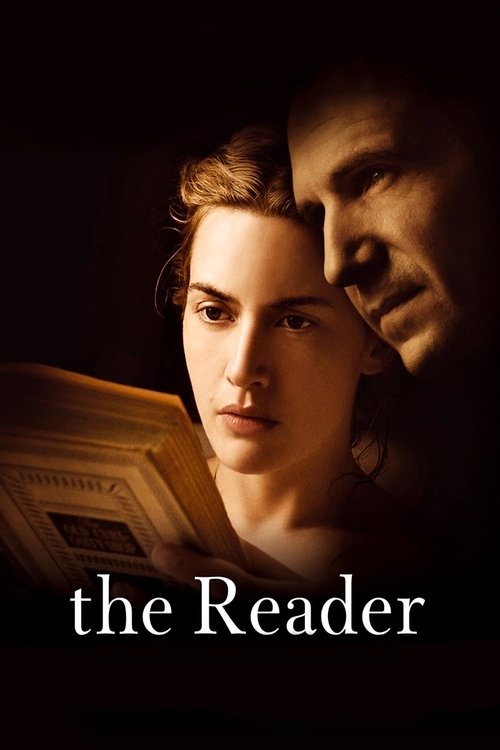
The Reader2008
Kate Winslet and Ralph Fiennes in a drama about moral complexity, secrets, and the distance between understanding someone and forgiving them. Both films demand that you hold contradictory feelings about flawed people.
But It's morally uncomfortable in ways that don't resolve neatly. If you want your heroes uncomplicated, this will frustrate you.
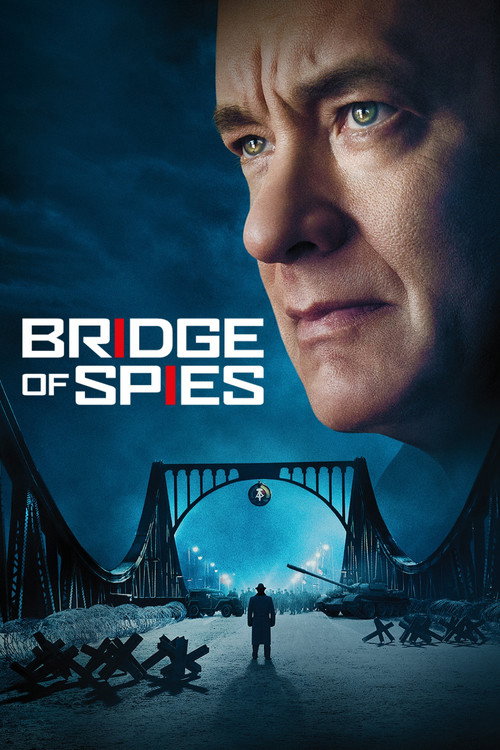
Bridge of Spies2015
Spielberg's measured Cold War thriller about a lawyer negotiating with enemies. Like Julia, it's about how principle and pragmatism collide, and the cost of doing the right thing in a corrupt system.
But Thematically rich but emotionally cool. It can feel cerebral rather than gripping, especially if you're expecting conventional spy thrills.
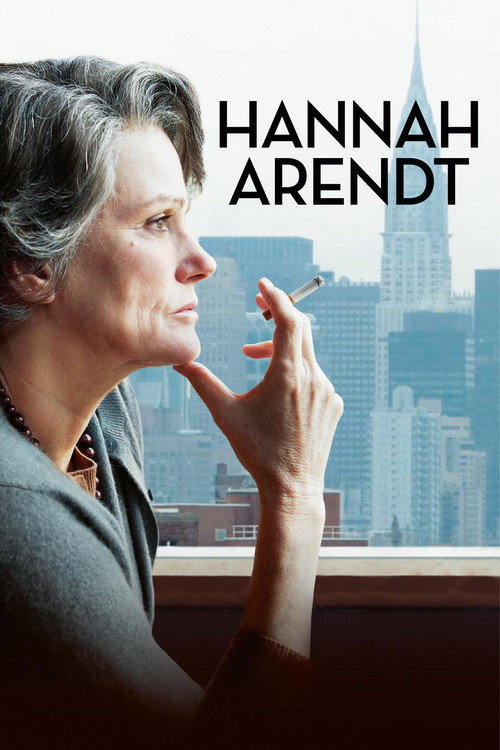
Hannah Arendt2012
A portrait of the philosopher confronting questions of complicity and evil. Like Julia, it examines how intellectuals reckon with fascism and history, built on ideas and conversation rather than spectacle.
But It's a film about thinking. Long scenes of people discussing philosophy will feel tedious if you're not already interested in Arendt or moral philosophy.
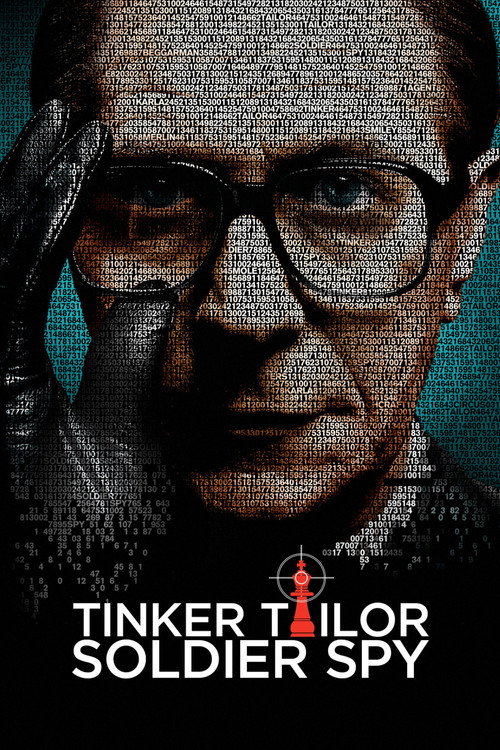
Tinker Tailor Soldier Spy2011
Gary Oldman as a spy untangling Cold War deception through observation and inference. Both films prize intelligence and restraint over action, asking you to trust the lead's competence even when you're not sure what's happening.
But Deliberately obscure plot and murky cinematography. Many find it impenetrable rather than sophisticated.
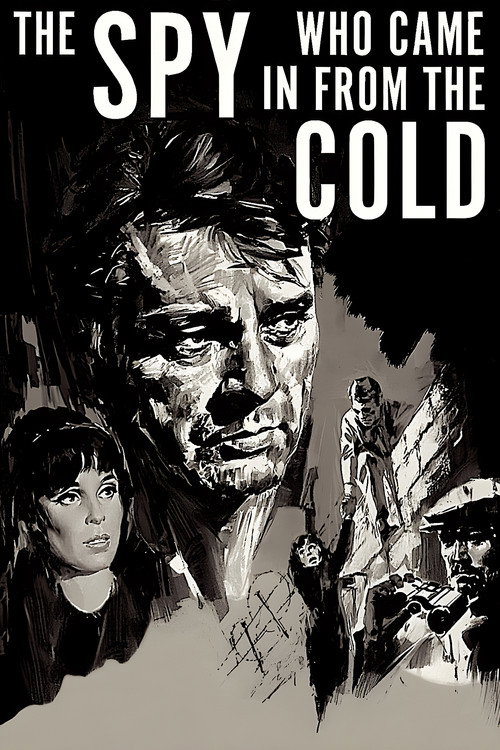
The Spy Who Came In from the Cold1965
Richard Burton in Le Carré's bleak adaptation about espionage as moral compromise. Like Julia, it shows Cold War resistance as unglamorous work that corrodes the people who do it.
But Shot in grey, grainy black-and-white, it's visually austere. The atmosphere is relentlessly downbeat, with no catharsis or triumph.
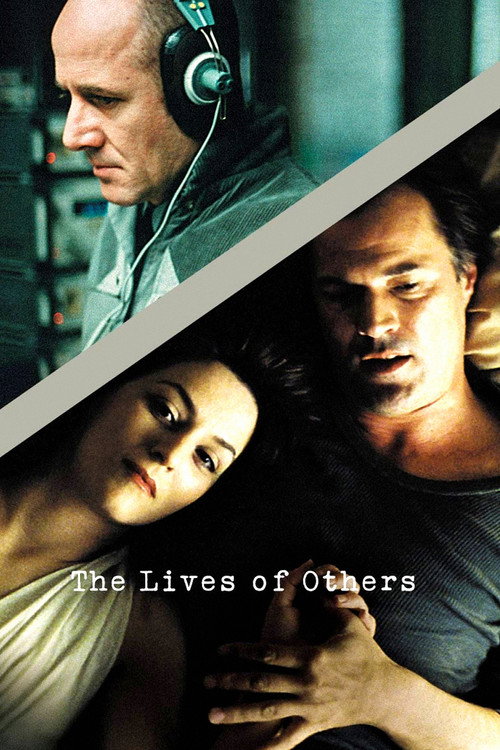
The Lives of Others2006
Both examine how people navigate authoritarian systems, and the dangerous moment when obedience becomes impossible.
A Stasi surveillance officer in Cold War Berlin begins to see the humanity in those he's spying on. It's a mirror-image of Julia: instead of sneaking past fascism, you're inside it, watching conscience wake up.
But It's a redemption narrative that some find overly sentimental. The moral arc is neater than Julia's harder truths allow.
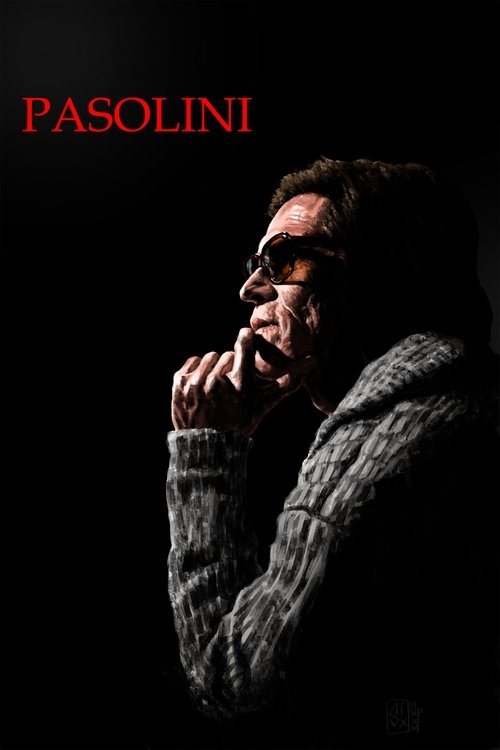
Pasolini2014
Both centre on artists whose personal convictions put them at odds with their society, and both suggest that the price of integrity is never fully settled.
Abel Ferrara's account of Pier Paolo Pasolini's final days, with Willem Dafoe as the filmmaker grappling with desire, art, and politics. It shares Julia's interest in intellectuals resisting power, but in abstract, elliptical form.
But It's deliberately fragmented and dreamy, full of long passages without dialogue. If you need literal clarity about what's happening, this will feel self-indulgent and impenetrable.
People
Cast
 Jane FondaLillian Hellman
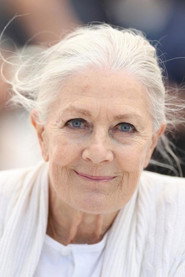 Vanessa RedgraveJulia
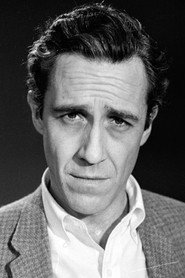 Jason RobardsDashiell Hammett
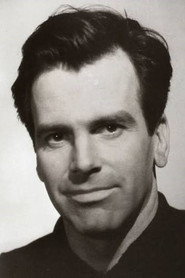 Maximilian SchellJohann
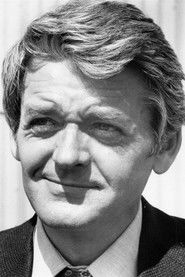 Hal HolbrookAlan
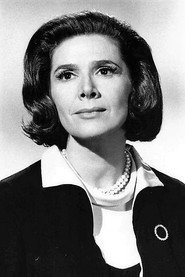 Rosemary MurphyDorothy Parker
 Meryl StreepAnne Marie
 Dora DollWoman Passenger
 Elisabeth MortensenGirl Passenger
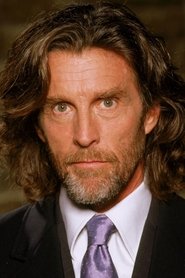 John GloverSammy
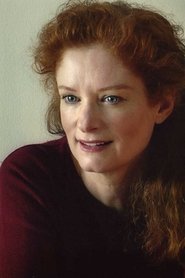 Lisa PelikanYoung Julia
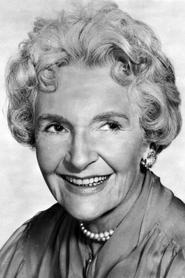 Cathleen NesbittJulia's Grandmother
Directing
- Alain BonnotAssistant Director
- Anthony WayeAssistant Director
- Pamela DaviesContinuity
- Fred ZinnemannDirector
Writing
- Lillian HellmanBook
- Alvin SargentScreenplay
Production
- Tom PevsnerAssociate Producer
- Jenia ReissarCasting
- Juliet TaylorCasting
- Margot CapelierCasting
- Julien DerodeExecutive Producer
- Richard A. RothProducer
- Stanley BurridgeProduction Accountant
- Bill KirbyProduction Manager