
Film
Julia
Other titles called Julia: the 1968 series (NBC), the 1977 film, the 2021 film.
- Drama
- Very dark
Julia is a taut, morally ambiguous thriller about a woman in recovery who gets entangled in a kidnapping scheme. Tilda Swinton delivers a raw, unglamorous performance as someone whose desperation and damaged judgment pull her into criminal territory. It's a slow-burn character study that refuses easy answers about redemption, loyalty, or whether people can truly change.
If you liked this
Requiem for a Dream2000
Aronofsky's unflinching portrait of addiction's grip on four lives. Like Julia, it doesn't sentimentalize or offer comfortable resolutions—just the anatomy of how people spiral and the wreckage left behind.
But The visual style is relentless and deliberately ugly. Some viewers find the ending almost unbearably bleak rather than cathartic.

Moonlight2016
Intimate and deliberate, following a man shaped by trauma and circumstance through three chapters. Both films trust the audience to sit with moral complexity and quiet pain without spelling things out.
But Very slow. Long stretches of minimal dialogue ask patience; if you need plot momentum, this will feel airless.

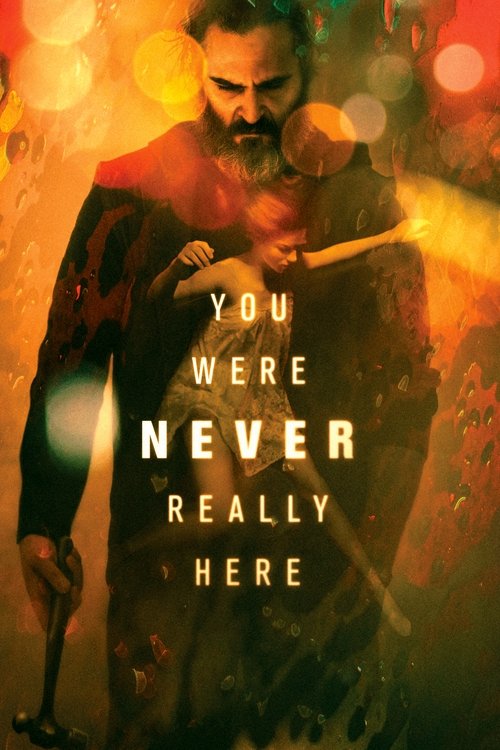
You Were Never Really Here2017
Lynne Ramsay's hallucinatory thriller about a damaged man drawn into a kidnapping case. Like Julia, it's visceral and psychologically disorienting, refusing the comfort of clear heroism.
But Genuinely disturbing and sometimes incoherent. The editing and sound design overwhelm meaning; some find it gratuitously punishing.
Not sure tonight? Get a pick in a minute, starting from Julia
The wildcard
Something you would not have found on your own.
Memories of Murder2003
Both dramatize how institutions and power structures make good people complicit in bad acts. Julia and the detectives alike discover that their choices were never really theirs.
Bong Joon-ho's detective thriller set in 1980s South Korea. It shares Julia's moral vertigo—the more one investigates, the more uncertain truth becomes. A system corrupts everyone in it, guilty and innocent alike.
But Two and a half hours with a non-linear narrative. The ending deliberately refuses closure. If you need your crime story to resolve cleanly, this will frustrate you.

More like this (8)
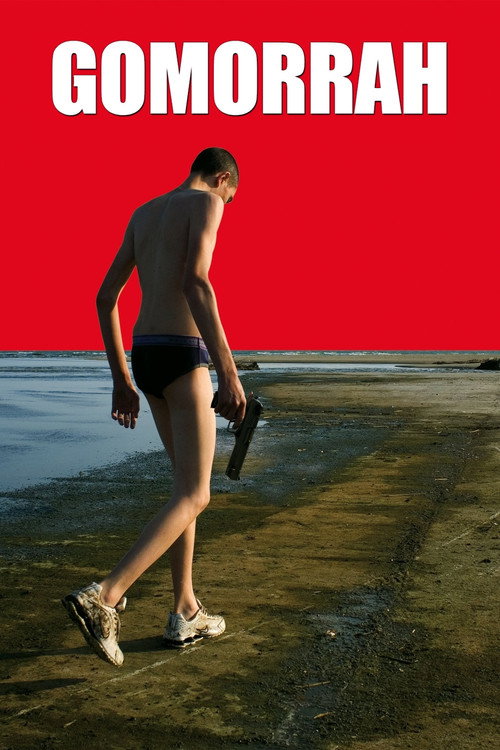
Gomorrah2008
Italian crime saga that treats criminal life as mundane desperation rather than glamorous myth. Both films show how ordinary people get trapped in extraordinary circumstances through small compromises.
But Three hours of Neapolitan dialect with subtitles. A sprawling ensemble means no single emotional anchor—it can feel cold and exhausting.
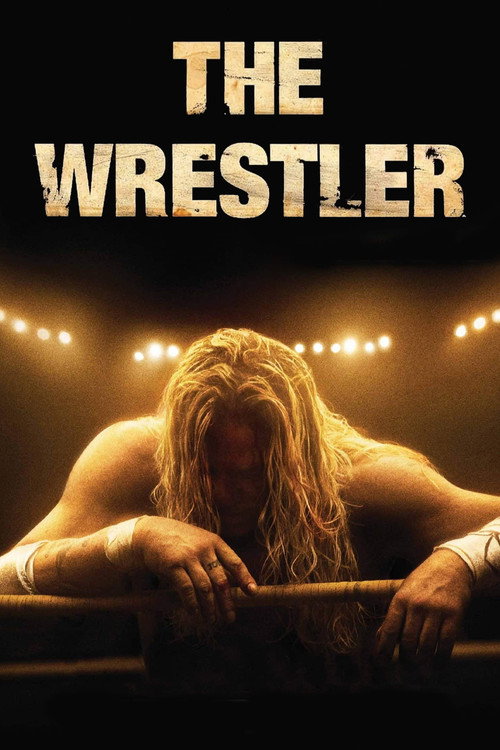
The Wrestler2008
Aronofsky again, but quieter: Mickey Rourke as a man whose self-destruction is quieter than spectacular. Both explore how shame and damage repeat themselves despite good intentions.
But Depressing in a way that feels permanent. The film has no interest in redemption arcs, which some viewers experience as punitive rather than honest.
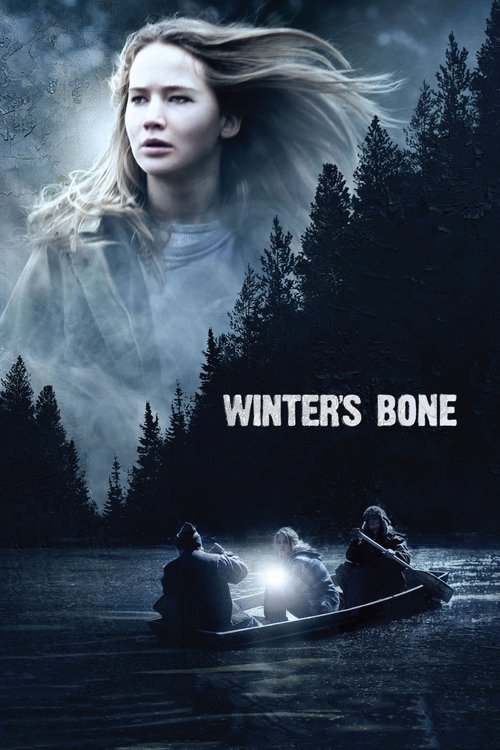
Winter's Bone2010
Jennifer Lawrence in a Midwest noir where desperation drives every character choice. Like Julia, it's unglamorous, regional, and shows how survival can compromise your soul.
But Bleak and purposefully sparse. The rural setting and dialect create distance; its plainness can read as slow if you're seeking conventional plot excitement.
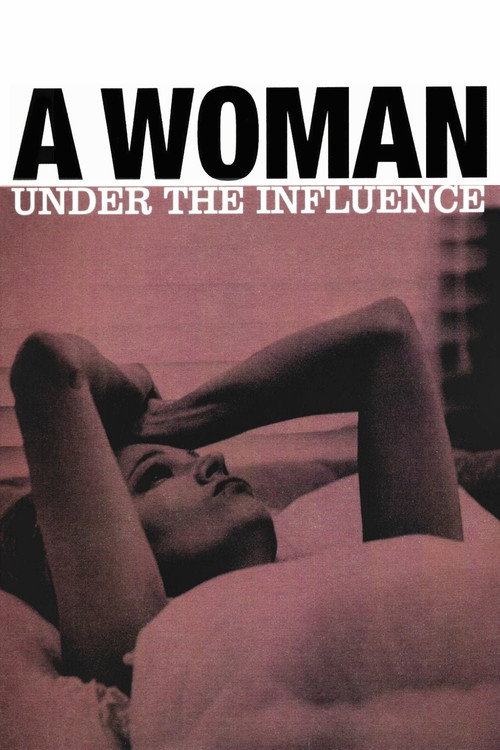
A Woman Under the Influence1974
Cassavetes' masterpiece of a woman unraveling. Like Julia, it's an unflinching, beautifully performed study of mental illness and damaged relationships with no psychologist to explain it away.
But Shot like a home video in 1974. The camera is close and sometimes uncomfortable; the acting style is raw and elliptical, not cinematic in the traditional sense.
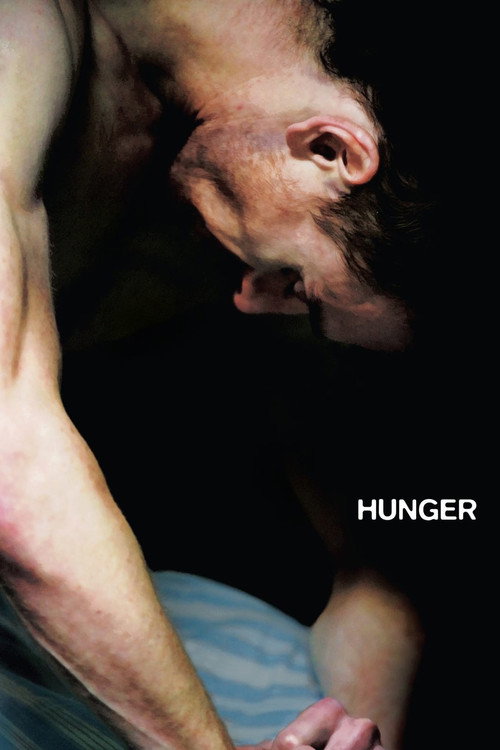
Hunger2008
Michael Fassbender as an IRA prisoner, directed by Steve McQueen. Both are political in their bleakness—showing how ideology and desperation meet in the body, how conviction doesn't protect you.
But Graphic violence and self-harm. Long stretches of visual pain without dialogue. The second half is philosophically remote in a way that demands active engagement.
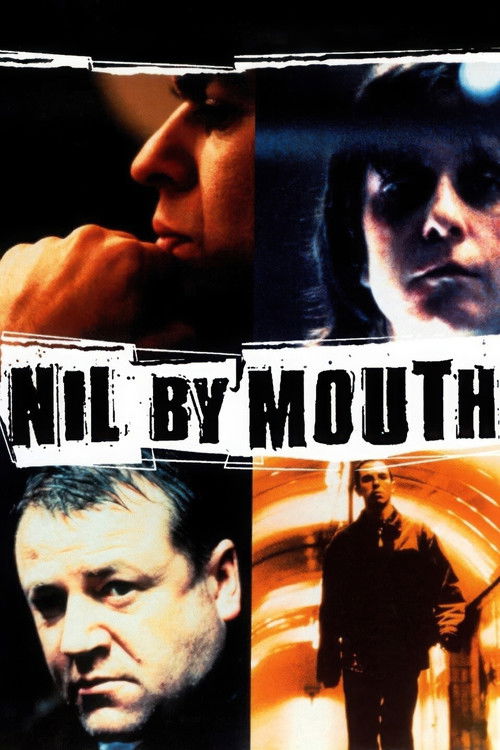
Nil by Mouth1997
Gary Oldman's only directorial effort: a London family in freefall, shot with documentary realism. Like Julia, it refuses to prettify poverty and addiction; it just watches what happens.
But Extremely difficult viewing. Graphic domestic violence and graphic language throughout. One of the most brutal British films ever made—not punishment, but not pleasant either.
Come and See1985
Both use a protagonist's moral descent as their entire subject. Neither offers redemption or distance—you must watch the corruption happen without flinching.
Soviet war film following a boy conscripted into a partisan unit. Where Julia is intimate and interior, this is apocalyptic and vast—but both are uncompromising visions of how systems destroy human capacity for goodness.
But Extremely difficult. Graphic violence, child endangerment, and total despair. It's a monument to suffering, not entertainment. Almost three hours that feel like punishment.

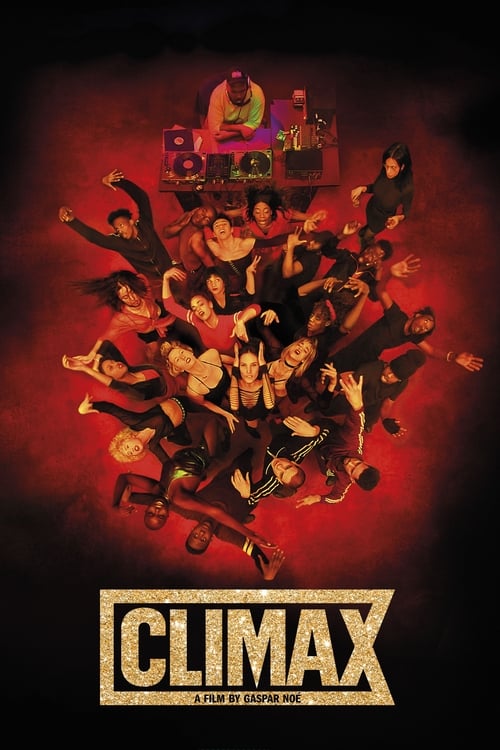
Climax2018
Both are studies of addiction, violence, and how rational choice collapses. Julia is restrained; Climax is hallucinatory. But both insist that understanding your own destruction doesn't stop it.
Gaspar Noé's hallucinogenic dance-horror film. Like Julia, it's a character study of desperation that becomes increasingly unmoored from reality. Both trap you inside a psychological spiral and refuse to let you out cleanly.
But Surreal, experimental, drug-addled in its narrative logic. Noé's technique is deliberately disorienting. If you need your thriller to feel like narrative rather than a fever dream, this won't work for you.
People
Cast
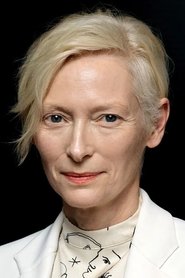 Tilda SwintonJulia
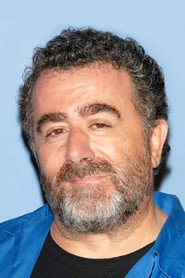 Saul RubinekMitch
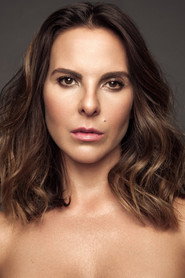 Kate del CastilloElena
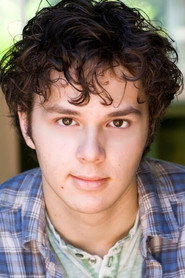 Aidan GouldTom
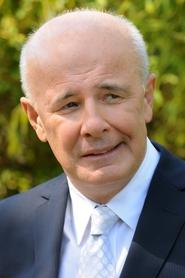 Jude CiccolellaNick
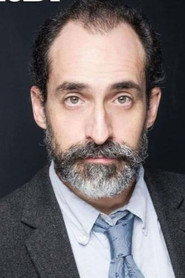 Bruno BichirDiego
 Horacio García RojasSantos
- Gaston PetersonMiguel
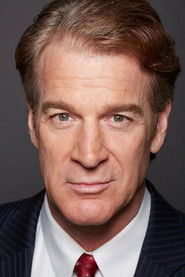 Kevin KilnerJohnny
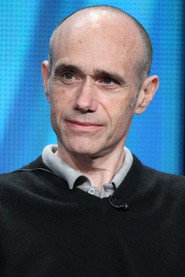 John BellucciPhilip
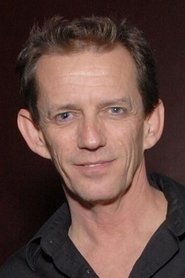 Ezra BuzzingtonGeorge
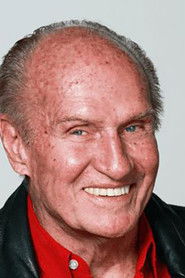 Roger CudneyFrank
Directing
- Erick ZoncaDirector
Writing
- Aude PyScreenplay
- Erick ZoncaScreenplay
Production
- Heidi LevittCasting
- Manuel TeilCasting
- Adrian PolitowskiExecutive Producer
- Carrie FixExecutive Producer
- Jeremy BurdekExecutive Producer
- Nadia KhamlichiExecutive Producer
- Allen BainProducer
- Bertrand FaivreProducer
- François MarquisProducer
- Hubert TointProducer
- Jean-Jacques NeiraProducer
- Jesse ScolaroProducer
- Sandra SolaresProducer