
Film
50 Children: The Rescue Mission of Mr. and Mrs. Kraus
A documentary portrait of Gilbert and Eleanor Kraus, an ordinary American couple who risked everything to smuggle fifty Jewish children out of Nazi Austria in 1939. Narrated by Alan Alda with Eleanor's own voice woven through, it's a quiet, intimate account of courage that asks what ordinary people are capable of when they choose to act.
If you liked this
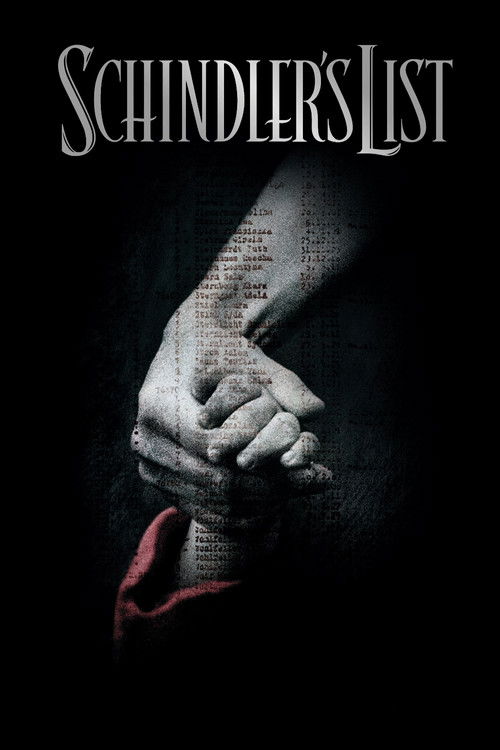
Schindler's List1993
Spielberg's monumental account of another rescuer who saved over a thousand Jews. Essential viewing on the same moral terrain, executed with overwhelming cinematic power and historical scope.
But At three hours and deeply graphic, it's harrowing and demanding. The scale can feel almost abstract compared to intimate human stories.
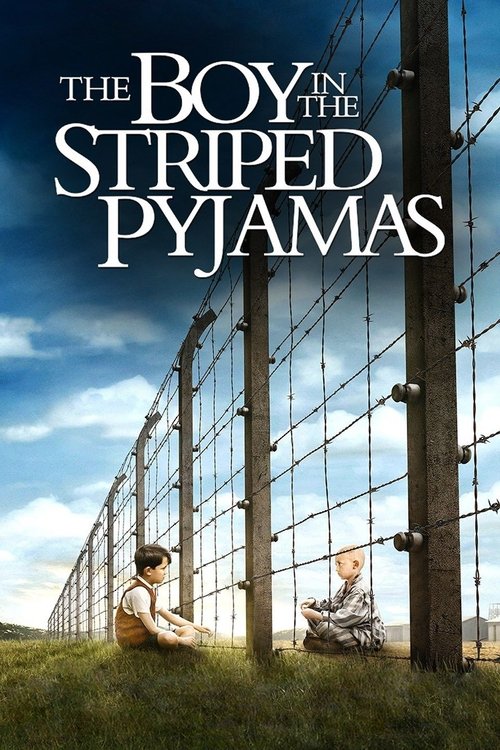
The Boy in the Striped Pyjamas2008
A child's-eye perspective on the Holocaust through an unlikely friendship. Devastating and strange, it captures the incomprehensibility of atrocity through innocence rather than explanation.
But The narrative twist divides viewers sharply. Some find it manipulative; others feel it trivializes the historical reality.
The Children Act2018
An intimate British drama about the weight of moral decisions, featuring complex characters facing impossible choices. The emotional texture mirrors the Kraus story in miniature.
But It's a chamber piece about legal and personal ethics, not a thriller. If you want action or clear answers, this will frustrate you.

Not sure tonight? Get a pick in a minute, starting from 50 Children: The Rescue Mission of Mr. and Mrs. Kraus
The wildcard
Something you would not have found on your own.
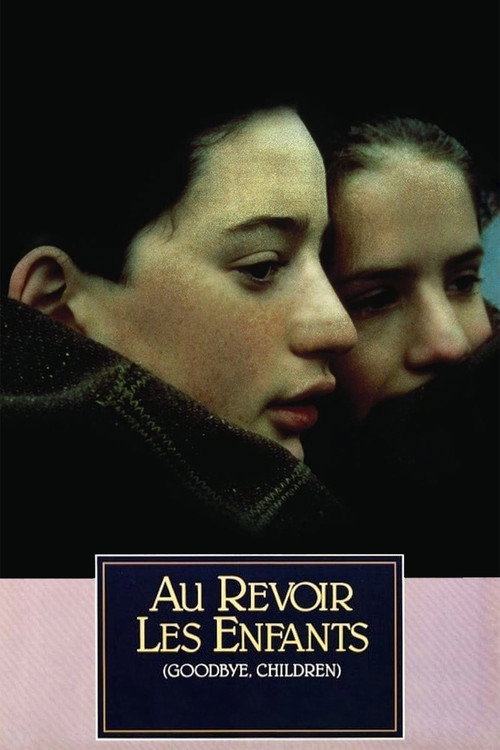
Au Revoir les Enfants1987
Both documents the rescue of Jewish children during the Nazi era, but where Kraus shows Americans acting, Malle shows complicity, friendship, and the terrible simplicity of betrayal among the young.
Louis Malle's semi-autobiographical film about a French Catholic boarding school where Jewish children are hidden during the occupation. It's a rescue story told from a child's perspective, with the same quiet devastation as the Kraus film but filtered through memory and loss.
But It's a slow, elegiac meditation rather than a clear narrative. The ending, rooted in real history, offers no triumph or closure.
More like this (6)
Hannah Arendt2012
Barbara Sukowa's brilliant performance as the philosopher grappling with the banality of evil and individual responsibility. Complements the Kraus story by wrestling with its deepest questions intellectually.
But Mostly dialogue and interior conflict. There's no plot in the conventional sense—it's a film of ideas, which some find static.

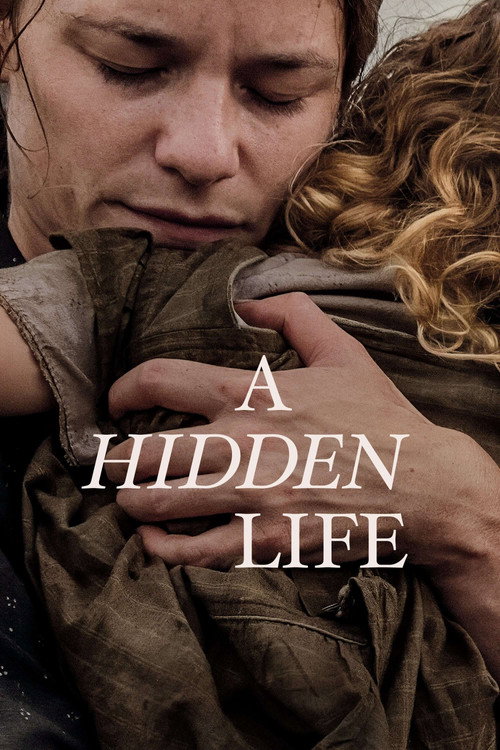
A Hidden Life2019
Terrence Malick's meditation on an Austrian resistor who chose conscience over survival. Beautiful and profound, it shares the Austrian setting and the question of what one person's moral choice means.
But Malick's late style is abstract and poetic to the point of opacity. If you want clarity and narrative drive, this isn't it.
The Pianist2002
Roman Polanski's account of a Jewish musician's survival in Warsaw. Raw and precise, it's one of the most unflinching depictions of the Holocaust from a survivor's perspective.
But Relentlessly dark and often brutal. There's little relief from the weight, and some find it emotionally exhausting rather than cathartic.

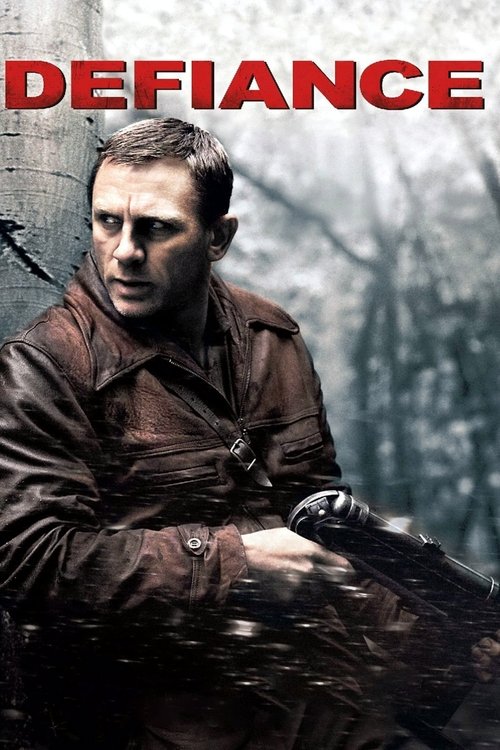
Defiance2008
Daniel Craig and Liev Schreiber as brothers leading Jewish partisans in Eastern Europe. A more action-forward story of resistance, showing another form of survival and agency.
But The action-movie elements sometimes feel at odds with the historical weight. Purists may find it oversimplified.
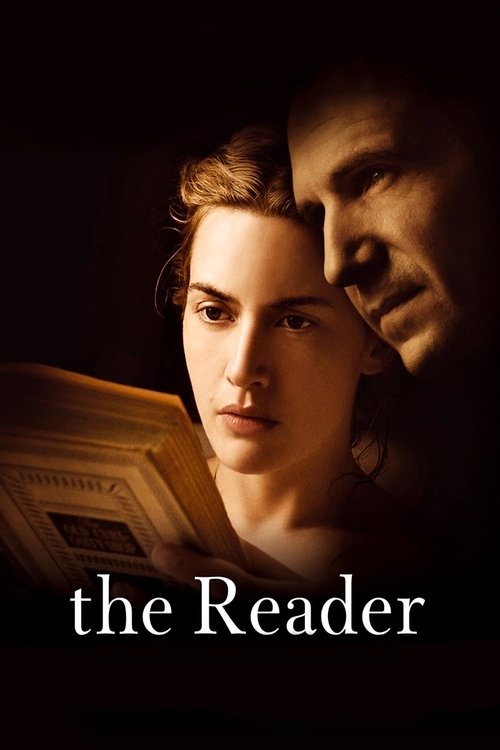
The Reader2008
Kate Winslet in a morally complex story set in post-war Germany, exploring complicity, shame, and the difficulty of moral judgment. It asks uncomfortable questions about ordinary people in extraordinary times.
But The central relationship is controversial; some viewers find the framing troubling or the moral relativism unconvincing.
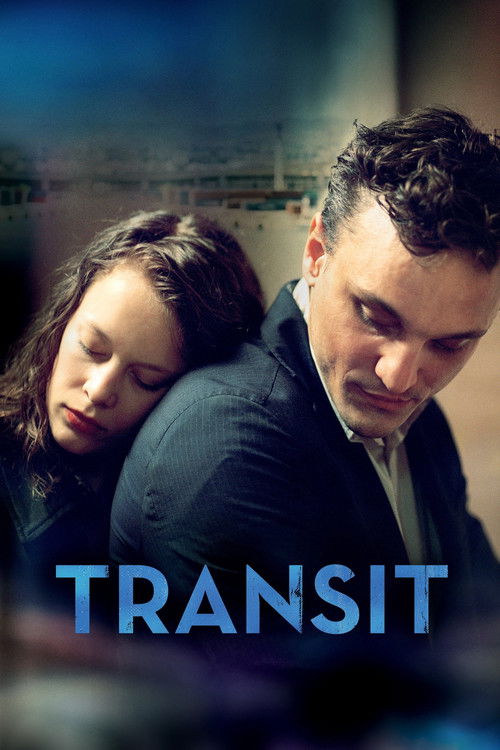
Transit2018
The inverse of the Kraus story: instead of saviors bringing children to safety, we follow the hunted and stateless. Both explore what it means to move a child across a border in an era of persecution, but Transit emphasizes the terror and futility where Kraus emphasizes the possibility of grace.
Christian Petzold's haunting, formally strange film about refugees in Marseille trying to escape occupied Europe. Shot in black and white with anachronistic production design, it feels like a dream of displacement and waiting. It's about rescue in the negative—the desperate effort to escape.
But The abstract aesthetic and non-realistic setting alienate many viewers. If you want historical authenticity and clarity, the strangeness will feel precious or confusing.
People
Cast
 Alan AldaNarrator (voice)
 Mamie GummerEleanor Kraus (voice)