
Film
Trumbo
Trumbo follows screenwriter Dalton Trumbo's defiant stand against McCarthyism, charting his blacklisting, underground work, and eventual vindication. Bryan Cranston delivers a performance of controlled fire—witty, principled, stubborn. It's a portrait of artistic integrity under siege, structured like a political thriller but grounded in the personal cost of conviction. For anyone who cares about the stakes of speaking truth to power.
Should you watch it?
Watch it if you enjoy backstage stories about the machinery of making movies, where a sharp mind and a stubborn streak do more damage to the powerful than any speech could.
Skip it if you expect a biopic to break new ground, since this one follows a familiar arc, leans on rousing speeches and feels more polished than surprising across 124 minutes.
What it asks of you: Two hours and four minutes of measured pacing, a mostly warm tone and dialogue that rewards close listening.
Not sure? Find tonight's pick in a minute.
If you liked this
Spotlight2015
A companion piece about institutions protecting powerful men. Both films pit determined individuals against systemic corruption, with meticulous investigation and moral clarity driving the narrative forward. Equally gripping, equally enraging.
But It moves slowly and deliberately. If you want urgency and momentum, this methodical approach may feel like watching an audit.

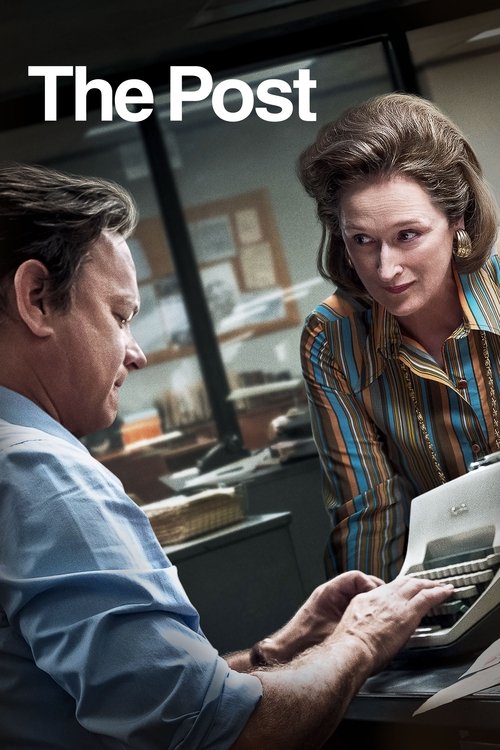
The Post2017
Meryl Streep and Tom Hanks face down the government over classified documents. Like Trumbo, it's about the press and freedom of speech colliding with state power—but it's more recent, more polished, and less interested in moral ambiguity.
But It's stirring rather than bracingly honest. The film knows whose side you're on from frame one, which is satisfying but less complex than Trumbo's examination of imperfect people making hard choices.
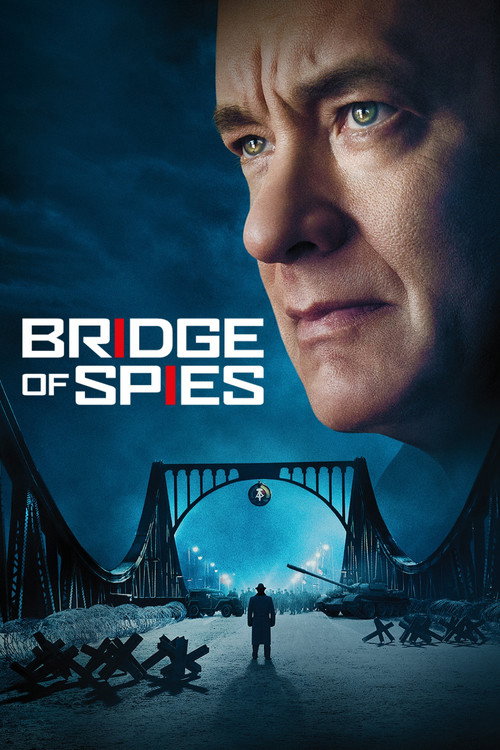
Bridge of Spies2015
Spielberg's Cold War spy thriller about a lawyer negotiating with the Soviet Union. Like Trumbo, it's about principled men refusing to compromise, but it trades political scandal for international intrigue—smarter and tenser.
But It's cerebral and slow-burn. Some find Spielberg's measured approach here glacial rather than suspenseful.
Not sure tonight? Get a pick in a minute, starting from Trumbo
The wildcard
Something you would not have found on your own.
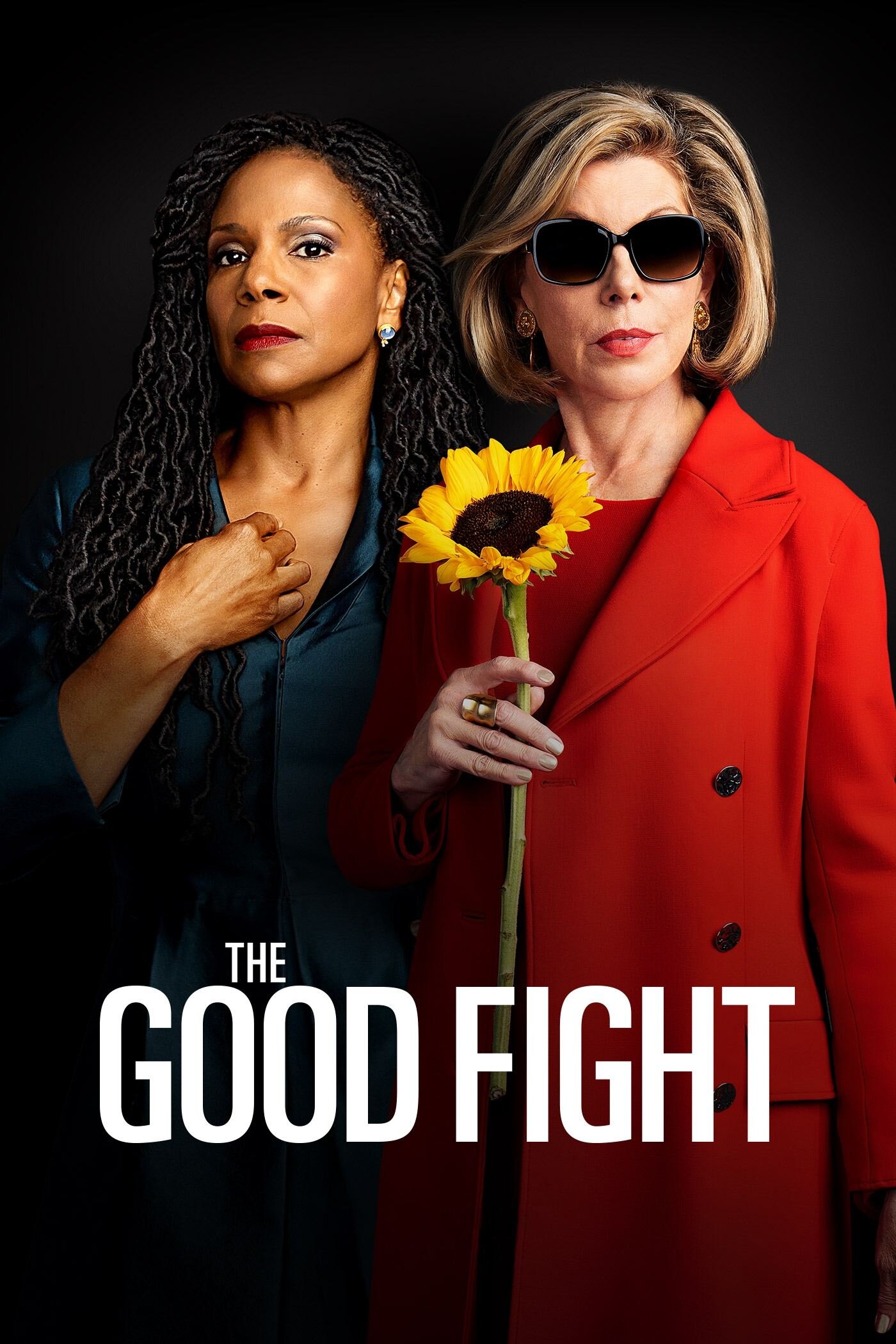
The Good Fight2017
Both are about principled professionals resisting state power and institutional pressure, facing professional ruin for their beliefs. One is historical; one is urgent. Together they ask: what does it cost to say no?
A legal thriller about lawyers defending civil liberties in Trump's America. It channels the same urgency and moral clarity as Trumbo but updates the fight: the same principle of dissent, the same institutional opposition, contemporary stakes that feel urgent now.
But It's a TV series with all the episodic baggage that entails. Some arcs meander; some weeks it's a procedural rather than a manifesto. Requires commitment.
More like this (8)
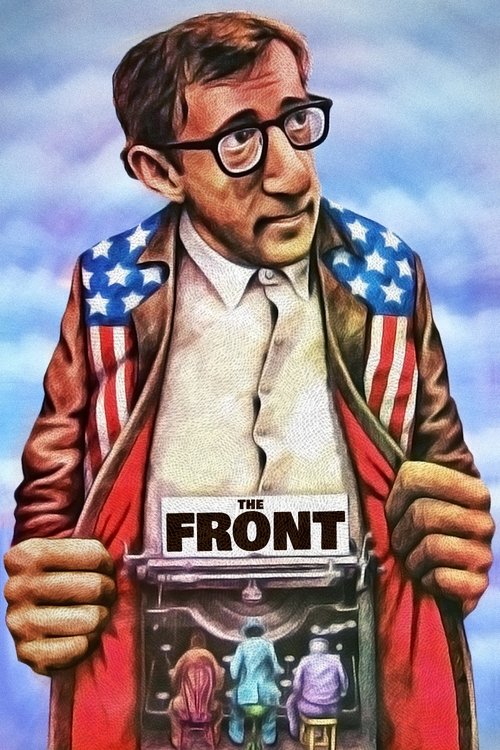
The Front1976
Woody Allen as a nebbish who fronts scripts for blacklisted writers. It's the blacklist era from the ground level, angrier and darker than Trumbo, with comic relief that never undercuts the injustice. A canonical artifact.
But It's vintage 1970s in look and sensibility. Allen's neurotic persona might feel dated or self-centered if you're not already sympathetic to his comedy.
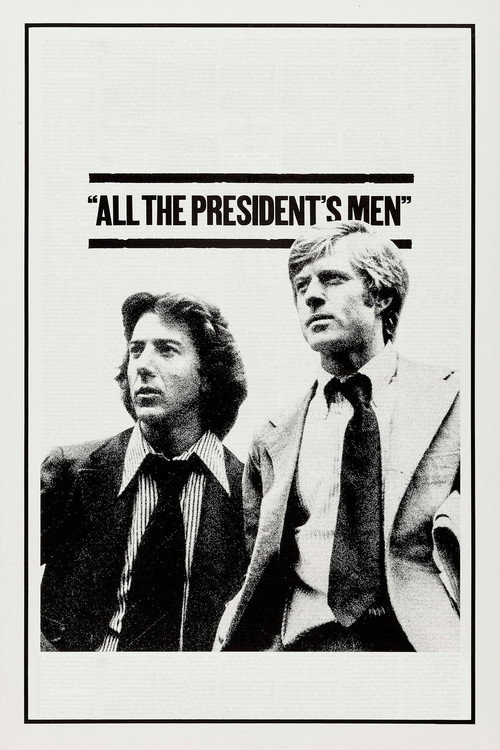
All the President's Men1976
Woodward and Bernstein chasing Watergate. Structurally perfect—investigative journalism as thriller. The same nervous energy as Trumbo but with faster pacing and clearer stakes. A masterclass in tension building.
But It's an ensemble film; Redford and Hoffman are equally matched. If you came for a single commanding performance like Cranston's, you'll be disappointed.
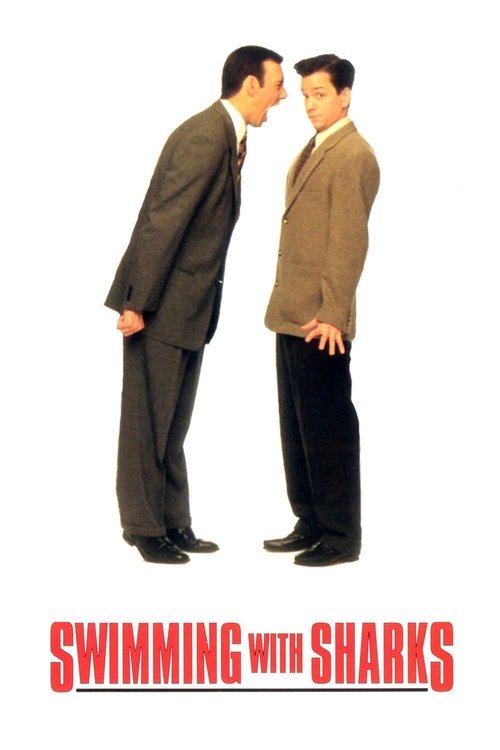
Swimming with Sharks1994
A documentary about the actual blacklisted screenwriters and directors Trumbo belonged to. Raw archival footage, interviews, and testimony. Essential context and far more detailed than any dramatization could be.
But It's a documentary, so no narrative drive or dramatic shape. Some sequences drag; others feel repetitive. Requires patience and genuine interest in the subject.
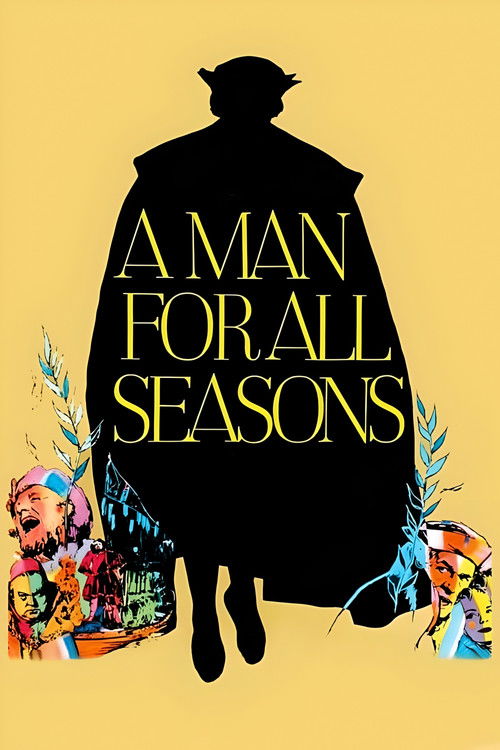
A Man for All Seasons1966
Paul Scofield as Thomas More, refusing to compromise his conscience against Henry VIII's tyranny. Both films are about principled men choosing conscience over expedience, watched by the camera with quiet respect.
But It's period costume drama from the 1960s. The pacing is stately to the point of stillness, and the morality is cleaner and less ambiguous than Trumbo's mess.
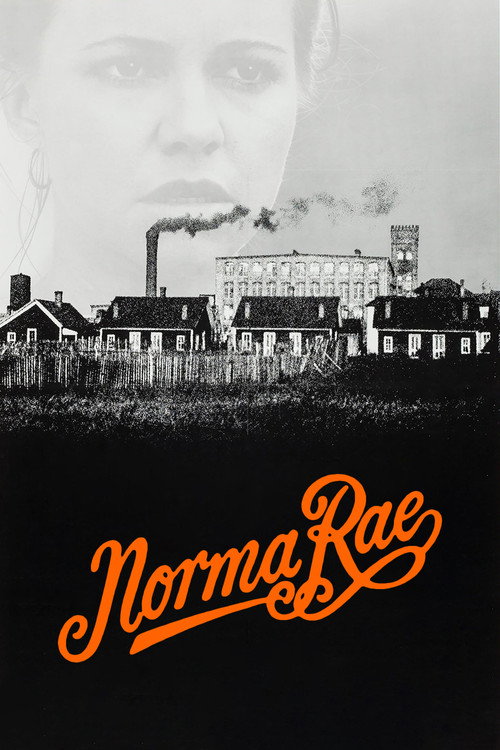
Norma Rae1979
Sally Field as a factory worker who becomes a labor organizer. Like Trumbo, it's about ordinary people standing up to institutional power and paying a personal price. The script crackles; Field is phenomenal.
But It's a smaller, grittier story than Trumbo's Hollywood glamour. Some find the earnestness heavy-handed, and the ending can feel too neat.
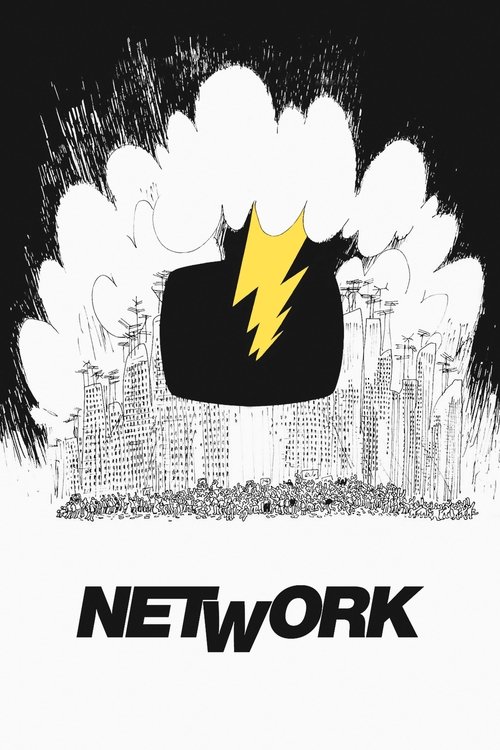
Network1976
Paddy Chayefsky's screenplay about broadcasting and corruption. It shares Trumbo's fury at institutional hypocrisy, but it's anarchic, surreal, and performed at fever pitch. A different kind of righteous anger entirely.
But It's deliberately excessive and agitprop. If you prefer subtlety and nuance, Network will feel like being shouted at for two hours.
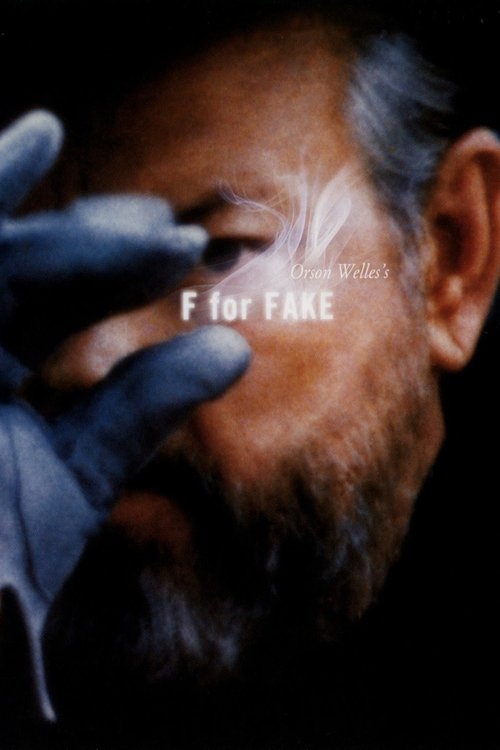
F for Fake1973
Both explore what happens when powerful institutions decide what is permitted to be true. Trumbo shows the cost; Welles shows the philosophy. One is earnest and linear; the other is a conceptual puzzle.
Orson Welles' essay-film about forgers, imposters, and authenticity. A formal experiment that asks who gets to decide what's real. It's oblique, playful, and utterly unlike Trumbo, but it shares the obsession with truth-telling under constraint.
But It's an avant-garde documentary-essay hybrid from 1973. It has no plot, no conventional structure, and Welles' narration can feel self-indulgent. If you want story, you will hate this.
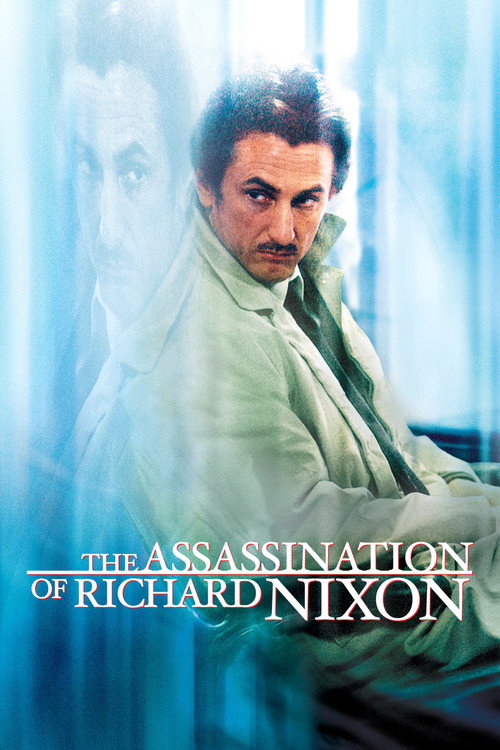
The Assassination of Richard Nixon2004
Both are about men destroyed by the machinery of power—but Trumbo finds redemption and legacy; this one finds only the abyss. They're the same story told in major and minor keys.
Sean Penn as an unstable man on the edge of violence, his politics collapsing into rage. It's about conviction and powerlessness, but it's the dark mirror of Trumbo—what happens when principle becomes obsession and conviction becomes pathology.
But It's bleak, unsettling, and offers no vindication. The film watches suffering without relief. If you watch Trumbo for inspiration, this will feel crushing and nihilistic by comparison.
People
Cast
 Bryan CranstonDalton Trumbo
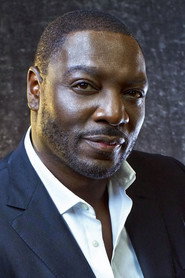 Adewale Akinnuoye-AgbajeVirgil Brooks
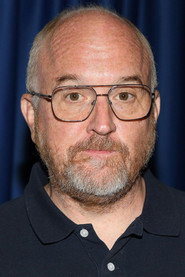 Louis C.K.Arlen Hird
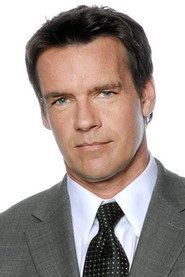 David James ElliottJohn Wayne
 Elle FanningNiki Trumbo
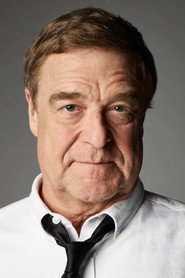 John GoodmanFrank King
 Diane LaneCleo Trumbo
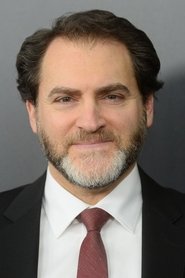 Michael StuhlbargEdward G. Robinson
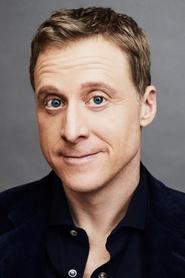 Alan TudykIan McLellan Hunter
 Helen MirrenHedda Hopper
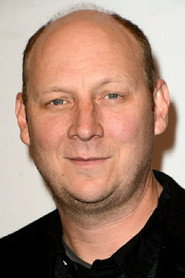 Dan BakkedahlRoy Brewer
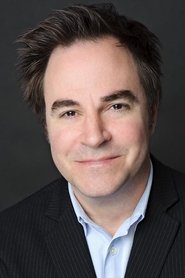 Roger BartBuddy Ross
Directing
- Jay RoachDirector
- George ParraFirst Assistant Director
- Scott AugustSecond Assistant Director
Writing
- Bruce CookBook
- John McNamaraWriter
Production
- Laurie LieserAssociate Producer
- David RubinCasting
- Michelle GrahamCo-Producer
- Kelly MullenExecutive Producer
- Janice WilliamsProducer
- Jay RoachProducer
- John McNamaraProducer
- Kevin Kelly BrownProducer
- Michael LondonProducer
- Monica LevinsonProducer
- Nimitt MankadProducer
- Shivani RawatProducer
- Monica LevinsonUnit Production Manager
Recommended by
Hannah Arendt, The Disaster Artist, Being the Ricardos, Hollywood on Trial