Television series
Mussolini and I
A four-hour HBO miniseries dramatizing the fall of Mussolini's regime through the eyes of his son-in-law, Count Galeazzo Ciano, using Ciano's actual diaries as its source. Anthony Hopkins and Susan Sarandon anchor this tense, intimate portrait of power, betrayal, and moral compromise at fascism's collapse. Essential historical drama that lets you inhabit the inner circle rather than observe it from outside.
Should you watch it?
Watch it if you want a close, talky look at how power corrodes a family and a regime from the inside, seen through the diaries of someone who was there and kept his own counsel.
Skip it if you need fast pacing or a fictional story, since this is a talky, documentary-style reconstruction built on memoir, with long stretches of political dialogue and little spectacle.
What it asks of you: Four hour-long parts, roughly four hours in total, unhurried and dialogue-heavy, with a sober tone rather than a sensational one that rewards sustained attention.
Not sure? Find tonight's pick in a minute.
If you liked this
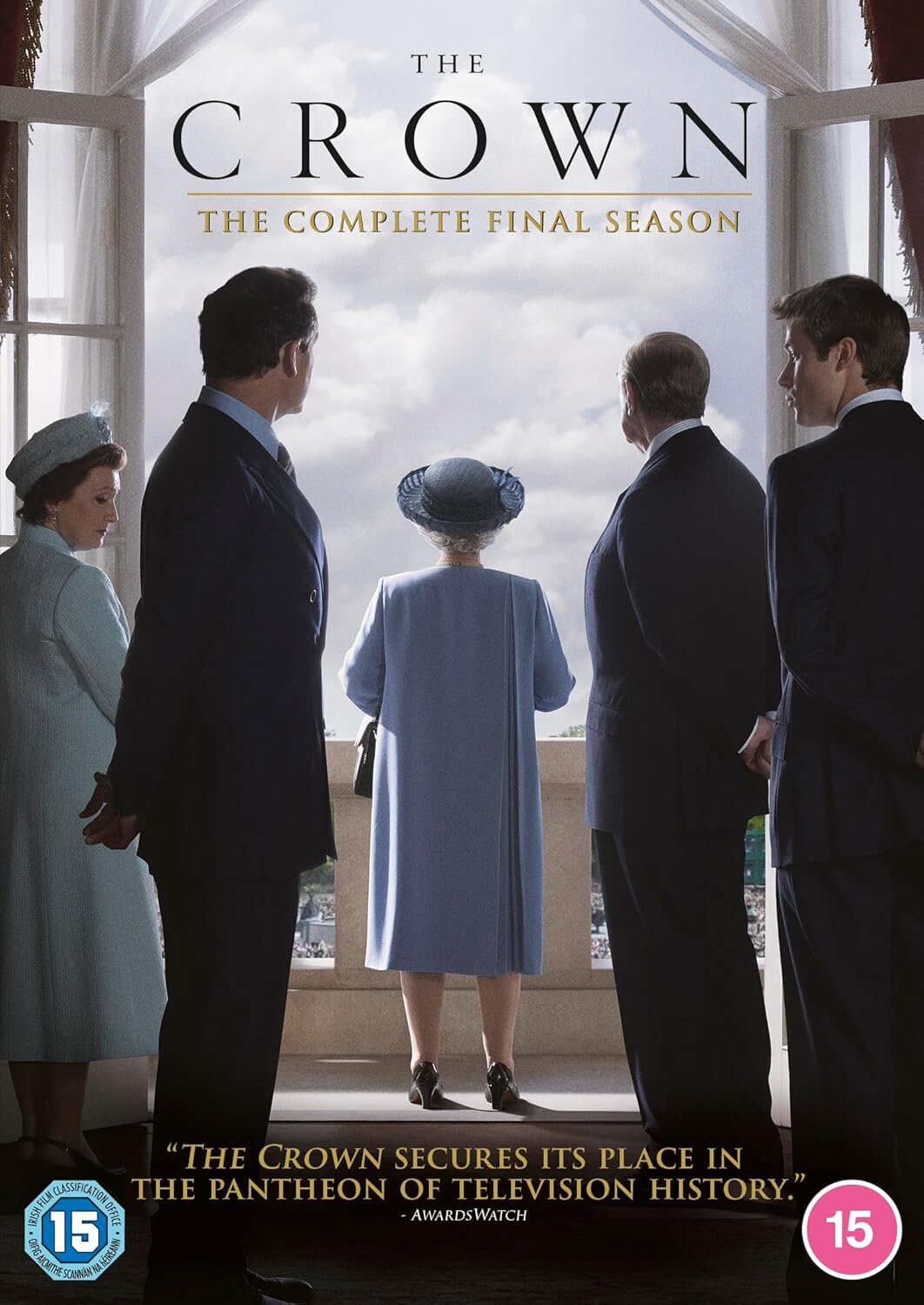
The Crown2016
Like Mussolini and I, it uses historical records and private correspondence to dramatize power struggles within elite families. Both shows excel at showing how personal loyalty and political obligation tear people apart from within.
But The Crown spans decades across multiple seasons. If you want something contained and intense like the miniseries, the sheer scope might feel diffuse.
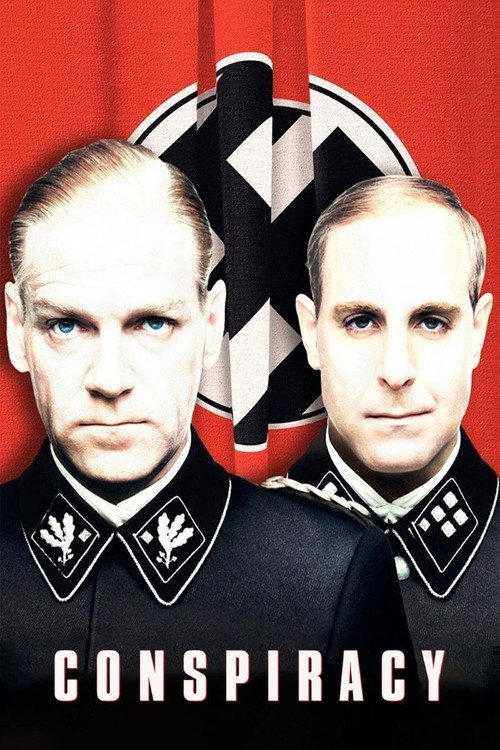
Conspiracy2001
Another HBO historical drama about fascism's machinery, centered on the Wannsee Conference. It shares the miniseries' unflinching approach to how ordinary men rationalize extraordinary evil, with the same claustrophobic intensity.
But It's a single room, a single meeting. Some find that claustrophobic rather than gripping. There's no relief, just spreadsheets of atrocity.
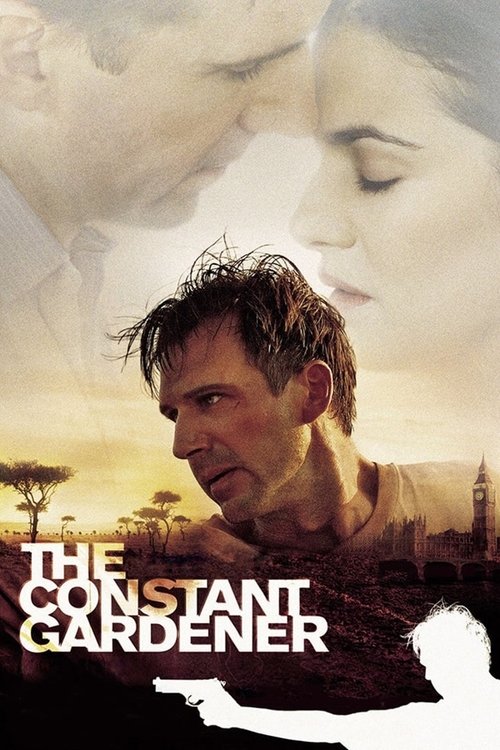
The Constant Gardener2005
Ralph Fiennes as a man confronting institutional corruption and the cost of complicity. Like Ciano's journey, it's about watching someone wake to their own moral compromises too late.
But It's slower and more melancholic than a typical thriller. The political anger simmers rather than explodes.
Not sure tonight? Get a pick in a minute, starting from Mussolini and I
The wildcard
Something you would not have found on your own.
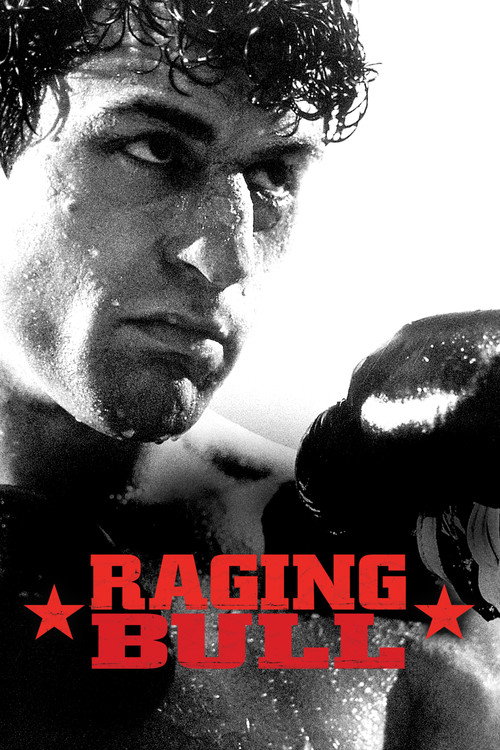
Raging Bull1980
Both examine how proximity to power—whether in the ring or in government—destroys the moral architecture of good men. Both are love stories corrupted by ambition.
Scorsese's De Niro vehicle looks nothing like a historical drama, but both works use intimate, brutal close-ups to show how power—physical or political—corrupts the people who hold it. The marriage between ambition and self-destruction is the same skeleton.
But It's about a boxer, not fascism. Black-and-white, visceral rather than intellectual. You have to let the analogy do the work yourself.
More like this (8)
A Prophet2009
Tahar Rahim's rise through a prison hierarchy mirrors Ciano's tragedy in reverse—watching someone navigate power structures that will ultimately consume them. Stunning performance, brutal realism.
But French prison drama with subtitles. The violence is startling and the tone is relentlessly grim. Lighter viewing this is not.

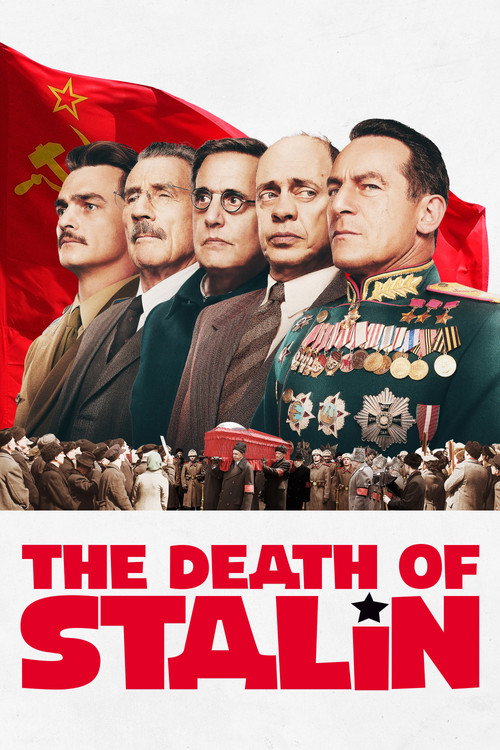
The Death of Stalin2017
A black comedy about power vacuum and betrayal in the Soviet inner circle. Shares the miniseries' interest in how regimes eat their own, but finds gallows humor in the mess.
But The satirical tone might feel disrespectful if you want your history served straight. The Soviet setting and style are very different from fascist Italy.
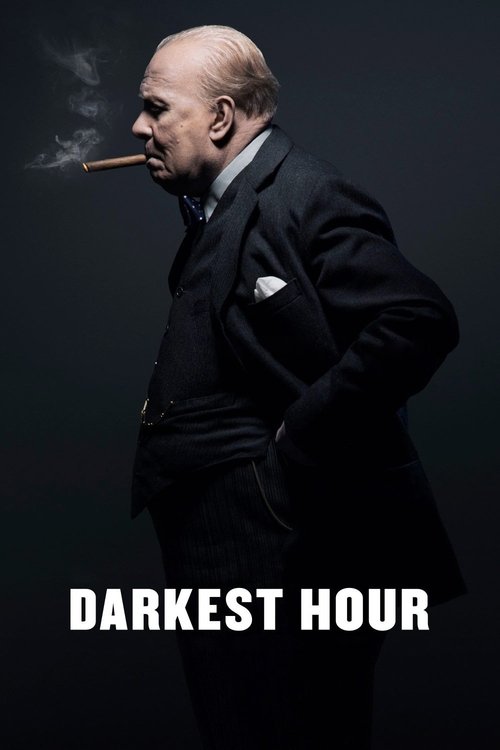
Darkest Hour2017
Gary Oldman as Churchill navigating the machinery of government during Nazi Europe's darkest moment. A counterpoint to Mussolini and I—what happens when the inner circle chooses principle over expedience.
But It's basically a British establishment pat-on-the-back. The moral clarity can feel simplistic compared to the miniseries' moral fog.
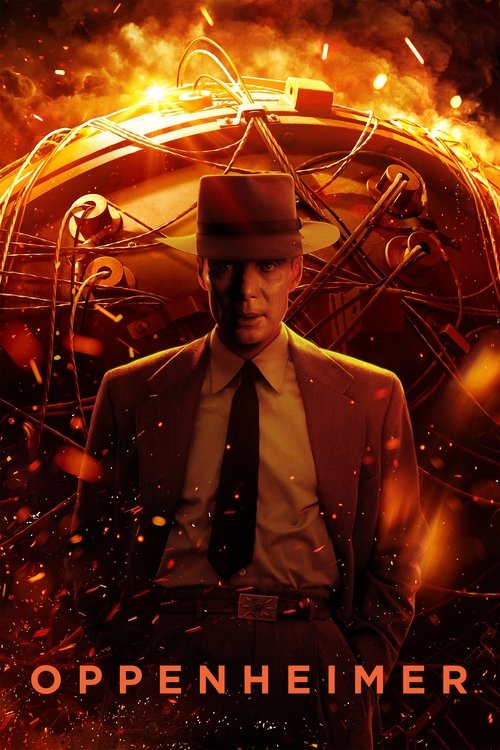
Oppenheimer2023
Cillian Murphy as a man whose genius becomes entangled with state power and conscience. Shares the miniseries' interest in how proximity to evil compromises good people with good intentions.
But It's three and a half hours and structurally complex. The non-linear storytelling can feel like work rather than immersion.
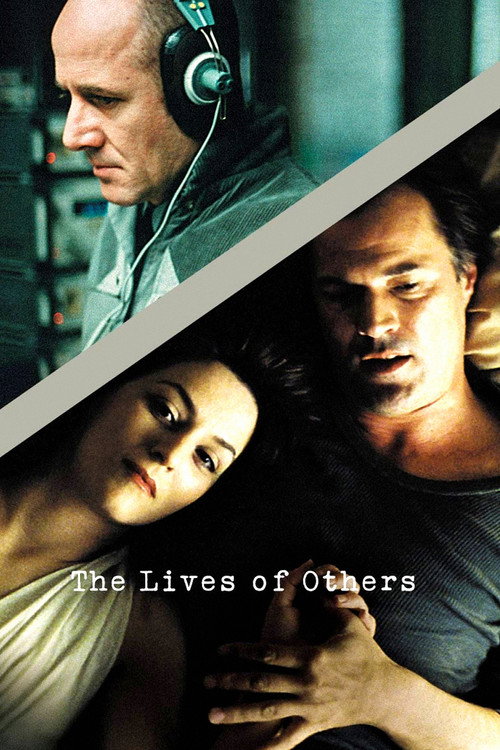
The Lives of Others2006
A Stasi officer begins to question the regime he serves. The slow moral awakening echoes Ciano's impossible position—loving your country while watching it become monstrous.
But It's a whisper of a film. If you want drama, this moves at a glacial pace. German with subtitles.
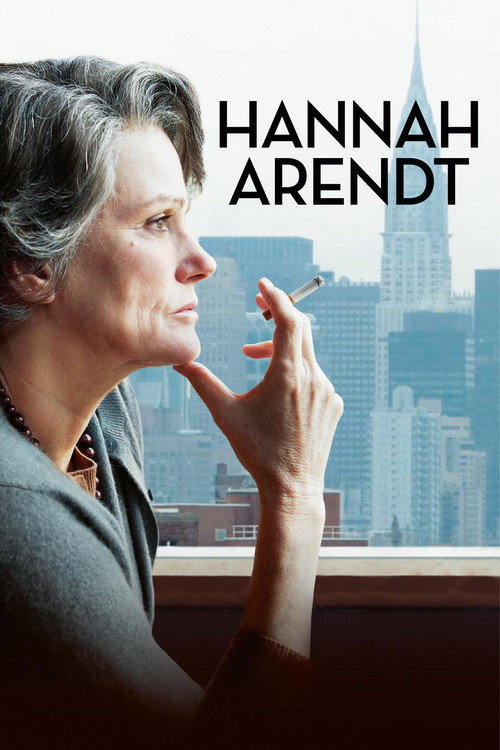
Hannah Arendt2012
About the philosopher grappling with Eichmann's trial and the question of how ordinary people become architects of genocide. Shares the miniseries' intellectual rigor about complicity.
But It's a talking-heads film about ideas. Long scenes of people discussing philosophy. If you want action, wrong choice entirely.
Stalker1979
Both are meditations on how intelligent people justify unjustifiable positions. Both demand you sit with moral discomfort rather than resolve it.
Tarkovsky's science fiction film about longing, power, and the weight of choices made in service of desire. Like Mussolini and I, it's obsessed with how people rationalize the unforgivable and the interior cost of complicity. Hypnotic and unearthly.
But It's Soviet experimental cinema. Glacially slow, dialogue-light, deeply philosophical. Subtitled. If you want entertainment, this will test your patience.

The Leopard1963
Both are about Italians watching the old order die and discovering they're complicit in its crimes. Both insist that tragedy and beauty can coexist.
Visconti's masterpiece about an Italian aristocrat watching his world collapse during unification. It shares the miniseries' elegiac tone—the sense that even the good people in doomed systems cannot escape their fate. Sumptuous, tragic, perfect.
But Italian cinema from the 1960s. Three hours, subtitled, more interested in atmosphere than plot. You need patience and the mood to sit still.