
Film
Diana: In Her Own Words
Using Diana's own voice recordings with her coach, this documentary traces her life from shy aristocrat to global icon to tragedy, letting her speak in her own cadence and idiom rather than through narration. It's intimate and unnervingly present—you hear her thinking, hesitating, laughing. Essential viewing for anyone curious about the gap between the myth and the person.
If you liked this
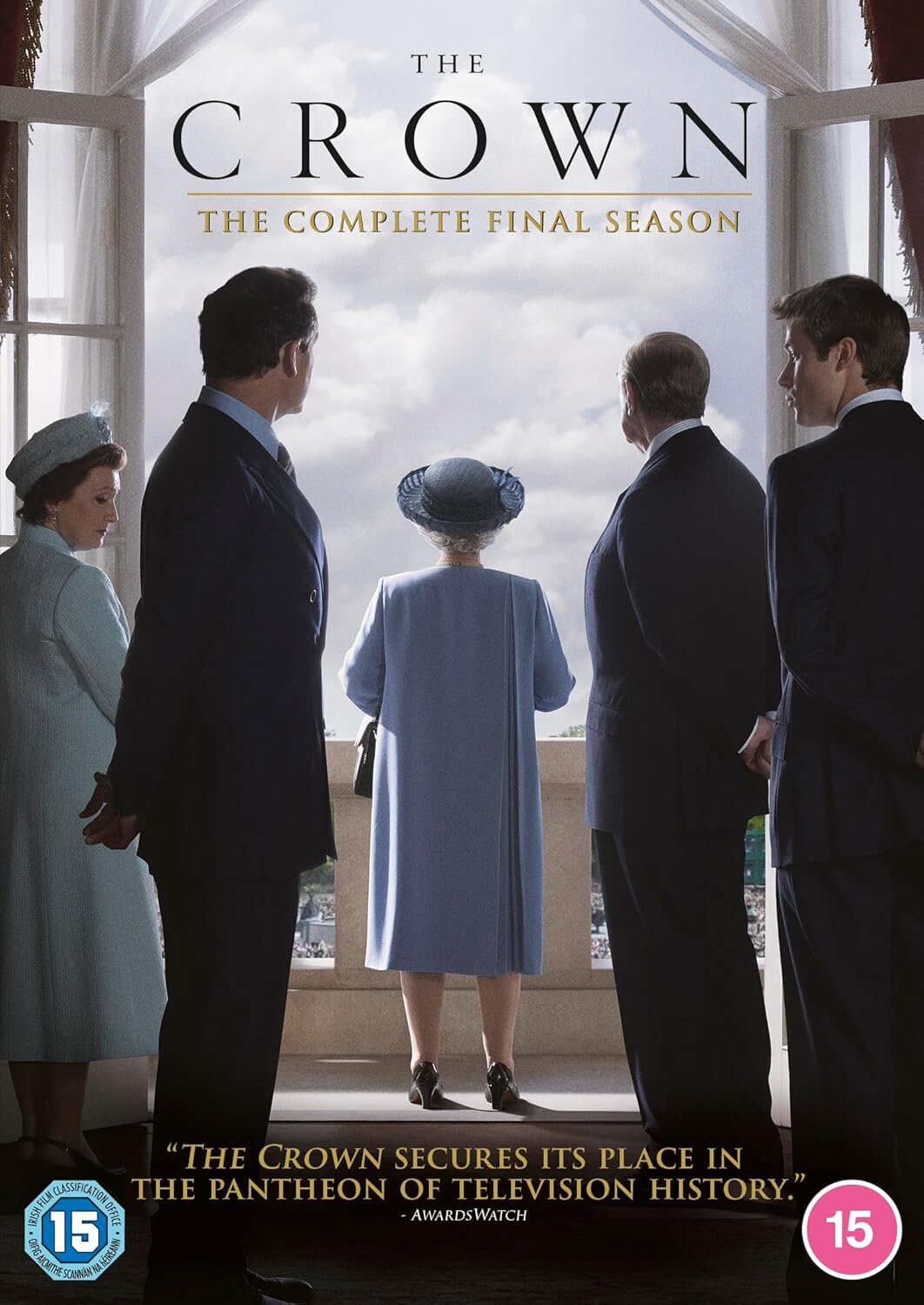
The Crown2016
Netflix's dramatization of the royal family gives Diana's story the full narrative treatment, with Claire Foy and later Emma Corrin playing Elizabeth and Diana across decades. It deepens context for what you hear in the recordings.
But Fictionalizing real trauma can feel exploitative, and the show takes enormous creative liberties with private conversations and motivations that nobody actually knows.
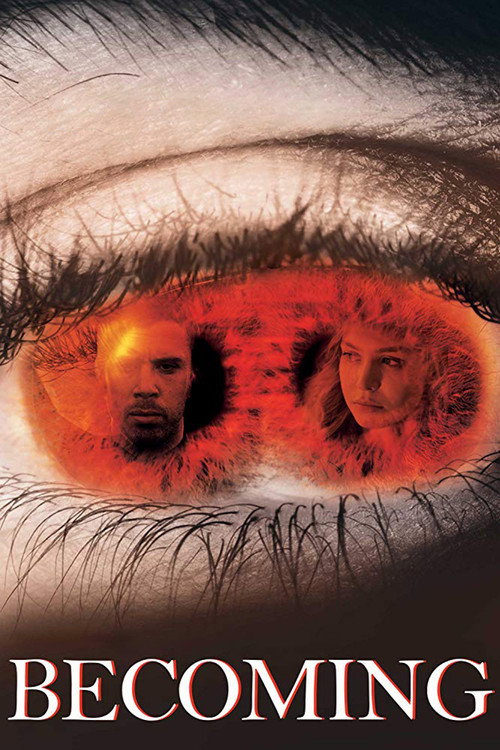
Becoming2020
Michelle Obama's documentary uses her own voice and archival material to trace how a person becomes public property. Similar structure, similar meditation on identity shaped by expectation and duty.
But If you're looking for scandal or drama, this is resolutely interior and reflective. Some find it slow.
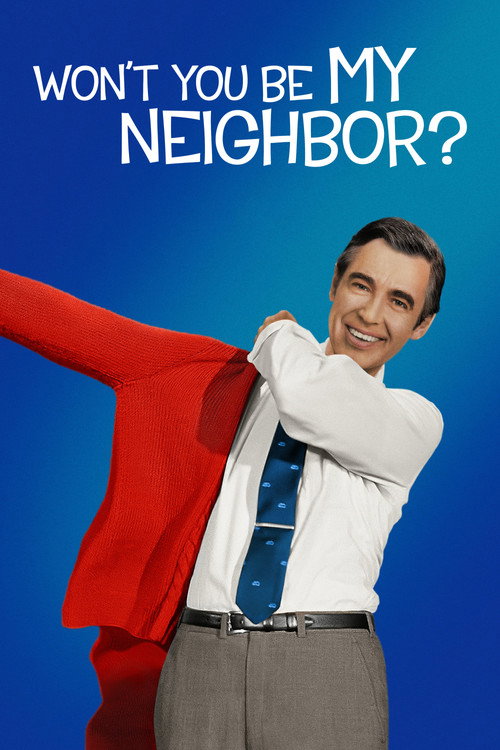
Won't You Be My Neighbor?2018
Documentary about Fred Rogers using archival footage and testimony to recover the man from the icon. Same impulse: stripping away mythology to find the actual human being underneath.
But Gentler in tone than Diana's recordings, and about a figure most people already liked. Less of the internal conflict or public contradiction.
Not sure tonight? Get a pick in a minute, starting from Diana: In Her Own Words
The wildcard
Something you would not have found on your own.
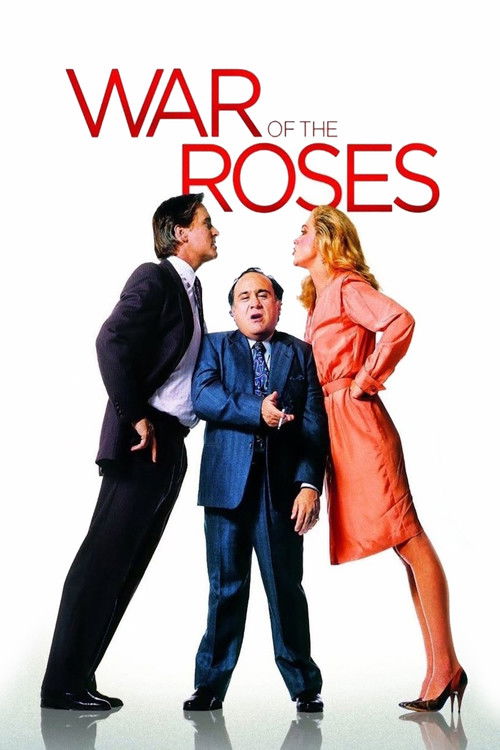
The War of the Roses1989
Both explore how love and duty can become a cage. Diana's recordings have the same undertone of two people in an impossible story with no exit. The Roses do it as horror-comedy; Diana's recordings are the real-time experience of it.
Michael Douglas and Kathleen Turner in a pitch-black dark comedy about a marriage that becomes a war. No royalty, no documentary—but it's about two people locked in a narrative neither can escape, trapped by duty and expectation.
But It's deliberately nasty and tragicomic. If you want something that treats its subject with reverence, this will feel like desecration.
More like this (7)
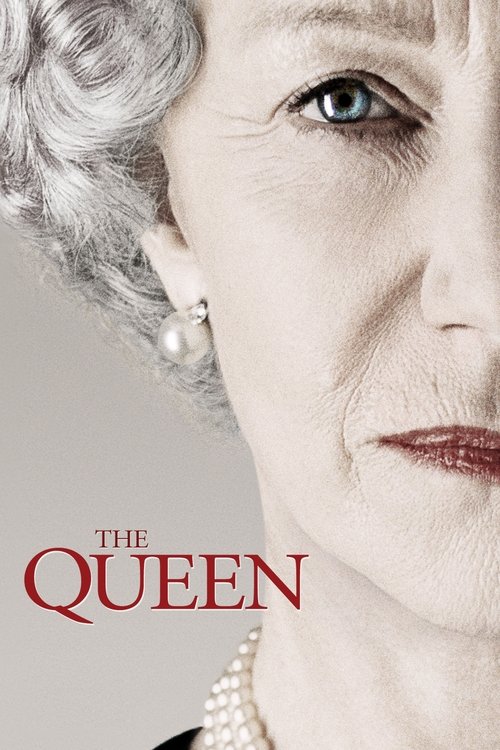
The Queen2006
Stephen Frears' film dramatizes the week after Diana's death, focusing on Elizabeth II's struggle between duty and humanity. Perfect counterpoint to Diana's voice—shows the other side of that fractured relationship.
But It's Elizabeth's perspective, not Diana's, and it's a carefully crafted drama rather than documentary truth. Some find it overly sympathetic to the monarchy.
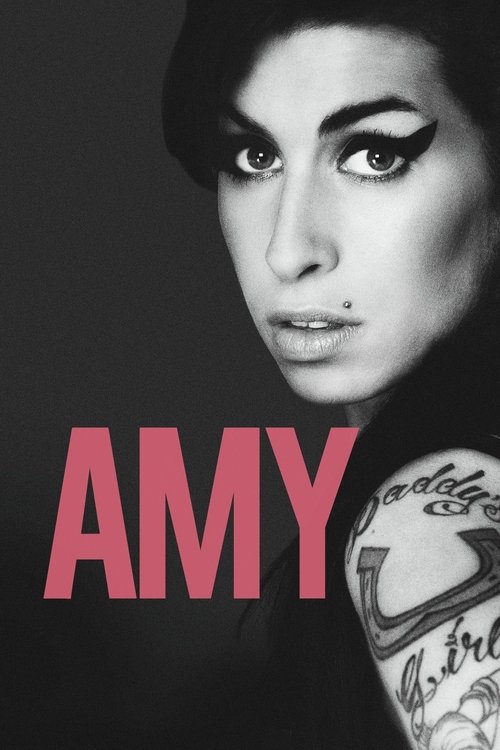
Amy2015
Asif Kapadia's documentary about Amy Winehouse uses archival footage and voice to trace how fame devours a person. The structure and mood—intimate recordings against public mythology—runs parallel to Diana's story.
But Relentlessly dark and tragic. If Diana's recordings move you, this will devastate you. Heavy subject matter throughout.
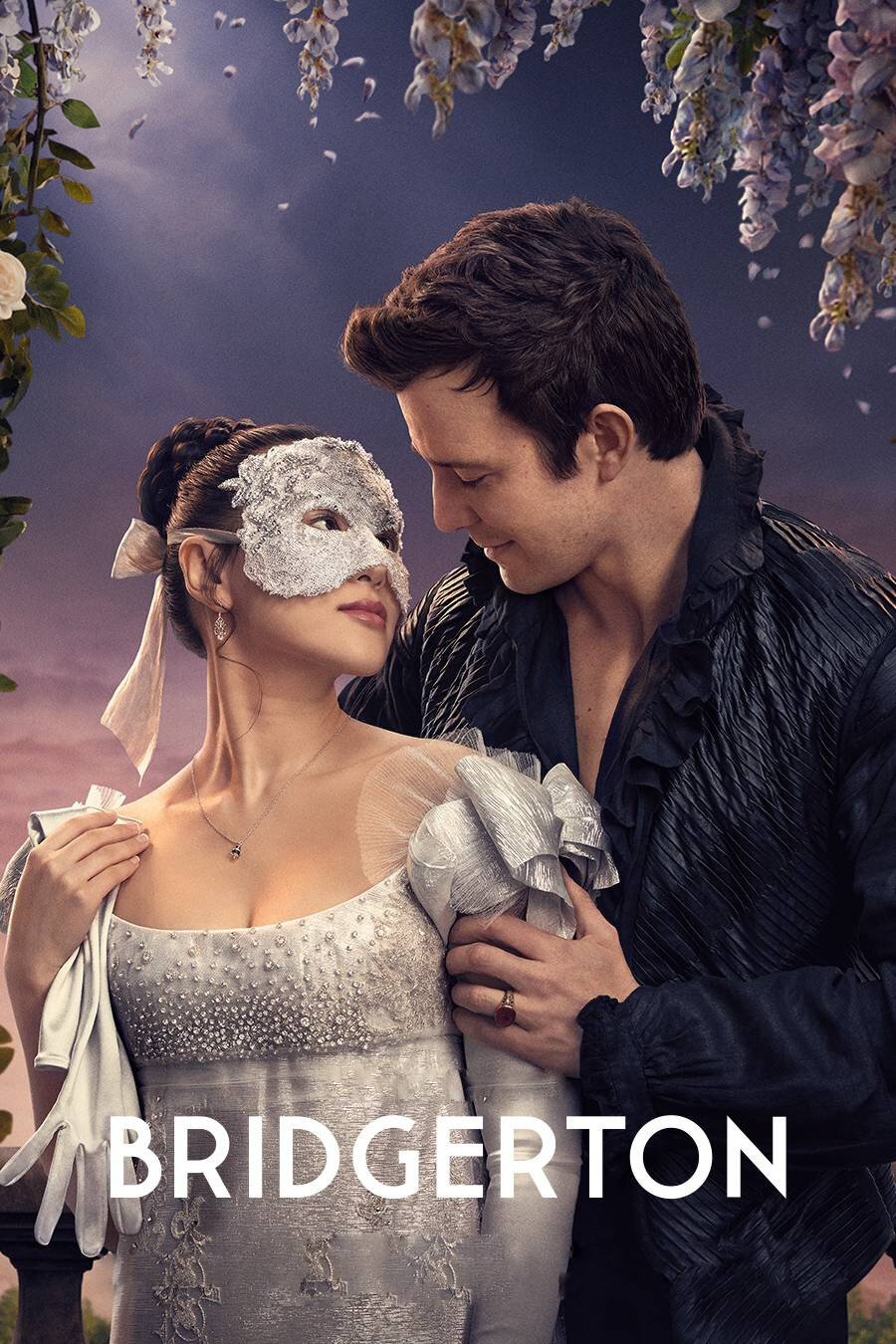
Bridgerton2020
Season 4 focuses on the Bridgerton family and Regency-era romance, but Season 3 plays with how narratives about women's lives get written and rewritten by society. Good for thinking about Diana as constructed story.
But It's a frothy period romance, not a documentary. The connection is thematic rather than factual. Some find it too silly to sit alongside serious material.
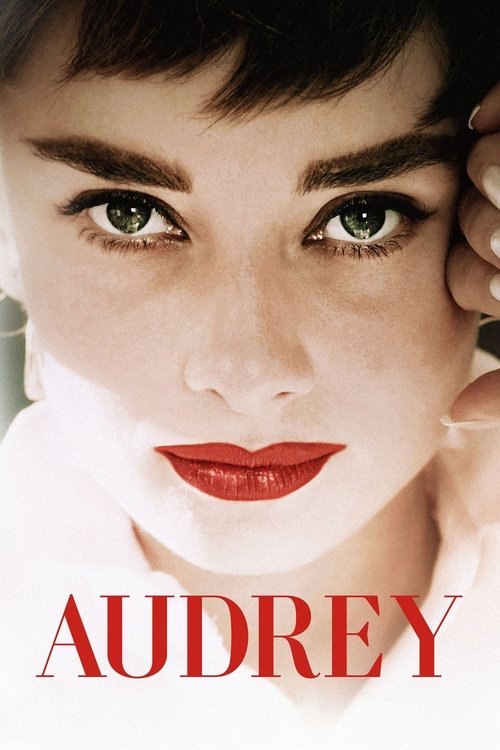
Audrey2020
Documentary about Audrey Hepburn using personal recordings and archive to build an intimate portrait of a woman carefully constructed by Hollywood. Similar DNA: how a person becomes a symbol.
But Hepburn was far more private and controlled about her image. Less raw internal conflict than Diana's recordings offer.
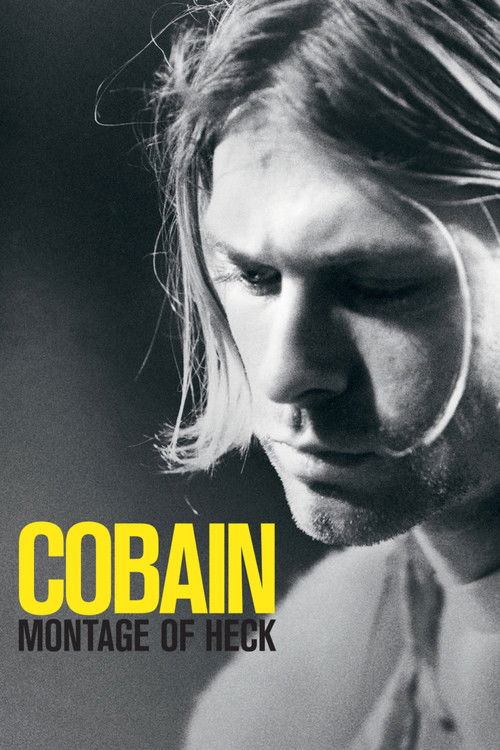
Cobain: Montage of Heck2015
Brett Morgen's experimental documentary uses animation, archival footage, and Cobain's own voice to explore fame and mental illness. Unconventional form that generates real insight.
But The animation and collage technique can feel distancing. Some viewers find the formal experimentation gets in the way of the subject matter rather than serving it.
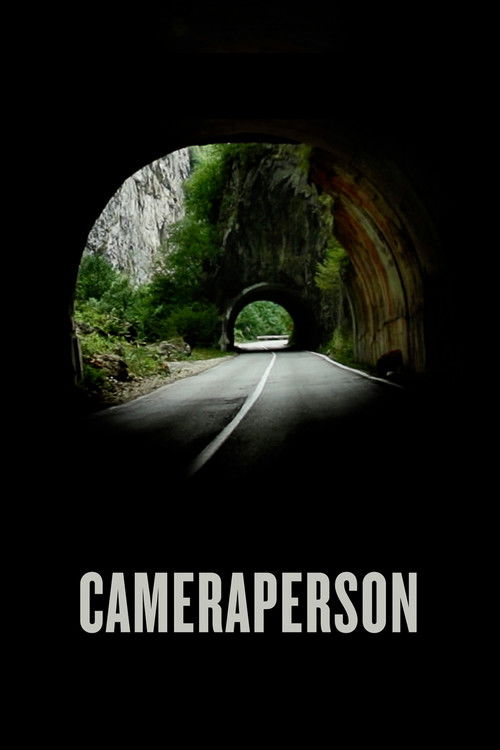
Cameraperson2016
Both use the power of unmediated presence—someone's actual voice or gaze rather than interpretation. Diana's recordings in her own words mirror Cameraperson's commitment to showing rather than telling. Both trust the audience to feel the weight.
Kirsten Johnson's experimental documentary is composed entirely of footage she shot over 25 years as a documentary cinematographer. No interviews, no voice-over—just images, silence, and what emerges between them. Radical act of bearing witness.
But It's deliberately fragmented and abstract. If you want a clear narrative or conventional documentary structure, this will frustrate you deeply. Some find it self-indulgent.
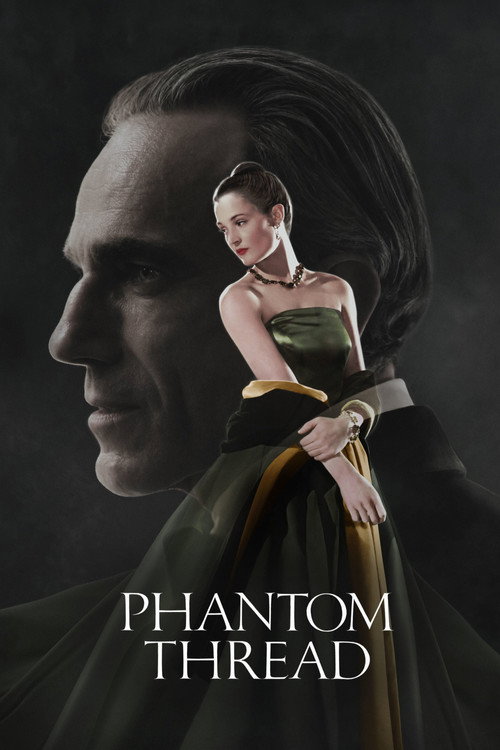
Phantom Thread2017
Same year as Diana, same obsession with how a person can become a garment on someone else's body. Day-Lewis's character and Diana's recorded struggle both grapple with the unbearable weight of being made into something beautiful and immobile.
Paul Thomas Anderson's film about a fashion designer and his muse is a psychological thriller about people performing versions of themselves for each other. Daniel Day-Lewis plays a man for whom duty and control are everything.
But Glacial pacing, bleak without catharsis. The muse's agency is ambiguous in ways some find troubling. Beautiful but cold.
People
Cast
 Diana, Princess of WalesSelf (archive footage)
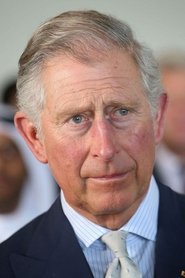 King Charles III of the United KingdomSelf (archive footage)
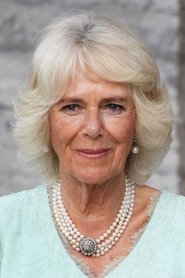 Queen Camilla of the United KingdomSelf (archive footage)
- Frances Shand KyddSelf (archive footage)
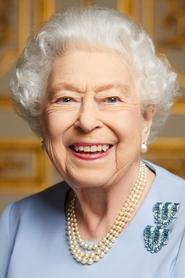 Elizabeth II of the United KingdomSelf (archive footage)
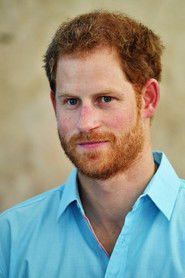 Prince Harry, Duke of SussexSelf (archive footage)
 William, Prince of WalesSelf (archive footage)
Directing
- Tom JenningsDirector
Writing
- David TillmanWriter
- Tom JenningsWriter
Production
- Amy DaxAssociate Producer
- Chris MorcomAssociate Producer
- Melanie CunninghamAssociate Producer
- Tobiah BlackAssociate Producer
- Tom JenningsExecutive Producer
- Ellen FarmerLine Producer
- David TillmanProducer
- Hayley PogueResearcher
- Simon BrooksbankResearcher
Recommended by
The First Monday in May, In Vogue: The Editor's Eye, Helmut Newton: The Bad and the Beautiful