
Film
Helmut Newton: The Bad and the Beautiful
A documentary told almost entirely through the women who posed for Helmut Newton, one of photography's most controversial figures. Rather than Newton explaining himself, his muses—from Isabella Rossellini to Grace Jones—interpret his legacy, his gaze, and the question that haunted his work: were they subjects or objects? Intimate, visually stunning, and genuinely unsettling.
Should you watch it?
Watch it if you are curious how a famous photograph gets made, and you like hearing the women who stood before his lens weigh in on what his pictures did to them.
Skip it if you want a tidy biography with a clear arc, since this is a patchwork of reflections, archive footage and opinions that circles the same provocative question rather than resolving it.
What it asks of you: It runs about an hour and a half and stays in conversation mode, so it rewards patience with ideas more than it delivers momentum.
Not sure? Find tonight's pick in a minute.
If you liked this
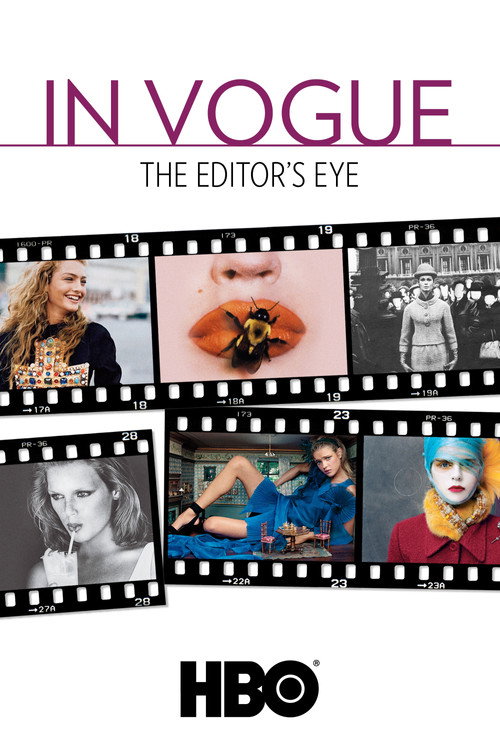
In Vogue: The Editor's Eye2012
A parallel documentary about another towering figure in fashion imagery. Explores how visual language shapes culture and who controls the narrative around beauty, style, and power.
But Lighter in tone and less philosophically restless. Celebration rather than interrogation.
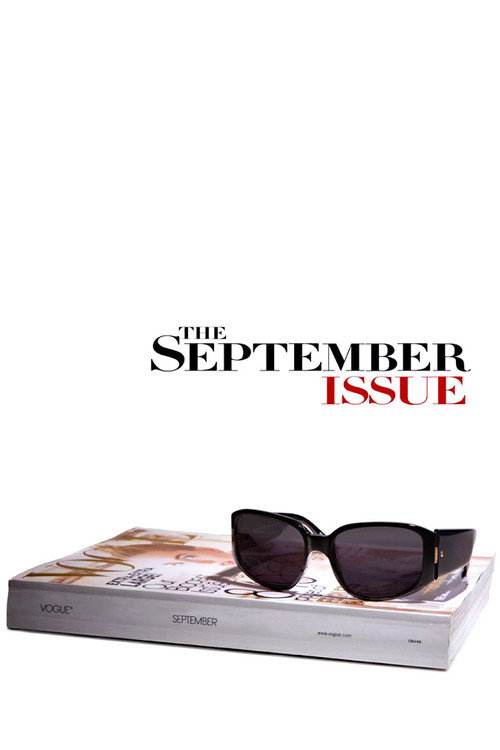
The September Issue2009
Anna Wintour appears here too, but this time as the subject. A fascinating counterpoint about authority, vision, and the machinery behind iconic imagery in high fashion.
But Primarily about magazine production logistics. Fashion documentary rather than a reckoning with artistic legacy.
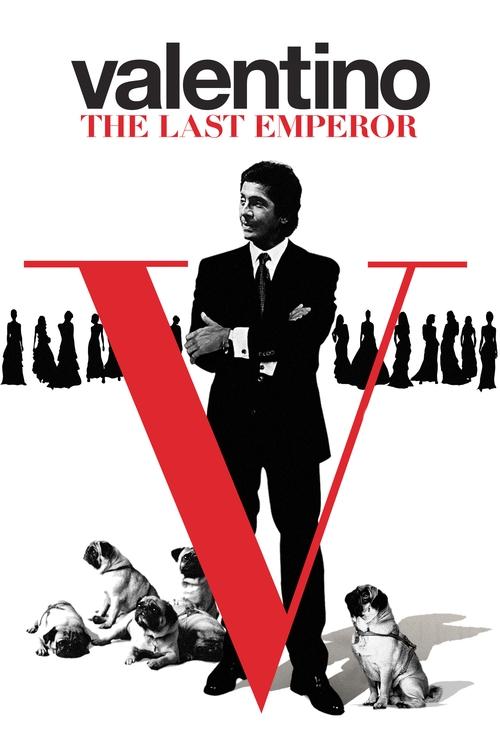
Valentino: The Last Emperor2008
Another portrait of a visionary designer whose work shaped how we see beauty and desire. Explores legacy, influence, and the distance between the man and the myth.
But Much more reverential. This is a love letter, not a provocation or critical reassessment.
Not sure tonight? Get a pick in a minute, starting from Helmut Newton: The Bad and the Beautiful
The wildcard
Something you would not have found on your own.
Possession1981
Both works grapple with the objectifying gaze and flip it—here the camera is disoriented by the woman's power rather than mastering her. Both ask what happens when you look too hard at another person.
Andrzej Żuławski's fever dream about a marriage disintegrating uses female bodies and female sexuality as the site of obsession, power, and the incomprehensibility between people. Isabelle Adjani gives one of cinema's most extreme performances—not as an object for the camera but as a force that overwhelms it.
But Surreal, sexually explicit, and genuinely disturbing. Difficult to watch. No conventional narrative comfort.

More like this (3)
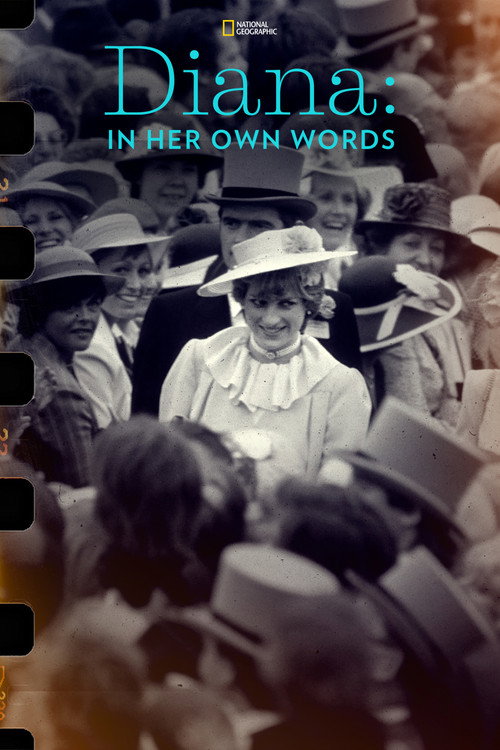
Diana: In Her Own Words2017
Uses archive footage and interviews to let Diana Spencer reclaim her narrative from the photographers and journalists who defined her image. Thematic mirror to Newton's muses speaking back.
But Documentary about a life rather than about image-making itself. Might feel less formally rigorous.
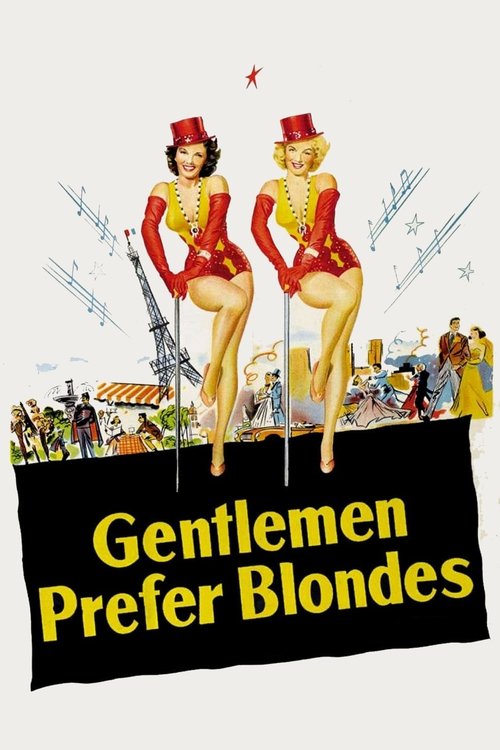
Gentlemen Prefer Blondes1953
Newton photographs beautiful women aware of their beauty; Monroe *performs* that awareness and turns it into its own form of power. Both explore the difference between being looked at and being in control of the looking.
Marilyn Monroe in the role of a lifetime, playing a woman who is completely aware of her own image and weaponizes it. Howard Hawks's film is actually about female agency and economics disguised as a musical. Monroe seizes the camera.
But A 1953 musical. Might read as campy or dated if you're expecting Newton's intellectual provocation rather than entertainment.
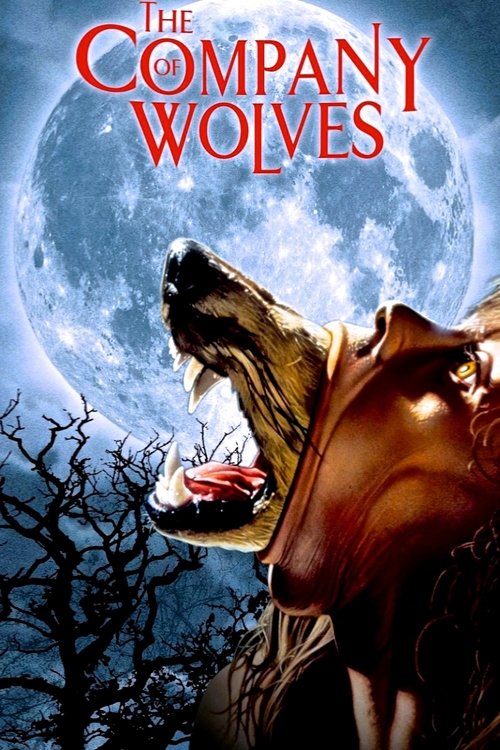
The Company of Wolves1984
Like Newton's work, it's obsessed with female sexuality and the male desire to possess or devour it—but here it's told from inside the woman's subconscious, as nightmare and metamorphosis rather than as still photography. Both ask uncomfortable questions about who owns the image.
Neil Jordan's fever dream of female sexuality, danger, and transformation. Surreal, visceral, gorgeously shot. A woman's nightmare about her own body and desire. Deeply weird and absolutely assured in its vision.
But Abstract and dreamlike rather than documentary or grounded. No conventional plot. Requires patience and comfort with ambiguity.
People
Cast
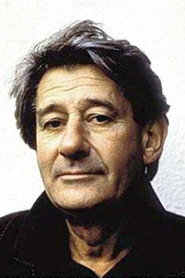 Helmut NewtonSelf (archive footage)
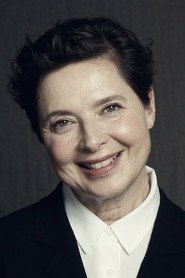
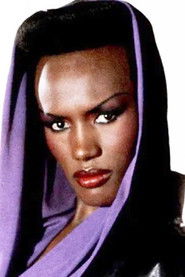 Grace JonesSelf
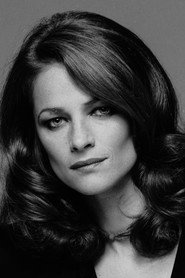
 Anna WintourSelf
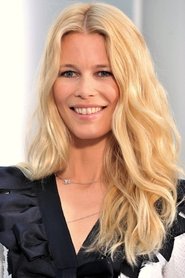 Claudia SchifferSelf
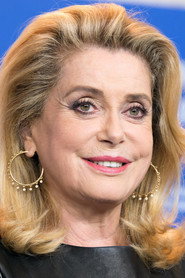
- Sylvia GobbelSelf
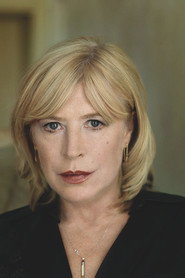 Marianne FaithfullS elf
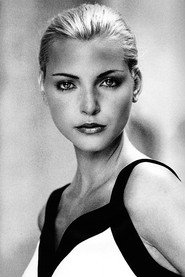 Nadja AuermannSelf
- Phyllis PosnickSelf
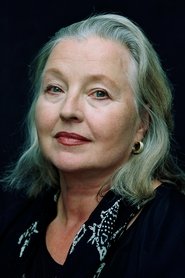 Hanna SchygullaSelf
Directing
- Gero von BoehmDirector
Writing
- Gero von BoehmScreenplay
Production
- Torsten BönnhoffCo-Producer
- Felix von BoehmProducer
Recommended by
Valentino: The Last Emperor, Martin Margiela: In His Own Words