
Film
Half the Picture
A documentary featuring conversations with six accomplished female filmmakers—including Ava DuVernay and Catherine Hardwicke—about their creative processes, career obstacles, and what it means to direct in an industry structurally built against them. It's intimate, conversational, and urgent without being preachy. For anyone who cares about cinema or the people who make it.
If you liked this
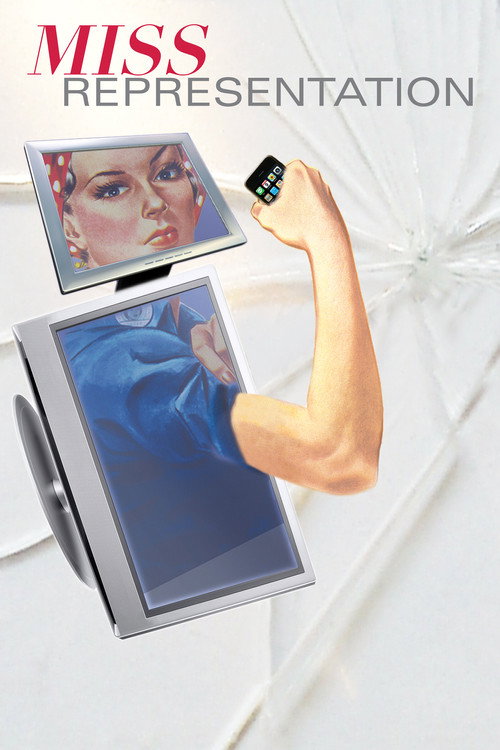
Miss Representation2011
Jennifer Siebel Newsom's investigation of how media shapes girls' self-image and limits their ambitions. Combines personal testimony, cultural criticism, and enough righteous anger to feel necessary rather than tedious.
But It can feel prosecutorial. The film wants you angry, and if you arrive that way already, it may just reinforce what you know.
Mulholland Drive2001
David Lynch's masterpiece explores ambition, reinvention, and the machinery that grinds women down in Hollywood. It's formally dazzling and emotionally devastating. Essential cinema about the city and the dream.
But It's a puzzle-box that demands multiple viewings and doesn't provide easy answers. Some find it needlessly cryptic.

The Act of Killing2012
Joshua Oppenheimer's radical documentary gets perpetrators of genocide to reenact their crimes. It's a bold formal experiment about complicity, memory, and how power rewrites history. Unlike anything else you've seen.
But It's difficult and morally vertiginous. Not for viewers who need their documentaries to provide comfort or clear moral categories.

Not sure tonight? Get a pick in a minute, starting from Half the Picture
The wildcard
Something you would not have found on your own.
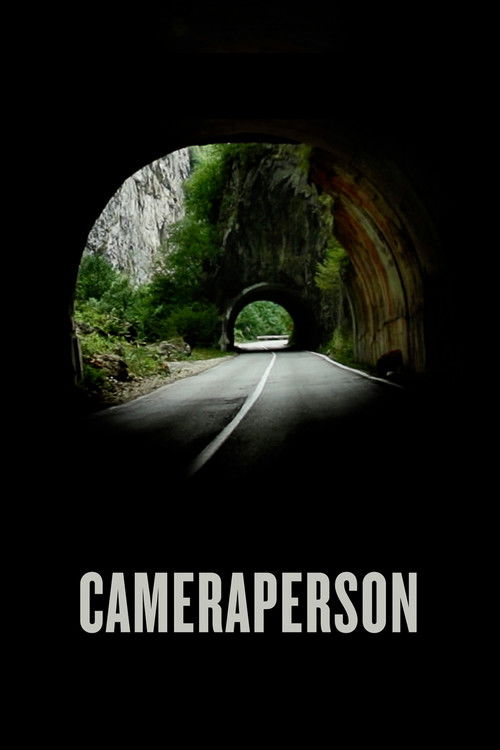
Cameraperson2016
Both are essays in how women see cinema and power—one through interview and conversation, the other through the language of the camera itself. Complementary meditations on the gaze.
Kirsten Johnson's radical documentary is made entirely from footage she shot for other directors over 25 years—in war zones, hospitals, streets. By watching what she chose to film and how, we see a cinematographer's moral life unfold. It's about witnessing, complicity, and the weight of looking.
But There is almost no narration or context. You're trusted to sit with images and draw your own conclusions. That demands more from a viewer than conventional documentary.
More like this (6)
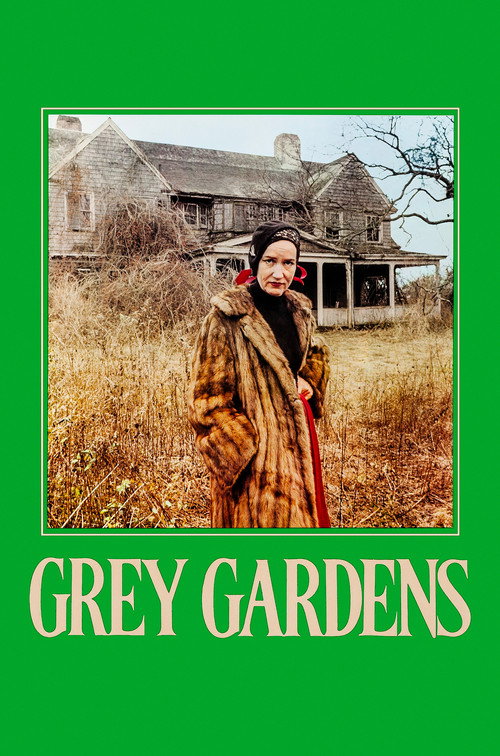
Grey Gardens1976
The Maysles brothers' documentary portrait of two reclusive women—an aunt and niece living in squalor—becomes a study of artistic ambition, lost potential, and the cost of being outside society. It's gothic and oddly tender.
But The subjects are exploited by the camera in ways that modern documentary ethics would question. It can feel invasive and uncomfortable to watch.
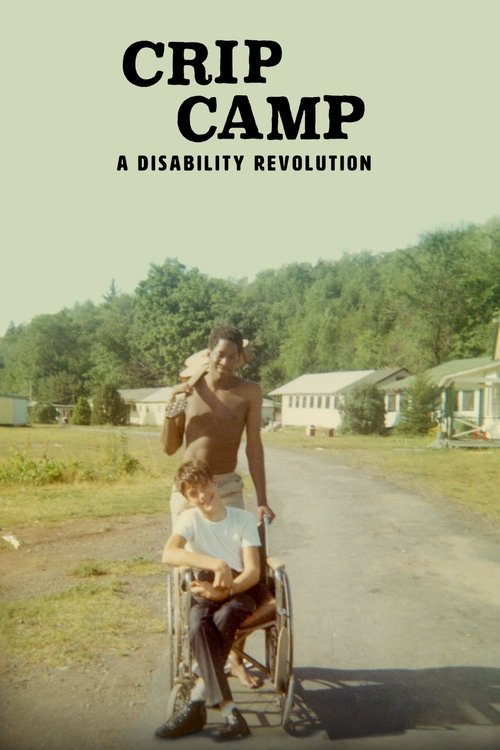
Crip Camp: A Disability Revolution2020
A joyful, muscular documentary about disabled activists who changed America, told with energy and without sentiment. The music is great, the archive footage is vivid, and the activism is genuinely inspiring.
But If you're looking for a thorough history of disability rights, this is a primer, not a textbook. It prioritizes story over comprehensiveness.
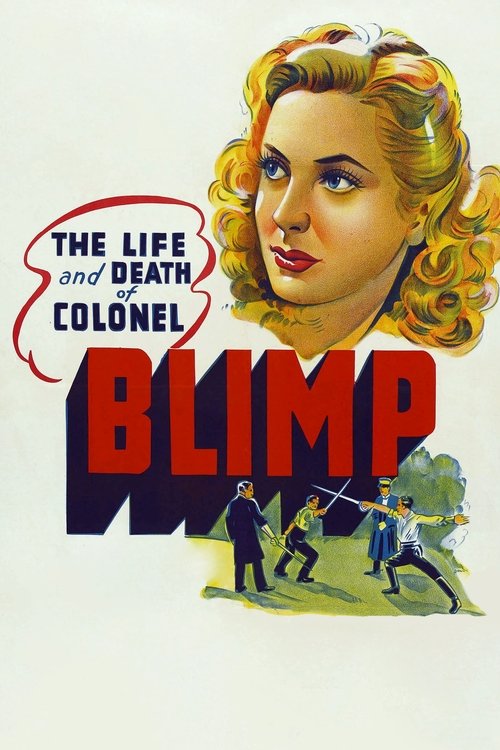
The Life and Death of Colonel Blimp1943
Michael Powell and Emeric Pressburger's Technicolor epic follows a soldier from youth to age, questioning duty, loyalty, and rigid thinking. It's gorgeous, human, and made during wartime as a quiet argument against propaganda and closed minds.
But It's 163 minutes and its critique is subtle rather than explicit. Patience and investment are required.
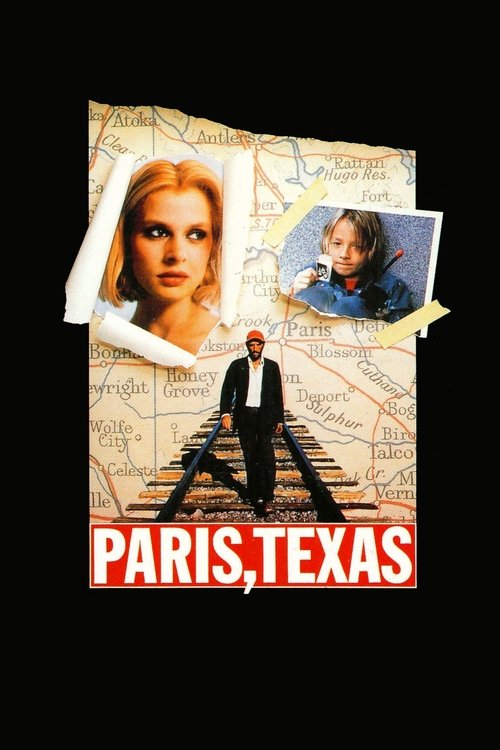
Paris, Texas1984
Wim Wenders' meditation on American loneliness, male shame, and the impossibility of connection. Harry Dean Stanton's face says everything. It's a film that understands people who break themselves trying to fix what they've destroyed.
But It's slow, elliptical, and ends ambiguously. If you need plot to justify runtime, you'll feel its length.
Synecdoche, New York2008
Charlie Kaufman's screenplay follows a theater director collapsing under the weight of his own ambition and mortality. It's about making art, dying, and the line between creation and delusion. Chaotic, brilliant, devastating.
But It's deliberately disorienting—reality fragments, scales shift, narrative breaks. Some call it pretentious; others call it genius. You'll probably be divided with yourself.

Jeanne Dielman, 23, quai du Commerce, 1080 Bruxelles1976
Half the Picture asks women directors to speak about their work; this film IS a woman director forcing cinema itself to listen to what has been invisible. Akerman is answering the same question through formal invention instead of testimony.
Chantal Akerman's three-hour film watches a woman cook, clean, and move through her apartment—and occasionally prostitute herself. It's radically, defiantly boring until you realize it's the most political act cinema can make: insisting we watch women's unpaid labor, fully, without romance. A masterpiece.
But It is absolutely not entertaining in any conventional sense. Three hours of chopping vegetables and making beds will feel glacial to viewers expecting plot or climax. This is cinema as resistance, not comfort.

People
Cast
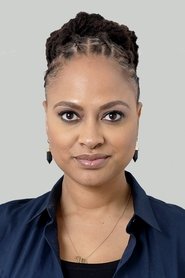 Ava DuVernaySelf
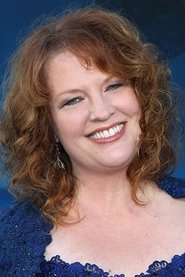 Brenda ChapmanSelf
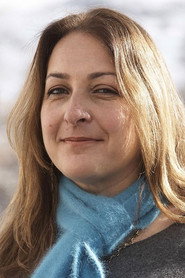
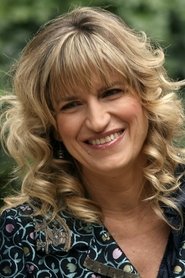
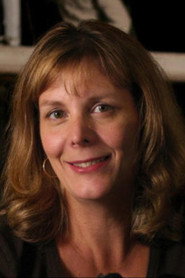 Chris HegedusSelf
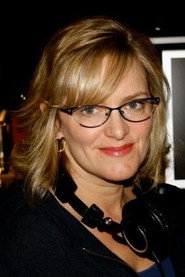
- Dolores Y. LealSelf
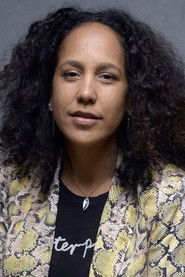
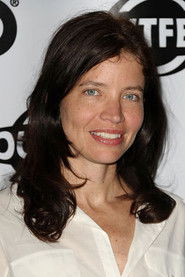 Jamie BabbitSelf
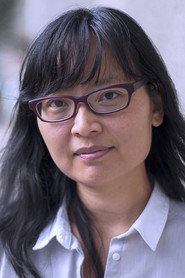 Jennifer PhangSelf
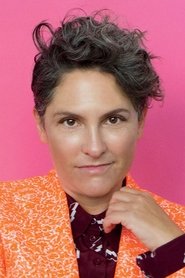 Joey SolowaySelf
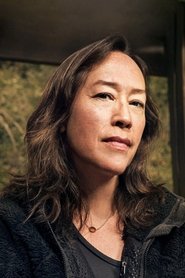 Karyn KusamaSelf
Directing
- Amy AdrionDirector
Production
- Senain KheshgiConsulting Producer
- Amy AdrionProducer
- Jude HarrisProducer
- Emily Taylor-MortoffProduction Coordinator
- Paige GrestyResearcher