
Film
Shall We Dance?
Other titles called Shall We Dance?: the 1937 film, the 1996 film.
A suburban lawyer discovers passion through ballroom dancing after spotting an instructor who captivates him. It's a warm, accessible film about the secret life hidden beneath routine existence—part romantic comedy, part genuine examination of desire, compromise, and what it means to feel alive. For anyone who's ever wanted something they couldn't quite name.
If you liked this
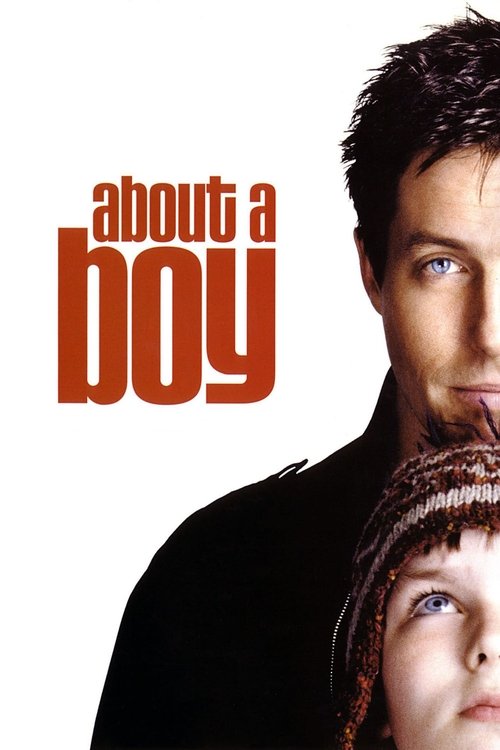
About a Boy2002
A similar blend of comedy and genuine emotional insight about adults finding unexpected meaning. The romance is real without overwhelming the story's wit and observations about connection.
But Lighter in tone than you might want if you're craving deep drama. The protagonist can be frustrating—that's the point, but it doesn't make him easier to root for.
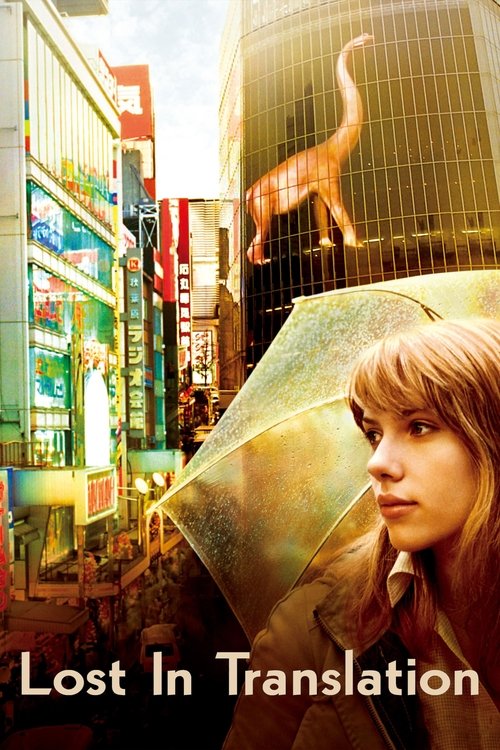
Lost in Translation2003
Both films understand loneliness within privilege and the quiet desperation of everyday life. Sofia Coppola's approach is subtler—she lets moments breathe instead of spelling out feelings.
But Deliberately paced and melancholic. If you want uplift and clear emotional beats, this will feel slow and somewhat sad.
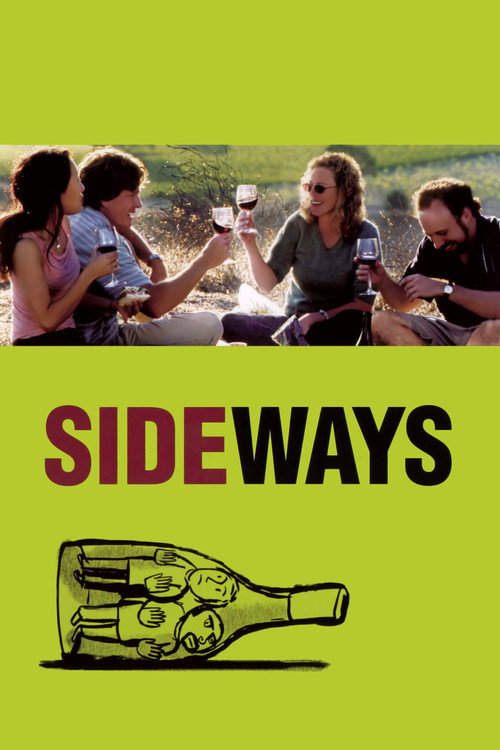
Sideways2004
A middle-aged man in crisis discovering something real about himself and desire. Sharp, funny, with genuine warmth underneath the mess. Both films trust their actors to do the subtle work.
But More cynical and earthier than Shall We Dance?. If you want unambiguous romance and optimism, this delivers something messier.
Not sure tonight? Get a pick in a minute, starting from Shall We Dance?
The wildcard
Something you would not have found on your own.
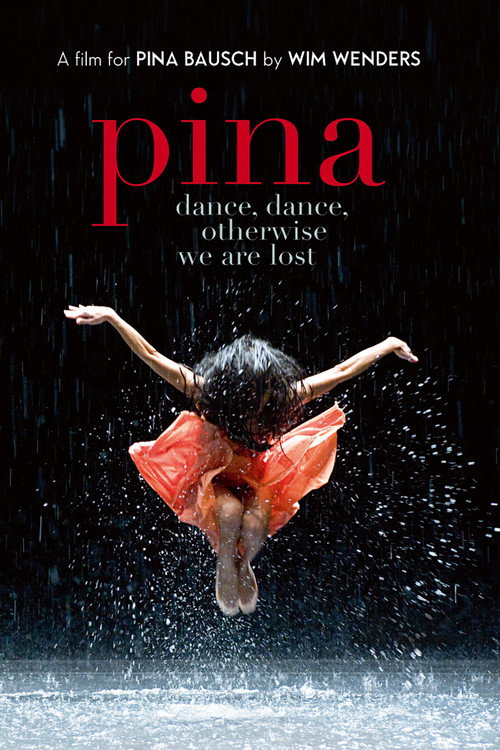
Pina2011
Both films understand dancing as a language for desire and transformation that everyday speech can't reach. Where Shall We Dance? shows someone discovering that language, Pina shows what the language itself contains.
A documentary about dance that becomes a meditation on human movement and desire without a single word of narration. Wim Wenders films the Pina Bausch company as if their bodies are telling stories. It captures what dancing *is* in a way narrative cinema rarely manages.
But Not a conventional film—there's no plot, no character arc, no traditional drama. If you need story and dialogue, this will feel abstract and possibly boring.
More like this (8)
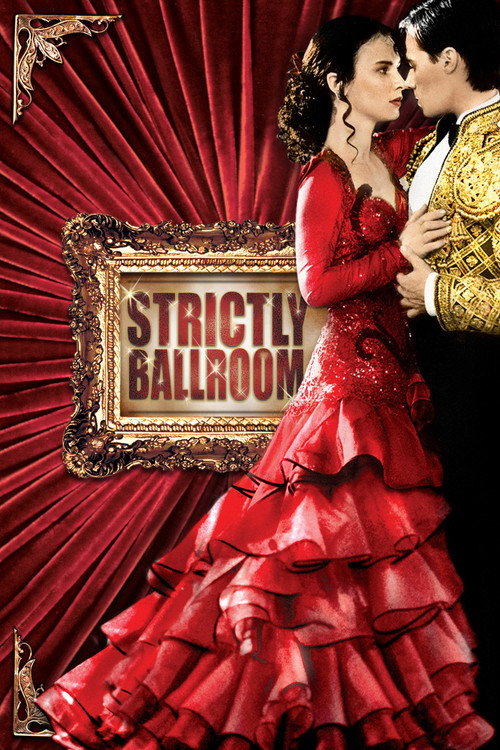
Strictly Ballroom1992
The obvious step up—more dance, more visual invention, and a story about breaking rules within a rigid world. Baz Luhrmann's color and energy feel like what dancing feels like.
But It's stylized to the point of artifice. If you prefer grounded, naturalistic storytelling, the heightened style will feel overwrought.
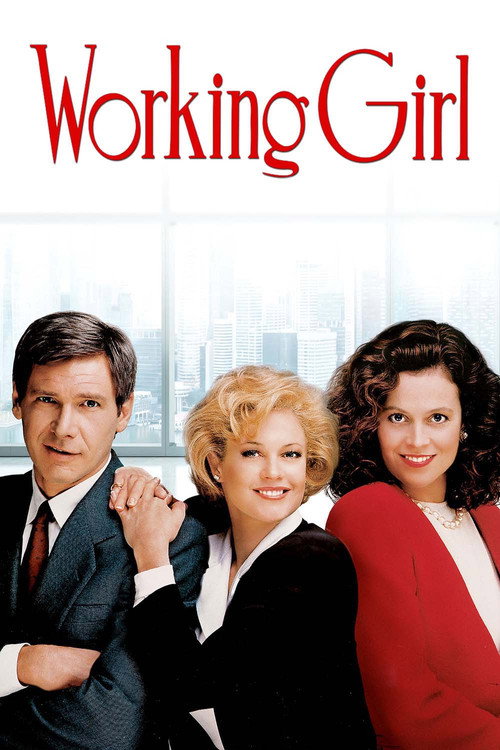
Working Girl1988
Another film about someone discovering they're capable of more than their circumstances suggest. Warm and genuinely funny, with excellent supporting performances and real romantic chemistry.
But The '80s production design and some class-based attitudes haven't aged perfectly. The corporate world it depicts feels dated.
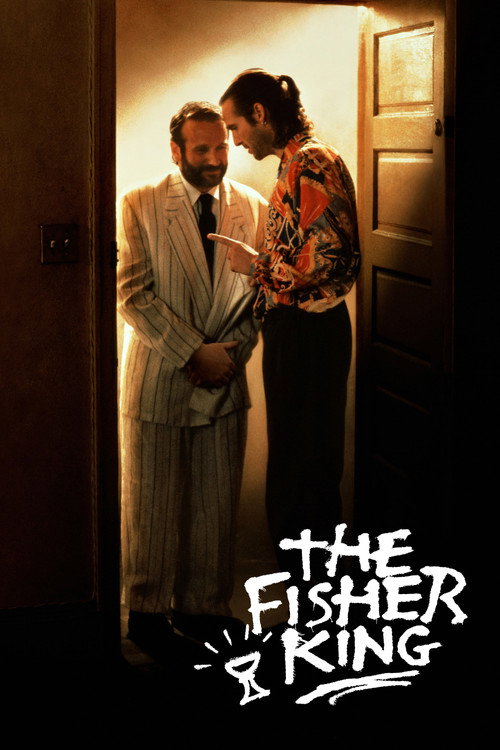
The Fisher King1991
Terry Gilliam directs a story about connection and healing—romantic, funny, and surprisingly moving. Jeff Bridges and Amanda Plummer create real intimacy amid the surrealism.
But Visually chaotic and narratively ambitious in ways that don't always cohere. Some will find it pretentious; others will find it maddening.
Enchanted April1991
Quiet, observant film about people discovering hidden depths and possibility. Beautifully acted by an ensemble cast, with genuine warmth and no cheap sentimentality.
But Extremely gentle and slow. If you need plot momentum or high stakes, you'll feel restless.

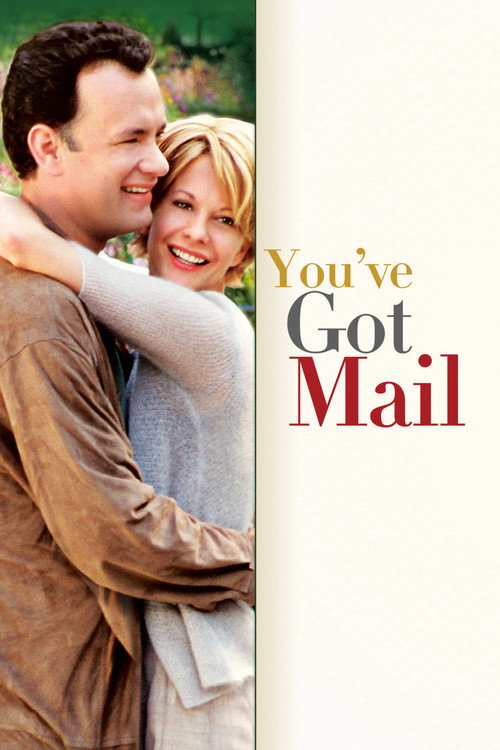
You've Got Mail1998
Effortlessly charming romance about connection forming in unexpected places. Nora Ephron understands both comedy and sincerity, and the New York setting gives it genuine texture.
But Can feel slight on rewatching—the rom-com machinery sometimes shows through the charm. The corporate villain plot is genuinely underbaked.
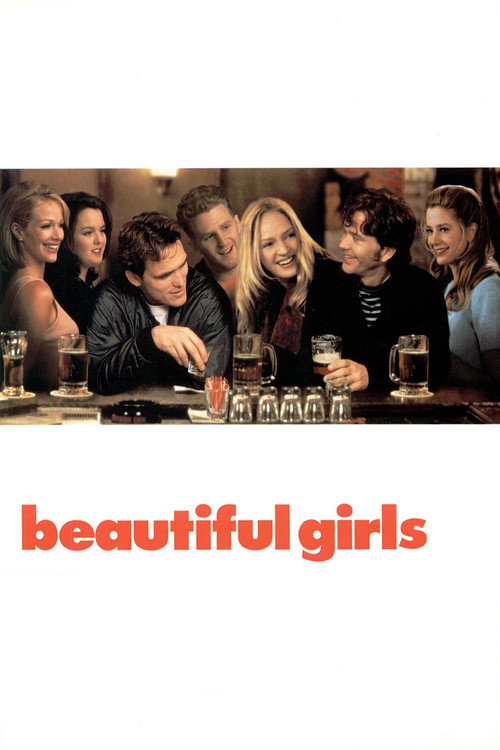
Beautiful Girls1996
An ensemble piece about desire, aging, and wanting things you can't have. Takes its romantic longings seriously while remaining warm and funny. Good ensemble cast doing real work.
But Scattered structure and uneven tone. Some storylines land; others feel abandoned. The film wants to do too much with its cast.
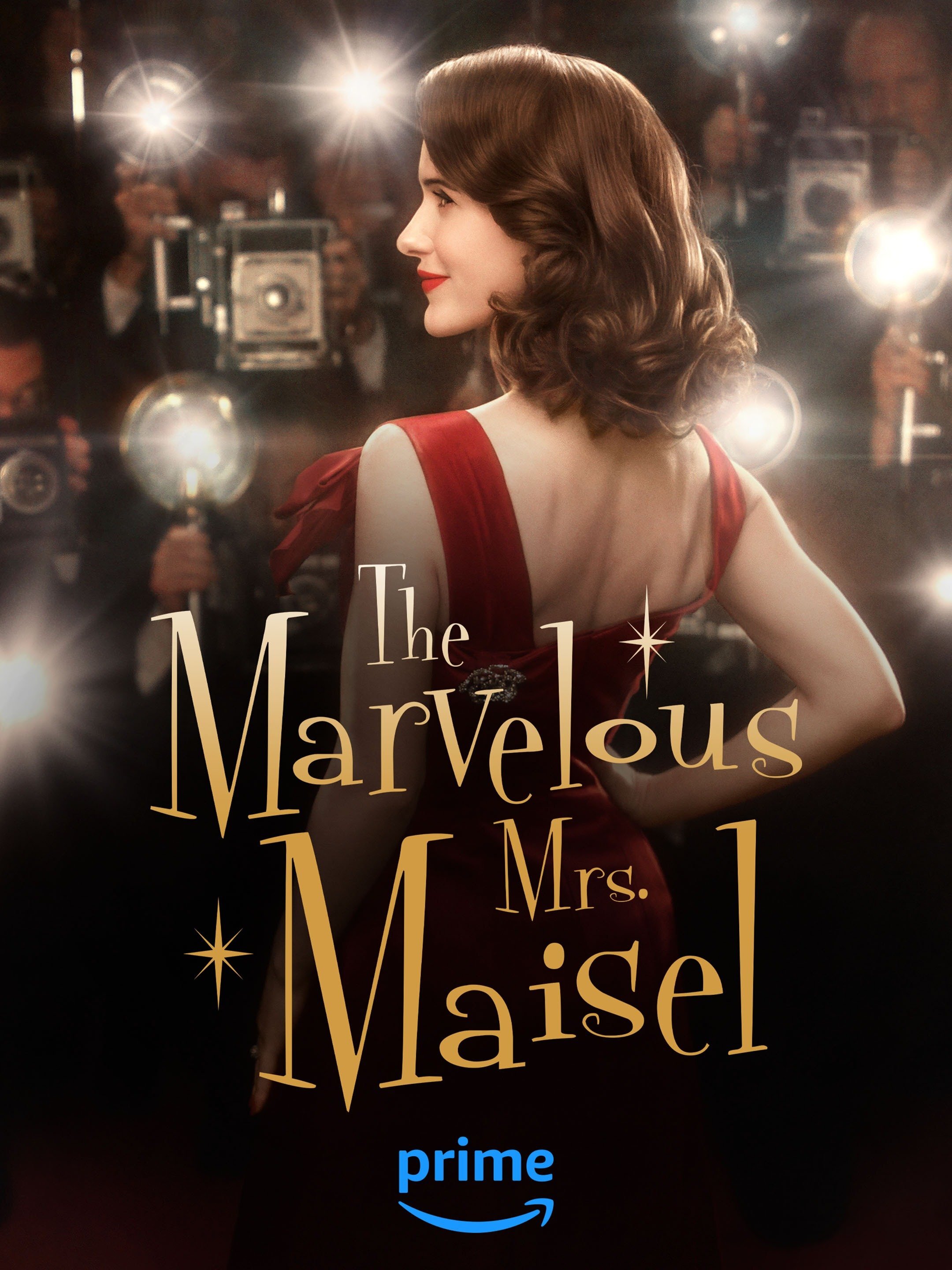
The Marvelous Mrs. Maisel2017
Both explore the gap between who you appear to be and who you actually are. But where Shall We Dance? is about a man finding a secret self, Maisel is about a woman building a public one—the inverse journey, equally urgent.
Five seasons (so far) of a woman finding her voice and power through performance, set in the 1950s-60s. Funnier and smarter than you'd expect, with genuine stakes beneath the glamour. The costumes and New York setting alone are worth your time.
But Amy Sherman-Palladino's style is relentlessly chirpy—clever people saying clever things at high speed. If you want realism or quiet character moments, the airlessness will exhaust you.
Singin' in the Rain1952
The era difference matters here: Singin' in the Rain shows dancing as the natural language of male desire and public expression in 1952; Shall We Dance? shows a contemporary man having to hide and rationalize the same impulse. Same feeling, opposite contexts.
A musical where dance *is* the plot, not decoration. Gene Kelly, Donald O'Connor, and Debbie Reynolds in an almost perfect film about performance, ambition, and falling in love. Joyful, technically astonishing, and emotionally genuine.
But If you don't warm to Golden Age Hollywood or big production numbers, it will feel stagey and distant. The gender dynamics reflect their era in ways that won't feel progressive.

People
Cast
 Richard GereJohn Clark
 Jennifer LopezPaulina
 Susan SarandonBeverly Clark
 Stanley TucciLink
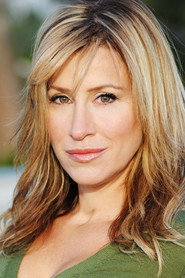 Lisa Ann WalterBobbie
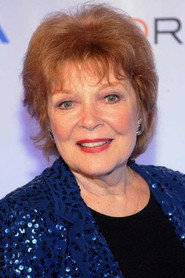 Anita GilletteMiss Mitzi
 Bobby CannavaleChic

 Tamara HopeJenna Clark
 Stark SandsEvan Clark
 Richard JenkinsDevine
 Nick CannonScott
Directing
- Peter ChelsomDirector
- Martin WaltersFirst Assistant Director
- Susanna DavidScript Coordinator
- Simon BoardSecond Assistant Director
Writing
- Masayuki SuōOriginal Film Writer
- Audrey WellsScreenplay
Production
- Rachel HudginsAssociate Producer
- Richard HicksCasting
- Ross ClydesdaleCasting
- Amy IsraelCo-Executive Producer
- Jennifer BermanCo-Executive Producer
- Mari-Jo WinklerCo-Producer
- Bob OsherExecutive Producer
- Bob WeinsteinExecutive Producer
- Harvey WeinsteinExecutive Producer
- Julie GoldsteinExecutive Producer
- Mari Snyder JohnsonExecutive Producer
- Simon FieldsProducer
- Lyn LucibelloUnit Production Manager
- Mari-Jo WinklerUnit Production Manager
Recommended by
Strictly Ballroom, Mad Hot Ballroom, Fresh Dressed, Beauty Shop, Christmas Waltz