
Film
Holiday Affair
- Romantic comedy
- Light-hearted
A screwball Christmas romance from 1949 where a fired department store clerk and a comparison shopper spend a magical afternoon together, disrupting the carefully ordered life of a woman caught between security and spontaneity. It's warm, funny, and genuinely charming—a film that believes in the transformative power of a little chaos and genuine feeling. Perfect for anyone who wants their holiday viewing to have bite alongside the sentiment.
Should you watch it?
Watch it if you enjoy gentle 1940s romantic comedies where the chemistry between two wary adults does the heavy lifting and the holiday setting feels lived-in rather than decorative.
Skip it if you want a fast, plot-driven pace; this one lingers on conversation and small moments, and its romance moves at a deliberately unhurried, old-fashioned clip.
What it asks of you: Roughly ninety minutes of patient, talky attention, with a soft, light mood and little urgency, settling into its rhythms rather than chasing big set pieces.
Not sure? Find tonight's pick in a minute.
If you liked this
It Happened One Night1934
The DNA of all romantic comedies: a cynical meet-cute, real chemistry between leads, and the discovery that spontaneity might be better than the sensible plan. Claudette Colbert and Clark Gable are irresistible.
But It's nearly 90 years old, and the pacing assumes patience with setups that modern films would cut in half.

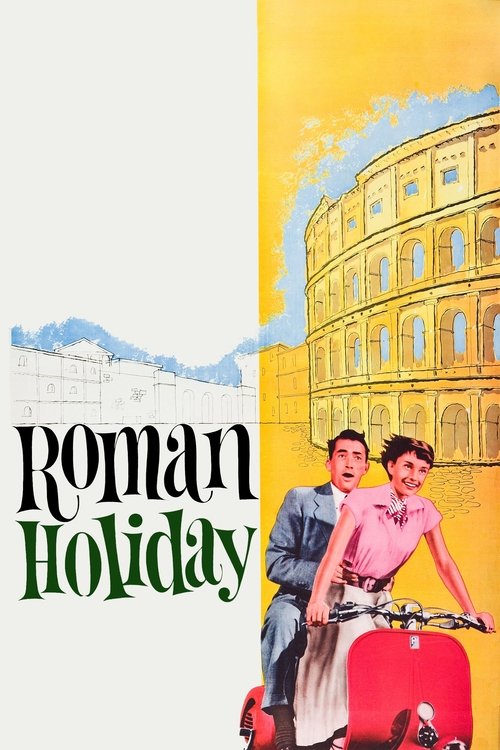
Roman Holiday1953
Audrey Hepburn and Gregory Peck spend a perfect Roman day together before reality reasserts itself. Like Holiday Affair, it's about the impossibility of pausing life, and how that impossibility is what makes the pause matter.
But The ending is melancholy in a way that some find more frustrating than moving.
The Philadelphia Story1940
Katharine Hepburn, torn between three men and her own carefully constructed life, discovers that control is another word for loneliness. Sophisticated, funny, and genuinely romantic in the way that matters.
But The gender politics are of their moment—Hepburn's character is punished for having opinions about what she wants.

Not sure tonight? Get a pick in a minute, starting from Holiday Affair
The wildcard
Something you would not have found on your own.
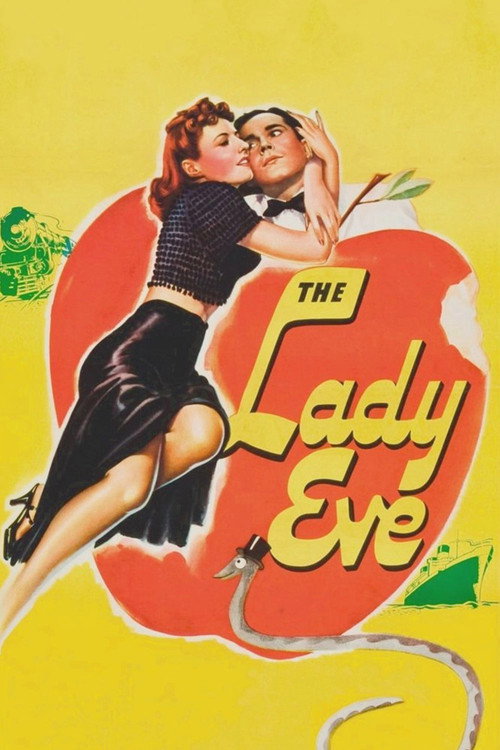
The Lady Eve1941
Both films pivot on a woman who's being what she's supposed to be until a man appears and offers her the chance to be something else—and both ask whether that choice is possible or just a beautiful mistake.
Barbara Stanwyck is a con artist who falls for the mark, then has to choose between the con and the feeling. It's built on the same engine as Holiday Affair—the disruption of a settled life by someone unscheduled—but Stanwyck makes it a game, a seduction, a war.
But Preston Sturges' screwball style moves *fast*, with rapid-fire dialogue and plot turns that can feel chaotic if you're not in the mood for it.
More like this (7)
Breakfast at Tiffany's1961
Audrey Hepburn as a woman running from her past who meets someone who makes her consider staying. It's lighter than Holiday Affair but built on the same belief: that the right person can crack you open.
But The Henry Nakamura subplot is dated in ways that genuinely hurt to watch.

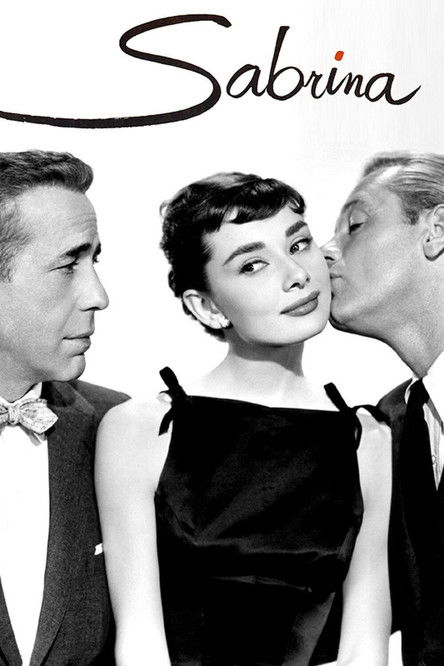
Sabrina1954
Audrey Hepburn again, this time between two brothers: one responsible, one reckless. The film asks whether you should marry the sensible choice or the one who makes you feel alive—and doesn't give an easy answer.
But The class dynamics are pronounced enough to feel uncomfortable if you're thinking about them too hard.
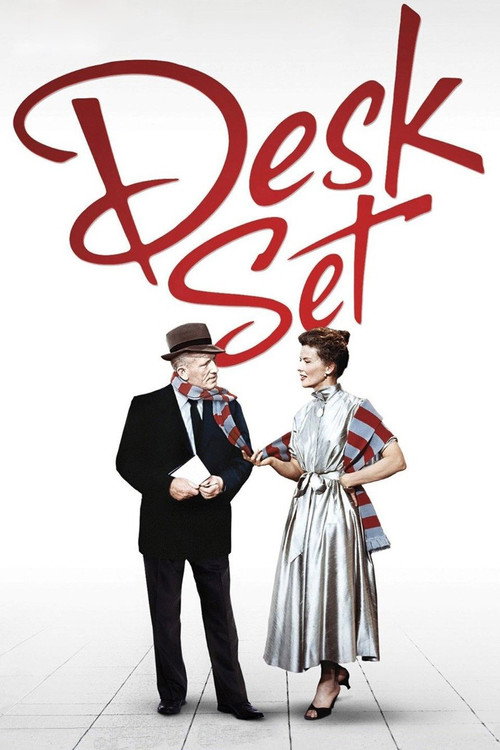
Desk Set1957
Katharine Hepburn and Spencer Tracy spar about whether efficiency or humanity matters more. It's smart, funny, and their chemistry is so easy it feels like watching two people actually enjoy each other's company.
But It's essentially two hours of banter, which is wonderful if that's what you want and exhausting if it's not.
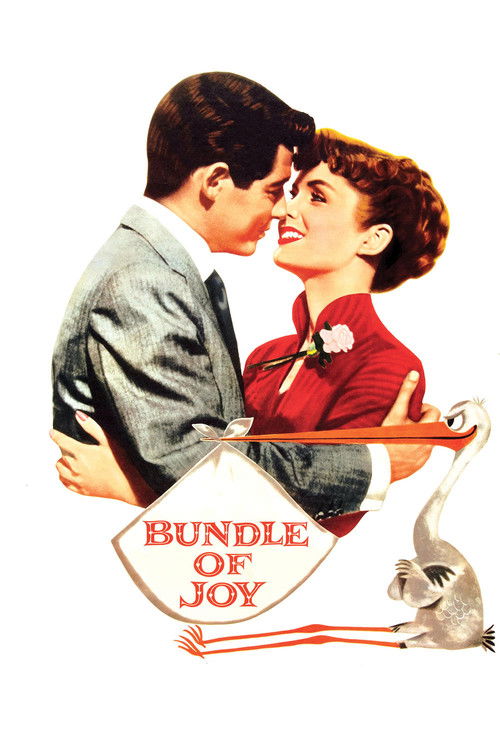
Bundle of Joy1956
Debbie Reynolds and Eddie Fisher in a lighthearted Christmas-adjacent comedy about two people forced together. It has the same warmth and antic energy as Holiday Affair, plus actual musical numbers.
But It's slight in a way that can feel insubstantial—the plot barely exists, which is either charming or frustrating depending on your mood.
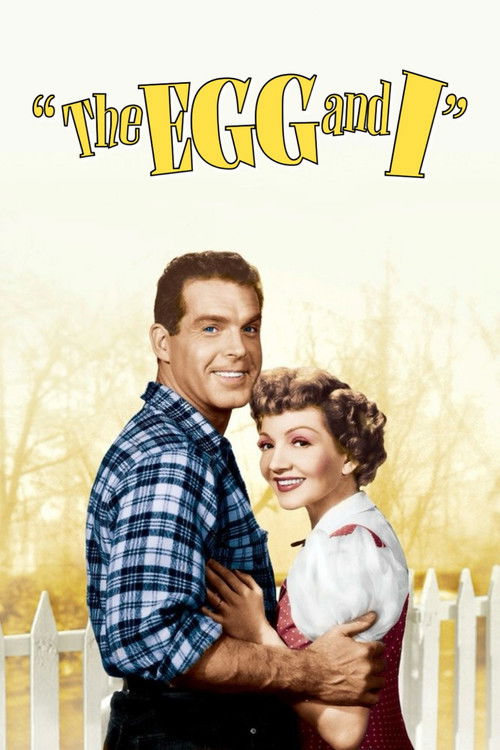
The Egg and I1947
Claudette Colbert and Fred MacMurray as a couple learning to live together. It's domestic in a way that feels real—the humor comes from actual conflict, not just sparkling banter.
But The rural setting and gender dynamics feel antiquated in ways that don't translate well to modern sensibilities.
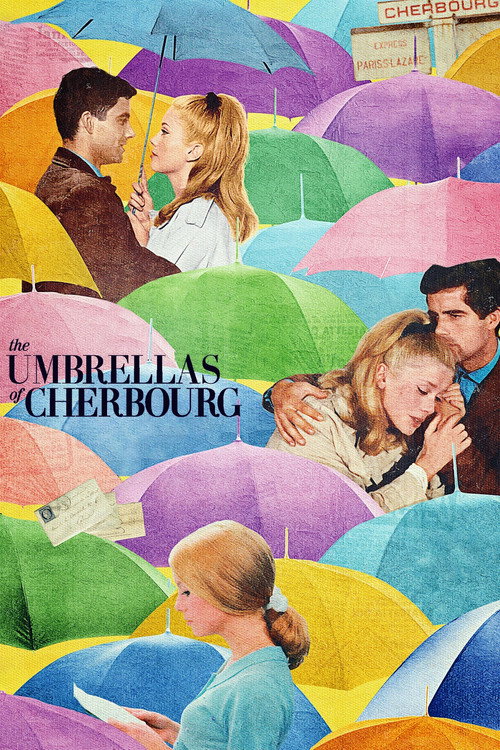
The Umbrellas of Cherbourg1964
Both are love stories that understand that the most romantic thing isn't always a happy ending, but a perfect moment that matters *because* it can't last.
A musical where two young people have a perfect 24 hours together, then life pulls them apart anyway. It's achingly romantic and fully committed to the idea that sometimes love can't overcome circumstance, no matter how much you want it to.
But It's French, it's a musical, it's in color-saturated Technicolor, and it ends on a note of bittersweet resignation that some find devastating rather than cathartic.
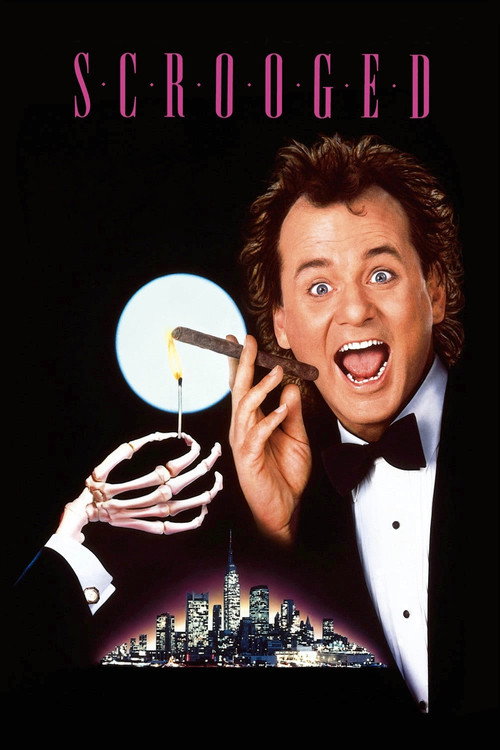
Scrooged1988
Both are about people who've built walls finding someone—and a moment—that makes those walls seem exhausting rather than protective. Both believe that opening up is worth the risk.
Bill Murray as a cynical man who meets someone who makes him question everything, wrapped in Christmas chaos and genuine stakes. It's funny and surprisingly moving—Murray finds real pathos in a character who's spent years avoiding exactly what Holiday Affair celebrates.
But It's a '80s film with dated effects and a sentimentality that borders on heavy-handed; the tonal shifts can feel jarring if you're not on its wavelength.
People
Cast
 Robert MitchumSteve Mason
 Janet LeighConnie Ennis
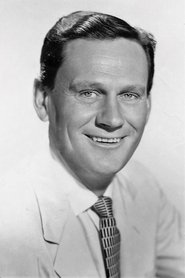 Wendell CoreyCarl Davis
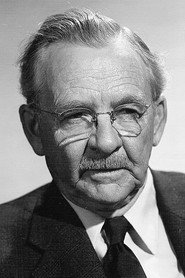 Griff BarnettMr. Ennis
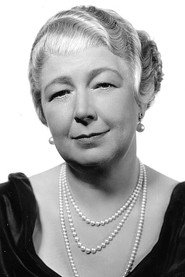 Esther DaleMrs. Ennis
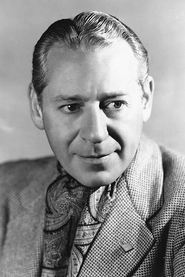 Henry O'NeillMr. Crowley
 Harry MorganPolice Lieutenant (as Henry Morgan)
 Larry J. BlakePlainclothesman
 Helen BrownEmily
- Gordon GebertTimmy Ennis
 Pat BartonSaleswoman (uncredited)
- Genevieve BellSaleswoman (uncredited)
Directing
- Don HartmanDirector
Writing
- Isobel LennartScreenplay
- John D. WeaverStory
Production
- Don HartmanProducer