
Film
Point of Order!
A 1964 documentary compiled from raw television footage of the 1954 Army-McCarthy hearings. You watch the confrontation unfold in real time as Senator McCarthy's anti-communist crusade collides with the U.S. Army's defense of itself. It's tense, claustrophobic, and utterly gripping—the moment a demagogue met his match on live television. Essential viewing for anyone interested in how power actually operates.
Should you watch it?
Watch it if you are drawn to political history told through raw archival footage, where the pleasure is watching powerful men talk themselves into corners and the editing does the arguing for you.
Skip it if you need a story arc, characters to follow, or a narrator guiding you; this is hearing-room footage left mostly to speak for itself.
What it asks of you: Close attention for ninety-seven minutes of procedural back-and-forth, long stretches of talk and little relief, so the slow legalistic rhythm is the point rather than a delay.
Not sure? Find tonight's pick in a minute.
If you liked this
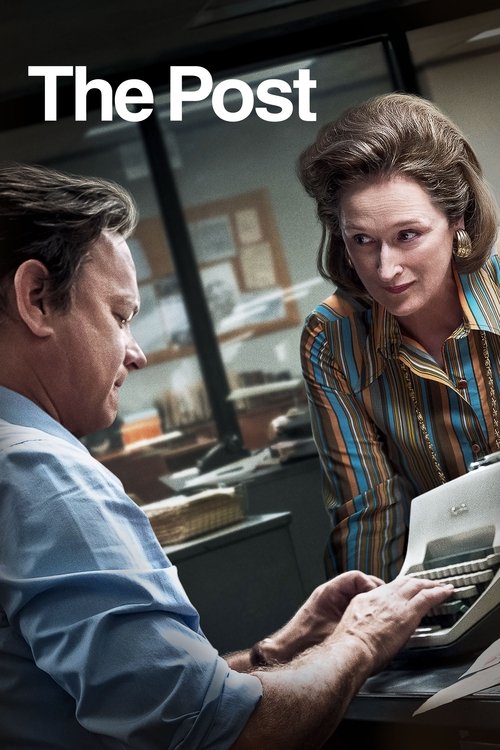
The Post2017
A taut political thriller about the Washington Post's decision to publish the Pentagon Papers. Like Point of Order!, it captures the high stakes of institutions defending themselves against government pressure, with similarly stellar ensemble work and real historical weight.
But It's more conventional drama than documentary, so if you want raw archival material rather than scripted recreation, this will feel polished and safe.
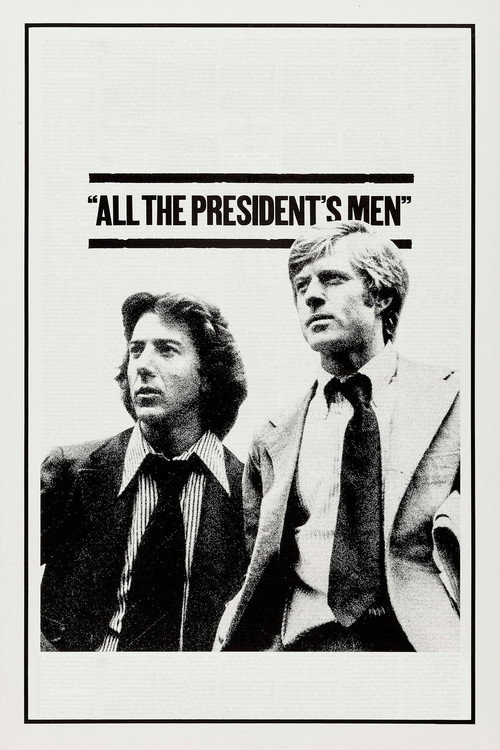
All the President's Men1976
Methodical, absorbing account of Woodward and Bernstein investigating Watergate. Shares Point of Order!'s fascination with how institutions and individuals resist power, and how the truth emerges through relentless questioning rather than grandstanding.
But The pacing is slow by modern standards, and much of it is just people talking in offices—no action, no shortcuts.
Spotlight2015
Boston Globe reporters exposing decades of Catholic Church abuse. Methodical, ensemble-focused, and driven by the same moral clarity as Point of Order!: the conviction that sunlight and persistence will eventually prevail.
But It's genuinely bleak in places, and the abuse itself is not softened. Some viewers find the measured tone distancing rather than affecting.

Not sure tonight? Get a pick in a minute, starting from Point of Order!
The wildcard
Something you would not have found on your own.
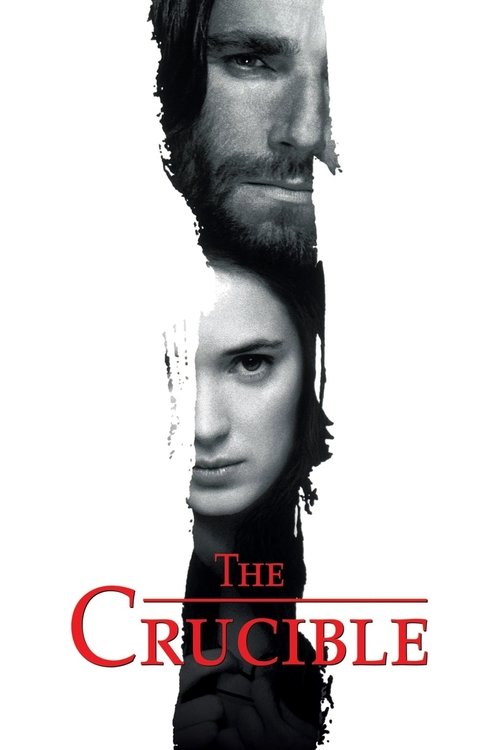
The Crucible1996
Both document the weaponization of fear and accusation; Miller wrote The Crucible as direct response to McCarthy-era anti-communism.
Arthur Miller's stage play (filmed multiple times, but the 1953 production captures its heat) transposes the McCarthy witch hunts onto the Salem witch trials. Same mechanism of accusation-as-proof, same atmosphere of paranoia and betrayal. Miller wrote it explicitly as McCarthy allegory, making the connection unavoidable and illuminating.
But It's theatrical rather than cinematic, which means formality and heightened language. If you need naturalism, it will feel remote and stagey.
More like this (7)
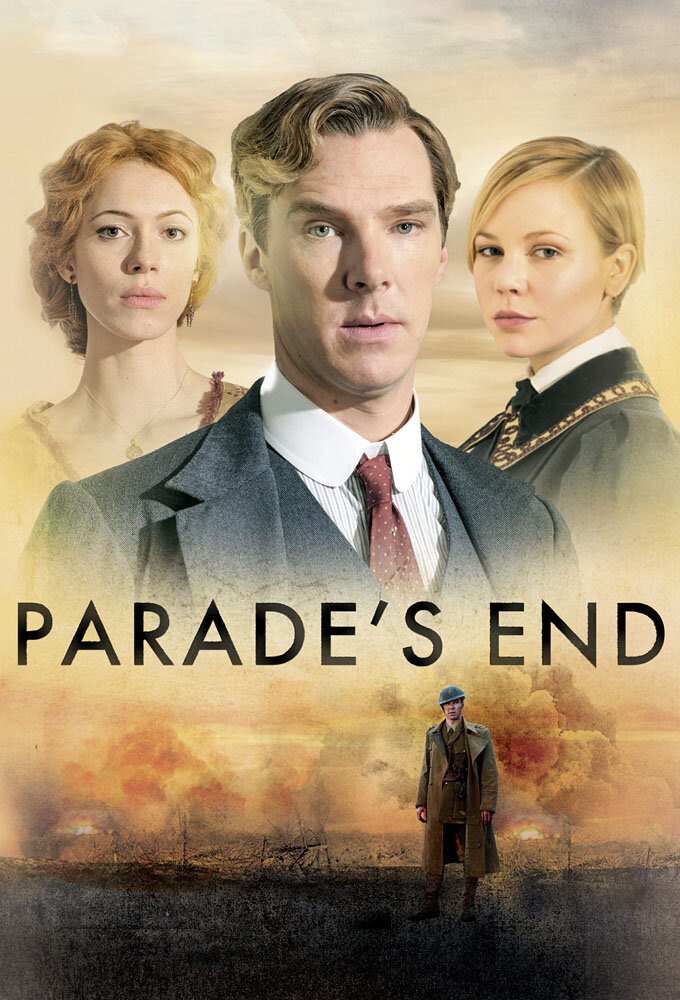
Parade's End2012
HBO miniseries about institutional power, personal honor, and the cost of principles. Benedict Cumberbatch gives a career-best performance as a man destroyed by his refusal to play the game. Shares Point of Order!'s interest in watching principled people forced into impossible positions.
But It's claustrophobic and emotionally brutal, set during WWI. If you want uplift or conventional narrative satisfaction, this won't provide it.
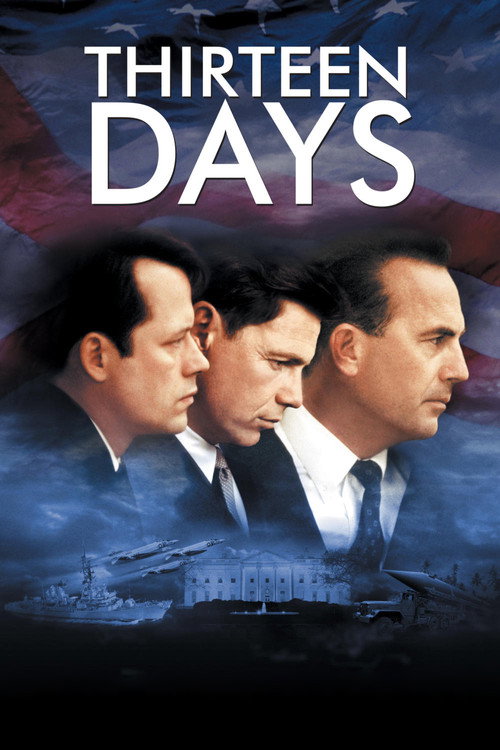
Thirteen Days2000
Reconstruction of the Cuban Missile Crisis, shot as an intense, confined procedural. Like Point of Order!, it's essentially about smart people in a room trying to avoid catastrophe, with real historical stakes and no easy answers.
But The film has aged visually, and Kevin Costner's presence feels incongruous to some. It also takes liberties with history that documentary purists will resent.
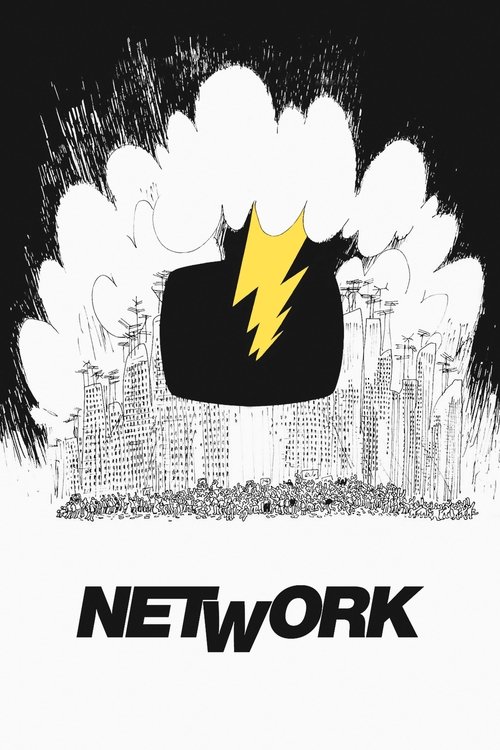
Network1976
Scathing satire about television, power, and the machinery that manufactures outrage. Paddy Chayefsky's script is ferocious, and the film's dark comedy captures the chaos underneath broadcast authority in ways that feel relevant to how McCarthy exploited television.
But It's a polemic, not a balanced examination. If you prefer subtlety to sledgehammer satire, the film's fury will feel exhausting rather than exhilarating.
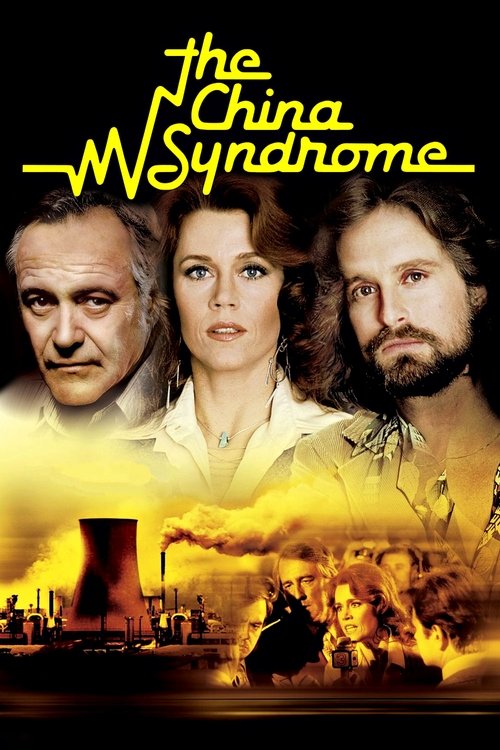
The China Syndrome1979
Thriller about nuclear power plant cover-ups, featuring excellent work from Jane Fonda and Jack Lemmon. Structurally echoes Point of Order!: ordinary people versus institutional power, fighting to get the truth into the open before catastrophe.
But It's a product of 1970s anxieties that can feel dated, and the thriller mechanics occasionally override the political argument.
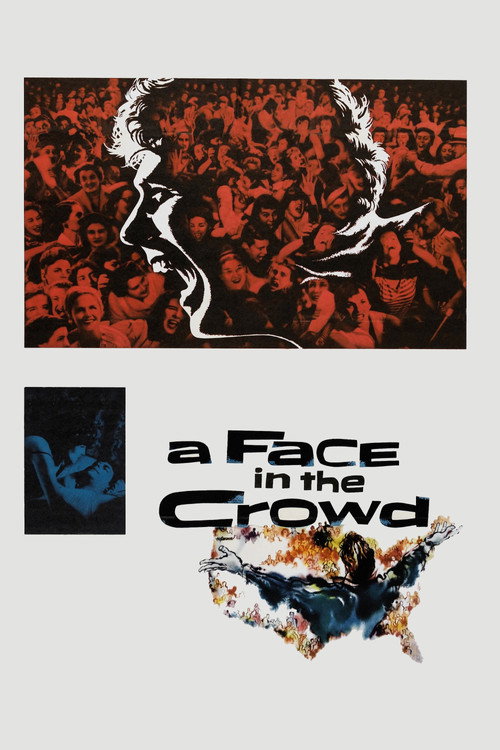
A Face in the Crowd1957
Andy Griffith gives a terrifying performance as a charismatic con man who seduces a nation via television. Elia Kazan's film is a prophetic examination of how media creates demagogues—McCarthy through a Hollywood lens, made while McCarthy was still alive.
But The gender politics are appalling by modern standards. The film is also uneven tonally, shifting between satire and melodrama in ways that don't always land.
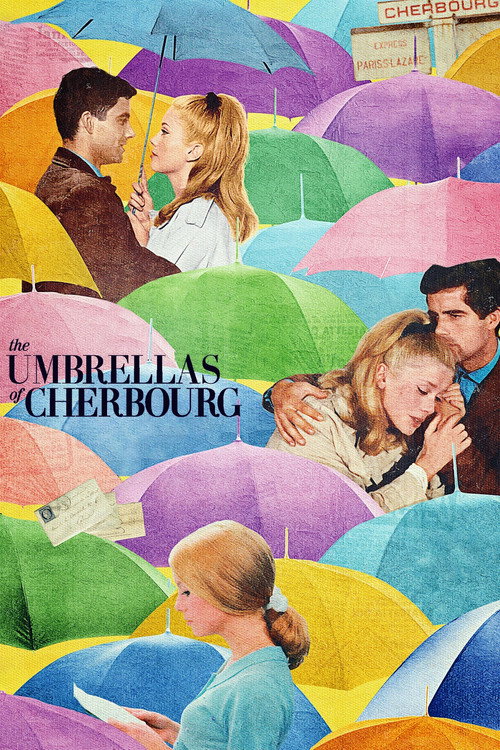
The Umbrellas of Cherbourg1964
Both premiered in 1964; together they illustrate how differently cinema can approach truth—one through documentation, one through stylization.
Released the same year as Point of Order!, Jacques Demy's musical is a total tonal opposite—color, artificiality, romance, beauty—yet both films share an obsessive commitment to primary source material: Demy to the artifice of cinema itself, the hearings to unfiltered reality. Watching them back-to-back reveals what 1964 was capable of.
But It's a musical, in French, and its emotional register is deliberately artificial. If you're seeking realism or engagement with the real world, this will feel like candy.
Shoah1985
Both films trust raw testimony and refusal to manipulate; both understand that the camera's job is to get out of the way and let horror or truth speak directly.
Claude Lanzmann's nine-hour Holocaust documentary eschews archival footage entirely, instead filming contemporary interviews with survivors and perpetrators. Like Point of Order!, it trusts testimony and presence over narration, building unbearable truth through accumulated voices and silences. The method is radically different but the ethical conviction is identical.
But It is nine hours long, in multiple languages, with minimal conventional narrative structure. Many viewers find it punishing rather than revelatory, and watching it requires genuine endurance.

People
Cast
 Joseph McCarthySelf
- Roy CohnSelf
 Karl E. MundtSelf
 Joseph N. WelchSelf
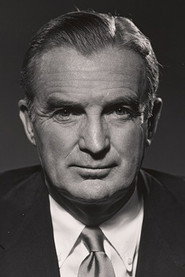 Stuart SymingtonSelf
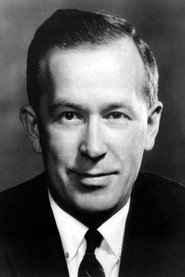 Scoop JacksonSelf
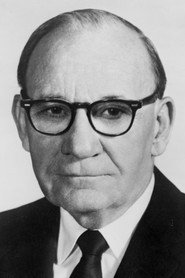
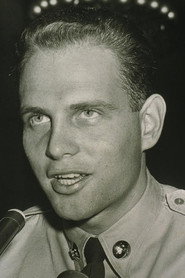 G. David SchineSelf
Recommended by
The Crucible, Good Night, and Good Luck., Johnny Guitar, Hollywood on Trial