
Film
Half a Sixpence
- Stage-musical adaptation
- Light-hearted
A 1967 musical about a shy draper's assistant who inherits a fortune and must navigate love, class, and whether money can buy happiness. Tommy Steele carries this charmingly earnest adaptation of H.G. Wells with song and dance numbers that feel genuinely of their moment—energetic rather than polished, sincere rather than ironic. It's for people who love old British musicals and aren't afraid of a little melodrama.
Should you watch it?
Watch it if you love big, warm British musicals where the songs carry the character forward and a cheeky working-class underdog gets a rousing, sentimental sweep.
Skip it if you find a 143-minute runtime slow for a light musical, or sentimentality that leans hard on its own cheer wears thin.
What it asks of you: Settle in for a leisurely stretch: the pace is easygoing, the mood swings between bright song-and-dance and a wistful, gently melancholy undertow, and it wants patience more than attention.
Not sure? Find tonight's pick in a minute.
If you liked this
Singin' in the Rain1952
The template for how to make a musical feel effortless and joyful. Gene Kelly and Donald O'Connor create sequences of pure movement and lightness that still feel alive. If you love the earnestness of Half a Sixpence, this shows the form at its height.
But It's ninety years old and unapologetically sentimental. The gender dynamics will occasionally jar a modern viewer.

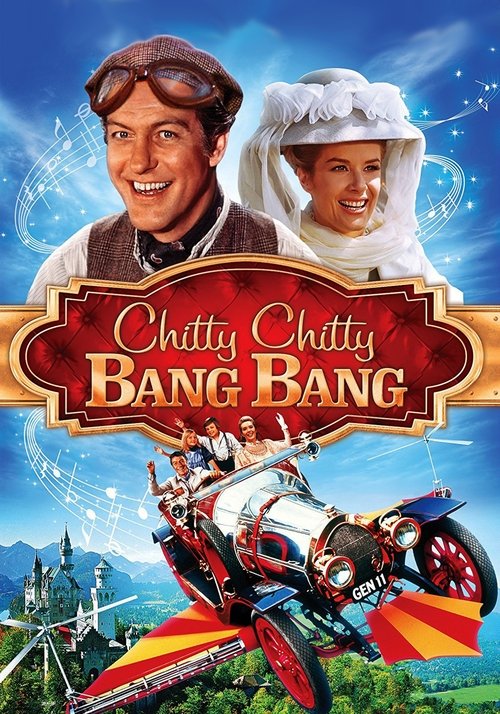
Chitty Chitty Bang Bang1968
Another British musical from roughly the same era with similar DNA—whimsical, slightly eccentric, full of inventive production design and memorable songs. Dick Van Dyke brings the same energy Steele does, and the film doesn't apologize for being theatrical.
But It's long, occasionally precious, and the child characters can test your patience. The pacing dips in places where music alone isn't enough.
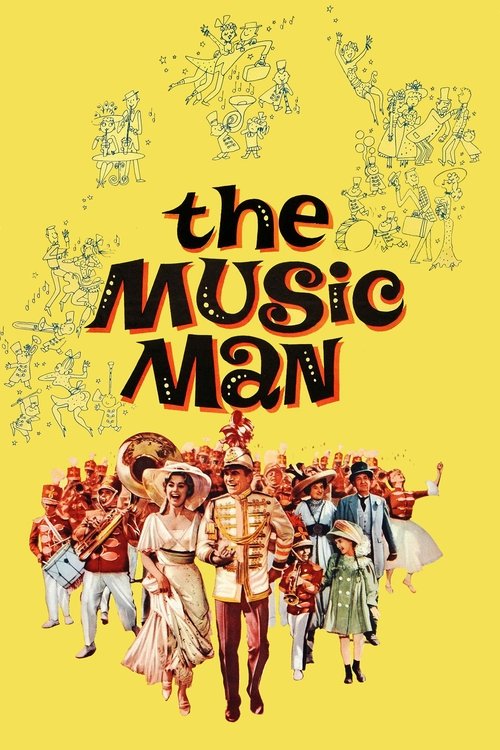
The Music Man1962
A musical about a con man arriving in a small town and changing everyone through belief and song. It has the same optimism about human nature and the same faith that a good tune can solve real problems. Robert Preston is magnetic.
But It's sentimental in ways that can feel heavy-handed. The romance subplot isn't where the film's heart truly lies, which some viewers find frustrating.
Not sure tonight? Get a pick in a minute, starting from Half a Sixpence
The wildcard
Something you would not have found on your own.
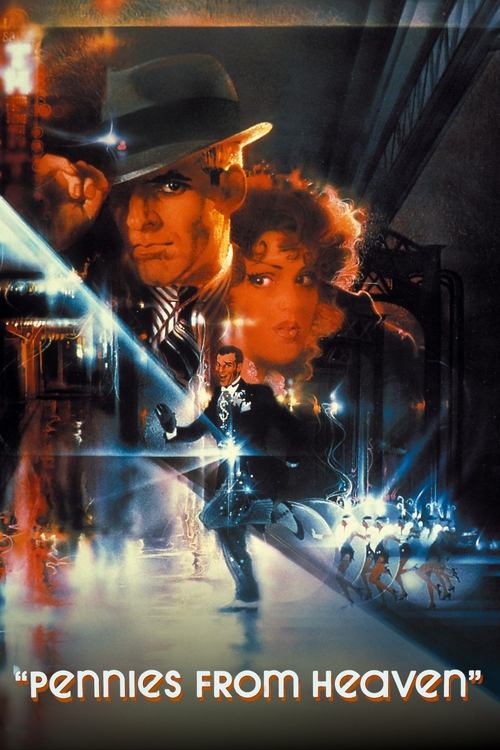
Pennies from Heaven1981
Both are musicals built on the question of whether money and love can coexist, but Pennies from Heaven answers with devastation where Half a Sixpence answers with hope.
Steve Martin and Bernadette Peters in a Depression-era musical about desire and disappointment. Like Half a Sixpence it asks whether happiness can be found, but it's infinitely darker—musical numbers interrupt a tragedy rather than punctuating a triumph. The emotional temperature is completely different, but the core question is the same.
But It's genuinely sad and sometimes grotesque. Musical numbers jar against the misery rather than harmonize with it, which works thematically but can feel tonally fractured.
More like this (8)
Breakfast at Tiffany's1961
Audrey Hepburn and Henry Mancini's New York is a world of reinvention and romance where the right song can shift everything. It's lighter and more sophisticated than Half a Sixpence, but shares that faith in transformation and the possibility of happiness.
But Its portrayal of certain characters has aged poorly. The film's romance can feel thin if you're looking for real emotional stakes.

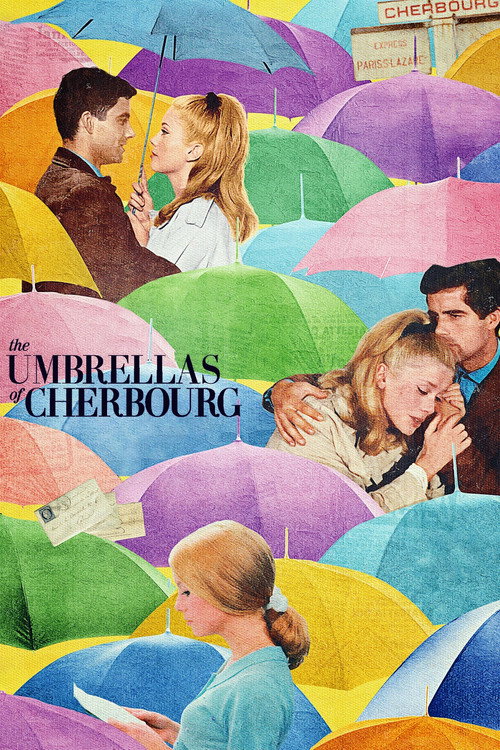
The Umbrellas of Cherbourg1964
A French musical where every frame is colour and song, and two young people must choose between love and security. It's gorgeous and melancholic, but animated by the same belief that music can express what words cannot. Catherine Deneuve is unforgettable.
But It's in French with subtitles. The ending is bittersweet in ways that contradict the fairy-tale aesthetics, which some find unsatisfying.
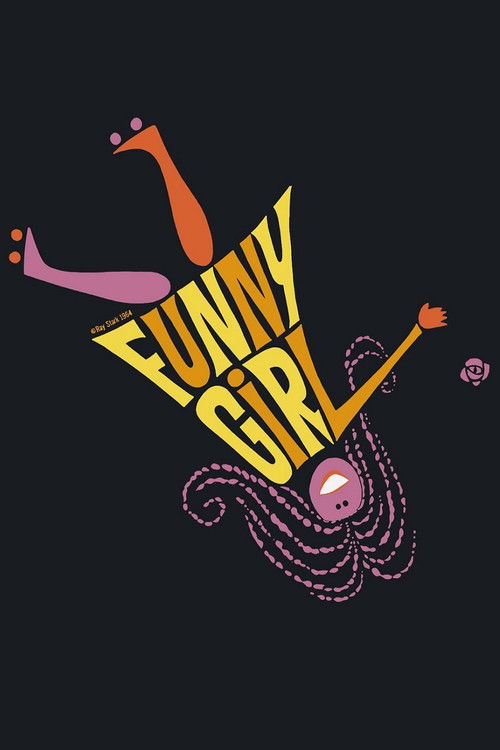
Funny Girl1968
Barbra Streisand as a woman willing to sacrifice everything for stardom, with production numbers that feel genuinely earned. It shares Half a Sixpence's faith in performance and its exploration of whether ambition and love can coexist.
But It's very long and occasionally stagey. Streisand's performance dominates in ways that can overshadow the other characters.
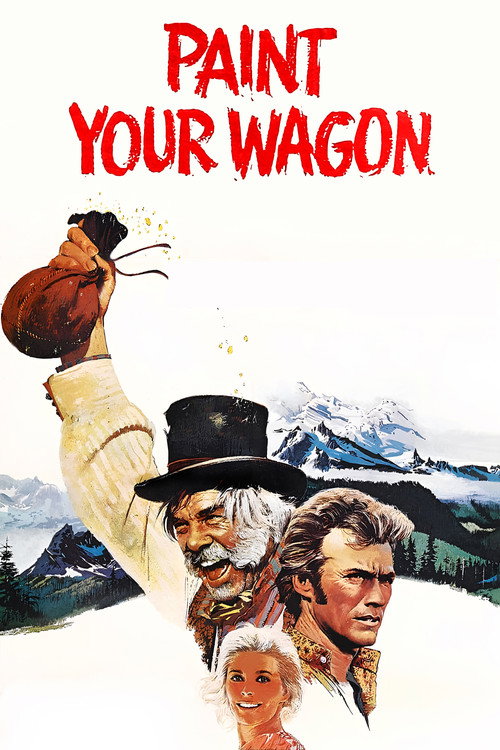
Paint Your Wagon1969
A western musical where Lee Marvin and Clint Eastwood sing about gold mining and companionship. It's bizarre and committed and genuinely moving. If you love musicals that don't apologize for being musicals, this is essential.
But It's expensive, baggy, and occasionally bewildering. Some musical numbers go on too long and the plot meanders significantly.
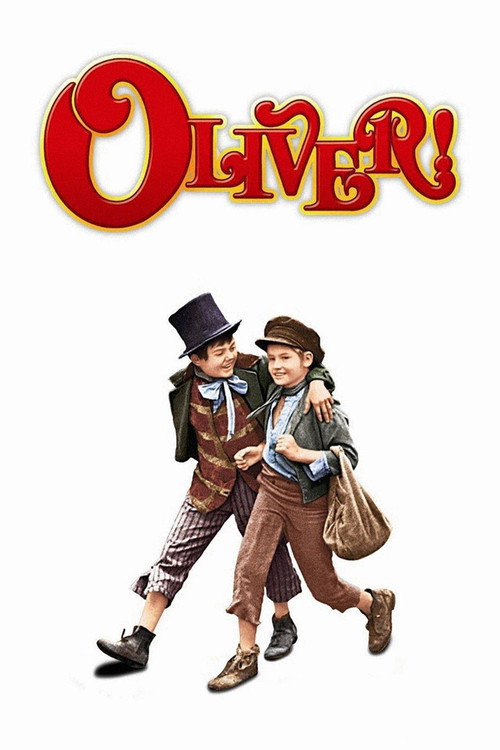
Oliver!1968
A British musical about a workhouse orphan that won Best Picture. It shares Half a Sixpence's energy and its belief that kindness and music matter more than cynicism. The production design is lavish without being cold.
But It sanitizes Dickens considerably. The child actors, while charming, don't have the depth of voice that the film sometimes demands.
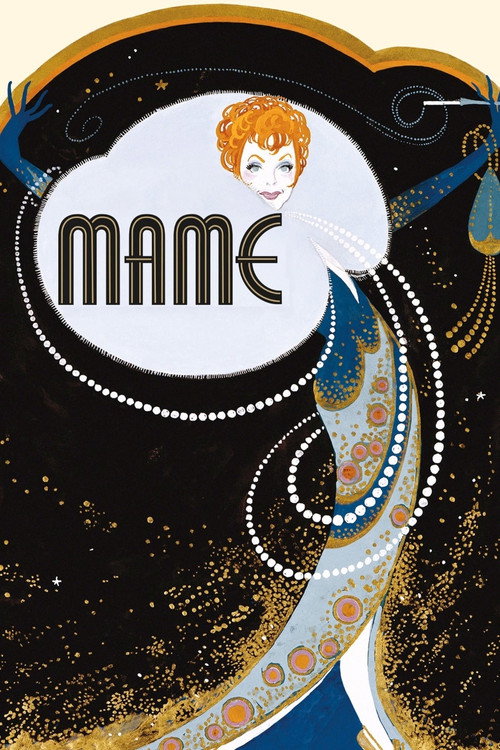
Mame1974
Lucille Ball as a free-spirited woman who believes life should be lived boldly and with generosity. It's earnest about human connection and slightly eccentric in ways that echo Half a Sixpence's own oddness.
But It's theatrical to the point of exhaustion for some viewers. The pacing is uneven and the film sometimes mistakes volume for emotion.
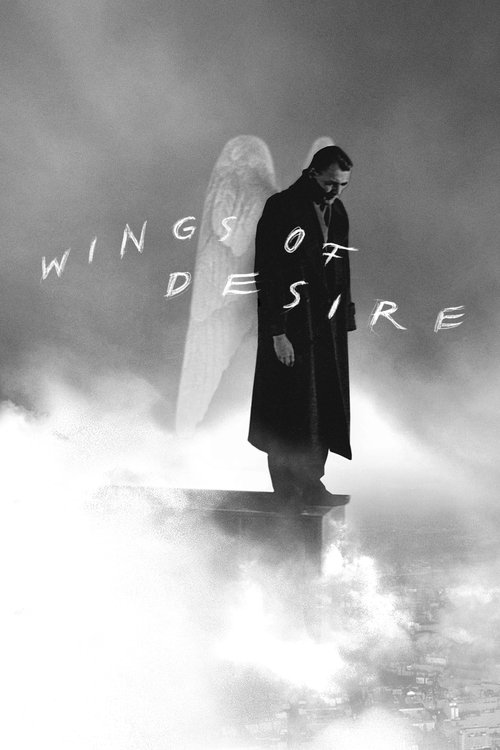
Wings of Desire1987
Both films believe that wonder and transformation are possible in ordinary lives, but Wings of Desire approaches this through metaphysics while Half a Sixpence approaches it through human connection.
Wim Wenders' film about an angel observing human life in divided Berlin. It's a musical in spirit rather than form—transcendent, strange, built on the idea that transformation and witness matter. The black-and-white sequences have the dreamlike quality of Half a Sixpence's best moments, but applied to existential questions rather than romantic ones.
But It's very slow and philosophical. There are no songs, no narrative momentum in a conventional sense, and some viewers will find it impenetrable.
The Ballad of Little Jo1993
Both films hinge on a character reinventing themselves, but where Arthur Kipps is transformed by money, Jo is transformed by necessity and grit. Same structure, opposite stakes.
A woman in the 1880s frontier pretends to be a man to survive. It's a musical in the sense that it's built on performance and reinvention—the same engine as Half a Sixpence—but it's a western, it's revisionist, and it takes survival seriously. Suzy Amis is extraordinary and the film trusts the audience to read between the lines.
But It's sparse and austere. There are no songs or dance numbers. The reinvention at the film's heart is grim rather than joyful.

People
Cast
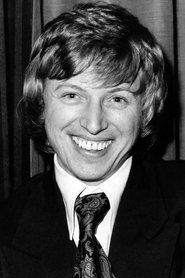 Tommy SteeleArthur Kipps
 Julia FosterAnn
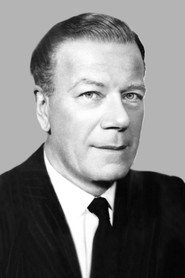 Cyril RitchardHarry Chitterlow
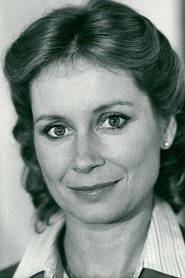 Penelope HornerHelen
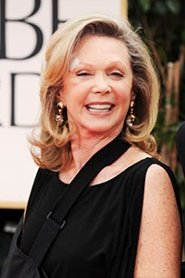 Elaine TaylorVictoria
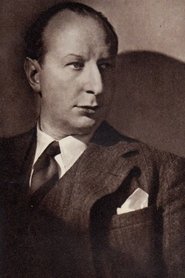 Hilton EdwardsShalford
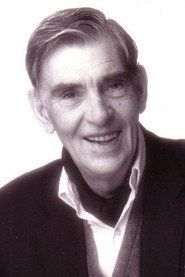 James VilliersHubert
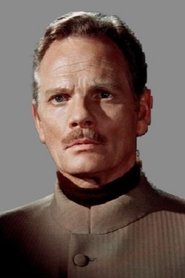 Allan CuthbertsonWilkins
 Pamela BrownMrs. Walsingham
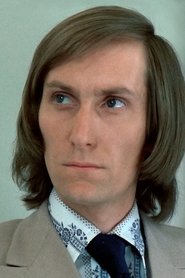
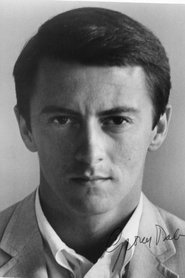 Grover DalePearce
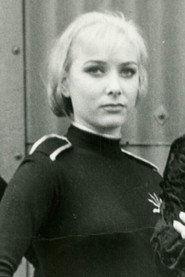 Aleta MorrisonLaura
Directing
- Peter PriceAssistant Director
- Maggie UnsworthContinuity
- George SidneyDirector
Writing
- Beverley CrossScreenplay
Production
- John DarkExecutive Producer
- Derek KavanaghLocation Manager
- Charles H. SchneerProducer
- George SidneyProducer
- René DupontProduction Manager
- David KordaUnit Manager