
Film
The Immoral Mr. Teas
- Gross-out comedy
- Light-hearted
The Immoral Mr. Teas is a 1959 nudist comedy that became the first widely distributed feature film to show unsimulated female nudity. It's a deliberately silly, gossamer thing—essentially a strung-together series of excuses for a salesman to encounter naked women. Innocent by modern standards, historically important, and genuinely funny about its own absurdity.
If you liked this
Breakfast at Tiffany's1961
A romantic comedy of grace and style, with Audrey Hepburn and a New York that feels like a character. It shares Mr. Teas's era and lightness—a film that never questions whether you're having fun.
But The racial caricature in the early scenes is startling and indefensible, even by period standards.

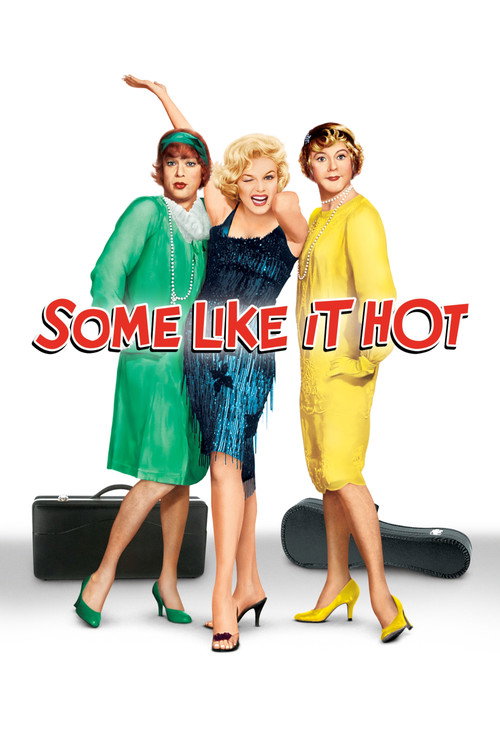
Some Like It Hot1959
Released the same year, another comedy about desire and disguise that's genuinely clever. Cross-dressing, mistaken identity, and a real pleasure in the absurd. The script is perfect.
But At two hours, it's longer and requires patience. The pacing is deliberate in ways modern comedies aren't.
Singin' in the Rain1952
A musical that's pure joy: dancing, charm, and a plot about Hollywood that never takes itself seriously. It understands that movies are permission to be delighted.
But If you don't enjoy classic movie musicals, the song-and-dance numbers might feel like obstacles rather than rewards.

Not sure tonight? Get a pick in a minute, starting from The Immoral Mr. Teas
The wildcard
Something you would not have found on your own.
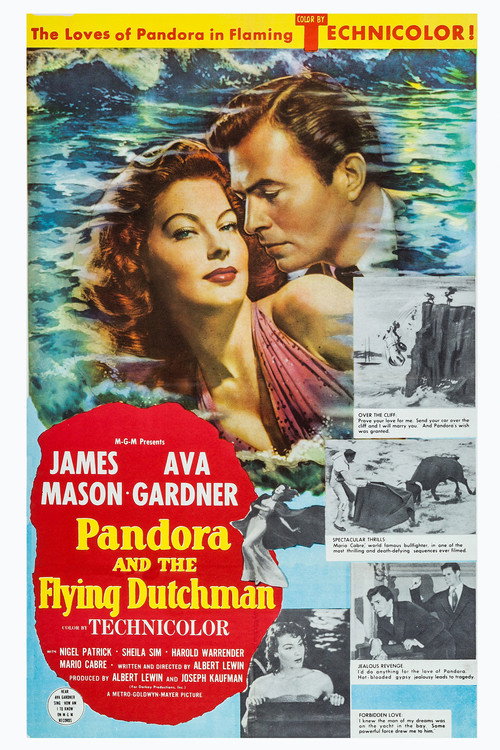
Pandora and the Flying Dutchman1951
Both are 1950s films that are fundamentally about male fantasy and the female form, but Pandora turns the fantasy inside-out—the woman is not a decoration but a destructive force that devours the men who desire her.
A Technicolor fever dream about a woman doomed by love and a cursed sea captain. Shot in Spain, deliberately painterly, with Ava Gardner drenched in color and atmosphere. It's a musical without songs and a fantasy grounded in landscape.
But The narrative is secondary to mood and visual beauty. If plot clarity matters to you, this is frustrating rather than immersive.
More like this (8)
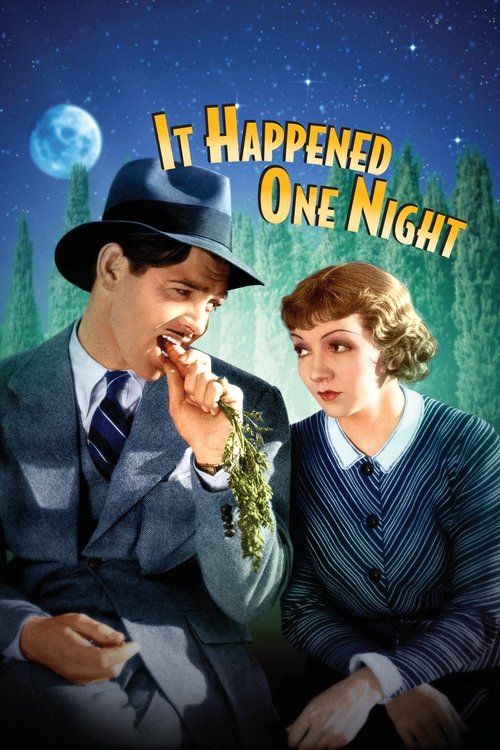
It Happened One Night1934
A screwball comedy with real tenderness underneath. Two strangers forced together on a journey; the script crackles with charm. A master class in making romance and comedy work at once.
But The pacing will feel glacial if you're used to modern editing. Dialogue matters more than visual gags.
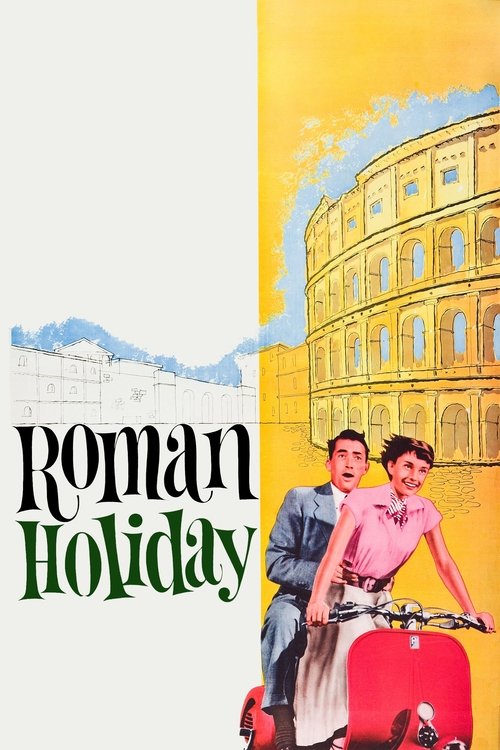
Roman Holiday1953
Audrey Hepburn again, this time falling for Gregory Peck in Rome. A perfect romantic comedy: smart, romantic, and genuinely moving. The city is photographed as a character in love.
But The ending is melancholy, which some viewers find disappointing in a comedy. It chooses sentiment over satisfaction.
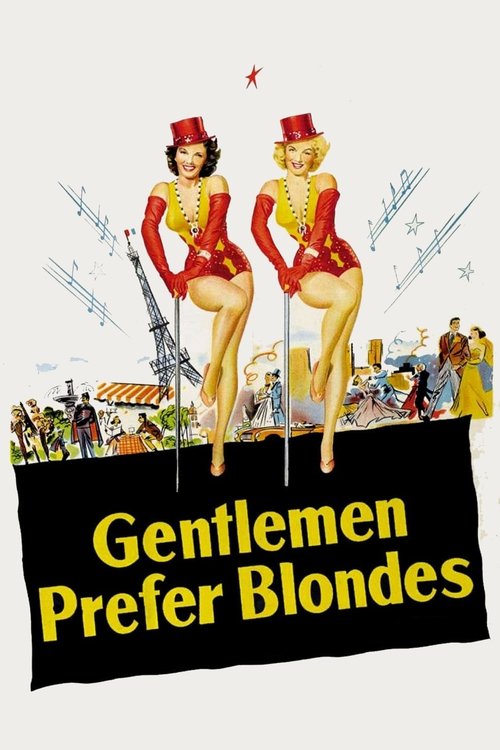
Gentlemen Prefer Blondes1953
Marilyn Monroe and Jane Russell in a brightly colored musical romp. It's playful about desire without apology, and the musicianship is genuinely inventive. Fun without trying too hard.
But The gender politics are dated in ways that might jar. The female characters are exactly what men want them to be.
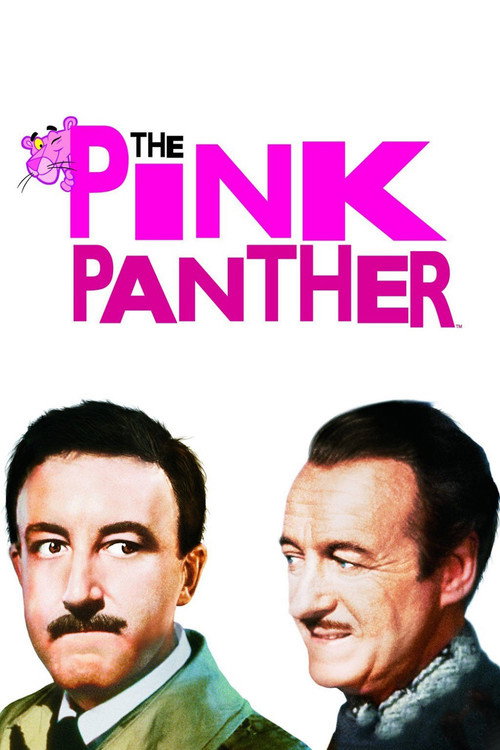
The Pink Panther1963
Peter Sellers as a bumbling detective chasing a jewel thief. Comedy built on character and physical performance rather than plot. It's silly and sophisticated at once, which is the goal.
But The sequels are worse, and knowing that can color the original. The opening credits sequence is the best part for some viewers.
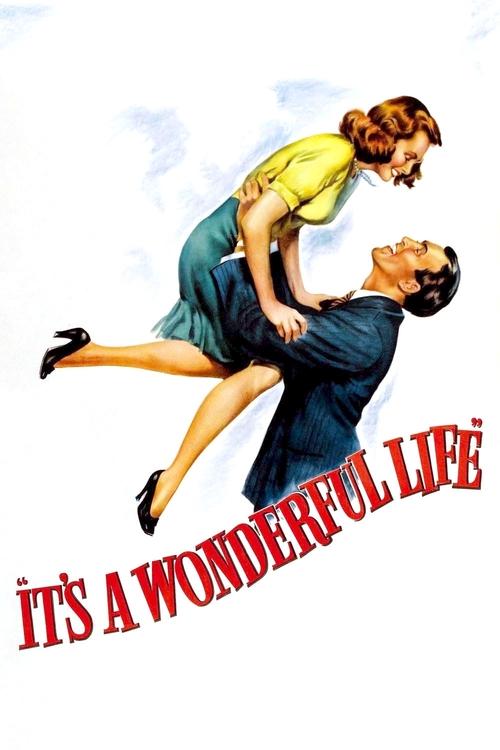
It's a Wonderful Life1946
A Christmas miracle story that's genuinely about community and kindness. It's sentimental, yes, but earned. A film that gets better the more you live.
But The sentimentality is its whole point. If you resist the emotional argument, the film will feel manipulative rather than moving.
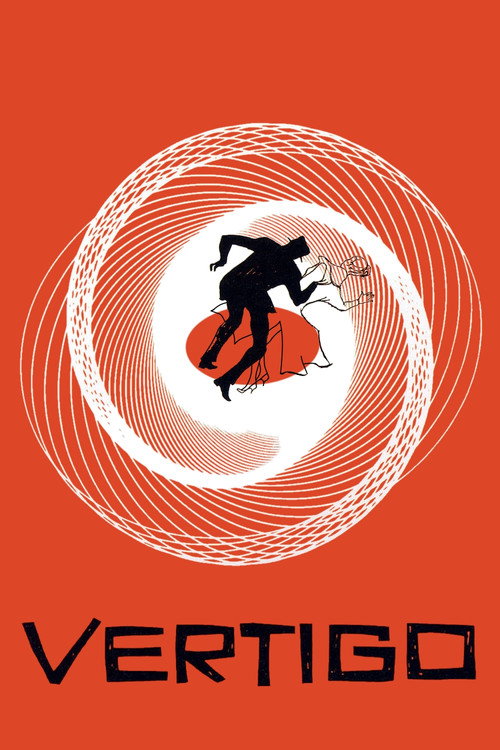
Vertigo1958
Hitchcock's masterpiece about obsession and identity. A thriller disguised as a love story, with James Stewart and Kim Novak. Complex, beautiful, and genuinely unsettling.
But It's cerebral and slow by thriller standards. The emotional core requires you to stay with Stewart's descent, which some find bleak rather than gripping.
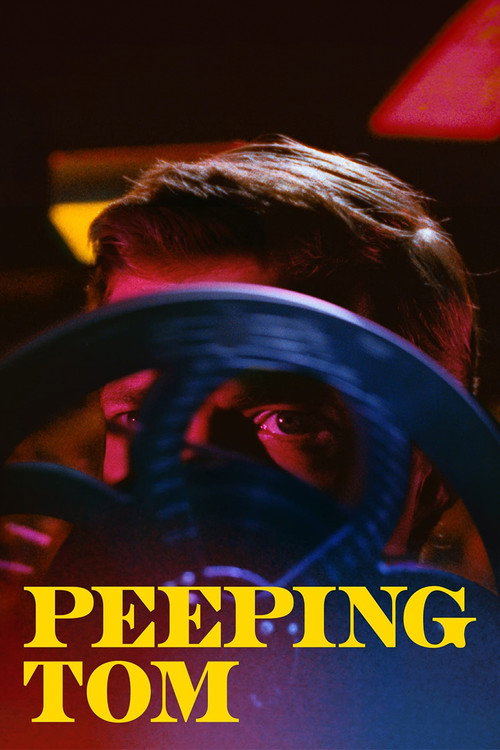
Peeping Tom1960
Where Mr. Teas makes looking innocent and absurd, Peeping Tom makes it pathological and damning. Both films are fundamentally about the male gaze, but one celebrates it and the other condemns it—a necessary collision.
A British thriller about a serial killer who films his crimes. Visually stunning and morally terrifying. It invents the language of the voyeuristic camera and what it means to look at something.
But It's bleak and features graphic violence. Watching someone's murder through a killer's lens is intentionally uncomfortable.
Valerie and Her Week of Wonders1970
Like Mr. Teas, it's a film about looking at beautiful bodies, but it's entirely from the internal perspective of desire and fantasy rather than external nudity. It's the female gaze experiencing its own awakening, not the male gaze consuming.
A Czech surrealist fantasy about a girl's sexual awakening, rendered as a fever dream. Gorgeously photographed in color, dreamlike and strange. It treats adolescent desire as magic rather than comedy or exploitation.
But The narrative is oblique and symbolic. It requires patience with ambiguity and won't explain itself.

People
Cast
- Bill TeasMr. Teas
- Ann PetersThe Waitress
- Marilyn WesleyThe Dental Assistant
- Michele RobertsThe Secretary
- Dawn DanielleThe Beach Beauty
- Don CochranAudience Member (uncredited)
- Peter A. DeCenzieBurlesque Announcer (uncredited)
- Brandy LongBurlesque Dancer (uncredited)
- G. FerrusNarrator (uncredited)
- Monica LiljistrandThe Therapist (uncredited)
 Russ MeyerAudience Member (uncredited)
- Eric 'Mick' NathansonAufience Member (uncredited)
Directing
- Russ MeyerDirector
Writing
- Edward J. LaksoScreenplay
- Russ MeyerScreenplay
Production
- Peter A. DeCenzieProducer
- Russ MeyerProducer