
Film
What's Up, Doc?
- Screwball comedy
- Light-hearted
A gleeful screwball comedy that feels like watching someone throw a cream pie in slow motion and catch it on the way down. Barbra Streisand and Ryan O'Neal tumble through a plot about identical suitcases with the precision of a jazz duet—chaotic but orchestrated. Joyfully silly, visually inventive, and made for anyone who thinks romance should be ridiculous.
Should you watch it?
Watch it if you love screwball farce where the plot is a machine for escalating chaos, with physical slapstick, rapid-fire verbal gags and a chase through San Francisco that keeps topping itself, in the spirit of Bringing Up Baby.
Skip it if you want character-driven comedy with emotional depth; this one runs on momentum and sight gags, and its frantic stacking of mix-ups can feel more relentless than charming by the final act.
What it asks of you: Ninety-four minutes of fast, busy comedy that rewards close attention, since the jokes and bag swaps pile up quickly and a moment of distraction can cost you a setup.
Not sure? Find tonight's pick in a minute.
If you liked this
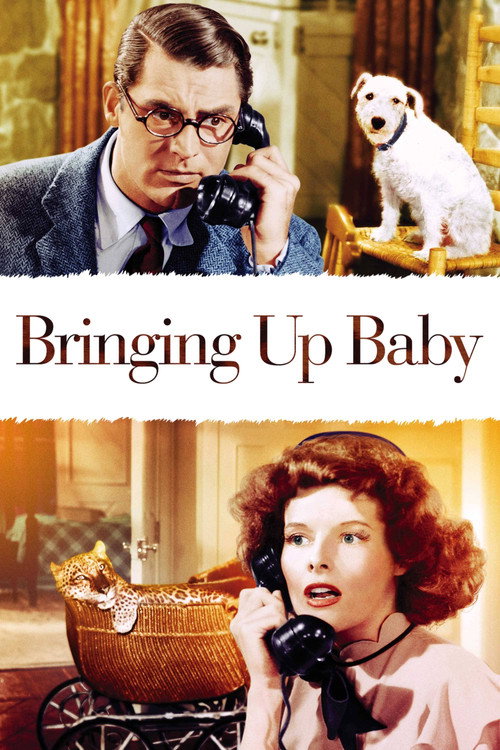
Bringing Up Baby1938
The template for everything here: Cary Grant and Katharine Hepburn in a hurricane of mistaken identity, slapstick, and dialogue that ricochets like bullets. Fast, frantic, and utterly confident in its own absurdity.
But Black-and-white screwball can feel airless if you're not in the mood for banter-as-plot. The pacing assumes you'll keep up without explanation.
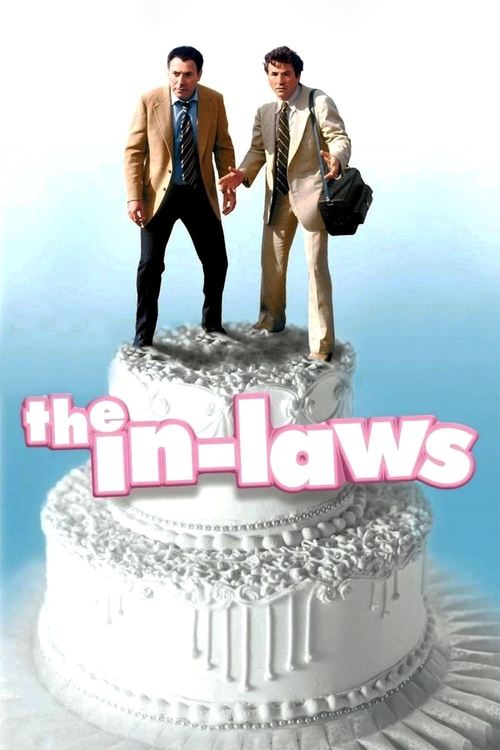
The In-Laws1979
Peter Falk and Alan Arkin as in-laws on an accidental adventure that spins from wedding preparations into international chaos. Wildly inventive gags, committed performances, and a plot that seems to mutate every scene.
But The tone is uneven—it lurches between slapstick and genuine peril in ways that can feel jarring if you want consistency.
Singin' in the Rain1952
Gene Kelly, Donald O'Connor, and Debbie Reynolds in a musical so good-natured and inventive it feels like watching people who love being in movies. Romance, comedy, and those production numbers stop time.
But If you're allergic to charm and technical perfection, or if you need your entertainment grittier, this will feel like watching a greeting card.

Not sure tonight? Get a pick in a minute, starting from What's Up, Doc?
The wildcard
Something you would not have found on your own.
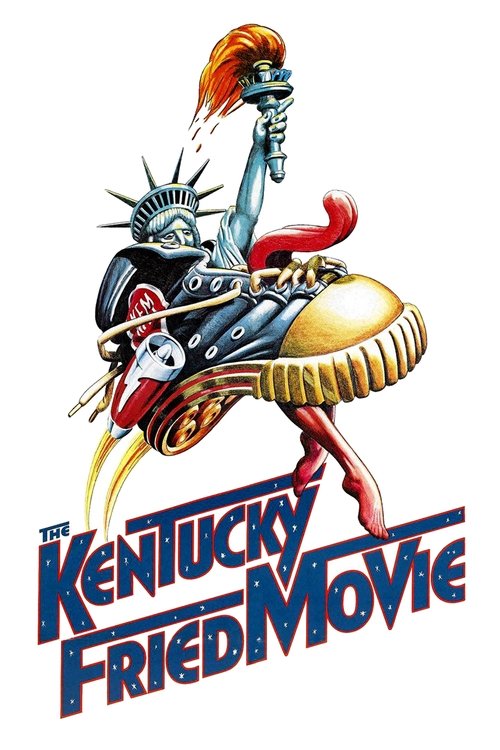
The Kentucky Fried Movie1977
Both are comedies that prioritize the *architecture* of gags over realism—they're about cinematic syntax, the rhythm of cuts and timing, not plot plausibility.
A sketch comedy film by David Zucker and Jim Abrahams that treats gags with the same anarchic precision *What's Up, Doc?* applies to plot. Rapid-fire, absurdist, crammed with ideas—comedy as pure kinetic energy. Two years later they'd make *Airplane!*, but this one swings harder.
But It's a sketch film, so there's no narrative or character continuity. Individual sketches fail or land unevenly, and the whole thing can feel scattershot if you're used to traditional structure.
More like this (8)
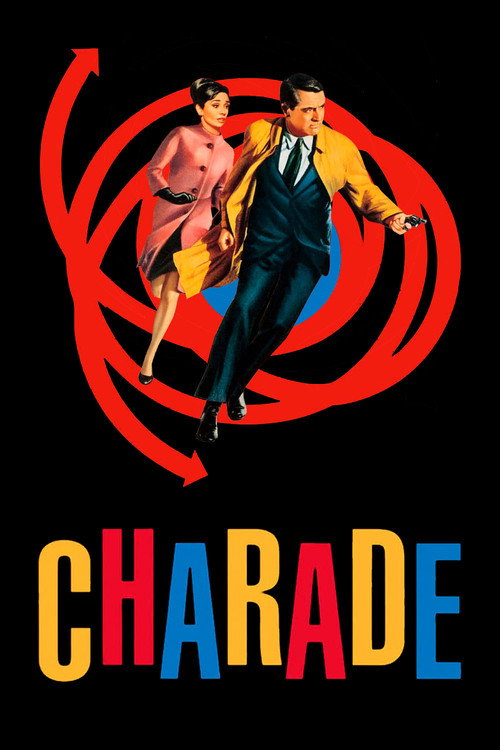
Charade1963
Audrey Hepburn and Cary Grant in a film that's half romantic comedy, half Hitchcock thriller, with a plot twist involving mysterious suitcases. Elegant, clever, and genuinely suspenseful without losing its wit.
But It pivots between tones more dramatically than *What's Up, Doc?* does—some find that sophisticated, others find it unfocused.
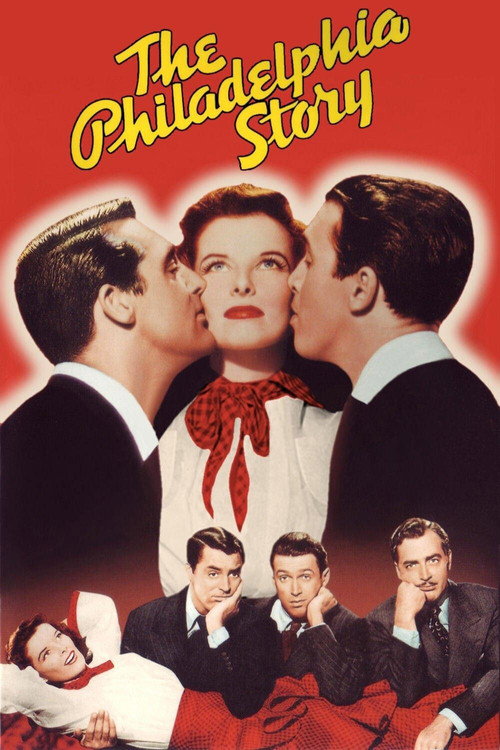
The Philadelphia Story1940
Cary Grant, Katharine Hepburn, and James Stewart trade quips over marriage, class, and identity with such ease they make the dialogue seem inevitable. Romantic comedy operating at peak intelligence and charm.
But The pacing is deliberate—nothing rushes. If you want kinetic slapstick rather than verbal sparring, you'll feel it lag.
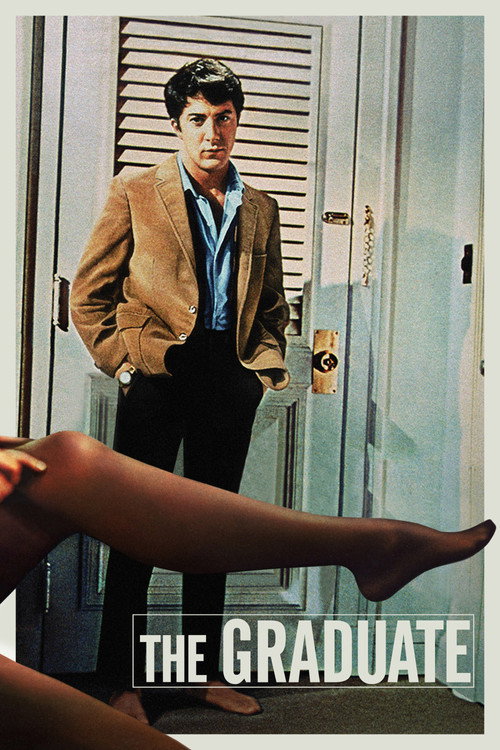
The Graduate1967
Dustin Hoffman stumbles through a plot about mistaken intentions and bedroom farce with the deadpan confusion that *What's Up, Doc?* also mines for laughs. Comedy, romance, and identity confusion, all anchored by brilliant performances.
But Its view of relationships is acidic in a way the Streisand film isn't—the romance here comes wrapped in anxiety and regret.
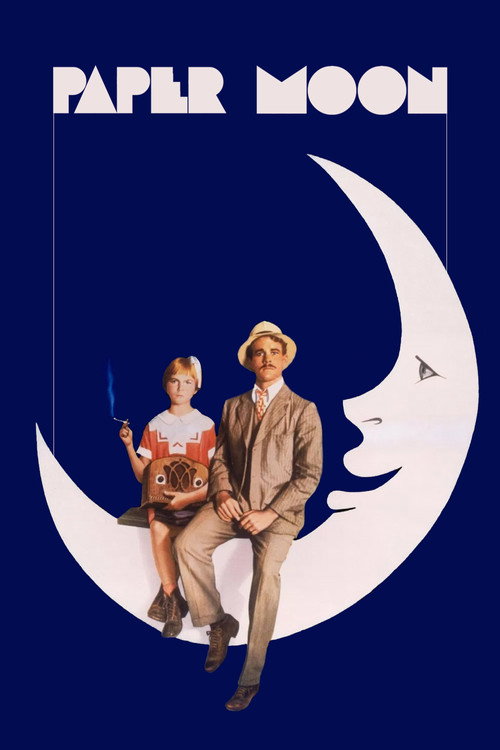
Paper Moon1973
Ryan O'Neal (again, perfectly cast) and Tatum O'Neal as con artists in Depression-era America. Understated, charming, with a plot that spirals based on misunderstandings and schemes that backfire.
But It's much quieter and more melancholic than typical screwball—dry rather than broad. The con-artist energy is there, but so is real loneliness.
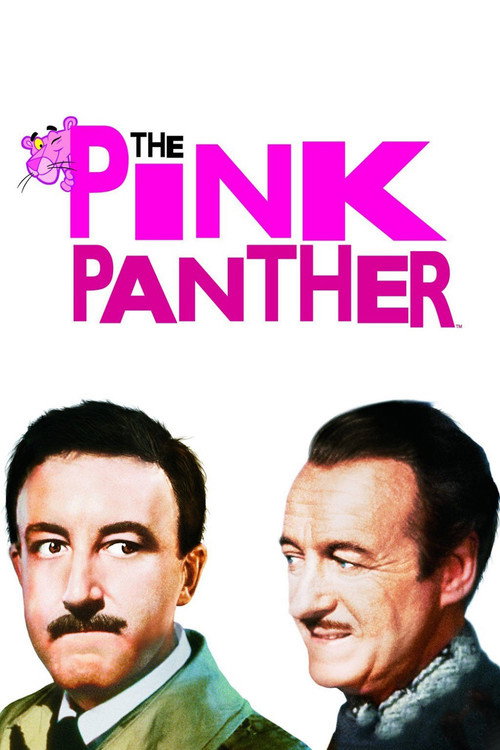
The Pink Panther1963
Peter Sellers as Inspector Clouseau, a bumbler whose chaos happens to solve crimes. The pleasure is watching competent people try to work around his incompetence—premise pure *What's Up, Doc?* energy.
But The humor is built almost entirely on Sellers' performance and physical comedy. If that doesn't land, there's not much else underneath.
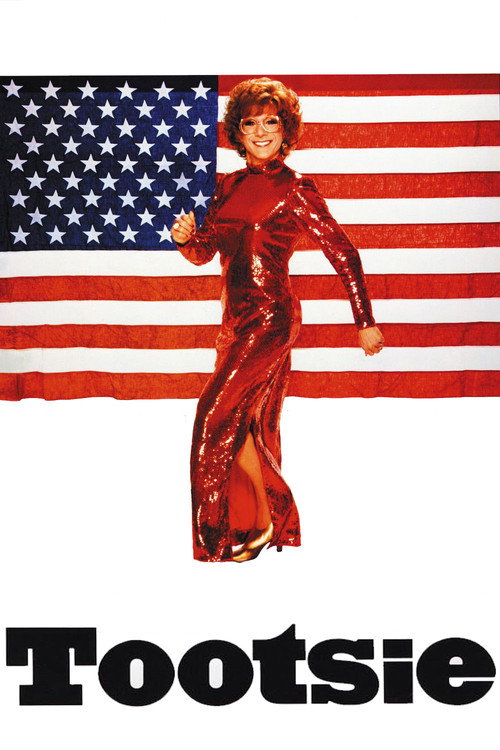
Tootsie1982
Dustin Hoffman dressed as a woman to get a role, spiraling into romantic complications and identity confusion. Comedy and genuine emotion balanced so carefully it feels effortless.
But It's longer and more invested in character development than pure screwball. Some find the earnestness dilutes the chaos.
The Grand Budapest Hotel2014
Both films treat plot complications as excuses for visual and tonal sophistication. They're not interested in *why* things go wrong—they're interested in the geometry of the disaster.
Wes Anderson creates a caper film with a plot about a stolen painting, mistaken identities, and increasing chaos—but rendered in his obsessive, symmetrical visual style. A mystery that's funny because the precision makes the absurdity funnier.
But Anderson's formalism can feel precious or cold. If you need messiness, spontaneity, or genuine dirt in your comedy, this immaculate artifice will frustrate you.

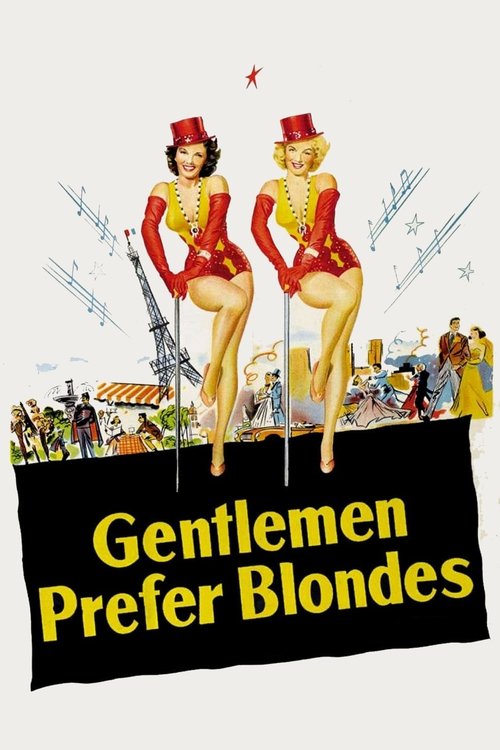
Gentlemen Prefer Blondes1953
Both feature a brilliant female comedienne (Streisand here is doing Monroe's lineage) driving the plot through charm and chaos, with romance incidental to the character's self-determination.
Jane Russell and Marilyn Monroe sail through a plot about mistaken women, fortune hunters, and crimes they didn't commit, with musical numbers and such unwavering charm that the plot barely matters. Streisand is clearly inheriting this tradition of comedienne-as-engine.
But It's shaped by 1953 sexual politics in ways that can feel antiquated or patronizing. The humor often trades in stereotypes about women and money in ways modern audiences find uncomfortable.
People
Cast
 Barbra StreisandJudy Maxwell
 Ryan O'NealHoward Bannister
 Madeline KahnEunice Burns
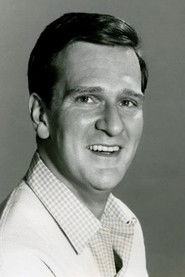 Kenneth MarsHugh Simon
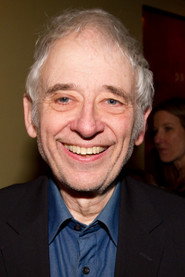 Austin PendletonFrederick Larrabee
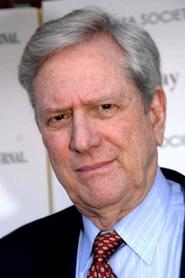 Michael MurphyMr. Smith
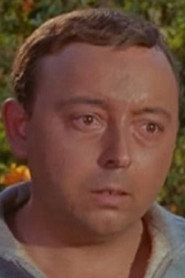 Philip RothMr. Jones
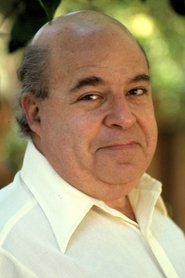 Sorrell BookeHarry
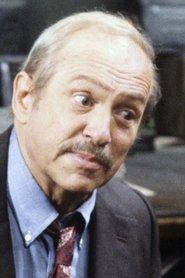 Stefan GieraschFritz
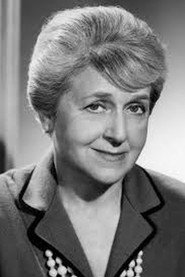 Mabel AlbertsonMrs. Van Hoskins
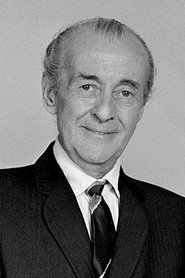 Liam DunnJudge Maxwell
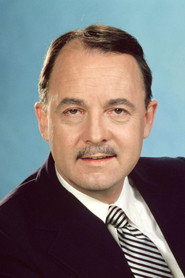 John HillermanHotel Manager
Directing
- Ray Gosnell Jr.Assistant Director
- Peter BogdanovichDirector
- Hazel W. HallScript Supervisor
- Doug MorrisonSecond Assistant Director
- Jerry BallewSecond Assistant Director
Writing
- Buck HenryScreenplay
- David NewmanScreenplay
- Robert BentonScreenplay
- Peter BogdanovichStory
Production
- Paul LewisAssociate Producer
- Nessa HyamsCasting
- Harry ZubrinskyLocation Manager
- Peter BogdanovichProducer
- Fred AhernUnit Production Manager
Recommended by
Some Like It Hot, Steamboat Bill, Jr., Bringing Up Baby, A Fish Called Wanda, A Shot in the Dark, The Kentucky Fried Movie, The Cheap Detective, She's Funny That Way, Funny Lady, Hardware Wars, The Main Event, Adventures of a Private Eye, Oh Dad, Poor Dad, Mamma's Hung You in the Closet and I'm Feeling So Sad, The Bank Shot, Barry McKenzie Holds His Own, I'm So Excited!, Oh! Heavenly Dog