
Film
Oh Dad, Poor Dad, Mamma's Hung You in the Closet and I'm Feeling So Sad
- Comedy
- Strange
A 1967 comedy about a domineering mother who travels with her dead, taxidermied husband and emotionally stunted son. It's a surreal, theatrical farce that swings wildly between absurdist humor and genuine oddness. For anyone who loves mid-century camp and isn't afraid of weird.
If you liked this
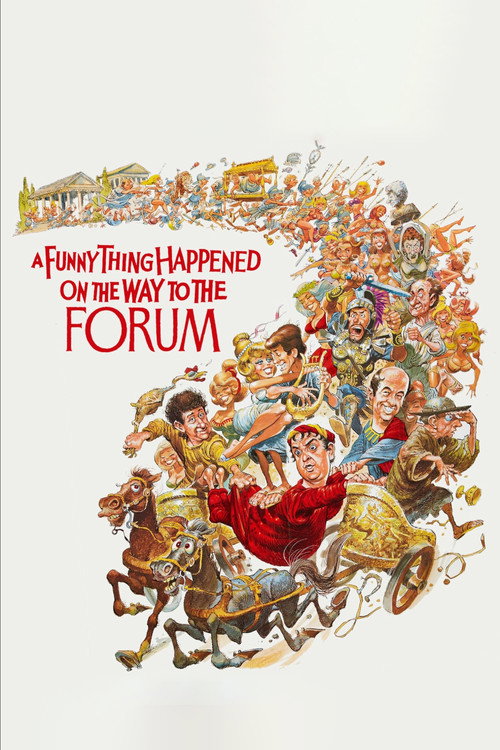
A Funny Thing Happened on the Way to the Forum1966
Sondheim's musical comedy with the same theatrical energy and ensemble zaniness. Zero plot pretense, pure comedic momentum and physical gags layered on top of each other. Buster Keaton and Zero Mostel spark off each other beautifully.
But The humor is relentlessly broad and rarely lands with emotional weight. If you need character development or a coherent story, this will frustrate you.
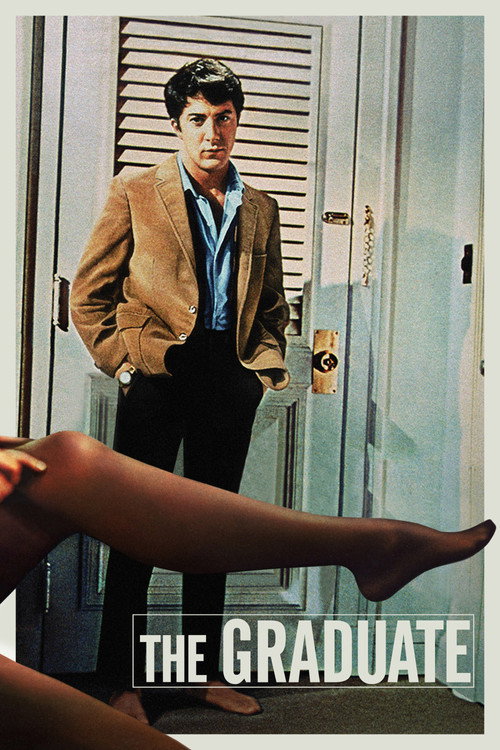
The Graduate1967
Released the same year, it captures the same era's disillusionment with suburban life and parental control. Dustin Hoffman navigates absurd situations with the same deadpan befuddlement as Robert Morse here. Sharp, funny, and anxious all at once.
But It's dramatically heavier and more romantic. If you're after pure absurdist farce, the emotional stakes might feel like they're getting in the way.
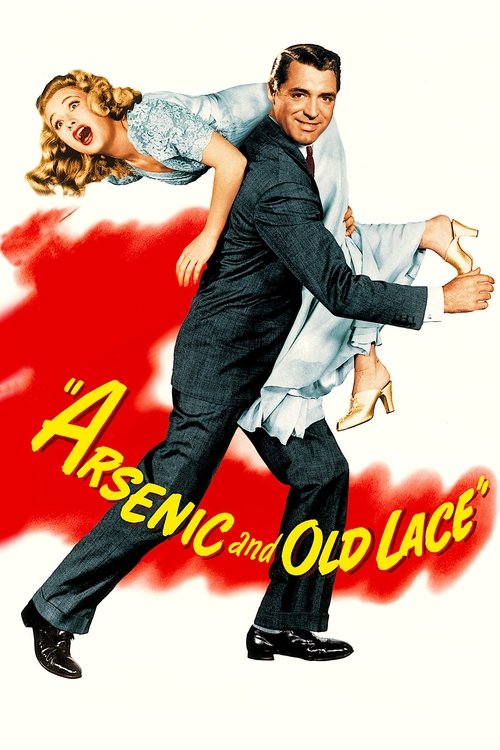
Arsenic and Old Lace1944
Two eccentric aunts, murder played for laughs, and the same theatrical chaos. Cary Grant anchors complete madness with mounting hysteria. The pacing is immaculate and the cast is clearly having tremendous fun.
But It's from 1944, so the comedic rhythms are quite different. Some of the jokes land as quaint rather than funny now.
Not sure tonight? Get a pick in a minute, starting from Oh Dad, Poor Dad, Mamma's Hung You in the Closet and I'm Feeling So Sad
The wildcard
Something you would not have found on your own.
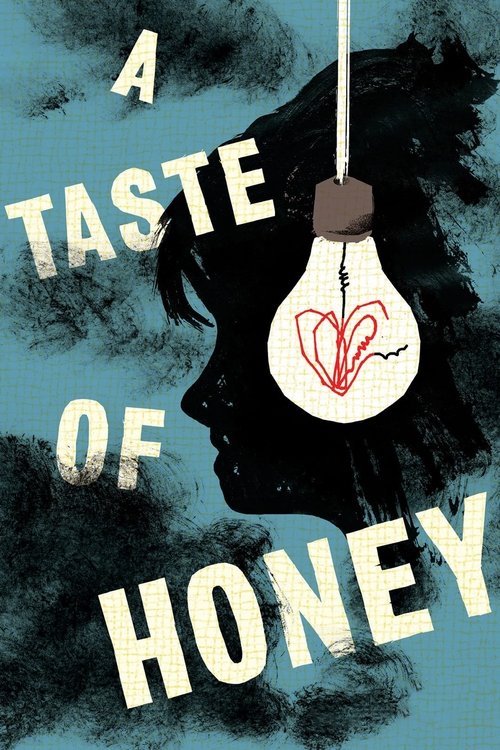
A Taste of Honey1961
Both are built entirely on a suffocating mother-son/daughter dynamic. Both feature an older woman performing an exaggerated version of femininity as a tool of control. The difference is tone: this shows the same psychological damage but without the release valve of comedy.
A British kitchen-sink drama about a working-class girl abandoned by her mother. It has the same theatrical dysfunction and maternal toxicity, but plays it as tragedy rather than farce. Dora Bryan's monstrous mother will haunt you.
But It's relentlessly bleak and without humor. This is what *Oh Dad* could be if you removed all the jokes and took the emotional damage seriously.
More like this (8)
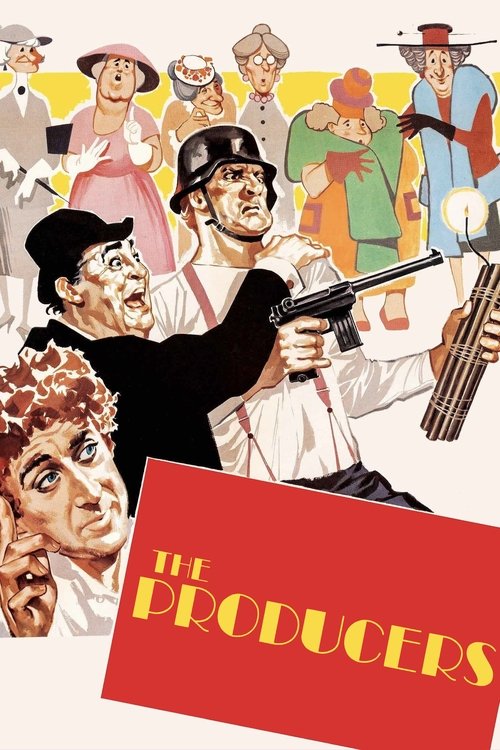
The Producers1968
Mel Brooks' debut from the same year: theater people, schemes, absurdity, and a genuine affection for the ridiculous. Zero Mostel is magnificent. It's grotesque and hilarious in equal measure.
But The humor is cruder and more aggressive. If you prefer wit to shock value, this will feel coarse.
Singin' in the Rain1952
A Hollywood comedy with Debbie Reynolds and Donald O'Connor that glides between screwball energy and stunning musical numbers. The physical comedy is impeccable and the tone stays light even as the plot thickens.
But It's relentlessly charming and optimistic. If you're drawn to the darker, weirder edges of this film, this will feel too wholesome.

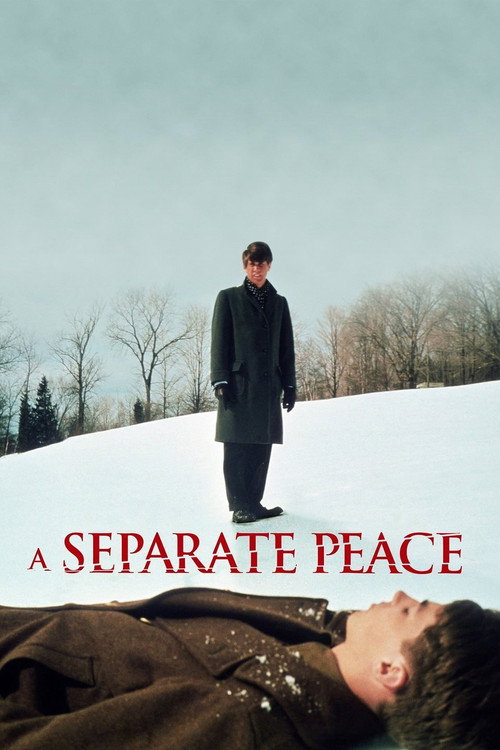
A Separate Peace1972
Adaptation of the Knowles novel set in a boys' school where privilege masks neurosis and emotional violence. Captures the same tension between surface normalcy and buried dysfunction, though played far more dramatically.
But It's genuinely sad. The comedy here is bittersweet at best, and the underlying cruelty isn't played for laughs.
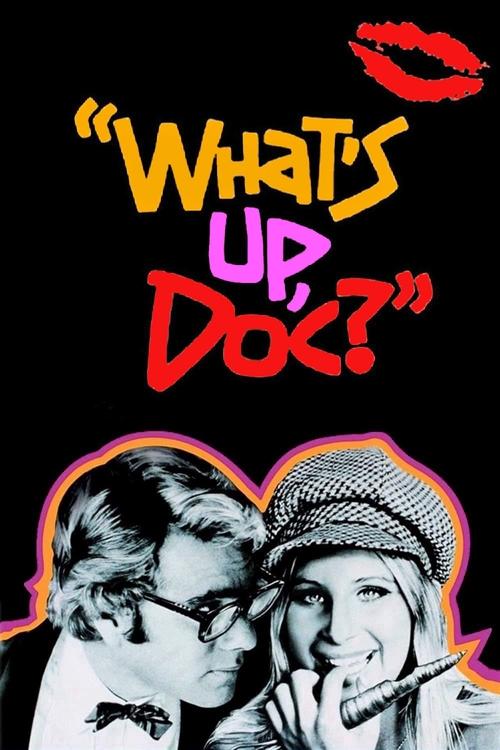
What's Up, Doc?1972
Peter Bogdanovich's Streisand-O'Neal screwball comedy with the same theatrical energy and cartoonish escalation. Plot barely matters; the ensemble chaos and physical comedy are what propel it.
But By the seventies, the style feels dated. The gender politics are queasy if you're paying attention.
Breakfast at Tiffany's1961
Audrey Hepburn as an enigmatic woman who creates her own reality and drags others into it. Henry Mancini's score and Hepburn's charm coat the darker material underneath. It's lighter than *Poor Dad* but shares the fascination with eccentric performance.
But It's fundamentally romantic where this is fundamentally weird. The whimsy can feel saccharine if you're expecting the absurdism of this film.

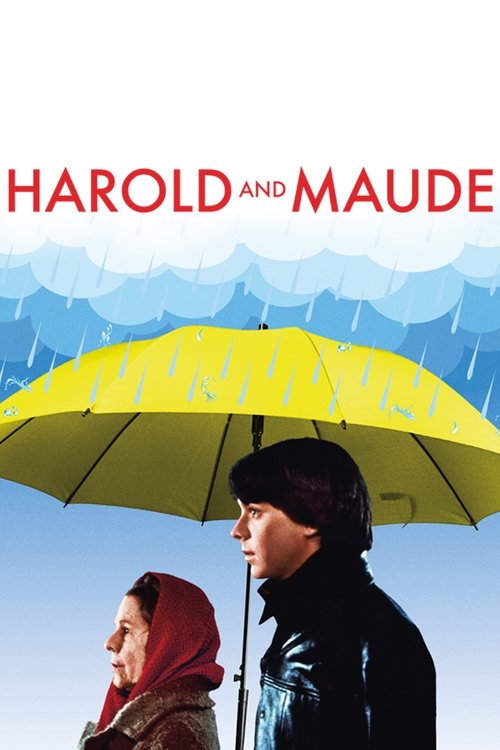
Harold and Maude1971
A young depressive falls for a seventy-nine-year-old woman who throws elaborate fake suicides. The tone is perfectly pitched between tragedy and comedy. Ruth Gordon is magnificent, and the whole film is pitched at the exact frequency of beautiful strangeness.
But The central romance might feel exploitative or creepy depending on your tolerance for age-gap relationships. Some find it precious rather than genuinely funny.
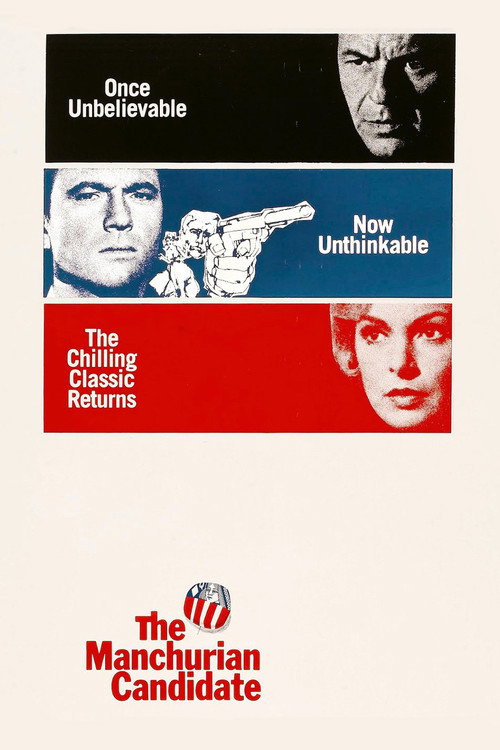
The Manchurian Candidate1962
Both films feature a mother as the central engine of control and dysfunction, using performance and emotional manipulation to keep her son infantilized. Both rely on a supporting cast of bewildered observers. Lansbury's performance is what Rosalind Russell's could have been if the film had lost its sense of humor.
An unsettling political thriller built around a domineering mother who controls her son through manipulation and patriotic rhetoric. Angela Lansbury is terrifyingly grotesque. It has the same theatrical grandeur and the same dread underneath the surface spectacle.
But It's a dark, paranoid thriller. If you want comedy, this will feel like the horror show underneath the other film's jokes.
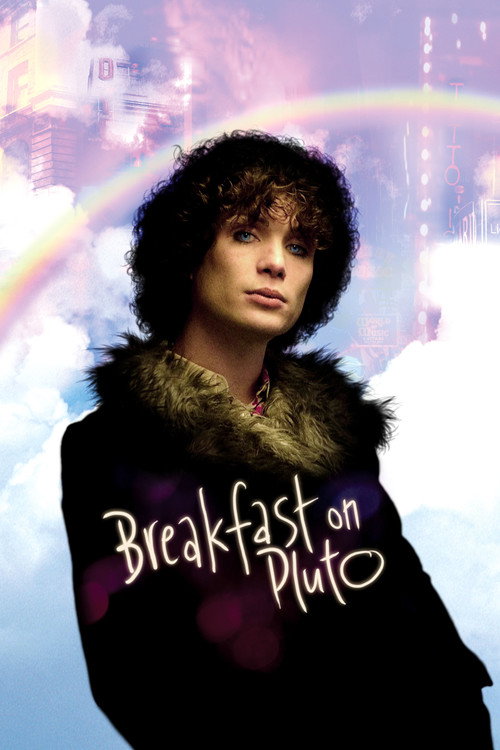
Breakfast on Pluto2005
Both are about characters who use performance and eccentricity as armor against genuine damage. Both refuse tidy genre categorization—they're comedies with teeth, farces with real pain underneath. Both feature protagonists trying to survive families that have failed them by performing a version of themselves that keeps them safe.
Neil Jordan's film of Patrick McCabe's novel: a transgender Irish woman performs her way through family trauma, abandonment, and abuse with darkly comic resilience. It has the same theatrical artifice and the same refusal to be pinned down tonally—swinging between genuine horror and lightness.
But It's sexually explicit and deals with child abuse. The performance of identity as survival is the entire film, and it never lets the audience get fully comfortable.
People
Cast
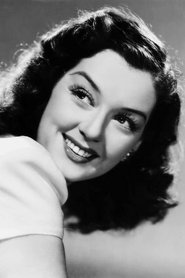 Rosalind RussellMadame Rosepettle
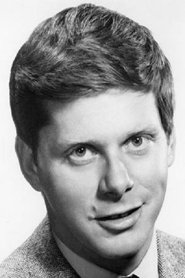 Robert MorseJonathan
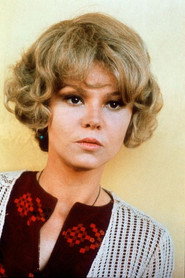 Barbara HarrisRosalie
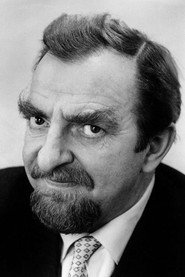 Hugh GriffithCommodore Roseabove
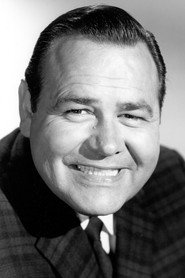 Jonathan WintersDad / Narrator
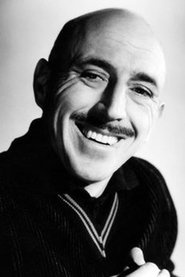 Lionel JeffriesAirport Commander
 Cyril DelevantiHawkins
 Hiram ShermanBreckenduff
- George KirbyMoses
- Janis HansenThe Other Woman
Directing
- Mickey McCardleAssistant Director
- Richard QuineDirector
- Esther StephensonScript Supervisor
Writing
- Herbert BakerDialogue
- Pat McCormickDialogue
- Ian BernardScreenplay
- Arthur KopitTheatre Play
Production
- Carter DeHaven Jr.Associate Producer
- Ray StarkProducer
- Stanley RubinProducer
- John R. CoonanProduction Manager