
Film
The Magic Carpet
- Swashbuckler
- Light-hearted
A 1951 Technicolor adventure film where Lucille Ball plays a princess caught in an Arabian Nights rebellion, complete with a magic carpet and elaborate sets. It's earnest fantasy spectacle from Hollywood's golden age—colourful, strange, and utterly of its moment. Watching it feels like tumbling through a storybook made by people who'd never been to Arabia but had tremendous confidence and a big budget.
If you liked this
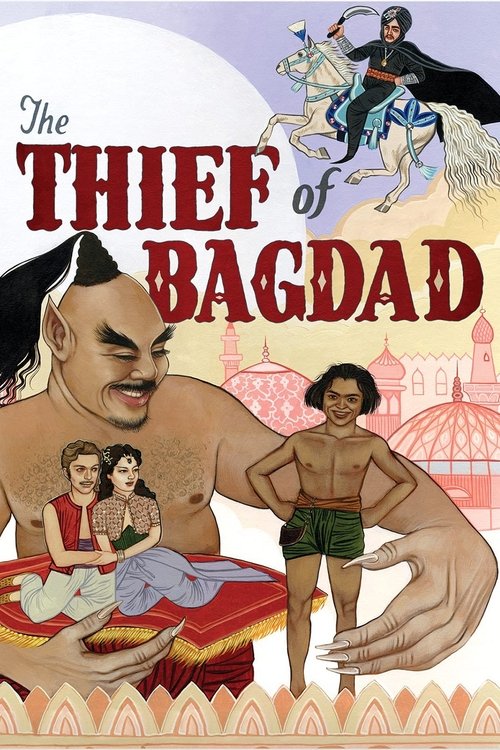
The Thief of Bagdad1940
A ravishing Technicolor fantasy adventure with a young boy, a genie, and a flying carpet that set the template for this kind of escapist spectacle. The effects still enchant, and it has genuine emotional weight beneath the magic.
But Pre-war production values can feel slow to modern viewers, and the pacing meanders between set pieces. Some racial attitudes in the casting haven't aged well.
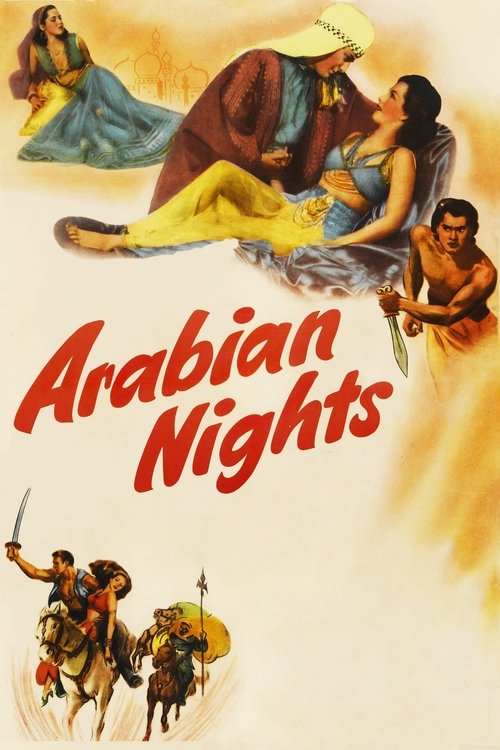
Arabian Nights1942
Another Technicolor fantasy romp with Jon Hall and Maria Montez, riding on the same golden-age adventure energy. It's got sword fights, treasure hunts, flying horses, and a heroine who refuses to be a damsel. Pure fun.
But The plot is thin as a curtain and the acting is pitched to the balcony. It exists mainly to showcase costumes and sets, which is either the point or a dealbreaker.
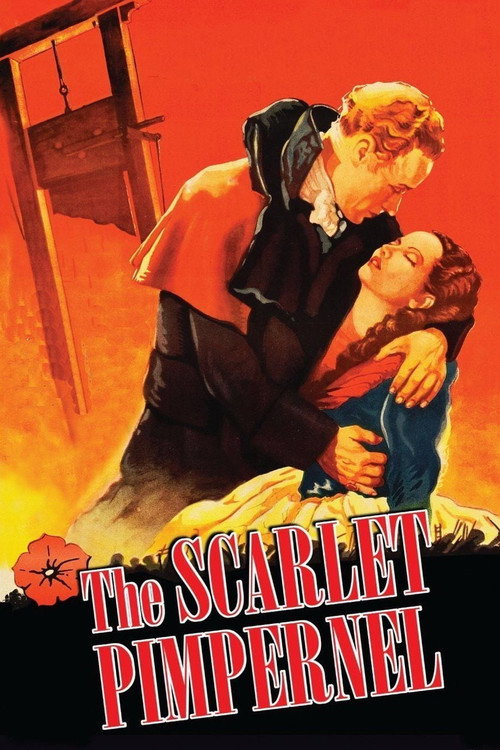
The Scarlet Pimpernel1934
A rousing adventure with a secret hero leading a rebellion against tyranny, mixing wit, costume, and genuine stakes. Leslie Howard is magnetic, and the film moves like nothing else from its era—it's a prototype for the hero-in-disguise adventure.
But The British accents and aristocratic sensibilities might feel at odds with the derring-do. Subtler than The Magic Carpet, which some will prefer and others find slow.
Not sure tonight? Get a pick in a minute, starting from The Magic Carpet
The wildcard
Something you would not have found on your own.
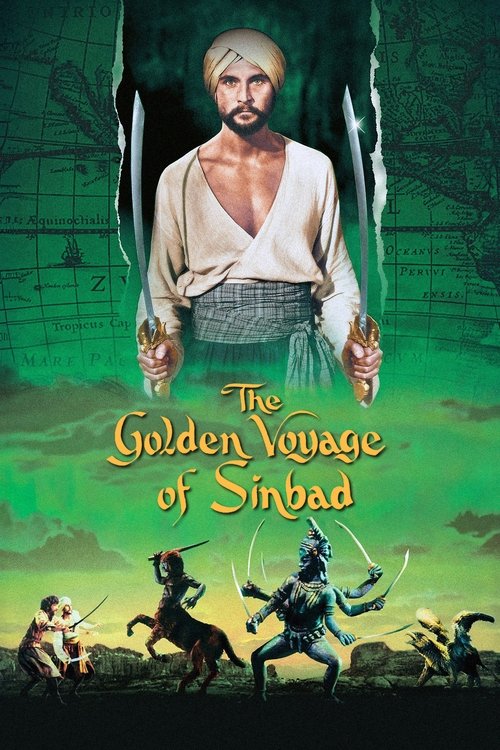
The Golden Voyage of Sinbad1973
Both films pitch adventure as a series of impossible wonders to witness. The Magic Carpet shows them through design and colour; Sinbad shows them through creature effects. Same impulse, different technology.
Ray Harryhausen's stop-motion masterpiece—it has the same love of adventure spectacle and fantastic creatures as The Magic Carpet, but thirty years later and with technical wizardry that still startles. A living fantasy world where magic feels earned.
But Stop-motion effects move at their own pace; some sequences feel glacially slow by modern action standards. The plot is simple and the acting is functional—it's about the spectacle, not the story.
More like this (7)
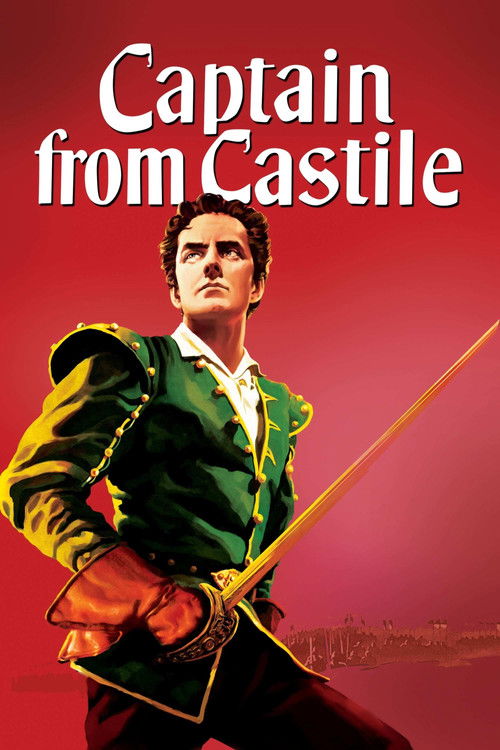
Captain from Castile1947
Tyrone Power as a swashbuckling hero in a lavish Technicolor adventure full of betrayal, rebellion, and romance. It has the same big-budget spectacle and earnest adventure DNA as The Magic Carpet, with stronger action.
But Runs nearly two hours and drags between the exciting bits. The romantic subplot sidelines the momentum, and the Conquest narrative hasn't aged gracefully.
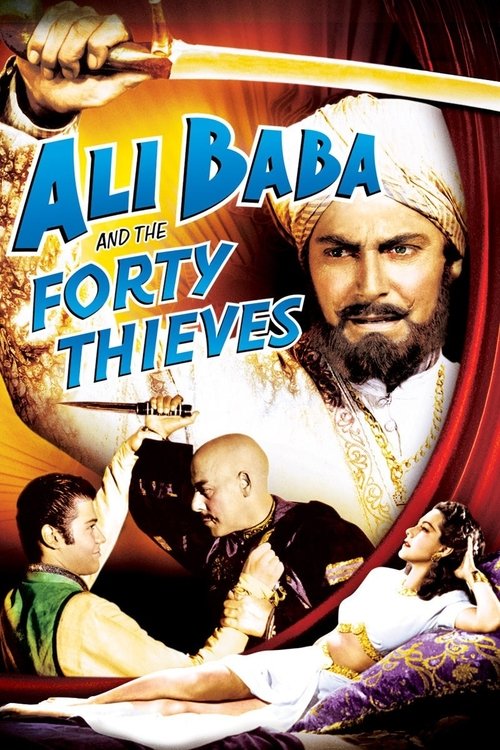
Ali Baba and the Forty Thieves1944
Jon Hall and Maria Montez again, in glorious Technicolor, with a genuine revenge plot and better pacing than most adventure films of the era. It's got spectacle, intrigue, and a genuinely satisfying arc.
But The acting is broad and the 'Arabian' setting is pure Hollywood invention. If you can't enjoy that kind of artifice, the seams will show immediately.
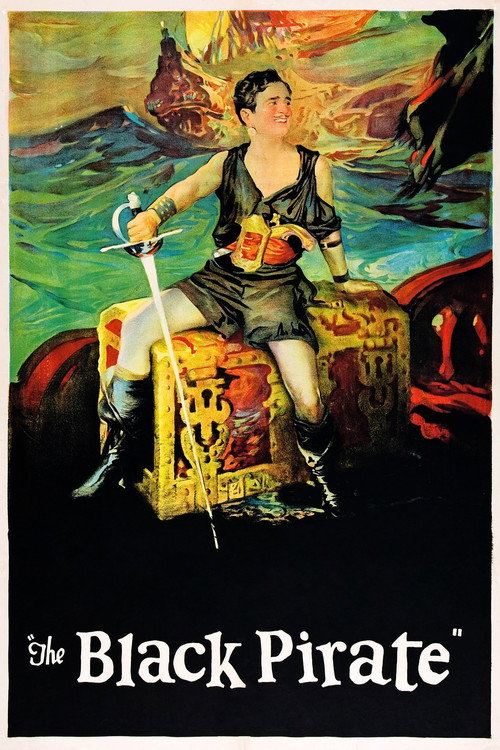
The Black Pirate1926
Douglas Fairbanks at the height of his powers in an early Technicolor adventure about infiltrating pirates to avenge a wrong. It's all physical charisma and real stunts—nothing digital to hide behind.
But 1926 means intertitles and silent-era acting extremes. The story is a skeleton, and if you need dialogue to feel invested, this won't carry you.
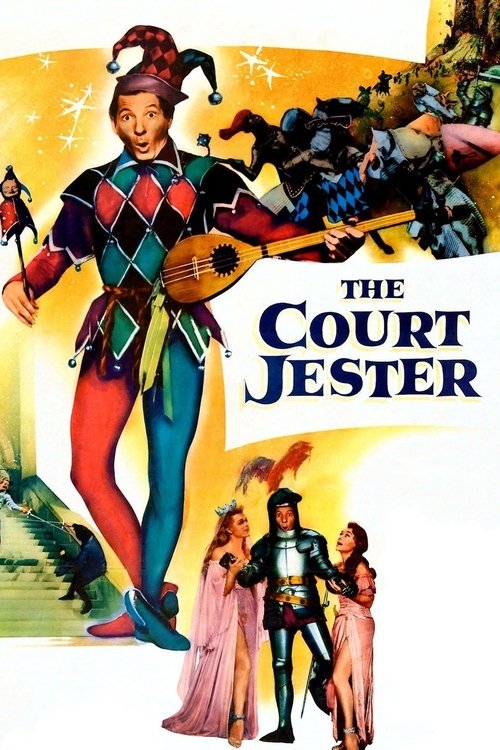
The Court Jester1955
Danny Kaye as a bumbling hero in a Technicolor adventure that's actually funny, with real charm and surprisingly solid action. It's a fairy tale that knows exactly what it is and commits without winking too hard.
But Kaye's comedy style is particular and can feel affected. The whimsy goes on for over two hours, which tests patience if you're not in the mood for pure entertainment.
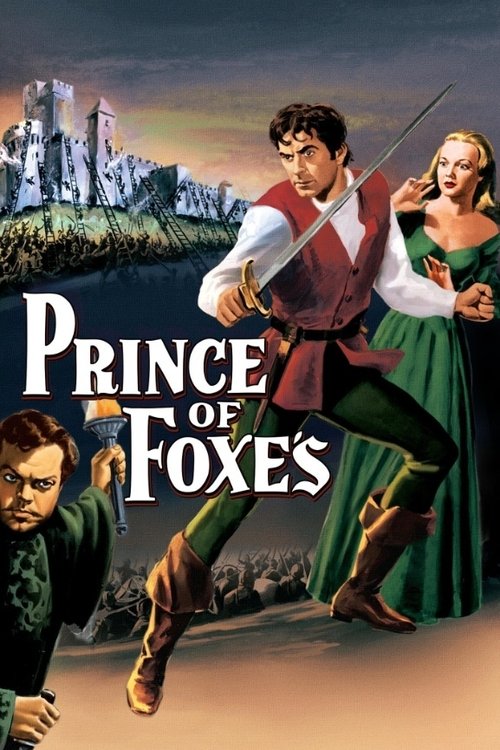
Prince of Foxes1949
Tyrone Power in Renaissance Italy playing a charming schemer caught between two powers, with a genuinely complex moral arc. It's adventure with actual character work and intrigue beyond just sword fights.
But The political scheming can feel overstuffed and the pacing stumbles. It's less swashbuckling fun and more historical drama pretending to be adventure, which may disappoint if you want spectacle.
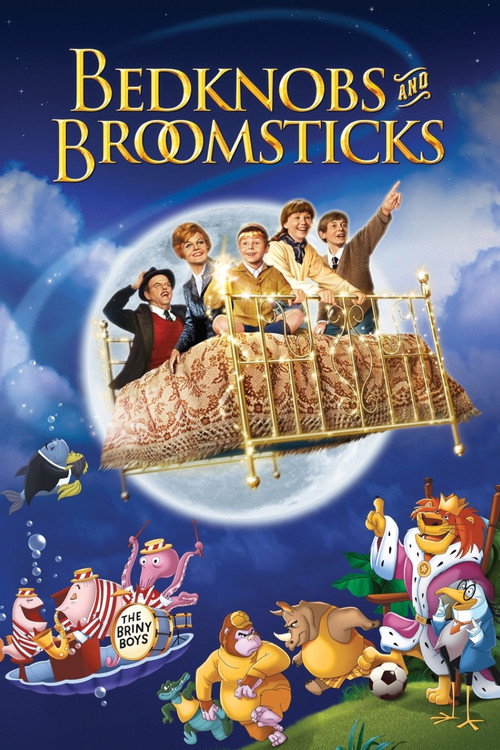
Bedknobs and Broomsticks1971
Both films believe in the power of a magical object to transform a story. The Magic Carpet is treated as adventure; the broomstick is treated as a key to wonder. Same belief, completely different emotional registers.
A Disney musical fantasy with Angela Lansbury where magic operates by different rules—it's whimsical rather than adventurous, but it has the same faith in impossible things and the same warmth about treating fantasy as real emotion. Technical ingenuity married to genuine charm.
But It's a children's film and wears that proudly, which means sentiment can overshadow plot. The animated sequences interrupt the live action, which some find charming and others find intrusive.
Harakiri1962
Strip away the carpet and the Technicolor and both films have the same plot: a true heir challenges tyranny. Harakiri asks what that costs; The Magic Carpet asks what wonder looks like. Same story, opposite purposes entirely.
A 1960s Japanese masterpiece about an outsider challenging a corrupt system, shot in black-and-white on theatrical stages that become landscapes. It has the same structural backbone as The Magic Carpet—hero versus pretender—but tells it as tragedy instead of spectacle. Devastating and hypnotic.
But It's a suicide film about ritual honour and feudal dishonour; nothing here is escapist. Three hours long, formally rigorous, asking you to sit with real grief. Completely opposite register from adventure spectacle.

People
Cast
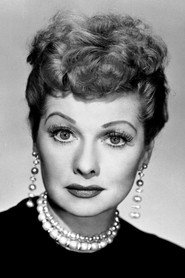 Lucille BallPrincess Narah
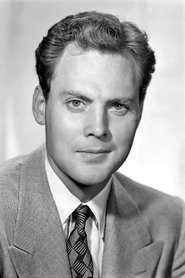 John AgarRamoth
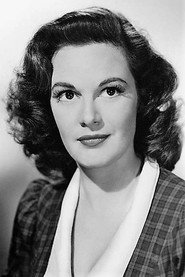 Patricia MedinaLida
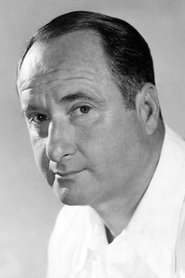 George TobiasRazi
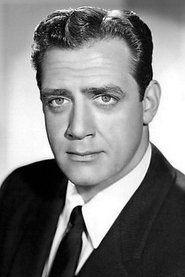 Raymond BurrBoreg al Buzzar
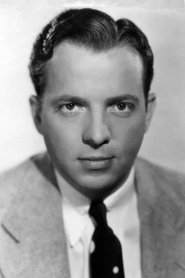 Gregory GayeCaliph Ali
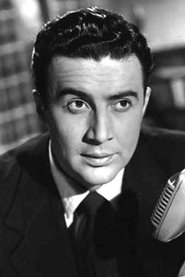 Rick VallinAbdul
- Jo GilbertMaras
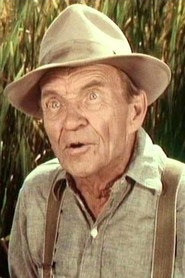 William FawcettAhkmid (uncredited)
- Eileen HoweVernah (uncredited)
- Doretta JohnsonQueen Yashima (uncredited)
- Perry SheehanCopah (uncredited)
Directing
- Wilbur McGaughAssistant Director
- Lew LandersDirector
Writing
- David MathewsWriter
Production
- Sam KatzmanProducer
- Herbert B. LeonardUnit Manager