
Film
The Beggar's Opera
Peter Brook's 1953 film of Gay's 1728 opera transplants highwaymen and beggars into Hogarthian London, a visual feast of grimy streets and gaol cells. Olivier leads a stellar cast through a story about crime, corruption, and survival that feels urgent despite its age. Musical, theatrical, visually ravishing—a peculiar masterpiece for those who love artifice and bite.
Should you watch it?
Watch it if you love stage musicals that poke fun at their own conventions, where a sly, self-aware narrator keeps winking at the audience between ballads and the mockery of polite society lands like a sharp elbow.
Skip it if you want a film that moves briskly toward a clear goal, since this one is built around a filmed stage production, with long static numbers and theatrical staging that can feel stagey and slow.
What it asks of you: It runs about ninety-four minutes but feels longer in the middle, asking you to sit still for operatic singing and sung dialogue, and to enjoy artifice over momentum.
Not sure? Find tonight's pick in a minute.
If you liked this
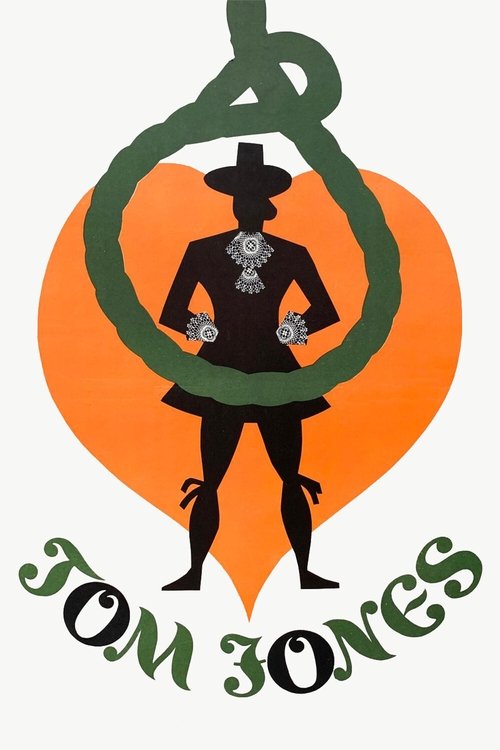
Tom Jones1963
Tonally similar picaresque romp through 18th-century England with a rogue hero, bawdy humour, and a visual style that delights in its own theatricality. Tony Richardson's direction has the same playful energy.
But Runs 128 minutes and can feel baggy; the sexual comedy may feel dated to modern eyes.
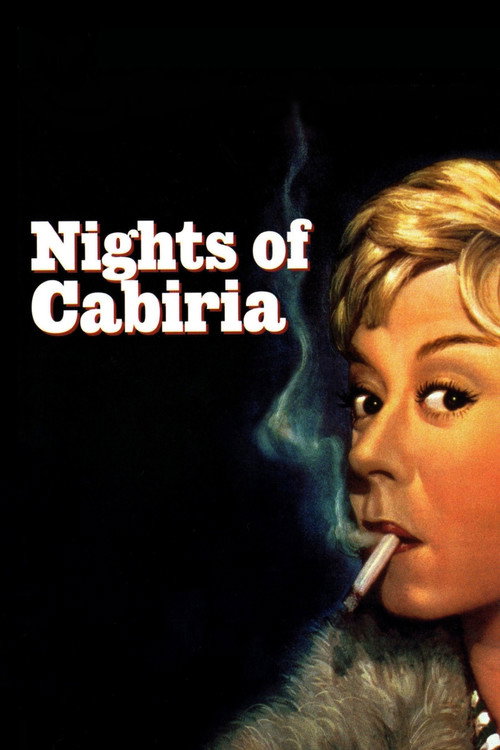
Nights of Cabiria1957
Fellini's portrait of Rome's underclass—prostitutes, hustlers, drifters—with the same unflinching compassion and visual poetry. Urban, grimy, but shot through with yearning and occasional grace.
But Sadness outweighs humour; the pacing is slow and meditative, not brisk.
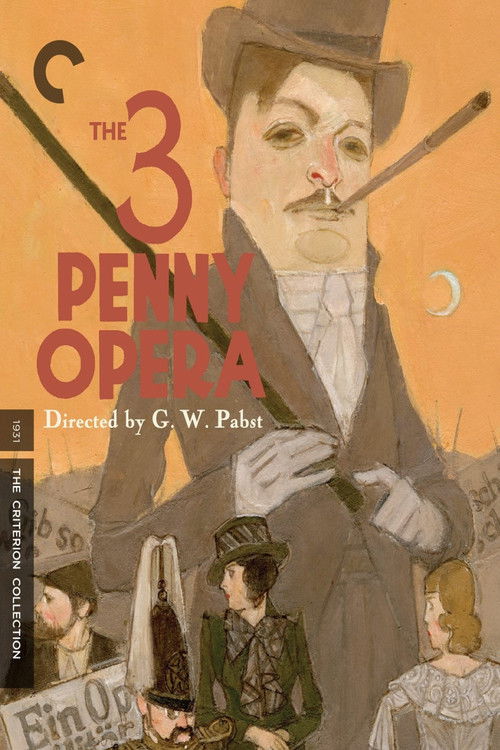
The Threepenny Opera1931
The original Brecht-Weill source material adapted for film, set in the same criminal underworld with the same mordant view of law and morality. A direct ancestor with its own fierce intelligence.
But German expressionist acting styles feel stagey; the film is fragmentary and rough-edged.
Not sure tonight? Get a pick in a minute, starting from The Beggar's Opera
The wildcard
Something you would not have found on your own.
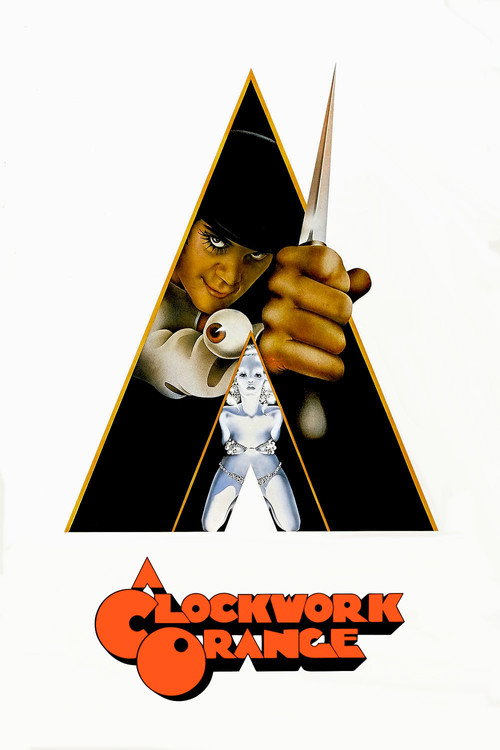
A Clockwork Orange1971
Both argue that corruption isn't a flaw in the system—it's the system. Both use operatic spectacle to show us that distinction between law and crime is costume.
Kubrick's adaptation of Burgess uses music, artifice, and stylised violence to anatomise a society where criminals and authorities are morally indistinguishable. The same radical pessimism about law and order, but amplified and remorseless.
But Graphically violent, deliberately obscene, and morally bleak in ways some find unwatchable. Kubrick offers no comfort.
More like this (8)
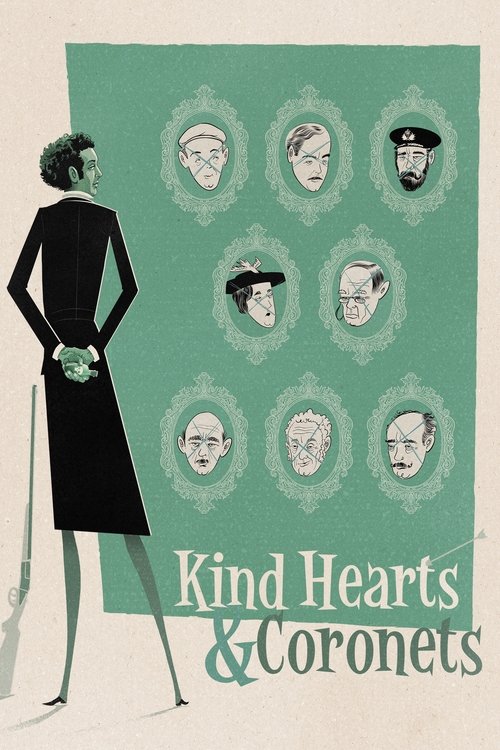
Kind Hearts and Coronets1949
Ealing's blackest comedy about an outsider navigating a corrupt social order, with Alec Guinness in multiple roles. Sharp script, perfect tone—crime and class warfare as entertainment.
But The humour is dry and British; some may find it cold rather than warm.
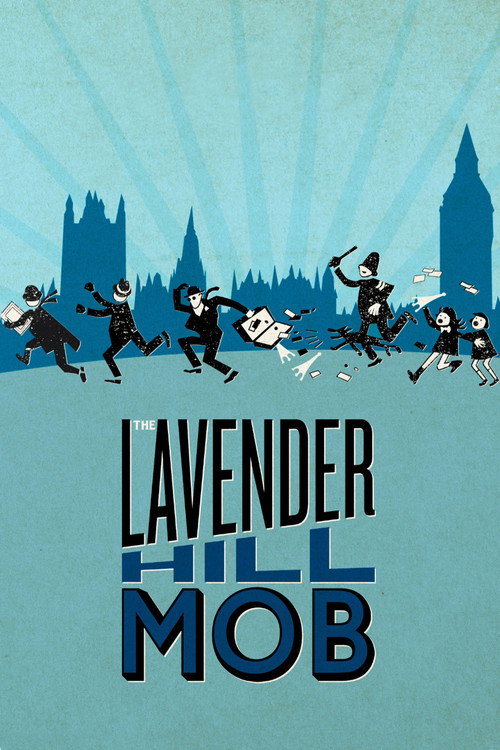
The Lavender Hill Mob1951
Ealing caper about working-class Londoners executing a gold heist. Lighter than Beggar's Opera but from the same creative ferment, with Alec Guinness and affection for ordinary crooks.
But Gentler and more sentimental; lacks the visual ambition and moral edge of Brook's film.
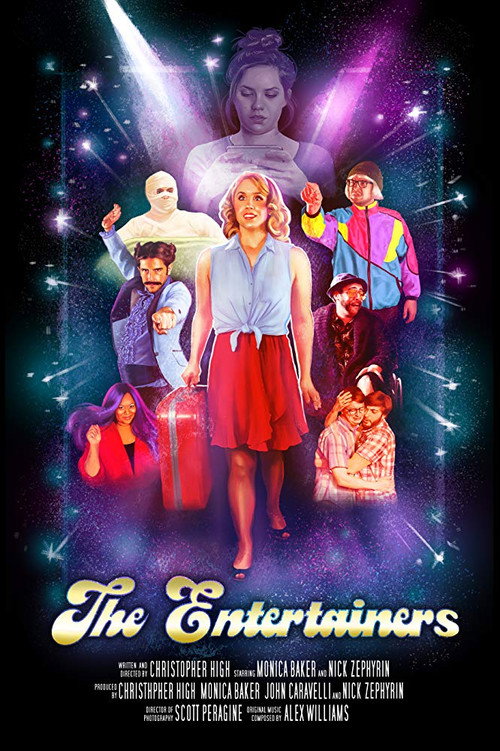
The Entertainers
John Osborne's play adapted by Tony Richardson, following a music-hall family in decline. Theatrical, energetic, deeply English—the same era's dissection of artifice and survival.
But Staginess works against it; Olivier's performance can overshadow the story.
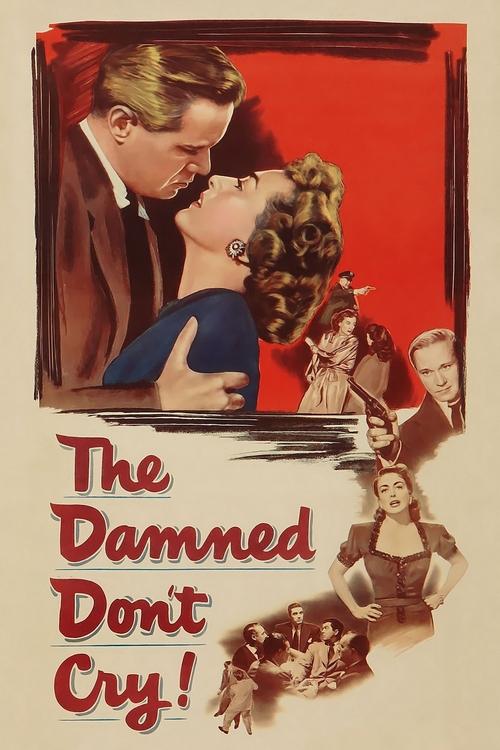
The Damned Don't Cry1950
Film noir about a woman climbing and falling through the underworld. Fatalistic, beautifully shot, and unsparing about corruption as the natural order of things.
But The protagonist's fate feels predetermined and airless; some may find it depressing.
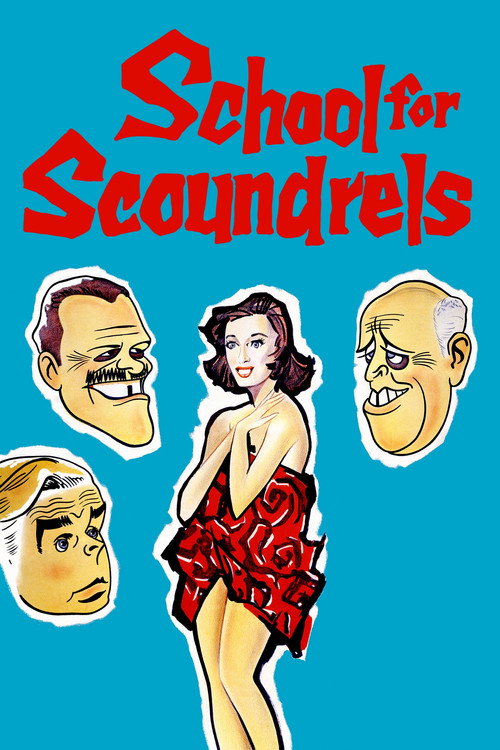
School for Scoundrels1960
Ian Carmichael in a comedy of manners where con-artistry becomes a subject of study. Witty, wickedly focused on social climbing and self-improvement as fraud.
But The satire is gentler than in Beggar's Opera; the stakes feel lighter and less real.
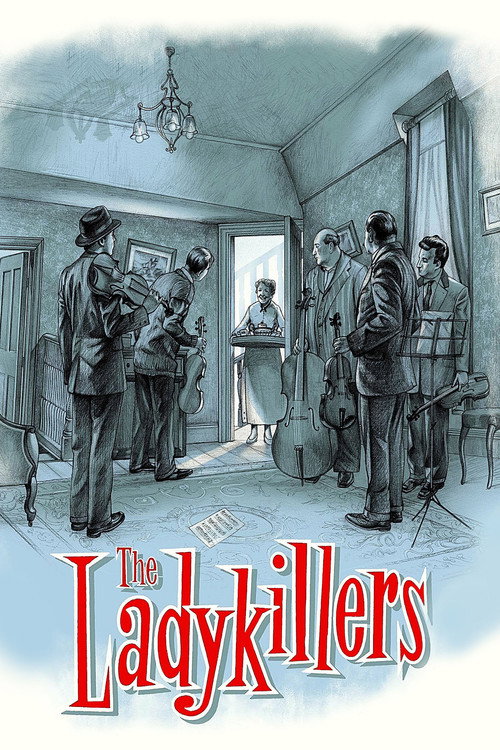
The Ladykillers1955
Ealing's last masterpiece: criminals posing as musicians, a murder plot, and acute observation of how ordinary people contain extraordinary duplicity. Alec Guinness leads a magnificent ensemble.
But The comedy can overshadow the crime; tonal shifts feel abrupt to modern viewers.
The Last Temptation of Christ1988
Both treat historic/legendary material by foregrounding its theatricality instead of hiding it. Both suggest that performance and authenticity aren't opposites—they're the same thing.
Scorsese's fierce, visionary adaptation renders sacred story as theatre—debates, songs, hysteria, doubt. Treats mythology as live performance, with all the sweat and argument that entails. Radical in how it humanises ritual.
But Religiously controversial; the staging is deliberately artificial and may feel alienating; three hours long.
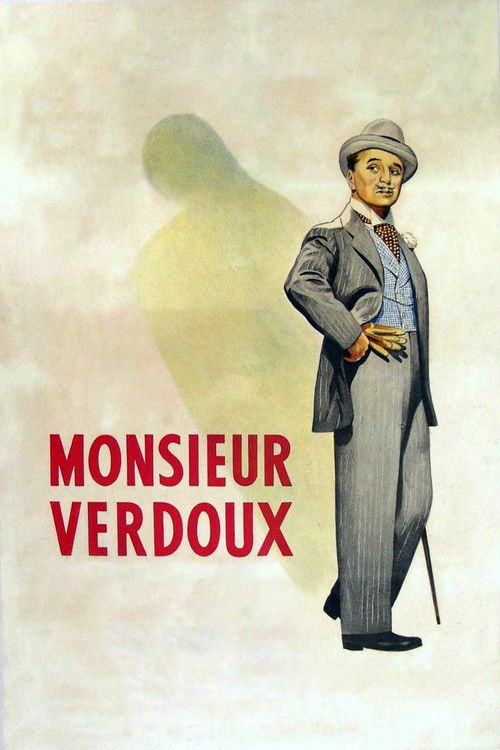
Monsieur Verdoux1947
Both pit individual criminals against a society that commits worse crimes daily. Both ask: what is murder when murder is the law?
Chaplin's only villainous lead: a gentle, charming serial killer who argues (persuasively) that his murders are no worse than those committed by nations in war. Black comedy as moral philosophy, shot through with genuine pathos.
But Deliberately disturbing and misanthropic; Chaplin's politics are stark; the humour sits uneasily next to real cruelty.
People
Cast
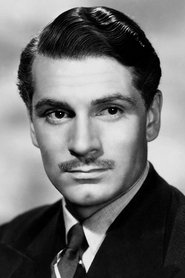 Laurence OlivierMacHeath
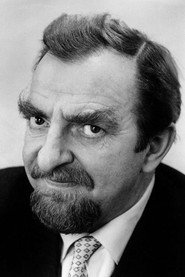 Hugh GriffithThe Beggar
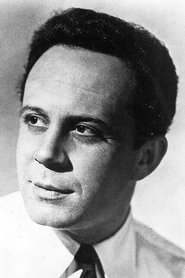 George Rose1st Turnkey
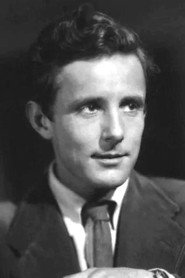 Stuart Burge1st Prisoner
- Cyril Conway2nd Prisoner
- Gerald Lawson3rd Prisoner
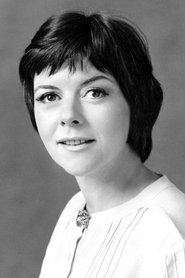 Dorothy TutinPolly Peachum
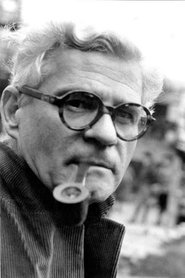 George DevinePeachum
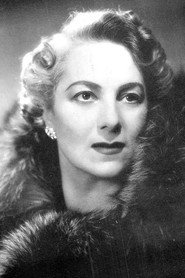 Mary ClareMrs. Peachum
- Edward PryorFilch
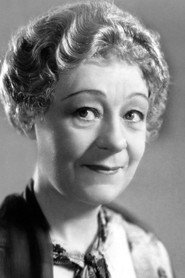 Athene SeylerMrs. Trapes
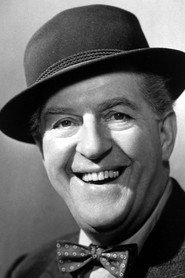 Stanley HollowayMr. Lockit
Directing
- Peter BrookDirector
Writing
- John GayTheatre Play
- Christopher FryWriter
- Denis CannanWriter
Production
- Eric GoodheadAssociate Producer
- Herbert WilcoxProducer
- Laurence OlivierProducer
Recommended by
The Lower Depths, The Desert Song, Up Pompeii, Madame X, The Pirate Movie