
Film
Up Pompeii
- Comedy
- Light-hearted
A 1971 British farce that transplants music-hall comedy to Ancient Rome, with Frankie Howerd as a wisecracking slave caught between warring conspiracies and Nero's court. It's broad, bawdy, and deliberately silly—slapstick with rude jokes and theatrical asides. For anyone who loves old-school British comedy and doesn't mind laughs that come from the script, not from wit.
If you liked this
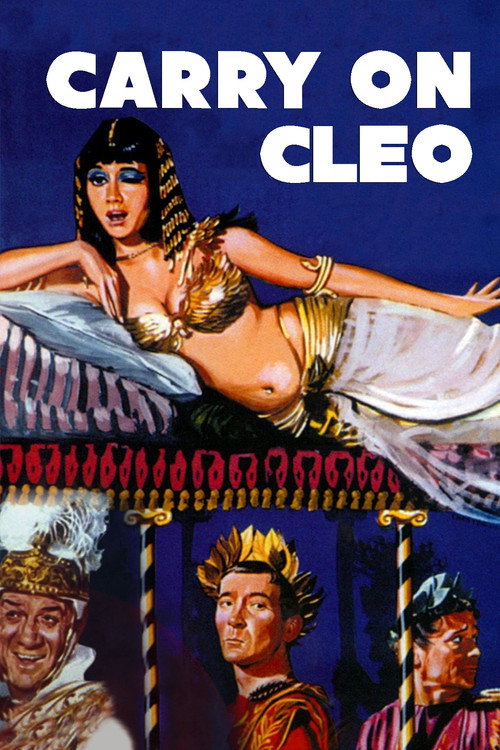
Carry On Cleo1964
The Carry On team also took Roman history as an excuse for innuendo and visual gags. Same DNA: cheeky, energetic, and shameless about its own silliness. Regulars like Sid James make it feel like a reunion.
But The humour is very much of its moment—relies on a kind of bawdiness that can feel dated if you're not in the mood for it.
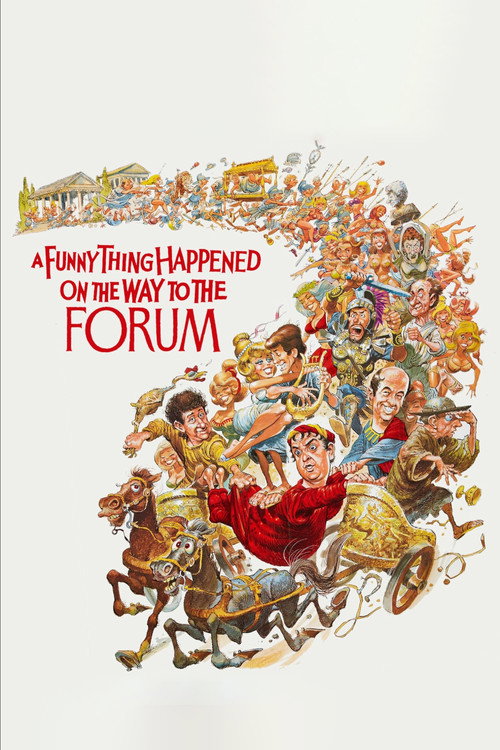
A Funny Thing Happened on the Way to the Forum1966
Adapts the Sondheim musical to film with Zero Mostel in a similar slave-at-the-mercy-of-chaos role. Theatrical, chaotic, full of pratfalls and wordplay. The DNA is identical: Roman setting as a playground for farce.
But Less overtly rude than Up Pompeii, but more plot-heavy. If you want Howerd's anarchic energy, this is slightly more buttoned-up.
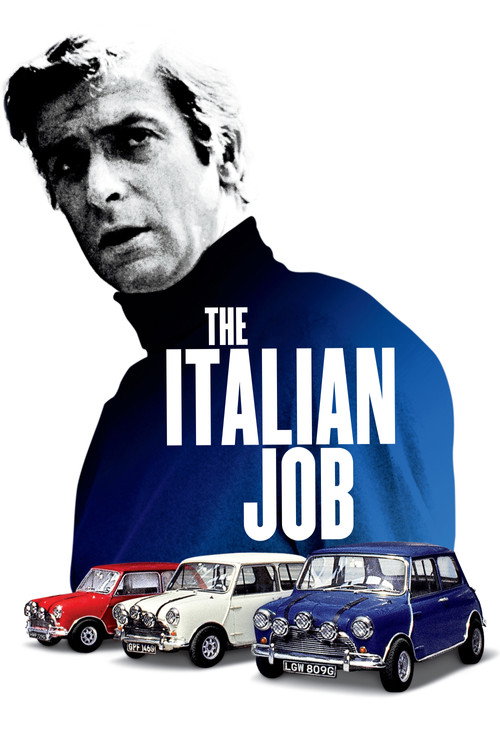
The Italian Job1969
British ensemble comedy-heist from just two years before, with the same confident cast energy and willingness to be completely ridiculous. Michael Caine leads a team through increasingly absurd scenarios with charm and pace.
But Contemporary caper, not farce—the tone is slicker and the stakes (however comic) feel slightly more real.
Not sure tonight? Get a pick in a minute, starting from Up Pompeii
The wildcard
Something you would not have found on your own.
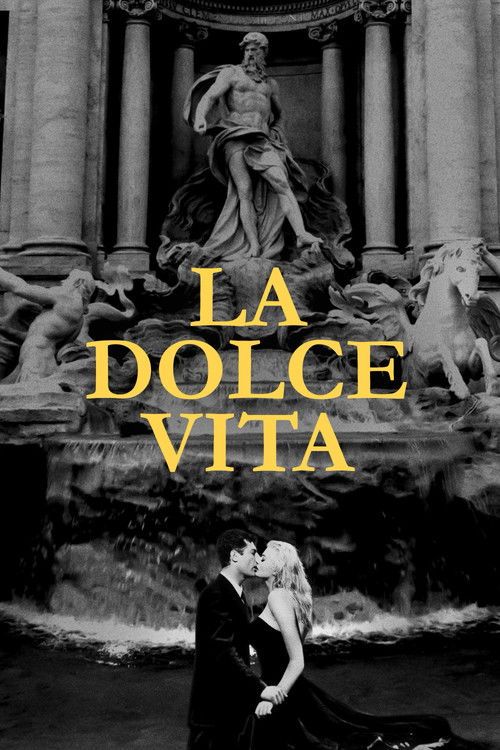
La Dolce Vita1960
Both treat Rome (ancient and modern) as a stage for performance, desire, and human ridiculousness. Fellini documents it like a moralist; Howerd celebrates it like a showman. Same city, opposite angels.
Fellini's three-hour portrait of a man drifting through Rome's nightlife and scandal. It moves like a revue—episodic, theatrical, filled with grotesque characters and baroque set-pieces. The energy is pure spectacle, like a feature-length cabaret, and Howerd's theatrical asides find their spiritual cousin in Fellini's camera.
But It's elegiac and melancholic where Up Pompeii is gleeful. Also requires patience; it's long and drifts by design.
More like this (7)
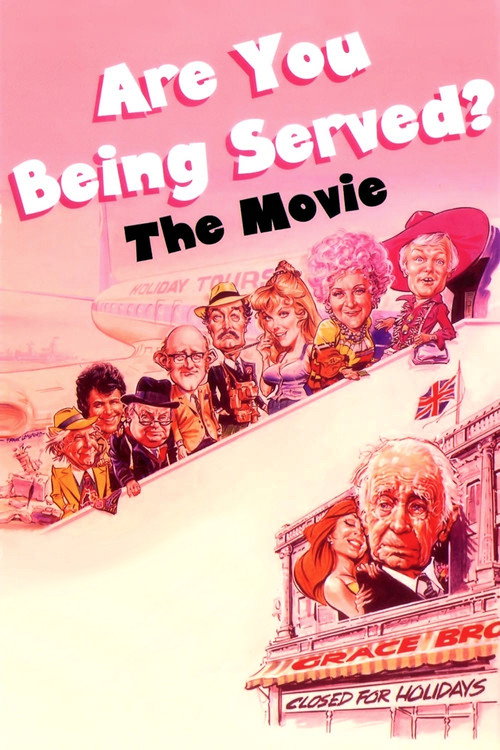
Are You Being Served? The Movie1977
The beloved sitcom translated to film. Same cast, same wardrobe, same double entendres and theatrical pratfalls. If you liked the rhythm of Howerd's delivery, the ensemble timing here is equally assured.
But Expands a 25-minute sitcom to feature length; padding is visible and the energy can drag in the second half.
Singin' in the Rain1952
A masterclass in physical comedy and theatrical chaos. Gene Kelly and Donald O'Connor move with the kind of uninhibited joy that Howerd's performance channels vocally—pure pleasure in the artifice and silliness of performance itself.
But American, elegant, and fundamentally sincere in ways Up Pompeii is not. A different animal entirely, even if the DNA is there.

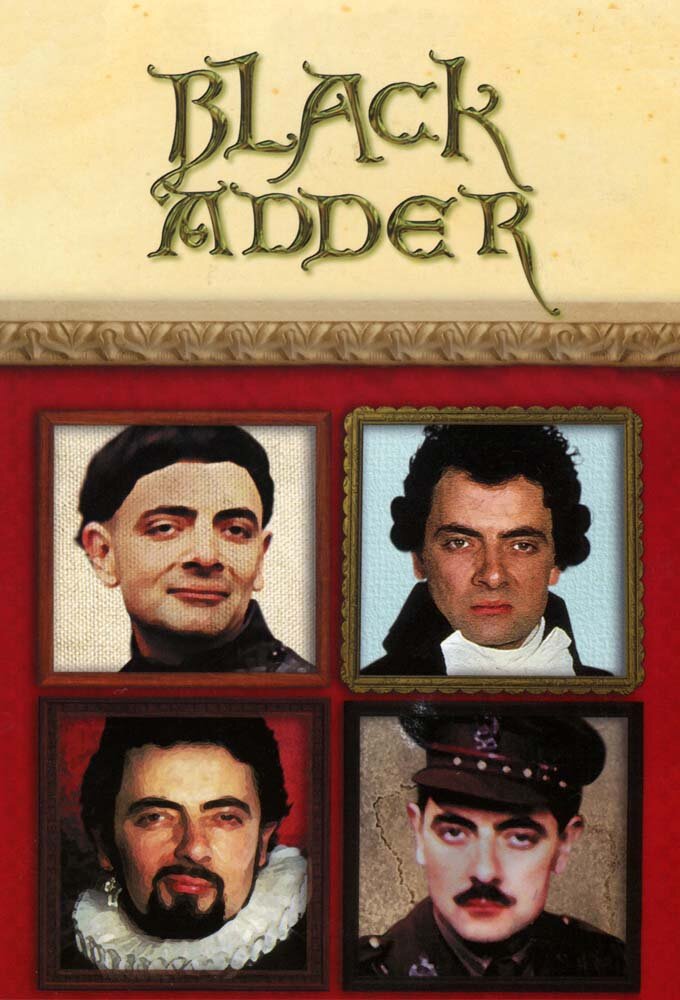
Blackadder1983
British historical comedy that also mines anachronism and court intrigue for laughs, but with snappier writing and a sharper ensemble. The first series (Roman setting) has that same theatrical energy Howerd brings.
But Requires you to sit through a sitcom run rather than a tidy 90 minutes. Tonally, it's drier and less music-hall than Up Pompeii.
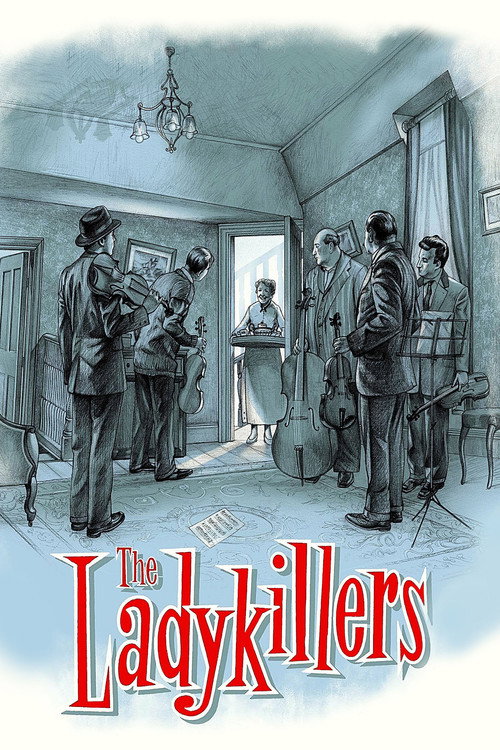
The Ladykillers1955
Ealing farce with Alec Guinness and company playing criminals posing as musicians. That same British confidence in playing broad comedy at full throttle, with an ensemble cast enjoying every absurd moment.
But The pacing is slower and the comedy more genteel than Howerd's rabid energy. Black-and-white restraint versus Technicolor abandon.
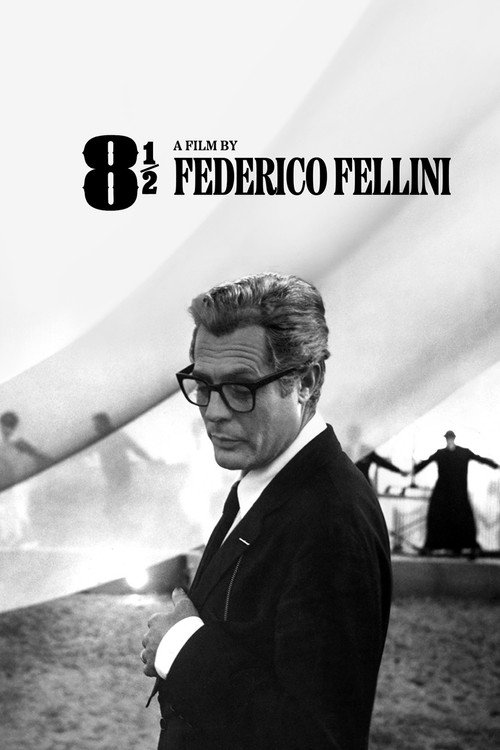
8½1963
Fellini's backstage chaos is structured like farce—a man caught between competing demands, circus-like performers, theatrical artifice. The spirit of theatrical invention and controlled bedlam mirrors Up Pompeii's sensibility, even at opposite ends of taste.
But Italian, modernist, three and a half hours, and fundamentally melancholic. This is not a romp; it's a meditation on performance and failure.
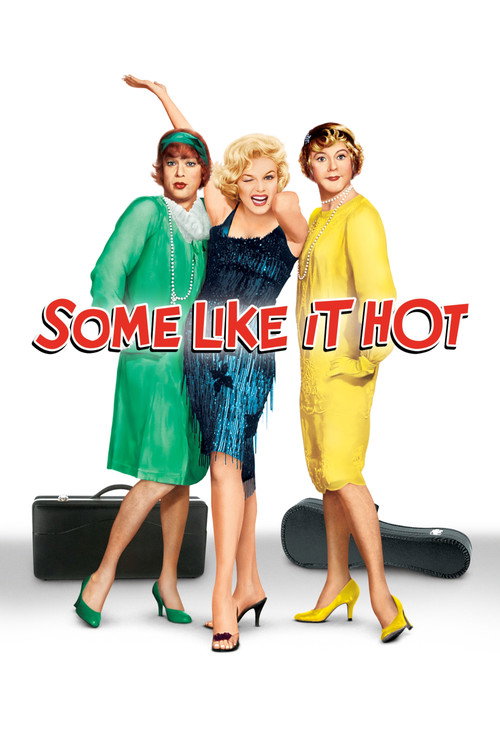
Some Like It Hot1959
The gold standard of farce: Billy Wilder's timing is immaculate, and the cast (Lemmon, Curtis, Monroe) tumbles through escalating absurdity with complete commitment. Every joke lands exactly as intended.
But Slicker and more sophisticated than Up Pompeii—the humour is cleverer, which some audiences find less fun than pure silliness.
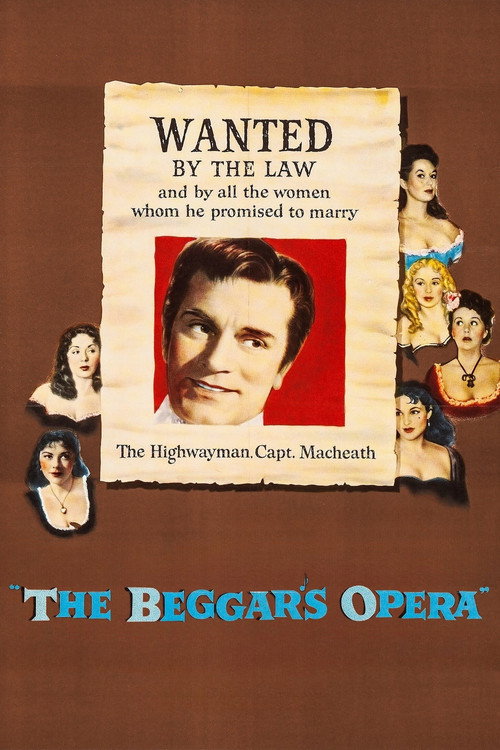
The Beggar's Opera1953
Both are celebrations of theatrical artifice and anarchic performance, using period settings as permission to be shamelessly arch and anti-realistic. Both say: this is a show, and that's the point.
Peter Brook's film of the Gay/Pepusch stage musical: theatrical, self-aware, and filled with asides that break the fourth wall. It's a farce about criminals and rogues, with the same music-hall sensibility as Up Pompeii, but in 18th-century London with actual songs.
But Stagey in ways modern audiences find difficult. The acting style is heightened and artificial; if you want naturalism, this will read as mannered.
People
Cast
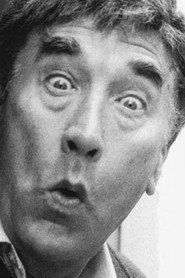 Frankie HowerdLurcio
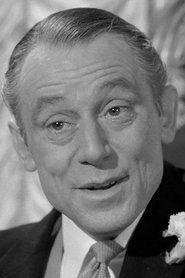 Patrick CargillNero
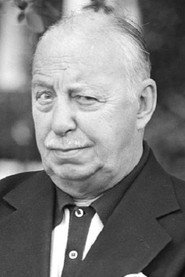 Bill FraserProsperus Maximus
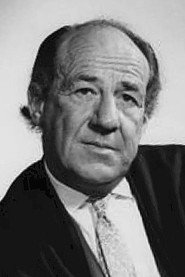 Michael HordernLudicrus Sextus
 Barbara MurrayAmmonia
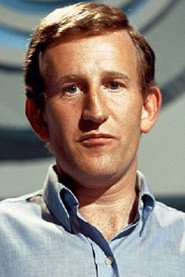 Lance PercivalCaptain Bilius
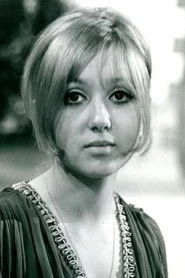 Adrienne PostaScrubba
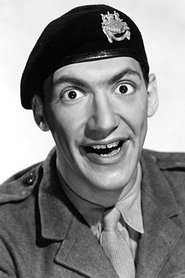 Bernard BresslawGorgo
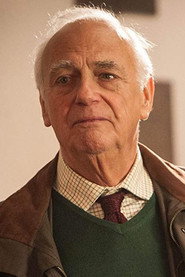 Roy HuddNero's M.C.
 Julie EgeVoluptua
- Lally BowersProcuria
 Kenneth CranhamChristian
Directing
- Allan JamesAssistant Director
- Tilly DayContinuity
- Bob KellettDirector
Writing
- Talbot RothwellOriginal Concept
- Sid ColinScreenplay
Production
- Terry GlinwoodAssociate Producer
- Thelma GravesCasting Director
- Beryl VertueExecutive Producer
- Ned SherrinProducer
- Pat GreenProduction Supervisor