
Film
Equus
Equus is a psychological thriller about a psychiatrist investigating why a boy brutally blinded six horses—and discovering uncomfortable truths about faith, desire, and suburban repression along the way. Adapted from Peter Shaffer's play, it's intense and claustrophobic, built on dialogue and performance rather than plot momentum. For those who can sit with moral ambiguity and psychological discomfort.
Should you watch it?
Watch it if you are drawn to psychological dramas where the real action is a man interrogating his own certainties, and you don't mind a story that is mostly talk and a slow-building unease.
Skip it if you want thrills or a brisk pace, since this is talky and slow, and its dark subject is handled with weight rather than suspense.
What it asks of you: A sitting of two hours and seventeen minutes, mostly long exchanges in small rooms, with the pressure building through talk rather than through action, so it rewards patience.
Not sure? Find tonight's pick in a minute.
If you liked this
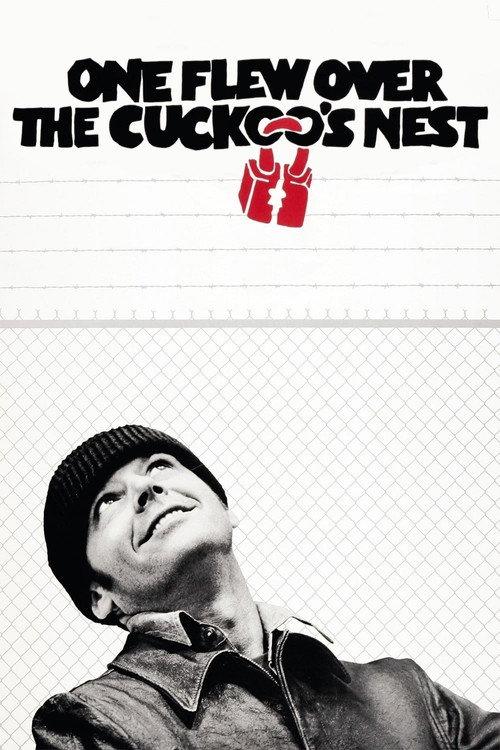
One Flew Over the Cuckoo's Nest1975
Another masterclass in institutional psychology, where a charismatic outsider unsettles an ordered system. The cat-and-mouse between Nicholson and Nurse Ratched has the same dark energy as Dysart versus Strang.
But It's become a bit of a cultural monument, which can make it feel overfamiliar. Also considerably lighter in tone than Equus.
In Treatment2008
Five seasons of therapy sessions that slowly unpick the therapist's life as much as his patients'. If you loved the psychological excavation in Equus, this is that same engine running for 43 hours.
But Deliberately paced to mirror actual therapy—which means sometimes it crawls. Not for viewers who need plot momentum.

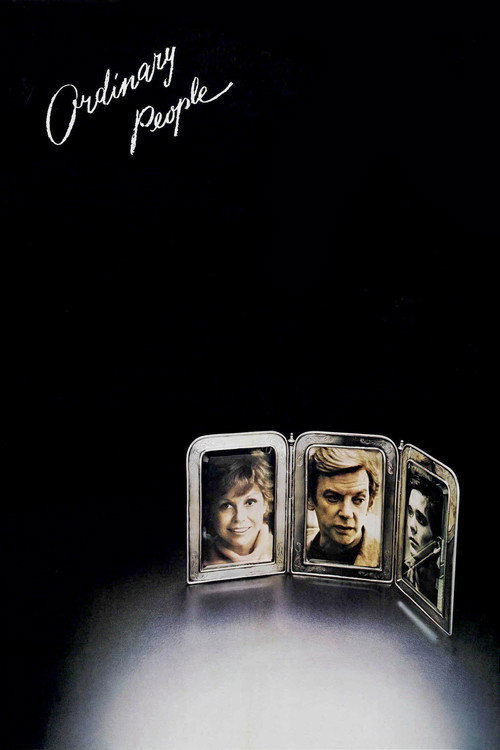
Ordinary People1980
Robert Redford's directorial debut, also about a psychiatrist helping a fractured family confront what they've been avoiding. Timothy Hutton and Donald Sutherland are painfully good; the film earns every tear.
But Feels like prestige drama from another era. The emotional restraint some find moving, others find remote.
Not sure tonight? Get a pick in a minute, starting from Equus
The wildcard
Something you would not have found on your own.
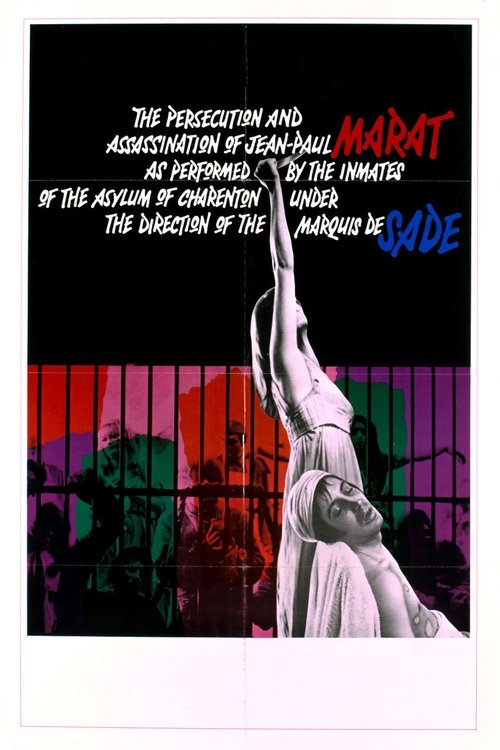
The Persecution and Assassination of Jean-Paul Marat as Performed by the Inmates of the Asylum of Charenton Under the Direction of the Marquis de Sade1967
Both are adaptations of major plays about confined spaces where a powerful personality—Dysart, de Sade—confronts a young person who embodies everything they've been taught to fear.
Peter Brook's film of Peter Weiss's radical play: the Marquis de Sade directs asylum inmates in a play about the French Revolution, inside an asylum. Like Equus, it weaponizes theater to ask whether art can contain or only unleash transgression. Visually arresting in ways that feel ahead of even now.
But It's conceptually dense and formally fractured. The narrative dissolves by design, which reads as chaos to some viewers.
More like this (8)
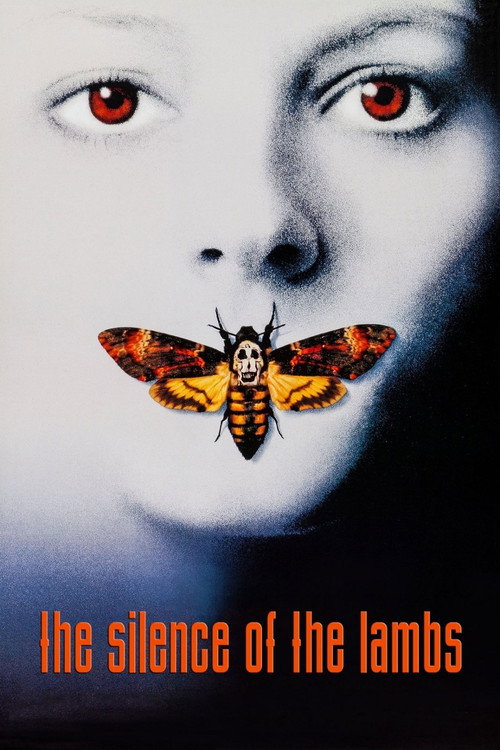
The Silence of the Lambs1991
A psychiatrist profiling a killer across a glass divide. Shares Equus's fascination with what happens when a clinician meets a patient who fundamentally challenges their worldview.
But It's a thriller first, which means more plot and less introspection. The horror can overshadow the psychological complexity you came for.
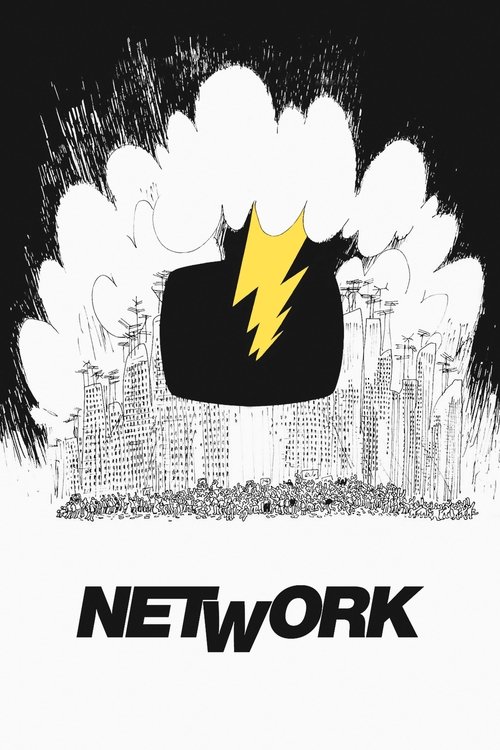
Network1976
Another 1976 masterpiece about systems breaking down and people saying unsayable things. Paddy Chayefsky's script crackles with the same playwright's ear for dialogue that makes Equus sing.
But It's savage satire about TV, not intimate psychology. Much broader, much louder, almost a different genre.
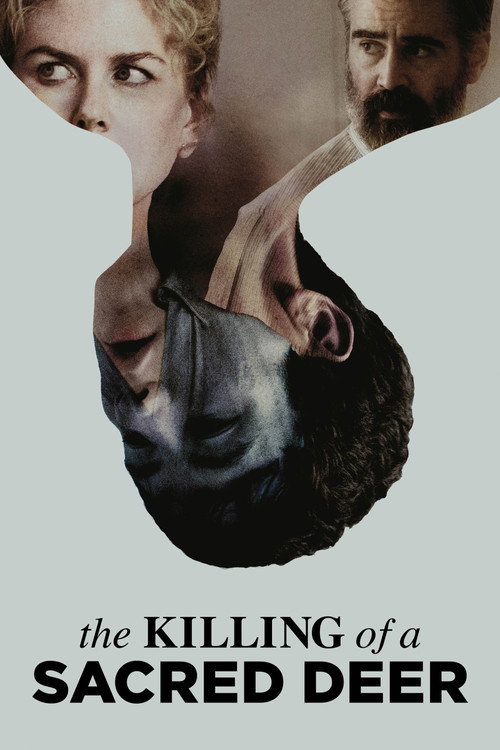
The Killing of a Sacred Deer2017
Yorgos Lanthimos's film also hinges on a psychological violation that radiates outward, poisoning a family. The same sense that something sacred has been desecrated, and there's no way back.
But It's austere and deliberately artificial—cold where Equus is fevered. The pacing is glacial.
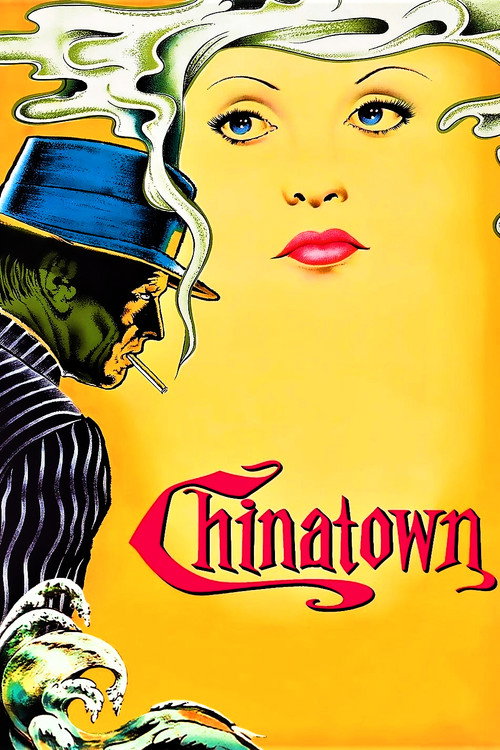
Chinatown1974
Jack Nicholson's detective uncovers a conspiracy that exposes the rot beneath a respectable surface. Like Equus, it's about a investigator discovering that innocence is the real illusion.
But It's a noir thriller, so plot matters more than psychology. The ending is bleak in a different register.
Come and See1985
A Soviet masterpiece about a boy's psychological annihilation during war. Shares Equus's interest in how a young person's mind shatters under forces beyond their control.
But It's one of the most brutal films ever made. Not therapeutic viewing, not cathartic—genuinely harrowing in ways Equus avoids.

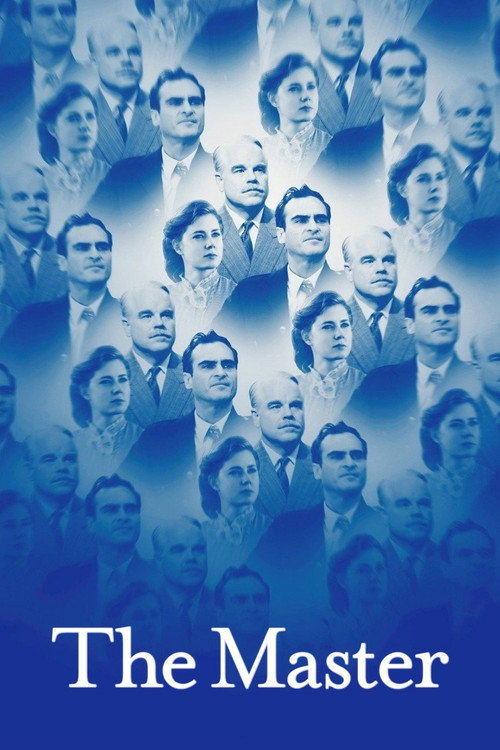
The Master2012
Paul Thomas Anderson's film about a charismatic cult leader and the man drawn to him. Two performances locked in psychological combat, probing faith, damage, and why we need to believe.
But The plot is deliberately thin; it's all about the performances and atmosphere. Some find it glacially slow; others find it hypnotic.
Kes1970
Both feature a sensitive boy at odds with brutish fathers and institutional systems. But where Equus turns inward into pathology, Kes turns outward into compassion. They're mirror images of the same territory.
Ken Loach's film about a working-class Yorkshire boy and his kestrel. A completely different register—tender, observational, social rather than psychological—but with the same conviction that a young person's inner life contains depths adults refuse to see. Shot documentary-style, it feels true to life in ways psychological thrillers cannot.
But Nothing dramatic happens. If you're expecting a plot, you'll be disappointed. It moves at the speed of a real adolescence.

Synecdoche, New York2008
Both explore the dangerous seduction of turning real pain into art, and whether a clinician or artist can ever truly be separate from their subject. Both ask: who is really being healed?
Charlie Kaufman's film about a theater director whose elaborate play about his own life becomes indistinguishable from his actual breakdown. It's Equus's obsession with psychology and performance refracted through a much weirder lens—simultaneously hilarious and devastating. A film that needs to be seen to be believed.
But It's densely layered and sometimes feels like it's working against coherence. Long, strange, and occasionally self-indulgent.

People
Cast
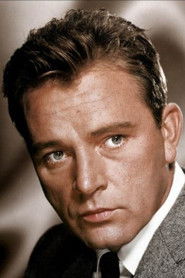 Richard BurtonMartin Dysart
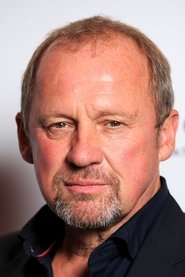 Peter FirthAlan Strang
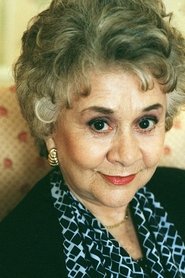 Joan PlowrightDora Strang
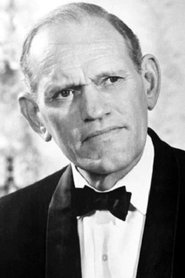 Harry AndrewsHarry Dalton
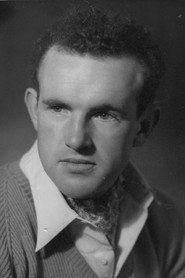 Colin BlakelyFrank Strang
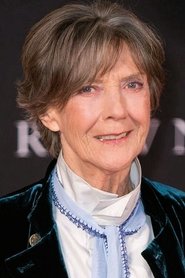 Eileen AtkinsHesther Saloman
 Jenny AgutterJill Mason
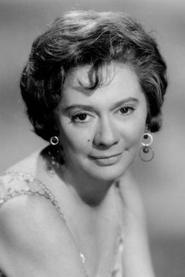 Kate ReidMargaret Dysart
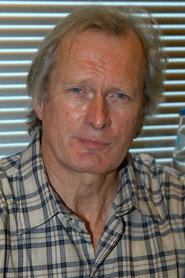 John WymanHorseman
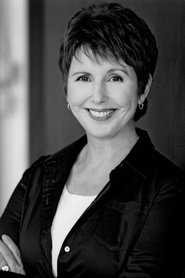 Elva Mai HooverMiss Raintree
- Patrick BrymerHospital Patient
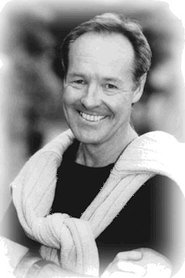 Ken JamesMr. Pierce
Directing
- David TringhamAssistant Director
- Sidney LumetDirector
Writing
- Peter ShafferTheatre Play
- Peter ShafferWriter
Production
- Denis HoltAssociate Producer
- Clare WalkerCasting
- Rose Tobias ShawCasting
- Elliott KastnerProducer
- Lester PerskyProducer
- Arthur CarrollProduction Accountant
- Colin M. BrewerProduction Supervisor