
Film
The Disciple
A Marathi-language meditation on artistic ambition and spiritual discipline, following a classical singer's decades-long pursuit of mastery. Unhurried and immersive, it moves at the pace of practice itself—repetitive, meditative, occasionally grueling. For viewers who can sit with patience and find beauty in the quotidian struggle.
Should you watch it?
Watch it if you are drawn to patient, observational films about obsession and craft, where the rhythms of a practice, its rituals and its quiet humiliations, carry more weight than plot.
Skip it if you want music to be the payoff, since singing appears in fragments while the film lingers on lessons, waiting rooms and self-examination in between.
What it asks of you: It asks for a slow, contemplative pace across 128 minutes, with scenes allowed to run past comfort, so you must settle in and let silences do much of the talking.
Not sure? Find tonight's pick in a minute.
If you liked this
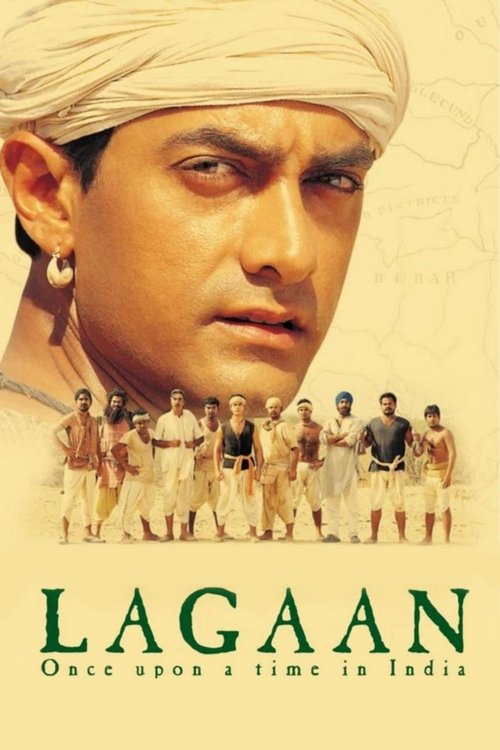
Lagaan: Once Upon a Time in India2001
An Indian epic that similarly honors folk traditions and discipline while exploring what it means to achieve greatness against structural odds. Sweeping but intimate, it shares The Disciple's faith in culture as redemption.
But Three and a half hours, cricket-heavy plot, and a romantic subplot that may feel distracting if you came for the spiritual inquiry.
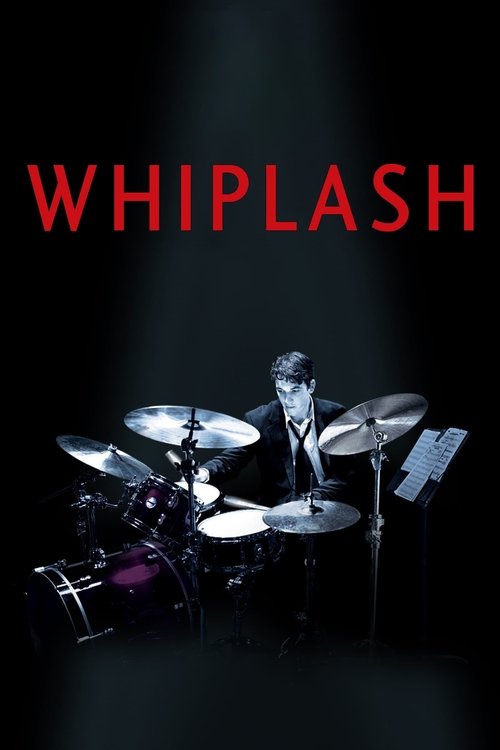
Whiplash2014
The closest Hollywood equivalent: a portrait of an artist consumed by the pursuit of excellence, where every scene is about repetition, sacrifice, and the thin line between discipline and self-destruction. Visceral and claustrophobic.
But Relentlessly punishing in tone. The aggression and blood-and-sweat aesthetics are the opposite of The Disciple's quietness.
Moonlight2016
Three chapters in a life shaped by constraint and longing, told through gesture and implication rather than exposition. Like The Disciple, it trusts silence and observation to carry emotional weight.
But Fragmented structure and minimal plot. You have to meet it halfway through patience and interpretation.

Not sure tonight? Get a pick in a minute, starting from The Disciple
The wildcard
Something you would not have found on your own.
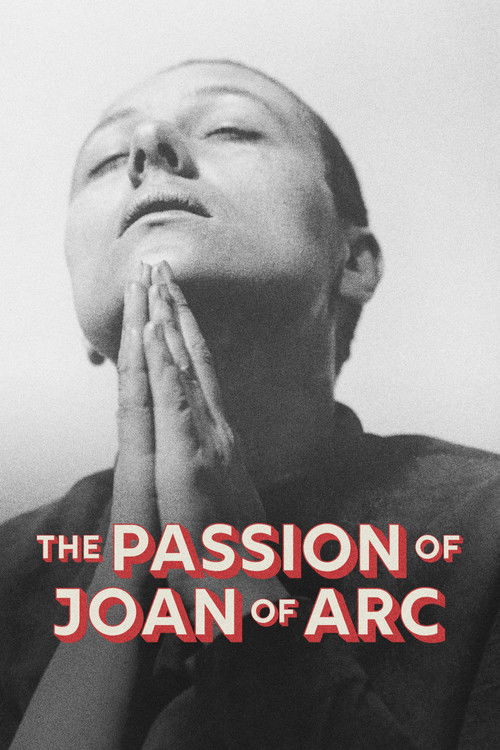
The Passion of Joan of Arc1928
Both films find transcendence in the body under duress. Both use the face as the primary instrument. Both treat religious/spiritual devotion as the subject, not the backdrop.
Dreyer's silent masterpiece about faith under pressure, told through Carl Theodor Dreyer's extreme close-ups of Renée Jeanne Falconetti's face. A century older than The Disciple, yet the same visual grammar: suffering as art, stillness as expression.
But Silent film; no dialogue. Intertitles break the rhythm. The emotional intensity is at full volume the entire time, which is exhausting rather than meditative.
More like this (7)
Synecdoche, New York2008
An artist's obsessive construction of meaning from raw material, collapsing the boundary between life and work. Both films ask whether perfection is pursuit or prison.
But Deliberately messy and increasingly surreal. The ambition can feel pretentious, and the narrative resists clear resolution.

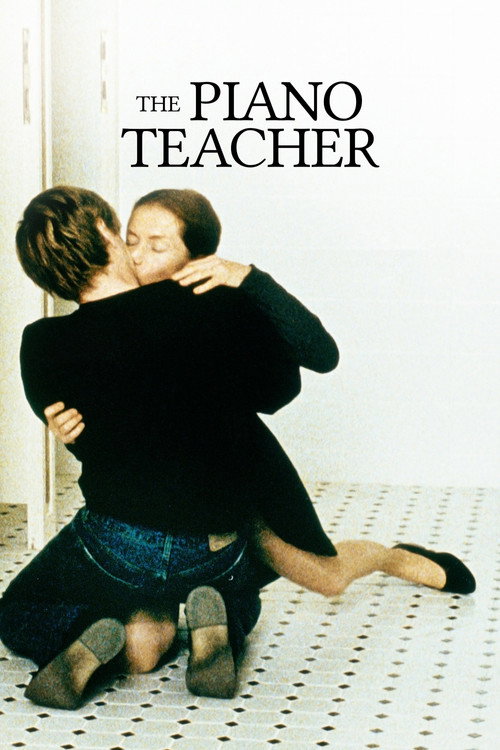
The Piano Teacher2001
Another portrait of classical music mastery twisted by damage and desire. Isabelle Huppert is devastating. It shares The Disciple's unflinching look at what discipline can cost.
But Explicit and disturbing sexual content. Deeply uncomfortable in ways that have nothing to do with artistic struggle.
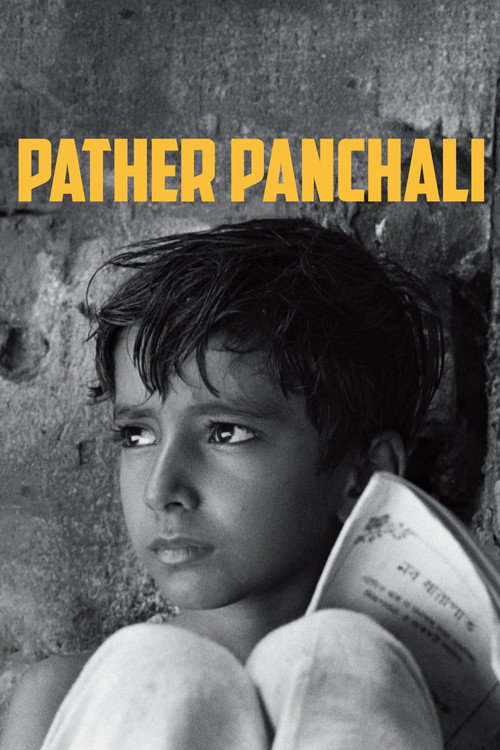
Pather Panchali1955
Satyajit Ray's foundational work captures the texture of ordinary Indian life with such tenderness it becomes transcendent. Shares The Disciple's faith in sustained observation and regional specificity.
But Episodic and slow-paced. A grieving family in poverty offers no plot machinery to drive momentum.
A Prophet2009
A man's incremental transformation through repetition, routine, and the mastery of a brutal system. The parallel structure—prison as monastery—rewards patient viewers looking for spiritual arcs in constraint.
But Prison brutality and casual violence. The triumph feels ambiguous in a way that may feel unsatisfying.

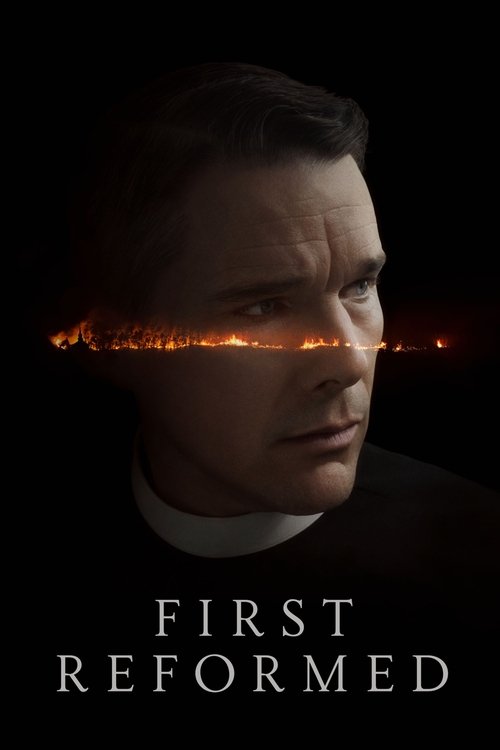
First Reformed2018
Ethan Hawke as a pastor in existential crisis, filmed with the same austere visual language. Both are spare, meditative portraits of faith meeting doubt in ordinary spaces.
But Grim and often static. Watching someone sit with despair for two hours is not everyone's idea of catharsis.
The Turin Horse2011
Béla Tarr's final film, about a philosopher and his caregiver in repetitive daily ritual. An extreme meditation on discipline, decay, and the question of whether anything we build endures.
But Black and white, wordless stretches, circular narrative, and a vision of existence as entropic decline. Demands a specific appetite for bleakness.

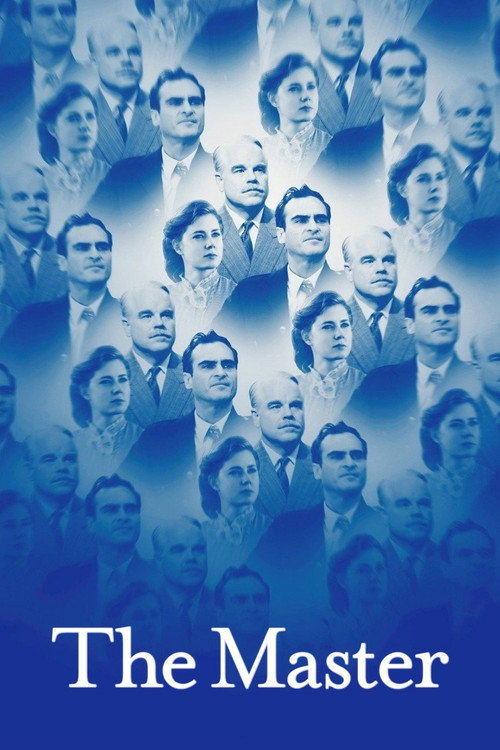
The Master2012
Both examine the relationship between a seeker and a master figure. Both ask whether the student-teacher bond is redemptive or corrosive, whether mastery is enlightenment or entrapment.
Paul Thomas Anderson's three-hour examination of a man seeking mastery from another man—discipline, control, the hunger to be shaped by someone who claims to know. Shot in 65mm, it's visually sumptuous where The Disciple is austere, but structurally identical.
But Based on Scientology and deeply paranoid about power and manipulation. Some see it as a hatchet job; others as unresolved. The register is American, capitalist, paranoid—the opposite of The Disciple's humility.
People
Cast
- Aditya ModakSharad Nerulkar
- Arun DravidPandit Vinayak Pradhan
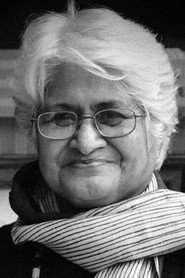 Sumitra BhaveVidushi Sindhubai Jadhav (Maai)
- Kiran YadnyopavitFather
- Neela KhedkarGrandmother
- Makarand MukundKishore
- Kristy BanerjeeShaswati Bose
- Prasad VanarseRajan Joshi
Directing
- Chaitanya TamhaneDirector
Writing
- Chaitanya TamhaneWriter
Production
- Alfonso CuarónExecutive Producer
- Rakesh MehraExecutive Producer
- Vivek GomberProducer