
Film
A Doll's House
Other titles called A Doll's House: the 1973 film, the 2012 film, the 2023 film.
Alla Nazimova's silent adaptation of Ibsen's incendiary play captures a marriage imploding under the weight of secrets and control. Nora's awakening from domestic servitude feels immediate and raw, even now. It's for anyone curious how radical this story was, or how film can compress theatre into something even more visceral.
If you liked this
Sunrise: A Song of Two Humans1927
Murnau's masterpiece about marriage, temptation, and redemption uses light and shadow to show emotional states that words cannot. A visual symphony about intimacy in crisis, it hits with the force of lived experience.
But It demands patience with silent cinema's pace and mood. The restoration is glorious, but it's not a plot-driven film—it asks you to feel, not follow.

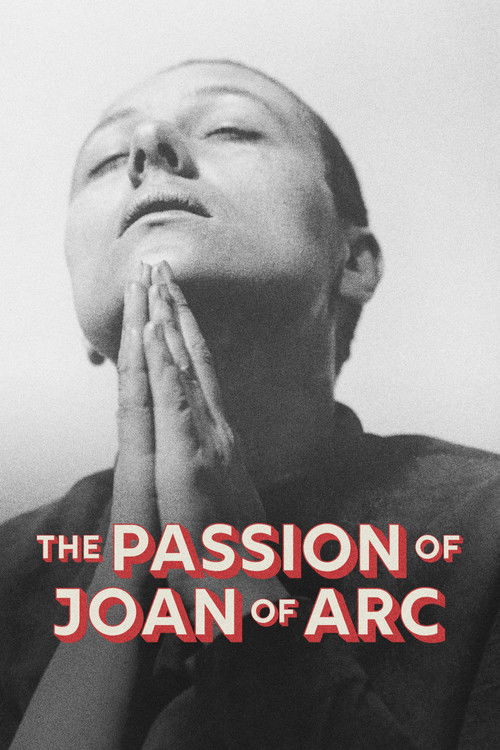
The Passion of Joan of Arc1928
Dreyer's Renée Jeanne's face under extreme close-up is an instrument of raw anguish. It shares Nazimova's intensity and belief that the body and face can carry a story's entire weight without spoken words.
But The repetition of questioning and the relentless focus on suffering can feel exhausting. This is ascetic, uncompromising cinema—not meant to comfort.
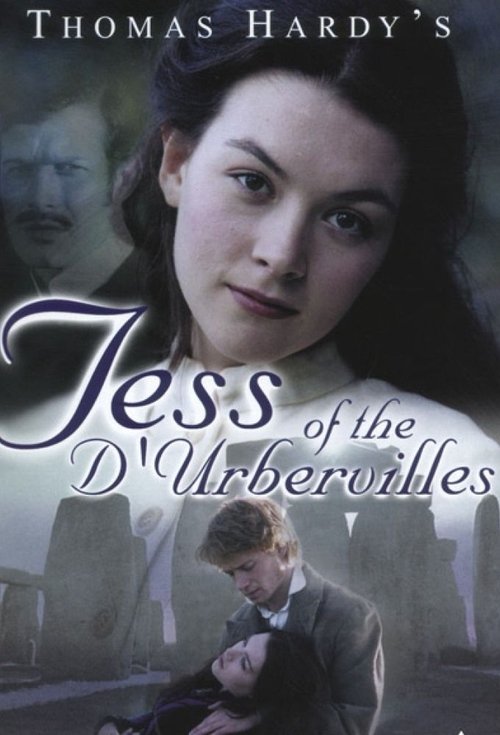
Tess of the D'Urbervilles1998
Polanski's adaptation captures the same inescapable social machinery that traps Nora, but through sex and class. Nastassja Kinski's Tess is a woman destroyed by a world that will not let her be free, and the film does not look away.
But It's three hours, visually beautiful but glacially paced. The subject matter—assault and coercion—is difficult, and the film does not soften it.
Not sure tonight? Get a pick in a minute, starting from A Doll's House
The wildcard
Something you would not have found on your own.
Kes1970
Both are about the instant when someone chooses themselves over the role they've been assigned, and both understand that choice as an act of rebellion rather than romance.
Ken Loach's film about a boy taming a hawk has nothing to do with marriage, but everything to do with the moment someone refuses to be tamed by a system designed to break them. That moment—sudden, irreversible—is Nora's entire arc.
But It's a film about a working-class boy in Northern England, and the hawk sequences are patient and slow. The ending is not cathartic—it's brutal.

More like this (7)
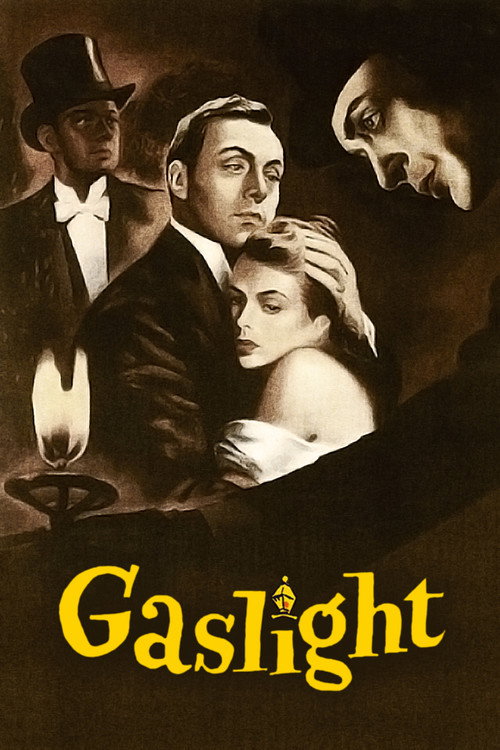
Gaslight1944
Ingrid Bergman's portrayal of psychological manipulation and gaslighting directly echoes Nora's situation. It shows the same slow erosion of self under a spouse's control, but in a different register—this is a thriller.
But The mystery plot can overshadow the emotional core if you're not watching closely. The supporting characters are thinner than the main relationship.
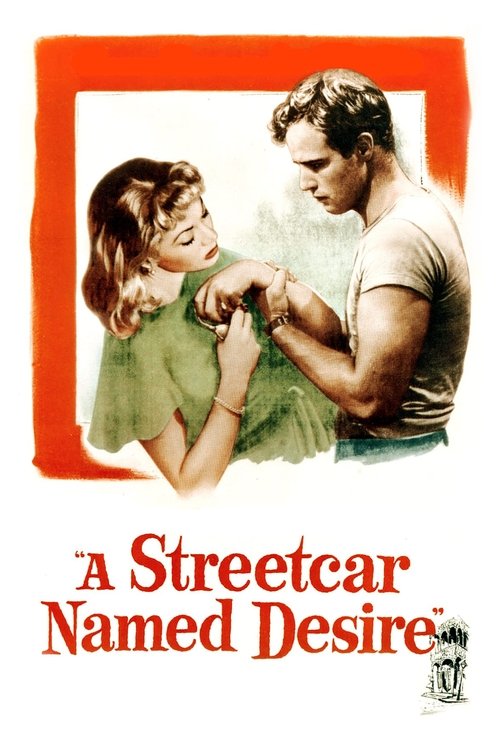
A Streetcar Named Desire1951
Blanche and Stanley's marriage is a power struggle that tears apart assumptions about femininity and control. Tennessee Williams writes dialogue that crackles, and Vivien Leigh's vulnerability against Marlon Brando's force is devastating.
But It's sexually aggressive and claustrophobic—the apartment suffocates. Brando's performance can read as brutish rather than complex, depending on production choices.
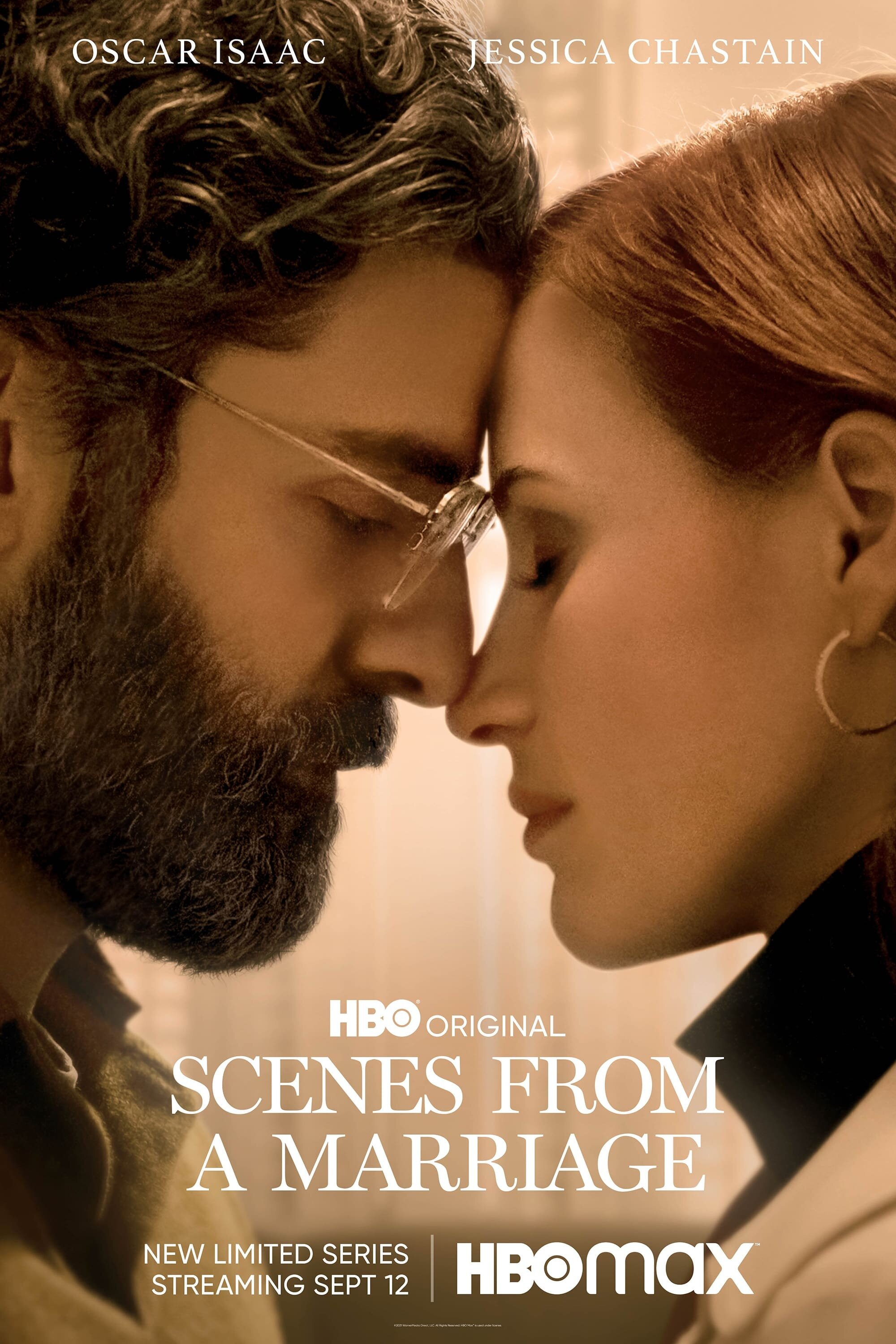
Scenes from a Marriage2021
Bergman's miniseries does what Ibsen did in three acts but with more time to breathe. Liv Ullmann and Erland Josephson sit in rooms and dismantle their relationship with precision and heartbreak, shot in Bergman's unblinking style.
But It is slow. Profoundly slow. If you need plot momentum or visual spectacle, this will feel like watching paint dry in real time.
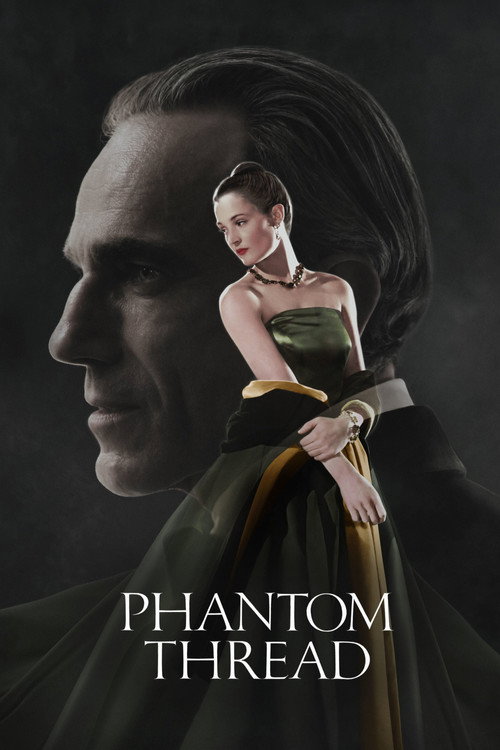
Phantom Thread2017
Paul Thomas Anderson's film about control and submission in marriage uses fashion and gesture instead of confrontation. It's Nora's story told through the body—what remains unsaid, what hangs in the air between two people.
But The pacing is deliberate and the protagonist is cold. Some find it insufferably precious; others find the emotional restraint numbing.
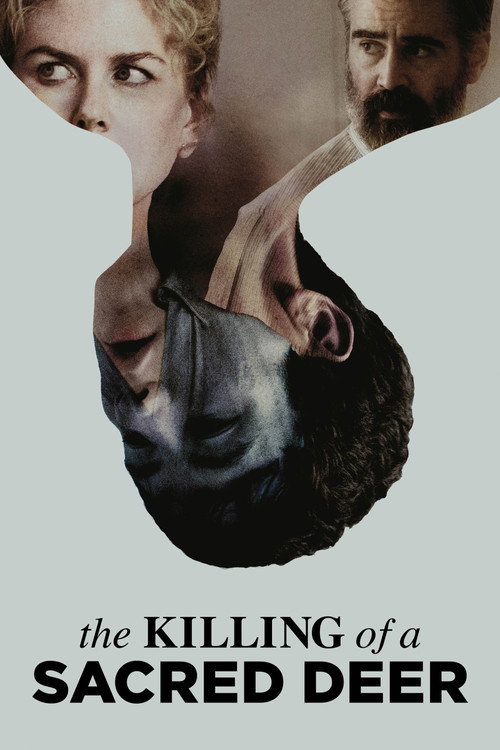
The Killing of a Sacred Deer2017
Yorgos Lanthimos uses Ibsen's *An Enemy of the People* as the skeleton for this nightmare. It has Nora's sense of domestic order collapsing, but filtered through horror and ritual. Strange and unnerving.
But It's arch and artificial, and the horror elements are blunt rather than subtle. The control and manipulation can feel theatrical rather than felt.
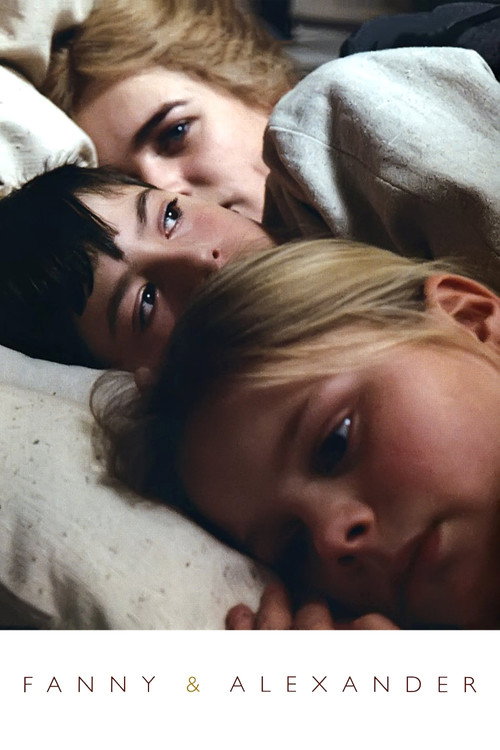
Fanny and Alexander1982
Bergman's final film includes a story of a woman trapped in a controlling marriage—it's one thread in a larger tapestry, but it carries the weight of Ibsen's examination of domesticity and freedom.
But At five hours, it's a commitment. The structure is episodic, and some threads matter more than others. It requires investment in ambiguity.
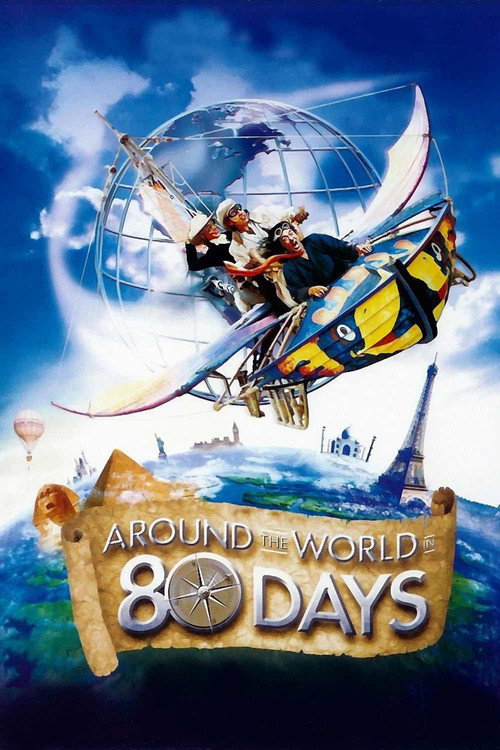
Around the World in 80 Days2004
Both use domestic or confined spaces to explore the psychological cost of being trapped, and both understand rebellion as something that germinates quietly before it erupts.
Jia Zhangke's film follows migrant workers in Beijing at an amusement park. It seems unrelated, but it's about people trapped in confined worlds, performing predetermined roles, with the same sense of suffocation and slow-burning rage that animates Nora's awakening.
But It's a Chinese art film with a slow, observational style. Nothing happens in the conventional sense. If you expect Western dramatic structures, this will feel like nothing at all.
People
Cast
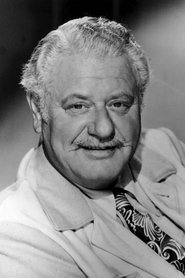 Alan HaleTorvald Helmer
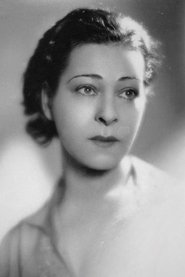 Alla NazimovaNora Helmer
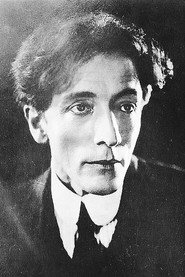 Nigel De BrulierDr. Rank
- Elinor OliverAnna
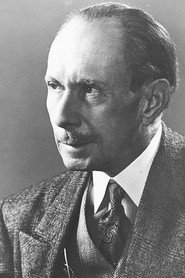 Wedgwood NowellNils Krogstad
- Clara LeeEllen
- Florence FisherMrs. Linden
 Philippe De LacyIvar
- Barbara MaierEmmy
Directing
- Charles BryantDirector
Writing
- Henrik IbsenTheatre Play
- Alla NazimovaWriter
Production
- Alla NazimovaProducer