
Film
Carrington
A 1995 portrait of the painter Dora Carrington and her lifelong, beautifully strange bond with the gay writer Lytton Strachey. Set among the Bloomsbury Group's bohemian circles, it's a film about the people we choose as family, the loves that don't fit conventional shapes, and the cost of devotion. Intelligent, melancholic, visually sumptuous.
Should you watch it?
Watch it if you like period films about difficult, unconventional love, where the emotional tangle matters more than the plot and the wit is dry as an old letter.
Skip it if you want a brisk story with clear stakes, since this is a talky, circling film where feelings are examined at length and little propels it forward.
What it asks of you: Just over two hours of patient, unhurried talk, with a mood more melancholy than bright, and it rewards attention to glances and silences as much as dialogue.
Not sure? Find tonight's pick in a minute.
If you liked this
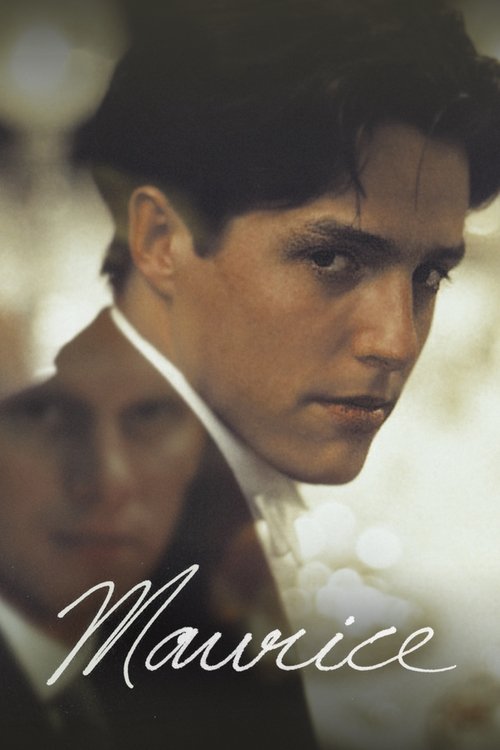
Maurice1987
Another Ivory-Merchant film exploring queer desire and intimacy with grace and nuance. If you loved the emotional complexity of Carrington's relationships, this offers similar depth but focused on a love story between men.
But It's quieter and more conventionally romantic than Carrington, which may feel less dramatically urgent if you're drawn to the film's stranger emotional edges.
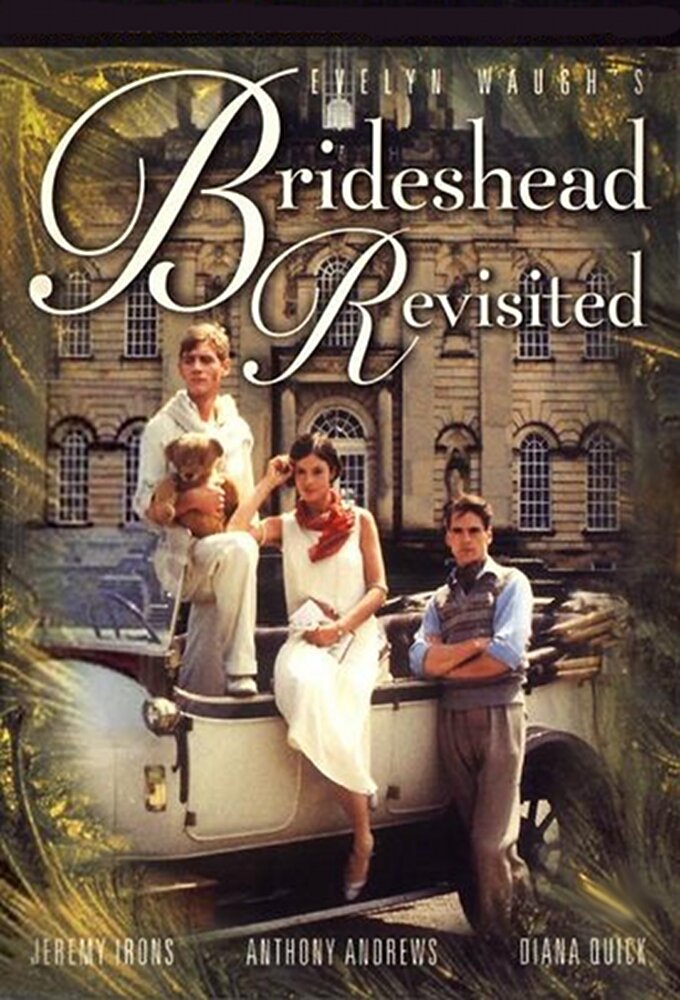
Brideshead Revisited1981
The definitive adaptation of Waugh's novel about desire, class, and the Bloomsbury-adjacent world. Same period, same intelligence, same sense of beauty shadowed by longing and inevitable loss.
But It's a miniseries (eleven hours), and the narrative revolves more centrally around a romantic love story than Carrington's deliberately oblique emotional geometry.
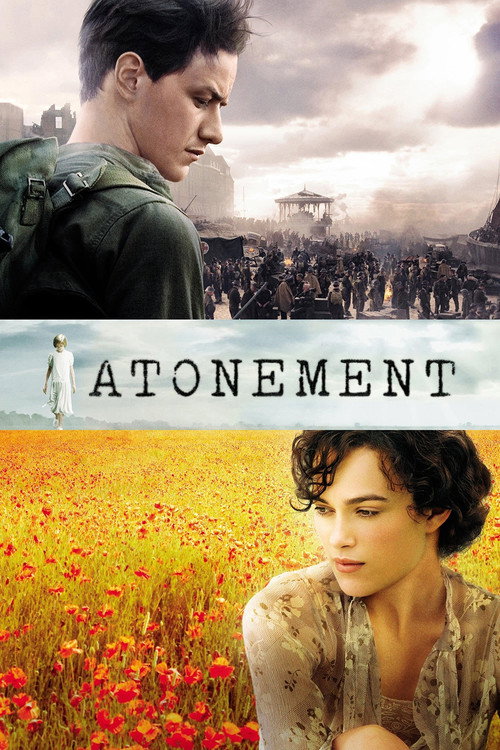
Atonement2007
A different era but the same DNA: a film about the stories we tell ourselves, desire crossing social boundaries, and how one moment can wreck multiple lives. Joe Wright also favours visual beauty as emotional language.
But It's more conventionally tragic and propulsive; Carrington moves at its own meditative pace, which some find glacial.
Not sure tonight? Get a pick in a minute, starting from Carrington
The wildcard
Something you would not have found on your own.
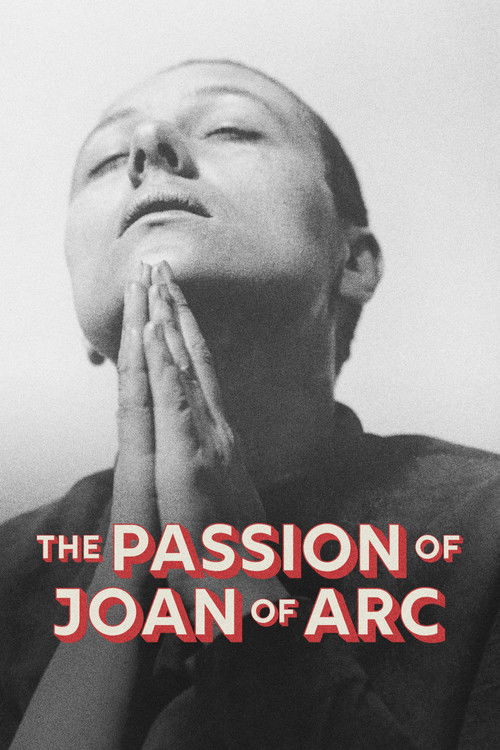
The Passion of Joan of Arc1928
Both films trust the camera on a face to convey profound spiritual and emotional states. Both are about devotion—to an ideal, to a person—and the solitude that comes with it.
A silent film, yes—but Bresson's close-ups on Renée Jeanne's face do what Carrington does with visuals and silence: make the internal world visible through eyes and gesture. Pure emotion without words. Utterly hypnotic.
But It's silent. No dialogue. If you need words to feel anchored in a film, this will feel abstract and disorienting, even difficult.
More like this (8)
The Remains of the Day1993
Another chamber piece about repression, duty, and the love we don't allow ourselves to name. Hopkins and Thompson (Thompson!) explore intimacy through what goes unsaid, like Carrington itself.
But It's even more restrained than Carrington, and the emotional payoff is deliberately withheld. Some find it almost punishingly controlled.

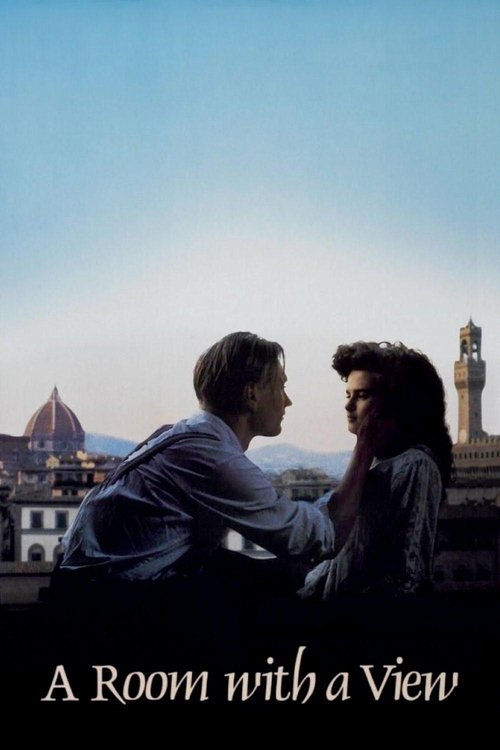
A Room with a View1986
Ivory-Merchant again, same Edwardian sensibility, but this time you get the full romantic arc. Thompson plays an older woman; it shares Carrington's fascination with desire thwarted by circumstance and propriety.
But It's sunnier and more conventionally appealing than Carrington's austere vision. If you're looking for matching melancholy, this won't quite deliver it.
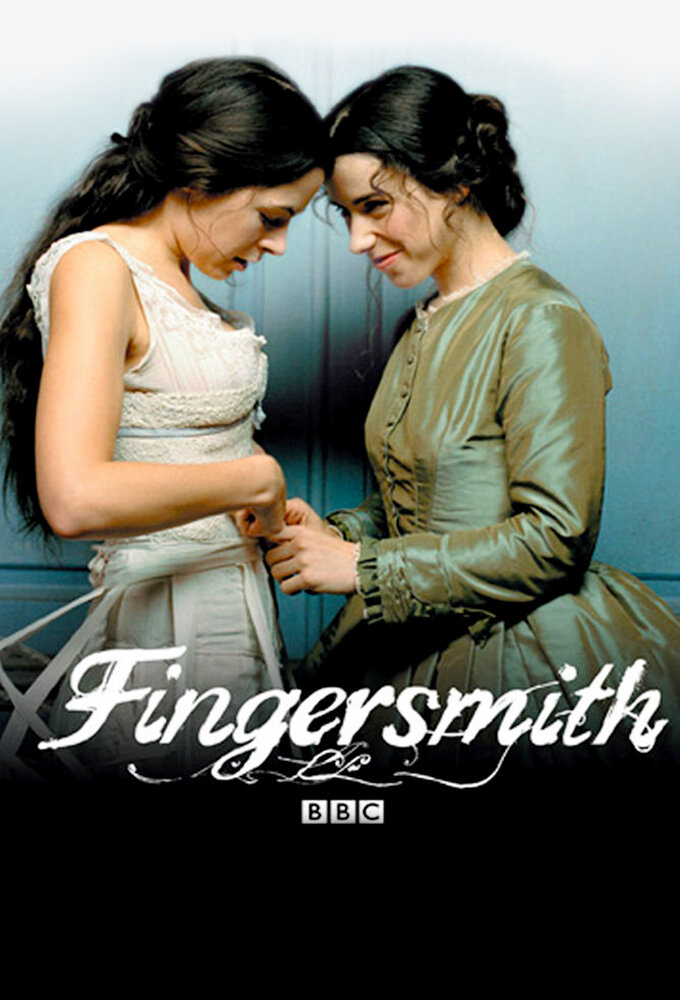
Fingersmith2005
A three-part drama that proves period television can be as visually sophisticated and emotionally intricate as film. Like Carrington, it's built on secrets, misdirection, and the strange forms intimacy takes.
But It's a thriller, so plot mechanics matter in ways they don't in Carrington. If you prefer character studies to narrative momentum, this will feel more conventional.
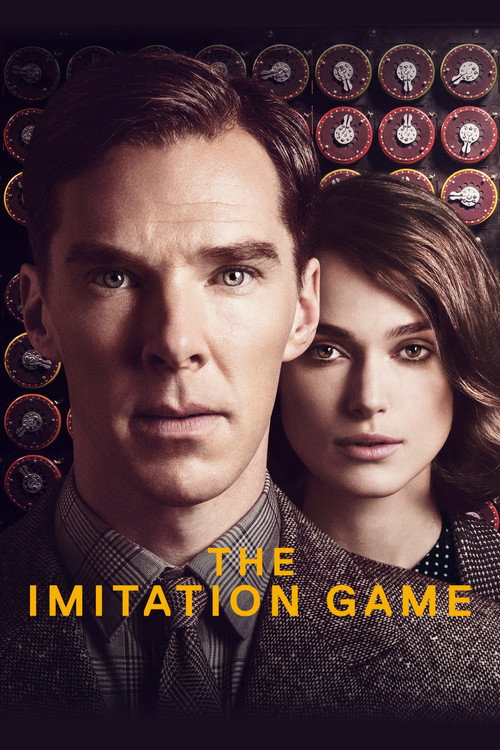
The Imitation Game2014
Another film about brilliant, isolated people whose inner lives don't match their outer presentation. Alan Turing and Carrington share a fundamental loneliness beneath their gifts, and both films honour that without sentimentalizing.
But It's more of a traditional biopic with a clearer narrative arc. Carrington resists plot shape; this one embraces it, for better or worse.
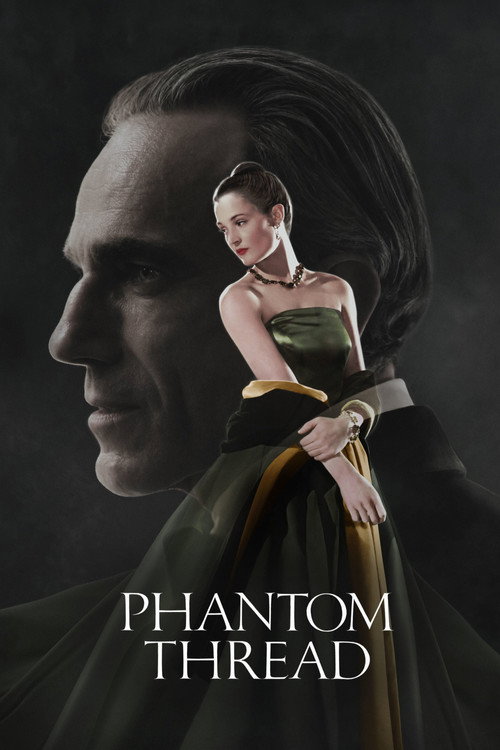
Phantom Thread2017
A portrait of two people locked in an oblique, almost parasitic codependence. Like Carrington, it's about the people we need rather than the people we're supposed to love, shot with extraordinary visual precision.
But It's darker and more unsettling, verging on sinister in places. Carrington finds beauty in strangeness; this film finds menace.
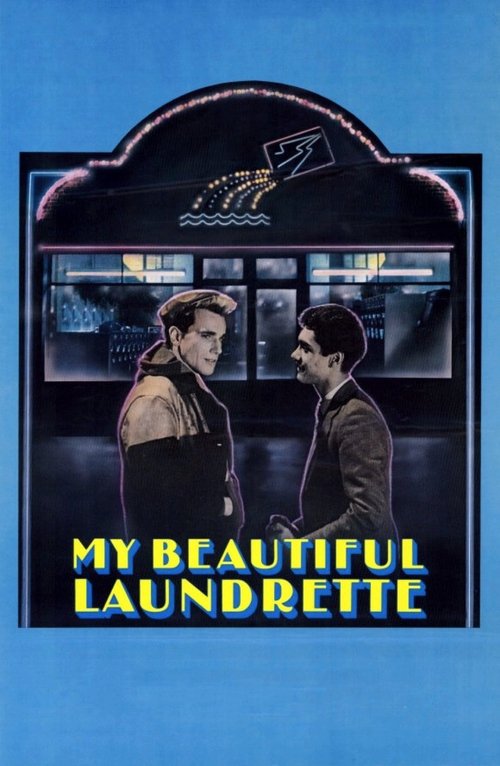
My Beautiful Laundrette1985
A smaller, more urgent exploration of queer desire and class from the same era. If Carrington's restraint appeals to you, this rawer, fiercer take on similar themes might surprise you.
But It's rawer, grittier, and more overtly political than Carrington's interior world. The register shift might jar those wanting to stay in Carrington's hushed space.
Mulholland Drive2001
Both films are constructed around a mysterious central relationship and invite you to read it differently on a second viewing. Both suggest that love—or its absence—can be a kind of haunting.
A completely different genre (neo-noir rather than period drama), but it shares Carrington's fascination with the gap between who we are and who we perform, and the loves that destroy us from within. Hypnotic and strange.
But It's deliberately confusing and refuses to resolve clearly. If you want narrative certainty, this will frustrate you. It's also darker and more violent in tone.

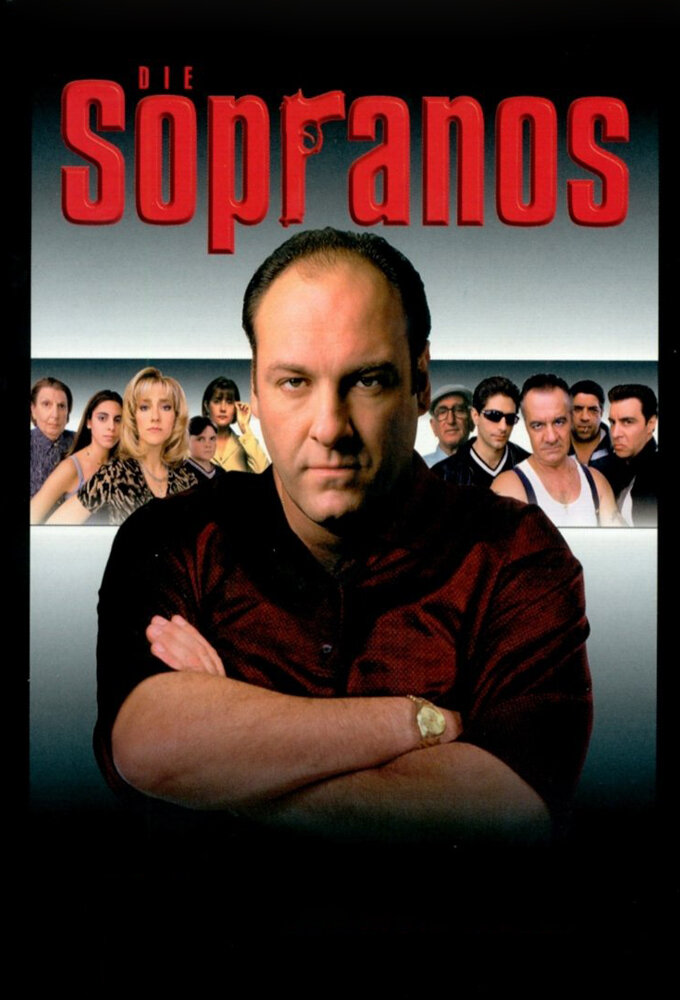
The Sopranos1999
Both works refuse to judge their protagonists despite their flaws. Both are interested in how intelligent, feeling people can be trapped by circumstance, psychology, or the shape their desires take. Both move slowly, asking you to sit with discomfort.
Not a period piece, not a love story—but it shares Carrington's patient, anthropological approach to human contradiction. Tony Soprano and Carrington are both figures paralyzed by competing desires, watched with unflinching empathy.
But Six seasons, sixty-seven hours. It's violent, profane, and occasionally brutal in ways Carrington never is. The register is utterly different—contemporary, raw, often ugly.
People
Cast
 Emma ThompsonDora Carrington
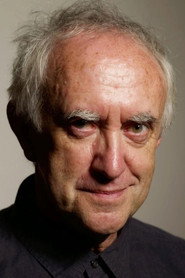 Jonathan PryceLytton Strachey
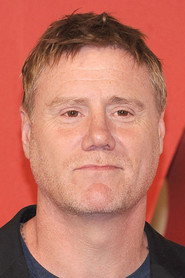 Steven WaddingtonRalph Partridge
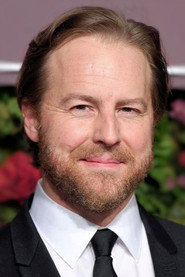 Samuel WestGerald Brenan
 Rufus SewellMark Gertler
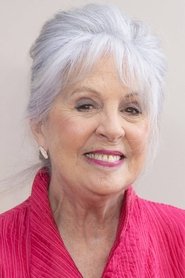 Penelope WiltonLady Ottoline Morrell
 Janet McTeerVanessa Bell
 Jeremy NorthamBeacus Penrose
 Alex KingstonFrances Partridge
 Richard CliffordClive Bell
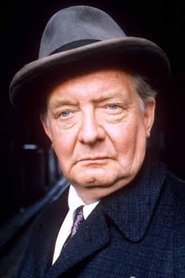 David RyallMayor
 Stephen BoxerMilitary Rep
Directing
- Christopher HamptonDirector
- Guy TraversFirst Assistant Director
- Penny EylesScript Supervisor
- Guido CerasuoloSecond Assistant Director
- Tim LewisSecond Assistant Director
- William BookerThird Assistant Director
Writing
- Michael HolroydNovel
- Christopher HamptonScreenplay
Production
- John McGrathProducer
- Ronald ShedloProducer