
Film
Opera
Dario Argento's late-period giallo masterpiece. A young opera singer becomes the obsession of a killer who forces her to witness his murders. It's visually baroque, violently kinetic, and deeply unhinged—a film that throws everything at the screen and somehow makes it cohere into something hypnotic and genuinely disturbing.
Should you watch it?
Watch it if you enjoy operatic set pieces, baroque camera movement and giallo-style visual invention, where the staging of dread matters as much as the plot.
Skip it if you want a plot that holds together under scrutiny or a gentle pace; the logic is loose, the gore is graphic, and style frequently outruns story.
What it asks of you: Expect a lean hour and three-quarters, with long stretches of stalking and suspense held tight, and a tone that swings from operatic grandeur to sudden brutality.
Not sure? Find tonight's pick in a minute.
If you liked this
Suspiria1977
Argento's earlier masterwork of pure visual terror. If you loved Opera's command of color, composition, and the way it makes architecture itself feel malevolent, this is essential. The murders are even more elaborate.
But The plot is almost incidental and the dubbing is wooden. It requires patience with style over substance, and a willingness to surrender to atmosphere rather than story.

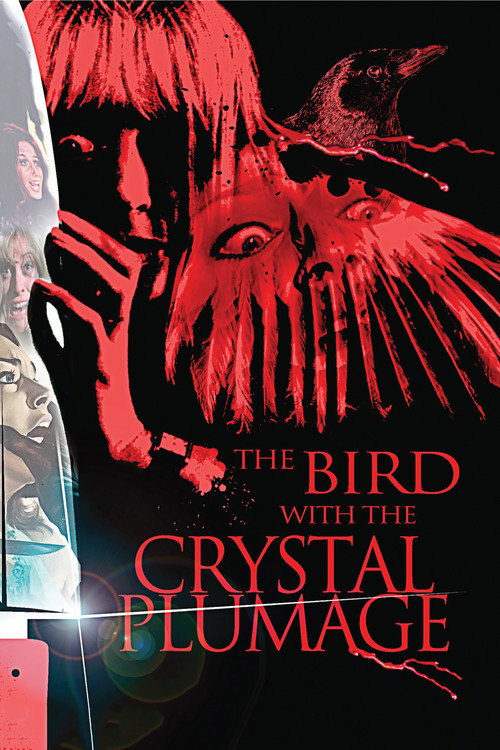
The Bird with the Crystal Plumage1970
The giallo that showed Argento had no peers in this space. A man witnesses a murder and becomes entangled in the investigation. Lean, propulsive, every frame deliberate. This is where his obsession with voyeurism and visual spectacle truly began.
But It's now fifty years old and the conventions it helped invent have been copied to death. Knowing what comes next drains some of the shock. The gender politics are very much of its era.
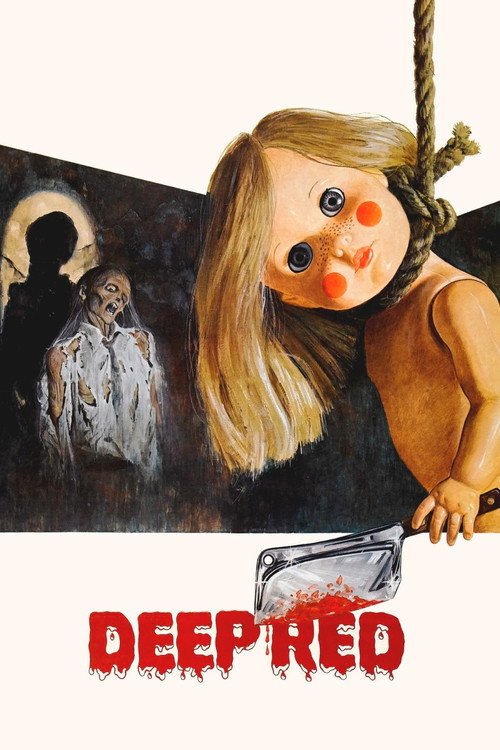
Deep Red1975
Argento operating at full confidence. A pianist witnesses a murder and can't shake the feeling he's seen something crucial. The kills are baroque, the mystery genuinely winding, and the final act reveal is devastating in a way that Opera reaches for but doesn't quite land.
But It runs two and a half hours, which feels indulgent even by giallo standards. There's a lot of dead time between the set pieces, and the film knows it.
Not sure tonight? Get a pick in a minute, starting from Opera
The wildcard
Something you would not have found on your own.
Possession1981
Both films treat the surveillance and torment of a woman as the structuring principle of the narrative. Both are operatic in register—they prioritize feeling and visual excess over coherence. Both have endings that are more spiritual resolution than plot resolution.
Andrzej Żuławski's apocalyptic nightmare about a marriage dissolving into cosmic horror. Like Opera, it's a film that prioritizes visual chaos and emotional extremity over plot coherence. Isabelle Adjani's performance is utterly unhinged in the best way. The creature effects are genuinely disturbing.
But It's aggressively, exhaustingly difficult to watch. There is no plot in any conventional sense, and the acting is so extreme that many viewers find it unintentionally funny. The Berlin Wall footage feels like three different movies layered on top of each other.

More like this (7)
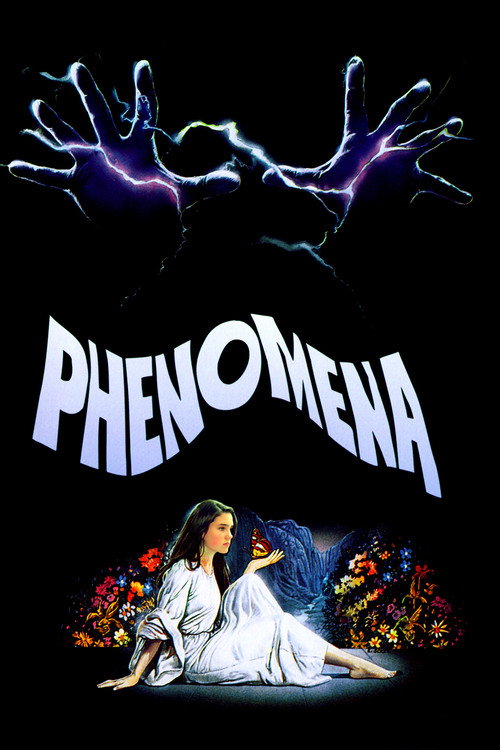
Phenomena1985
Argento collaborating with Jennifer Connelly on a film about a girl who can communicate with insects to solve murders. It's deranged, visually gorgeous, and has a genuinely strange logic all its own. Proof that Opera wasn't a one-off late-career stumble.
But The dubbing is distracting, the plot is completely bonkers, and it requires you to accept a lot of absurd premises. If you can't roll with giallo logic, this will frustrate you.
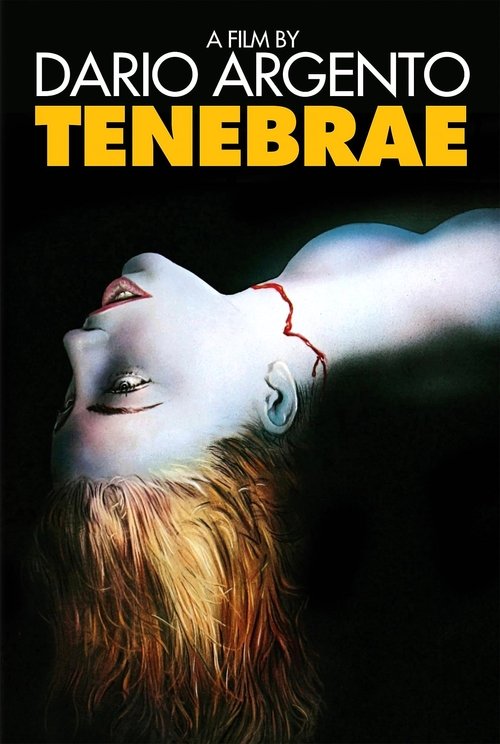
Tenebre1982
Another Argento masterclass in sustained menace. A writer of horror novels becomes the target of a copycat killer recreating murders from his books. The identity of the killer is genuinely shocking, and the film's awareness of its own artifice is startling.
But It's ruthlessly cynical about art and artists. The misogyny is deliberate and troubling, which some viewers will see as critique and others will see as just misogyny dressed up as commentary.
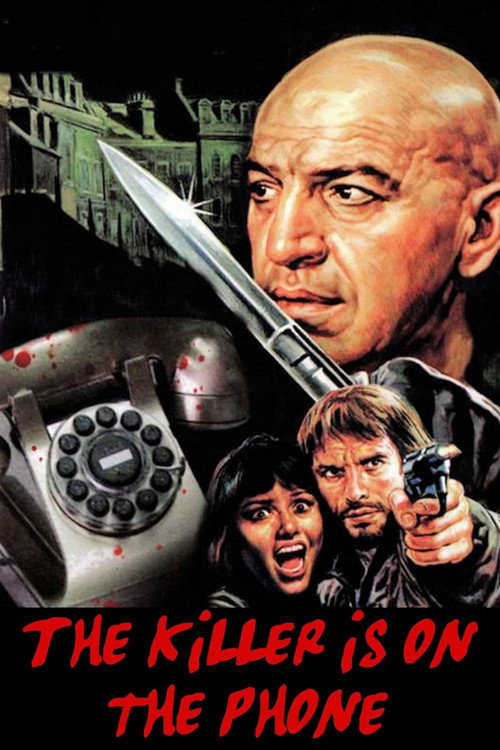
The Killer Is on the Phone1972
An Italian thriller about a man being psychologically tormented by a mysterious caller. It captures the paranoid, confined feeling that Opera occasionally reaches for. Raw and tense in a way that predates the slicker gialli of the late seventies.
But The pacing is glacial by modern standards. Long stretches go by with minimal plot movement. If you need momentum, you'll be watching your phone during this one.
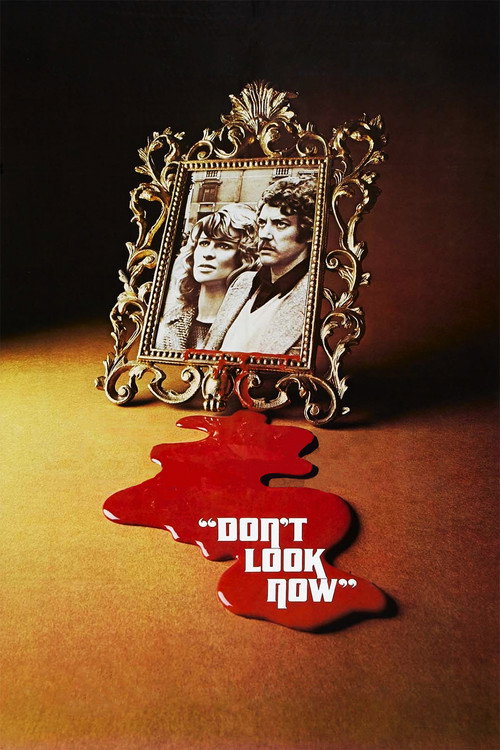
Don't Look Now1973
Nicolas Roeg's masterpiece about a grieving couple haunted by premonition in Venice. Like Opera, it's a film about obsession and perception—what you see, what you think you see, and what that costs you. The editing is revolutionary.
But It's far more meditative and psychological than visceral. There's no body count, no elaborate murders. The horror is internal, which can feel slow if you're craving spectacle.
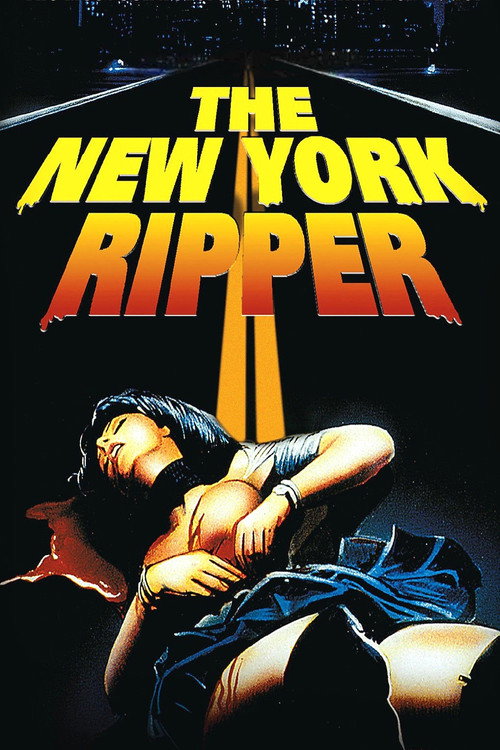
The New York Ripper1982
An Italian giallo transplanted to New York, which gives it an odd feverish energy. The killer's motivations are rooted in genuine trauma, and the film treats that with strange seriousness. It's ugly and committed in equal measure.
But The sexual violence is graphic and the gender politics are appalling, even accounting for the era. The film is genuinely difficult to watch, and not always in the artful way Argento achieves. Some viewers will rightfully find it exploitative.
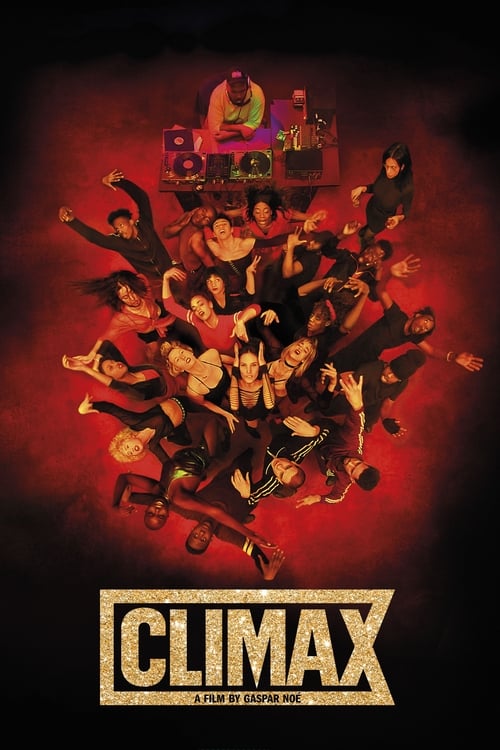
Climax2018
Both are maximalist films about watching a woman suffer, using the formal properties of cinema (color, framing, movement, sound design) as tools of psychological torment. Both privilege visual and aural intensity over plot clarity. Both feel like watching someone's fever dream.
Gaspar Noé's film about a dance troupe whose sangria is spiked with LSD, leading to a night of collective psychosis. It's a visual and sonic assault in the tradition of Opera—color, composition, and atmosphere weaponized against the viewer. The long tracking shots are hypnotic.
But It's deliberately unpleasant and offers no comfort or resolution. The second half is almost unwatchable in its descent into cruelty and degradation. It's more endurance test than entertainment, and many viewers will ask why they subjected themselves to it.
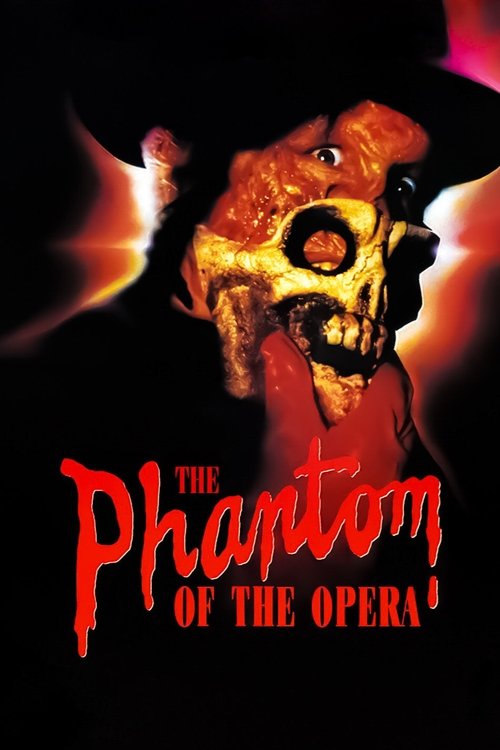
The Phantom of the Opera1989
Both explore obsession and voyeurism through the lens of opera itself. Both feature an obsessed man watching a soprano from the shadows, willing her to love/perform for him. Both treat the opera house as a Gothic space where violence and beauty are inseparable. Both understand that the real horror of the story is not supernatural—it's the violation of a woman's autonomy.
Bill Nighy's low-budget, faithful adaptation of the Leroux novel as a Gothic horror film rather than a musical. It takes the story's darkness seriously—the Phantom isn't a romantic figure but a deeply disturbed killer. The atmosphere is creeping and genuinely unsettling in ways the big musicals never are.
But The production values are obviously cheap, which some will find charming and others will find distracting. It's slow, it's methodical, and it has none of the spectacle that draws most people to this story. It's genuinely small and intimate, which undercuts the Gothic ambition.
People
Cast
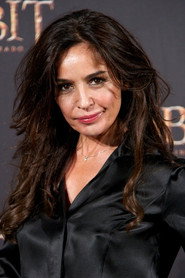 Cristina MarsillachBetty
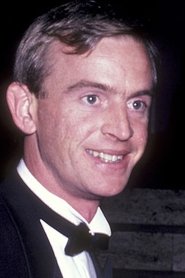 Ian CharlesonMarco
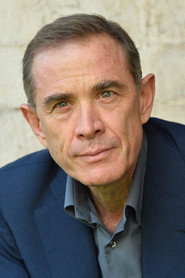 Urbano BarberiniInspector Alan Santini
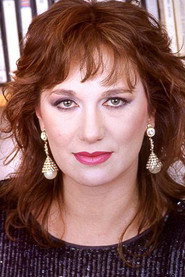 Daria NicolodiMira
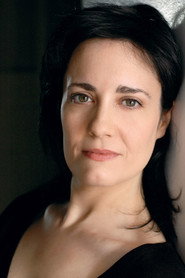 Coralina Cataldi-TassoniGiulia
 Antonella VitaleMarion
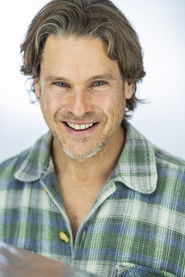 William McNamaraStefano
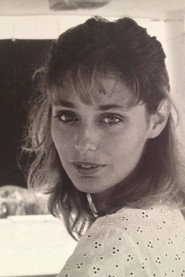 Barbara CupistiSignora Albertini
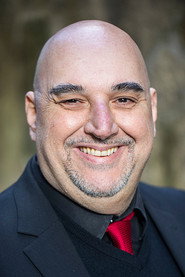 Antonino IuorioBaddini (as Antonio Juorio)
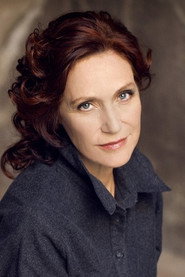 Carola StagnaroAlma's mother
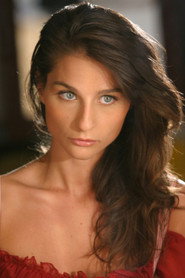
- Maurizio GarroneMaurizio, the raven trainer
Directing
- Dario ArgentoDirector
- Antonio GabrielliFirst Assistant Director
- Paolo ZenatelloFirst Assistant Director
- Cinzia MalatestaScript Supervisor
- Alessandro IngargiolaSecond Assistant Director
- Michele SoaviSecond Unit Director
Writing
- Dario ArgentoScreenplay
- Franco FerriniScreenplay
- Dario ArgentoStory
Production
- Carlo Du BoisAccountant
- Federica ZappalàAccountant
- Renato RinaldoAccountant
- Mario Cecchi GoriCo-Producer
- Vittorio Cecchi GoriCo-Producer
- Ferdinando CaputoExecutive Producer
- Dario ArgentoProducer
- Davide BassanProduction Designer
- Gian Maurizio FercioniProduction Designer
- Angelo CavalloProduction Secretary
- Egle FriggeriProduction Secretary
- Francesco MarrasProduction Secretary
- Paola RossiProduction Secretary
- Alessandro CalosciProduction Supervisor
- Verena BaldeoProduction Supervisor
- Enrico LucheriniPublicist
- Gianluca PignatelliPublicist
- Fabrizio DiazUnit Manager
- Olivier GérardUnit Manager
Recommended by
Tenebre, Deep Red, Lola Montès, Pieces, Delirium: Photo of Gioia, The Carpenter