
Film
In Fabric
A gothic fever dream wrapped around a cursed dress drifting through a department store. Peter Strickland's film is deliberately artificial—strange music, stilted dialogue, garish colours—making it feel like a nightmare about consumerism and loneliness. Not a conventional horror film; more an art-house experience that lingers. For people who love weird cinema and don't need jump scares.
Should you watch it?
Watch it if you enjoy deadpan, stylised British weirdness where sinister catalogue-speak and wintry dread are played with a straight face and a sly grin.
Skip it if you want a lean plot or a scare on schedule; it drifts at a mannered remove across its two hours, and the comedy may land cold rather than funny.
What it asks of you: Two hours of unhurried, deliberately stilted scenes, with flat delivery and long stretches where you must read the mood yourself.
Not sure? Find tonight's pick in a minute.
If you liked this
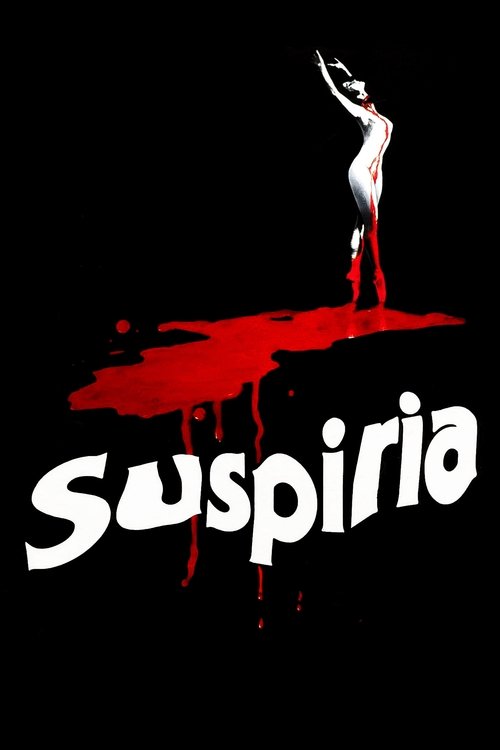
Suspiria1977
Dario Argento's masterpiece shares In Fabric's commitment to style over logic: saturated colour, hypnotic score, a reality that bends to mood rather than plot. Both films prioritize atmosphere so intensely that story becomes almost secondary.
But The narrative is deliberately cryptic and slow. If you need clarity or forward momentum, you'll find both films frustratingly opaque.
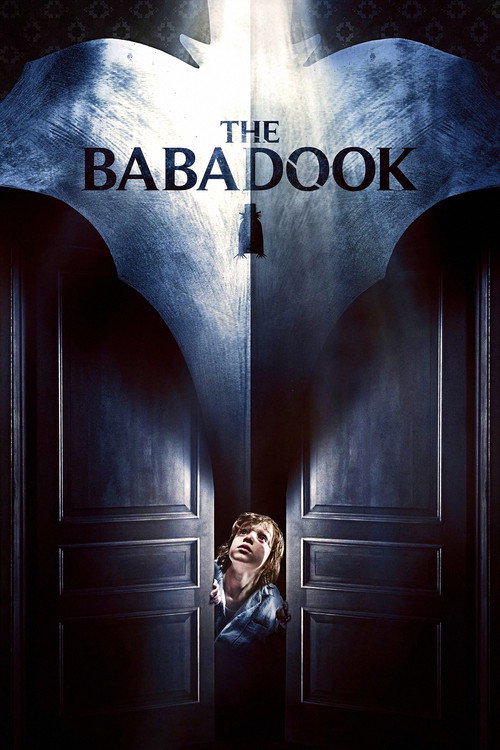
The Babadook2014
Jennifer Kent channels grief and domestic dread through a creature that may or may not be real. Like In Fabric, it treats a symbolic threat as emotionally real, and lets ambiguity do the heavy lifting.
But Deliberately paced and more grounded in psychology than spectacle. The horror is interior rather than external, which can feel slow if you're expecting conventional scares.
Mulholland Drive2001
David Lynch's L.A. nightmare shares Strickland's love of surfaces and strangeness; both films use genre (noir, horror) as a container for something more abstract. Reality fractures in both.
But You may reach the end unsure what you've watched. That's intentional, but it's not for people who want plot to resolve neatly.

Not sure tonight? Get a pick in a minute, starting from In Fabric
The wildcard
Something you would not have found on your own.
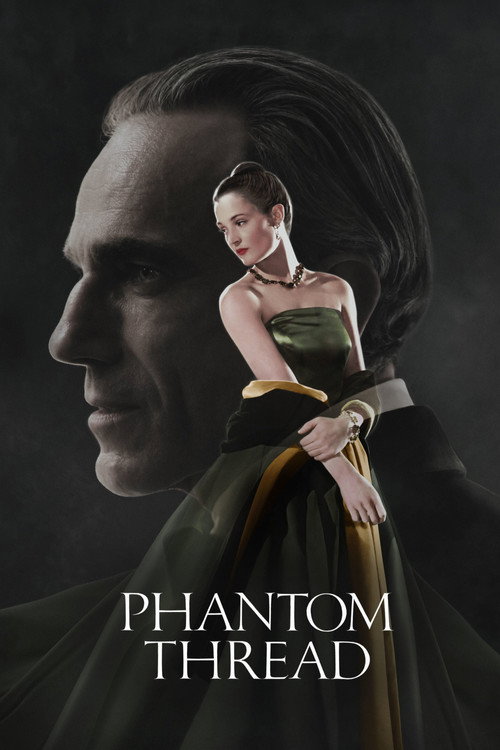
Phantom Thread2017
Both films treat clothes as active agents in human suffering. The dress in In Fabric and the gowns in Phantom Thread are almost characters themselves, shaping and constraining the people who wear them.
Paul Thomas Anderson's obsessive dressmaker and his muse move through a world of exquisite artifice and quiet horror. Like In Fabric, it finds the uncanny in textiles and surfaces, and treats fashion as both seduction and control.
But A three-hour slow burn about an unlikeable man and the woman he gradually poisons. No action, no music for long stretches. Gorgeous and deeply cold.
More like this (8)
Under the Skin2014
Jonathan Glazel and Scarlett Johansson create a film of pure mood and dread. Like In Fabric, it's experimental, uses silence and sound brilliantly, and finds horror in the mundane.
But There is almost no dialogue. Long stretches ask you to sit with discomfort. Not meditative, exactly—more like being held under water.

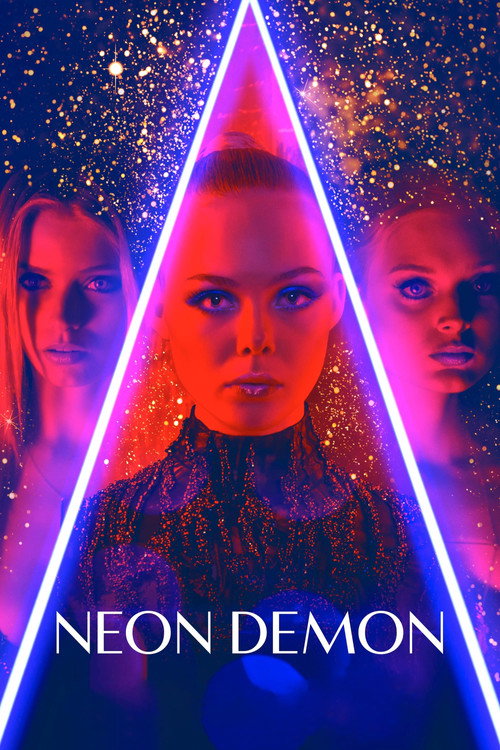
The Neon Demon2016
Nicolas Winding Refn's acid-soaked thriller about LA's modeling world has In Fabric's obsession with surfaces, artifice and the body as commodity. Both films are hostile to consumer culture while reveling in its aesthetics.
But Violently stylized and almost plotless. If you need to like the characters, you'll struggle. Very much style over substance, even more so than In Fabric.
Possession1981
Andrzej Żuławski's marriage-horror is operatic and grotesque, with a creature that emerges from emotional chaos. Both films twist body and relationship into nightmare; both feel hallucinogenic.
But Deeply unpleasant and occasionally incomprehensible. The gore is practical and sustained. Some find it brilliant; others find it simply nasty.

The Wailing2016
Na Hong-jin layers mystery, faith and dread so densely you're never sure what you're watching. Like In Fabric, it refuses easy answers and trusts you to hold contradictions.
But Nearly three hours and deliberately ambiguous. Patience required, and you may finish with more questions than you started with.

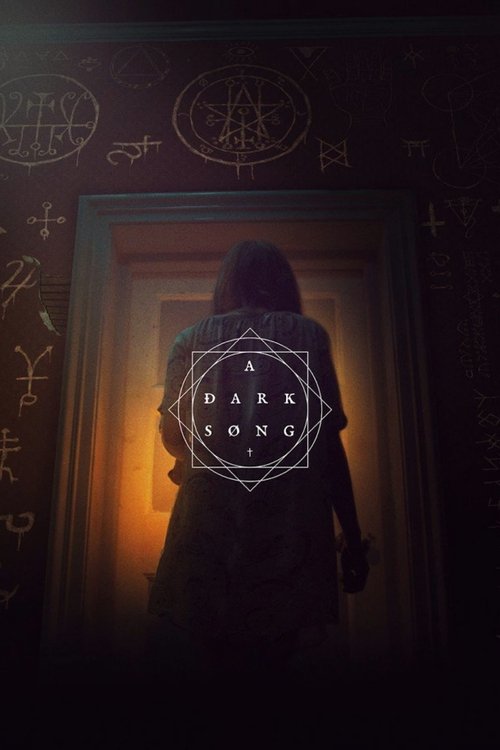
A Dark Song2016
Liam Gavin's slow-burn occult film shares In Fabric's commitment to mood over jump-scares, and its interest in grief disguised as horror. Both films are about loneliness as much as the supernatural.
But Deeply quiet and introspective. It's a two-character chamber piece about ritual, so if you need incident or pace, it will feel glacial.
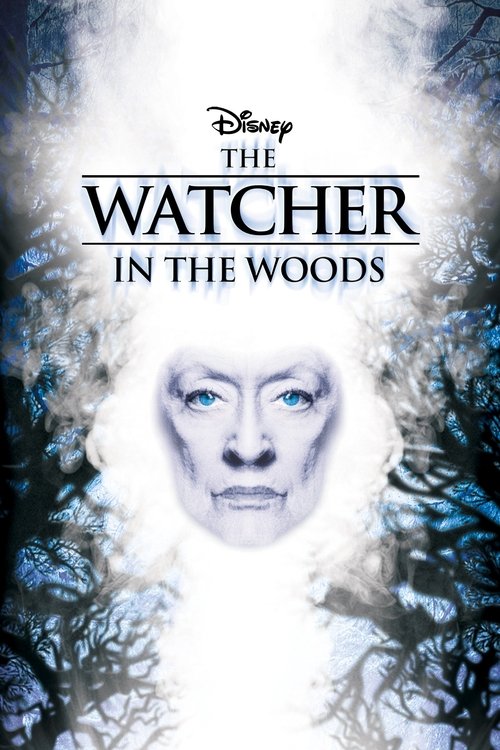
The Watcher in the Woods1980
John Hough's Disney-horror hybrid uses colour and sound design to create unease from atmosphere rather than plot. Both films are interested in the strangeness lurking beneath surfaces.
But The plot is genuinely confused, and the ending feels halfbaked. It's interesting *despite* itself rather than because of a strong script.
Come and See1985
Both films weaponize artifice: In Fabric through genre and style, Come and See through sound and colour grading. Both twist reality to make the audience feel psychological distress rather than narrative fear.
Elem Klimov's Soviet war film is a descent into Hell—visually nightmarish, disorienting sound design, a reality that warps into something abstract and traumatic. Both are formally experimental films about surfaces hiding devastation.
But It is one of the most brutal, uncompromising films ever made. Not entertainment. Some viewers find it unwatchable, and that's a reasonable response.

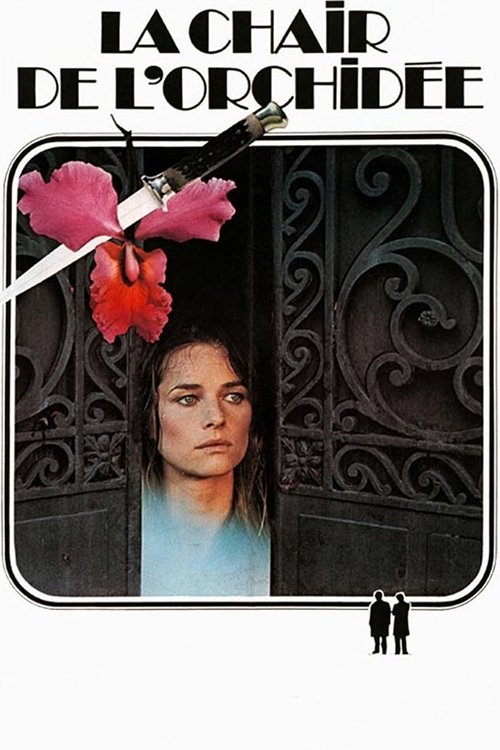
Flesh of the Orchid1975
Both are European films that treat cinema as a visual and sonic experience first, narrative second. Both feature a central object (the dress, the orchid) as a kind of narrative ghost, driving the film more than character ever could.
Patrice Chéreau's European thriller moves like a nightmare, with elliptical editing, strange dialogue and a queasy erotic undercurrent. Neither plot nor character drives it—mood and visual texture do. Utterly strange and deeply hypnotic.
But Essentially a cult film, hard to find and sparse on conventional plot. You're asked to go along with something you don't fully understand, and some find that exhausting rather than interesting.
People
Cast
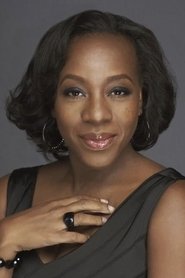 Marianne Jean-BaptisteSheila
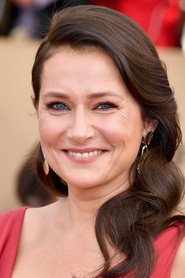
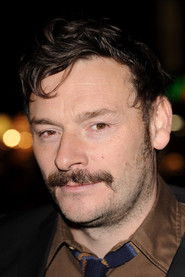 Julian BarrattStash
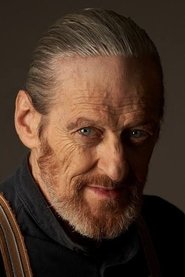 Richard BremmerMr. Lundy
 Fatma MohamedMiss Luckmoore
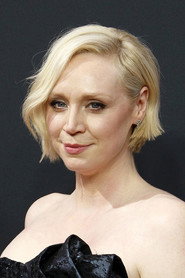
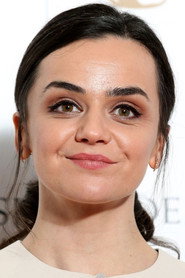 Hayley SquiresBabs
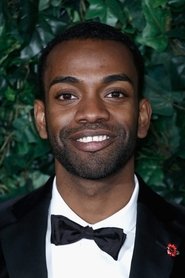 Jaygann AyehVince
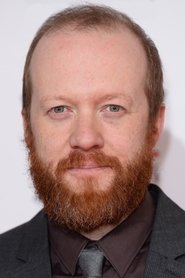 Steve OramClive
 Leo BillReg Speaks
- Barry AdamsonZach
Directing
- Peter StricklandDirector
- Evelien KortumScript Supervisor
Writing
- Peter StricklandWriter
Production
- Shaheen BaigCasting
- Layla Merrick-WolfCasting Associate
- Andrew BoswellExecutive Producer
- Ben WheatleyExecutive Producer
- Compton RossExecutive Producer
- Hilary DavisExecutive Producer
- Ian BensonExecutive Producer
- Lizzie FranckeExecutive Producer
- Phil HuntExecutive Producer
- Rose GarnettExecutive Producer
- Stephen KelliherExecutive Producer
- Kasia MalipanLine Producer
- Tony HoodLocation Manager
- Andrew StarkeProducer
- Dean SiplingProduction Accountant
- Thomas Darby-EvansProduction Coordinator
- Ferenc SzáleProduction Manager
- Emma CostelloProduction Secretary
- Perry CumberUnit Manager
Recommended by
After Hours, Prevenge, Strangers in the Night, The League of Gentlemen's Apocalypse, Underbelly, Bloody Hell, Shadowban, Heartland, Chevalier, Coup!