
Film
Hellraiser III: Hell on Earth
Hellraiser III trades the claustrophobia of its predecessors for a gaudy '90s New York playground where Pinhead and fresh Cenobite designs run amok among nightclub hedonists and media-obsessed killers. It's splatter-comic body horror with a pulp energy, less philosophical than fun, aimed at fans who want their S&M demons weaponized for maximum visual mayhem.
If you liked this
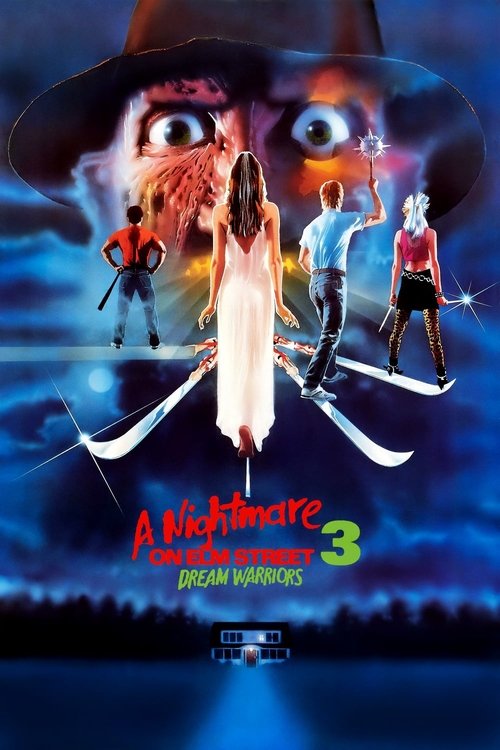
A Nightmare on Elm Street 3: Dream Warriors1987
Peak late-80s slasher ingenuity: Freddy Krueger fights teen dreamers in a psychiatric hospital with increasingly inventive kills and a rock-solid ensemble. The blueprint for how to invigorate a franchise's third chapter.
But The practical effects look their age, and if you need scares over spectacle, the tone tips too far toward fun and self-awareness.
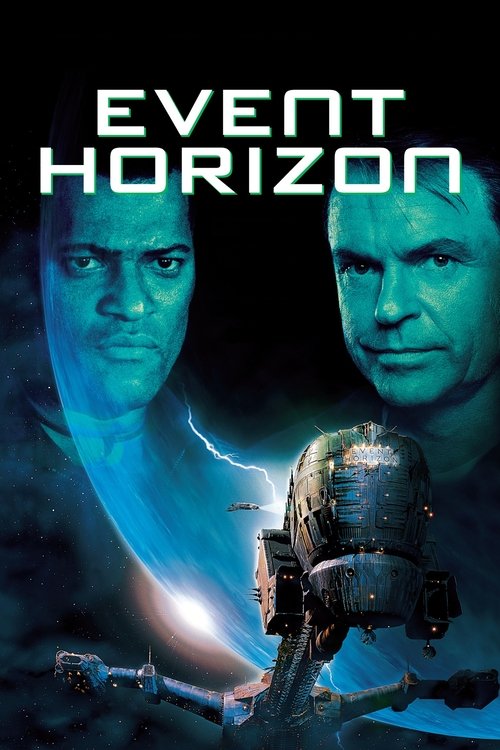
Event Horizon1997
A haunted-spaceship film so visceral it feels like violation. Paul W.S. Anderson makes a Cenobite-adjacent hellscape from twisted metal and body horror, with Sam Neill's descent into madness as the anchor.
But Relentlessly bleak, deliberately disgusting, and more interested in dread than plot coherence. It doesn't let you settle.
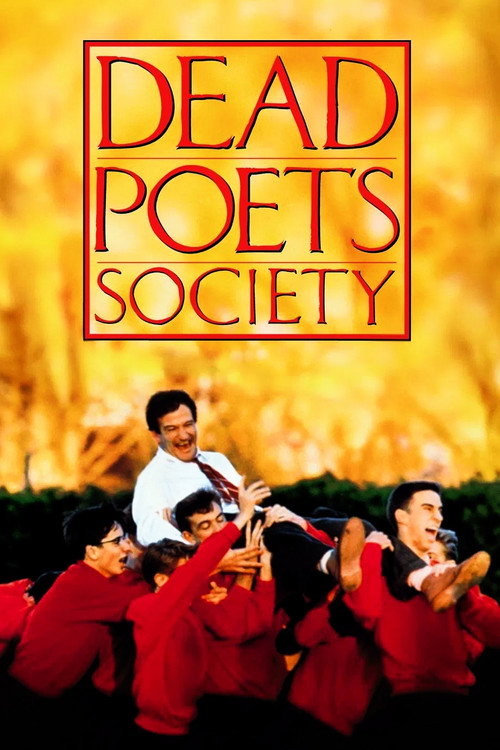
Dead Poets Society1989
Suburban grotesquerie rendered as a practical-effects orgy of warped bodies and class rage. Deeply weird and genuinely transgressive, it finds horror in the literal monstrousness of the powerful.
But The plot is thin, the dialogue is weak, and the last twenty minutes ask a lot of viewers. It's a concept pretending to be a film.
Not sure tonight? Get a pick in a minute, starting from Hellraiser III: Hell on Earth
The wildcard
Something you would not have found on your own.
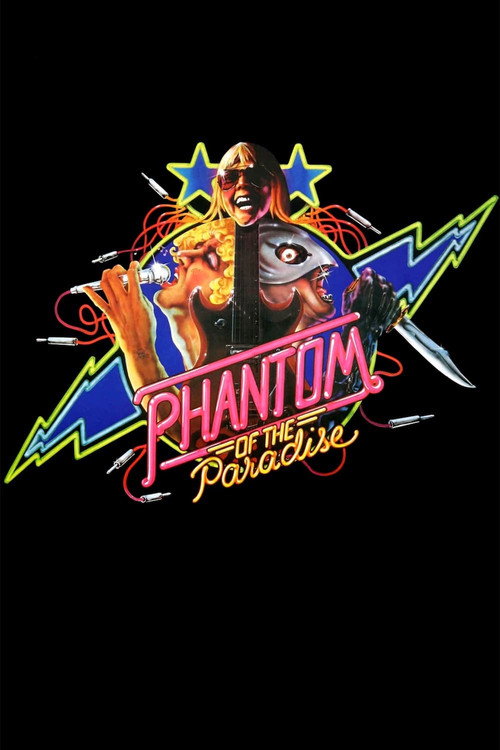
Phantom of the Paradise1974
Both treat the Cenobitic body—disfigurement, corruption, sexual transgression—as a theatrical statement rather than a punishment. Both are operas first, films second.
Brian De Palma's operatic glam-rock horror-musical about a composer's revenge through a cursed concert film. It's Hellraiser's ancestor: body horror, sexuality, and style collapsed into pure formal cinema.
But It's a '70s rock opera with horror trappings, not a horror film. If you need narrative clarity and genre stability, it's bewilderingly ornate.
More like this (8)
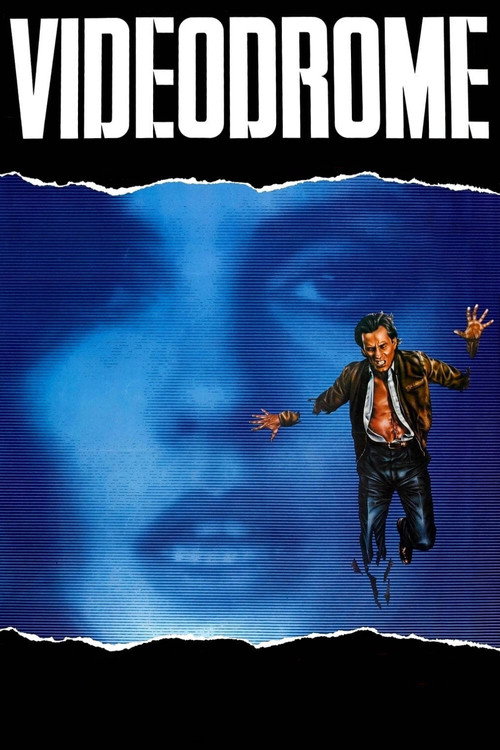
Videodrome1983
Cronenberg's masterpiece of blurred reality and infected media: a pirate TV signal corrupts a talk-show host into a hallucination-racked wreck. Visual poetry built from body horror and existential dread.
But Deliberately difficult pacing, deliberately vague stakes, deliberately unsettling. If you want clarity, you're watching the wrong film.
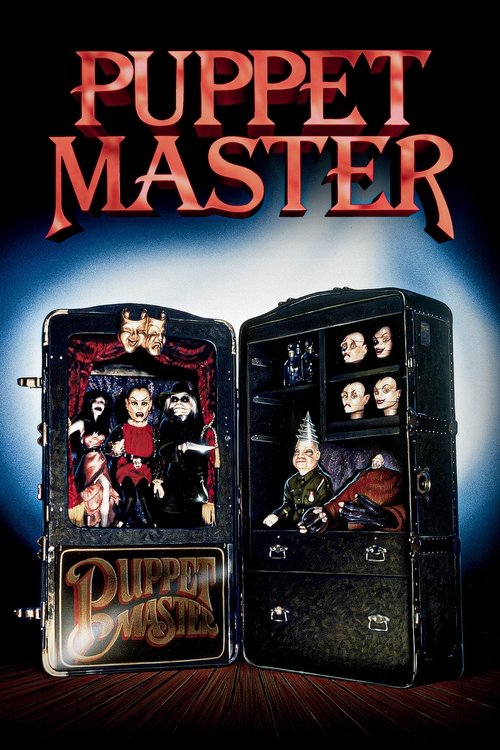
Puppetmaster1989
A supernatural doll film with genuine invention: creepy puppets, a horror-hotel atmosphere, and a pulpy serialized ambition. B-movie charm without apology, and the puppets are genuinely unsettling.
But Budget shows, acting is thin, and the plot meanders. It's enthusiasm and imagination over craft, which doesn't always hold ninety minutes.
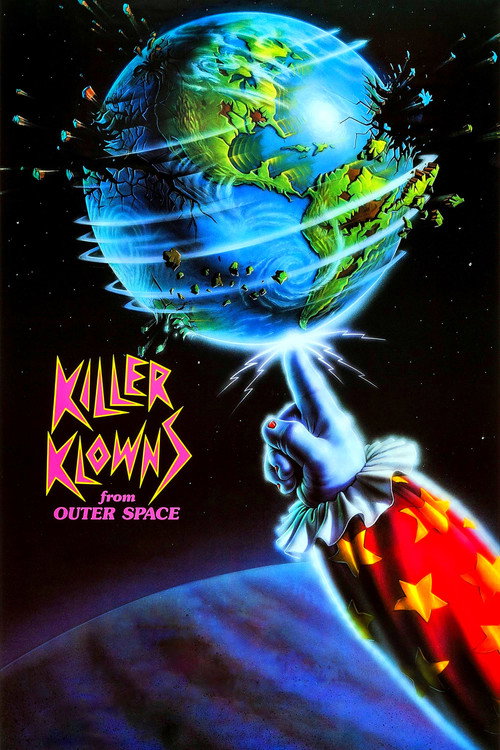
Killer Klowns from Outer Space1988
Unhinged, joyful, stupid: alien clowns invade a small town with cotton-candy cocoons and killer balloon animals. Pure tonal chaos that commits entirely to its ridiculous premise.
But If you don't find the central joke funny, there's nothing underneath it. It's a one-trick film with genuine technical skill and no pretensions to depth.
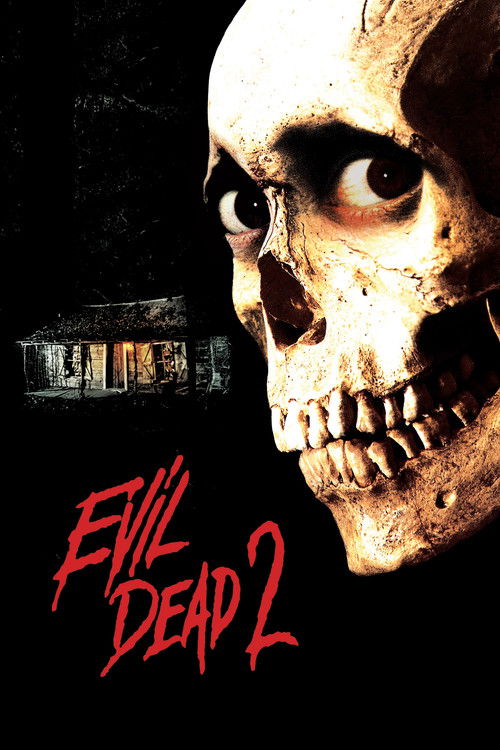
Evil Dead II1987
Bruce Campbell fights demons in a cabin with slapstick violence and tonal madness. Sam Raimi's total commitment to chaotic energy makes every scene a rollercoaster between horror and comedy.
But If you prefer your horror unselfconscious, the constant mugging and cartoon logic will feel like it's winking at you. It's almost a parody of itself.
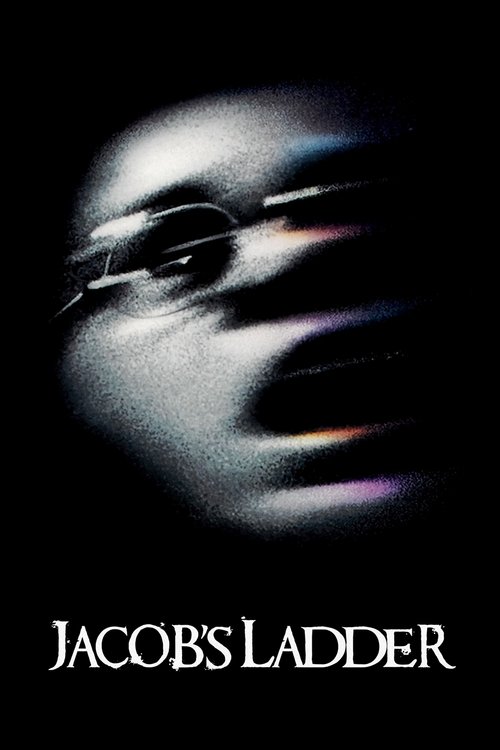
Jacob's Ladder1990
Vietnam vet descends into body-horror nightmare—spinal horrors, bureaucratic dread, and the possibility that none of it is real. Adrian Lyne makes suffering beautiful and unbearable in equal measure.
But The ending pivots toward sentimentality, undercutting the existential horror. If you want nightmare logic preserved, it disappoints in the final stretch.
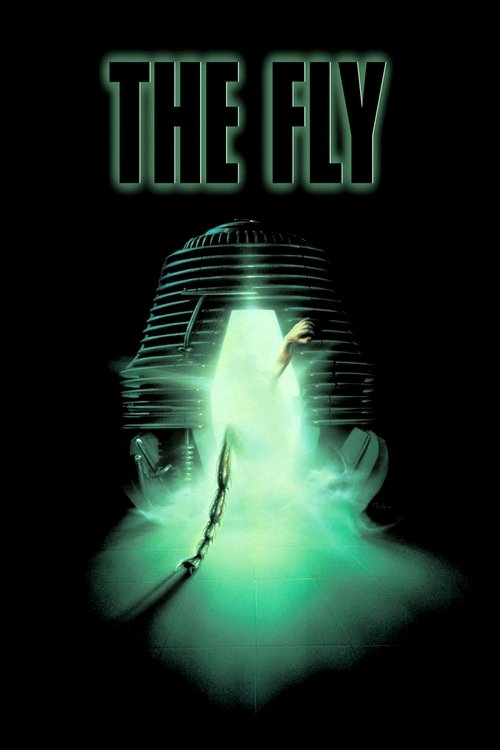
The Fly1986
Cronenberg's remake of the pulp classic: scientist teleportation-merged with a fly becomes a meditation on bodily decay, intimacy, and horror as metaphor. Utterly committed to the grotesque.
But It's less a film about plot than about watching a man become an insect for ninety minutes. The body horror is relentless and can feel repetitive.
Tusk2014
Both believe the body itself is the special effect. Both are '90s-era American cinema's id: splatter as style, mutilation as star power, the human form as clay.
Kevin Smith's fever-dream: a man surgically transformed into a walrus through sheer transgressive body horror. It's obscene, committed, and genuinely upsetting in ways its title deliberately obscures.
But It's transgressive for transgression's sake. The plot dissolves, the pacing is nightmarish, and it demands endurance rather than entertainment. Many will hate it profoundly.

Suspiria1977
Both use architecture as the real antagonist. Both understand that horror is spatial—a nightclub or a ballet academy becomes a character, a trap, a hell. Both are environments you enter, not plots you follow.
Dario Argento's phantasmagoria: a young dancer enrolls at a ballet academy that's secretly a coven. Pure abstracted dread through color, architecture, and Goblin's score. Pure atmosphere as plot.
But Almost no dialogue, deliberately dreamlike logic, and it prioritizes mood over clarity. It's a descent into a visual nightmare, not a mystery to solve.

People
Cast
 Terry FarrellJoey Summerskill
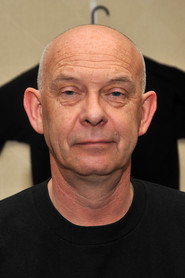 Doug BradleyPinhead / Elliot
 Kevin BernhardtJ.P. Monroe
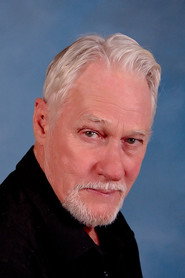 Ken CarpenterDoc / Camerahead
 Paula MarshallTerri
- Philip HylandBrad
 Ashley LaurenceKirsty Cotton
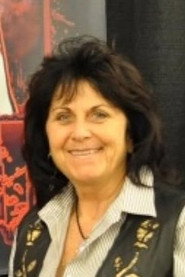 Sharon CeccattiBlond Nurse
- Shanna LynnFemale Cop
- Bob BraggMale Cop
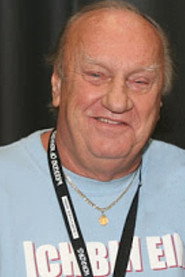 Clayton HillThe Priest
 Aimée LeighSandy
Directing
- Joseph SchultzAssistant Director
- Anthony HickoxDirector
- Paula M. BassSecond Second Assistant Director
Writing
- Clive BarkerCharacters
- Peter AtkinsScreenplay
- Peter AtkinsStory
- Tony RandelStory
Production
- Mark DukesAssistant Production Coordinator
- Olive McQueenAssociate Producer
- Geno HavensCasting
- Leonard FingerCasting
- Christopher FiggCo-Producer
- Clive BarkerExecutive Producer
- Jim GoodmanLocation Manager
- Lawrence MortorffProducer
- Gary WeddingtonProduction Accountant
- Brad StephensPublicist
- Phil SmootUnit Production Manager