
Film
Brain Damage
- Science fiction
- Strange
Frank Henenlotter's grotesque comedy about addiction, where a parasitic creature offers its host euphoric visions in exchange for gruesome favors. It's deliberately nasty, darkly funny, and visually inventive in ways that feel genuinely transgressive. For viewers who appreciate horror that doesn't apologize and comedy that lands harder when it's uncomfortable.
Should you watch it?
Watch it if you enjoy grubby, gleefully outrageous B-movie horror where the gore is cheerfully silly and the creature has more personality than most leading men.
Skip it if you need a tight plot or restrained taste, since the story wanders into loose, sticky episodes and the low-budget effects show their seams.
What it asks of you: Runs a brisk 86 minutes and keeps escalating, so bring a loose late-night attention span and a strong stomach for squelchy practical effects.
Not sure? Find tonight's pick in a minute.
If you liked this
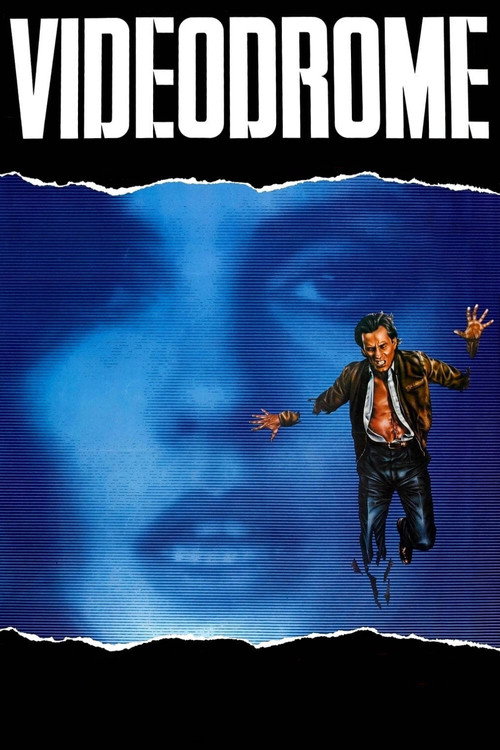
Videodrome1983
Cronenberg's hallucinatory descent into body horror and media corruption. Like Brain Damage, it weaponizes disgust as both joke and genuine unease, and asks what we're willing to let into our bodies for pleasure.
But The pacing is glacial and deliberately disorienting. If you need a clear narrative thread, you'll spend two hours frustrated.
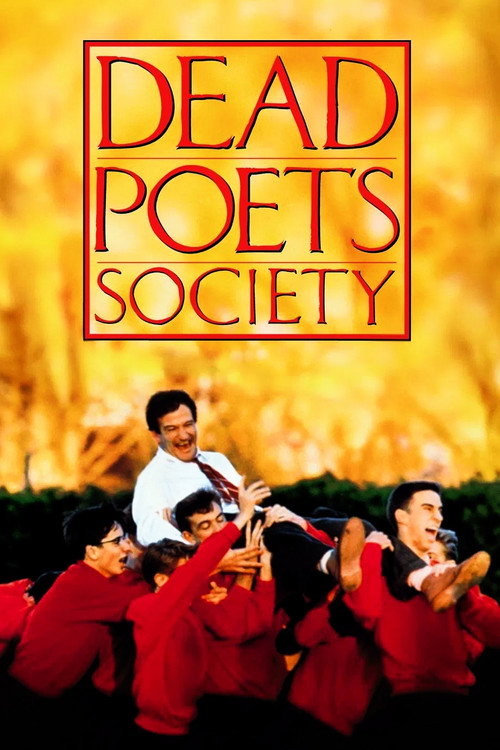
Dead Poets Society1989
Grotesque body-horror satire about a teenager whose worst suspicions about the elite prove horrifyingly literal. Same era, same commitment to making you squirm while laughing, same practical effects that shouldn't work but do.
But The final act reveals are so grotesque they tip into absurdity. Some will call that genius; others will call it a miscalculation.
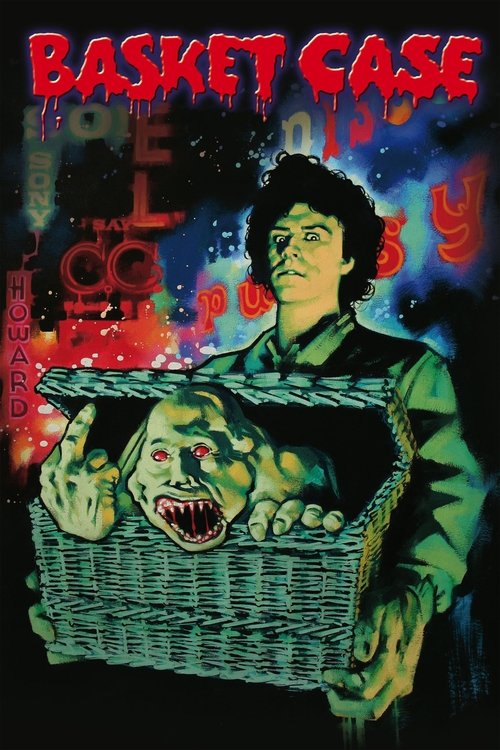
Basket Case1982
Frank Henenlotter's earlier film about a man with his parasitic twin in a basket. Perfect entry point to the director's sensibility: low budget, high nastiness, genuinely funny when it's most revolting.
But The acting is deliberately amateurish and the dialogue stiff. It's stylized in a way that bounces some viewers off immediately.
Not sure tonight? Get a pick in a minute, starting from Brain Damage
The wildcard
Something you would not have found on your own.
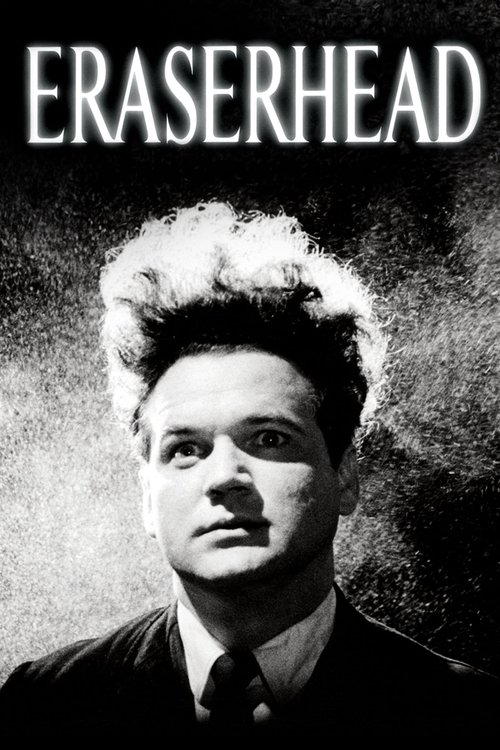
Eraserhead1977
Both use parasites as a literalization of unwanted internal presence—desire you can't refuse, invasion you can't stop. One's a comedy about addiction, the other is a tragedy about entrapment. Same nightmare, different camera angles.
Lynch's black-and-white nightmare about fatherhood, decay, and what lives in the body. Like Brain Damage, it's a hallucinatory descent into parasitism and bodily violation, but presented as surrealist art rather than exploitation.
But It's slow, deliberately obscure, and actively hostile to plot. Brain Damage is trashy; this is austere. The alienation is the point.
More like this (8)
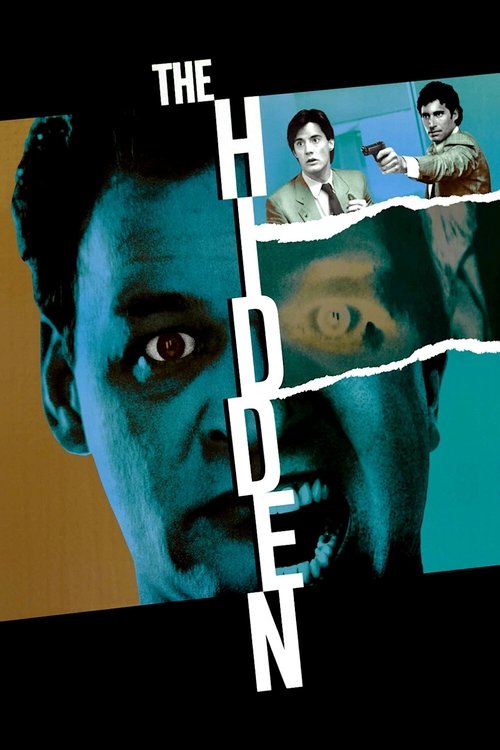
The Hidden1987
A parasitic alien uses human hosts for pleasure and murder. It's got the same addiction metaphor, the same body-invasion horror, but wrapped in a slick action-thriller package with genuine scares.
But It's far more conventional. If you're drawn to Brain Damage's weirdness, the straightforward plotting might feel safe.
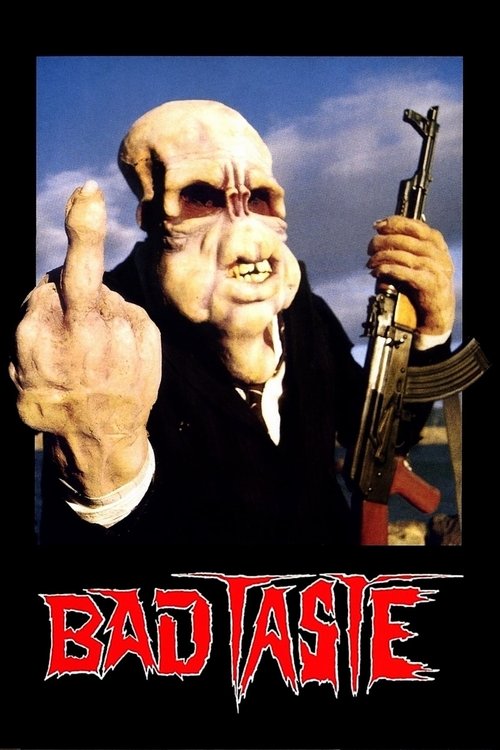
Bad Taste1987
Peter Jackson's debut: a New Zealand cult film about aliens farming humans, shot on a shoestring with practical effects that are committed and revolting. Same DIY punk energy, same refusal to soften the gore for laughs.
But The technical quality is genuinely rough. It's cheaply made by design, and not everyone finds that charming.
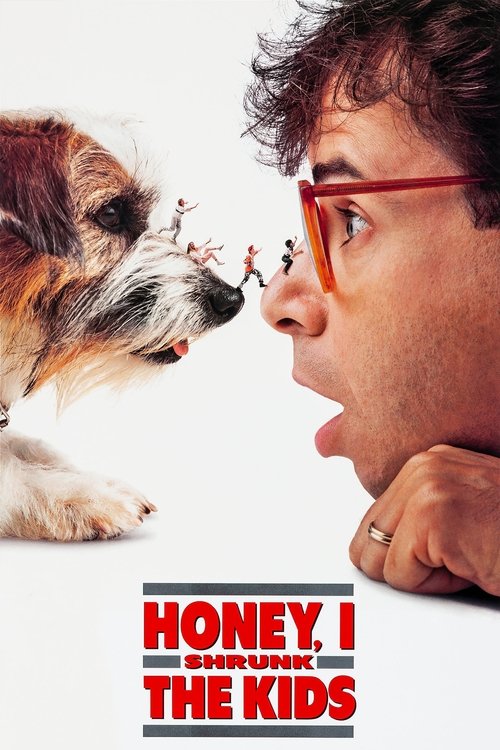
Honey, I Shrunk the Kids1989
I know, I know. But Joe Dante directed it with genuine menace lurking under the family-film surface. The backyard becomes alien and dangerous. It understands that the grotesque and the domestic can coexist.
But It's still a Disney film. You'll be watching it alongside your uncle who just wants something cheerful, and that can't help but diminish it.
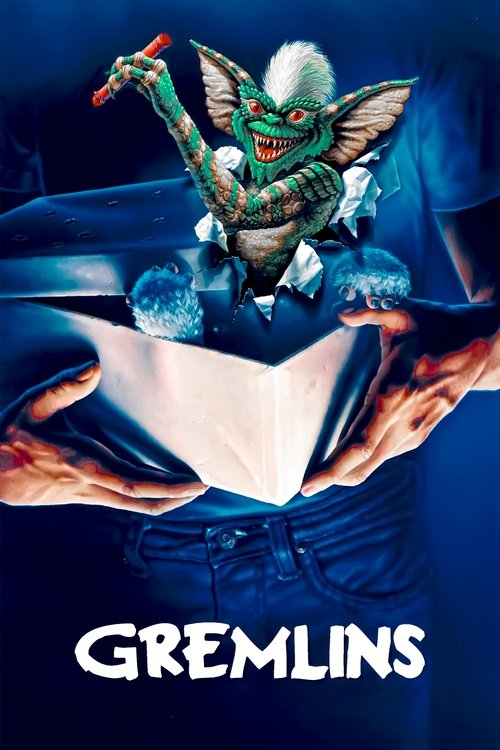
Gremlins1984
Joe Dante again: cute creatures that become monsters, genuine violence wrapped in comedy, practical effects that hold up. Same sensibility about how the cuddly conceals the vicious.
But It's been mythologized to death and is now treated as comfort viewing by people who've never actually watched it. Hard to see fresh.
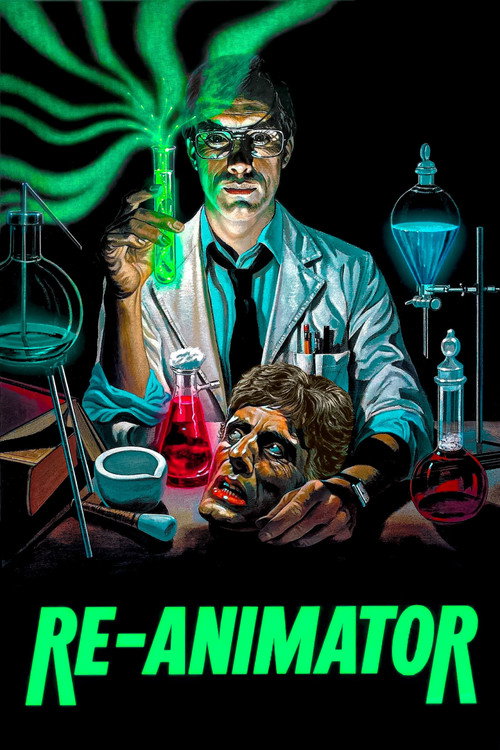
Re-Animator1985
Stuart Gordon's splatter-comedy about a scientist reviving the dead. It's got the same commitment to practical gore as a visual gag, the same willingness to make resurrection horrible and hilarious.
But It wears its influences loudly and doesn't pretend to originality. If you've seen Lovecraft adaptations, you've seen the template already.
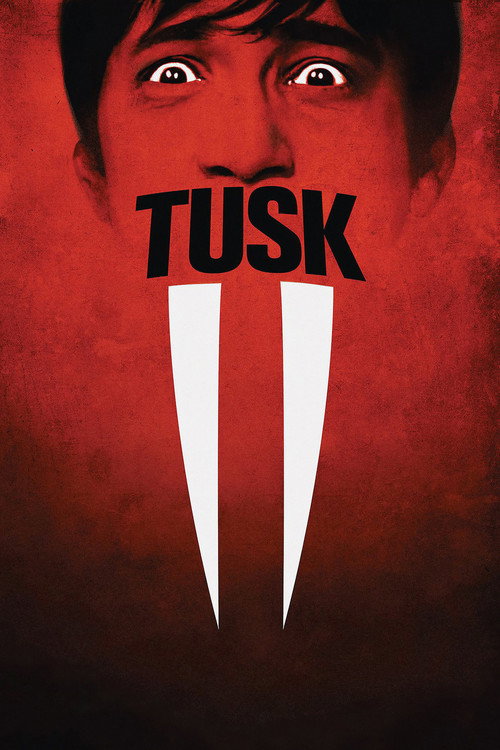
Tusk2014
Kevin Smith's body-horror fever dream about a man turned into a walrus. It's defiantly weird, committed to its grotesque premise, and genuinely unsettling despite (or because of) its absurdity.
But It's been polarizing enough that you might spend the whole film wondering if you're supposed to be enjoying it. The self-indulgence is real.
Under the Skin2014
Both films are about creatures inhabiting bodies for their own ends, but flipped: Brain Damage is about the host discovering the parasite's pleasure, Under the Skin is about predators disguised as human. Same violation, opposite perspective.
Jonathan Glazel's elliptical sci-fi horror about an alien who inhabits a woman's body to harvest humans. Sparse, hypnotic, uses practical effects and real locations to create a deeply unsettling sense of wrongness.
But The narrative is skeletal and the pacing is glacial. If you approach it as plot-driven entertainment, you will hate it. It demands patience and forgiveness.

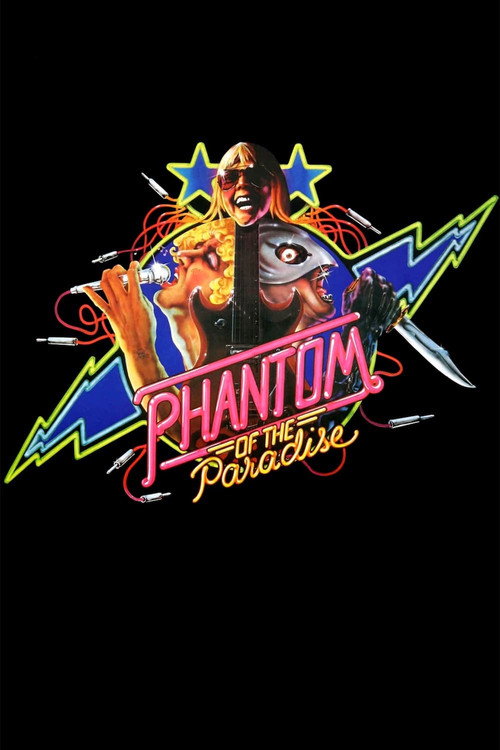
Phantom of the Paradise1974
Both explore addiction and parasitism as metaphors for artistic obsession. Brain Damage's parasite whispers seductions; Paradise's phantom makes deals. Same transaction—pleasure for your soul—but one is literally external, the other is the artist's own corruption made manifest.
De Palma's operatic rock-horror about a composer possessed by obsession and Faustian corruption. It's campy, visually dazzling, and genuinely distressing under the theatrical excess—and it sings.
But It's wildly theatrical and very 1970s in its sensibility. If your tolerance for artifice is low, the melodrama will bury you.
People
Cast
 Rick HearstBrian
 Gordon MacDonaldMike
 Jennifer LowryBarbara
 John ZacherleAylmer (voice)
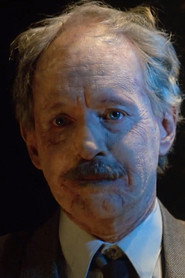 Theo BarnesMorris
- Lucille Saint-PeterMartha
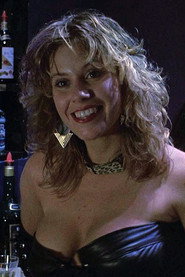 Vicki DarnellBlonde in Hell
- Joseph GonzalezGuy in Shower
- Bradlee RhodesNight Watchman
- Michael BishopToilet Victim
 Beverly BonnerNeighbor
 Ari M. RoussimoffBiker
Directing
- Frank HenenlotterDirector
- Gregory LambersonFirst Assistant Director
Writing
- David KindlonCharacters
- Gabriel BartalosCharacters
- Frank HenenlotterWriter
Production
- Charles C. BennettAssociate Producer
- Ray SundlinAssociate Producer
- Al EicherExecutive Producer
- Andre BlayExecutive Producer
- Edgar IevinsProducer
- Ed WallogaProduction Manager
Recommended by
Black Sheep, Street Trash, Return of the Killer Tomatoes!, Little Monsters, The Creeps, Bad Biology