
Film
Rock Around the Clock
- Musical
- Light-hearted
The film that introduced rock and roll to mainstream America. A scrappy drama about a promoter discovering Bill Haley and the Comets, built mostly as a vehicle for live performances of the new sound. It's earnest and thin as a premise, but it's where "Rock Around the Clock" the song became a phenomenon. For anyone curious how the 1950s heard the future arriving.
Should you watch it?
Watch it if you are curious how rock and roll got its first foothold in ordinary dance halls and want to see the music's early business hustle, with its plain, Hollywood-polished charm.
Skip it if you need a tight plot or real emotional depth, because the story is thin, gives way often to musical numbers, and the sentiment is broadly played.
What it asks of you: Under ninety minutes and brisk, it keeps moving from one bandstand to the next, with a tone that swings between cheerful and soapy and little demand beyond keeping up.
Not sure? Find tonight's pick in a minute.
If you liked this
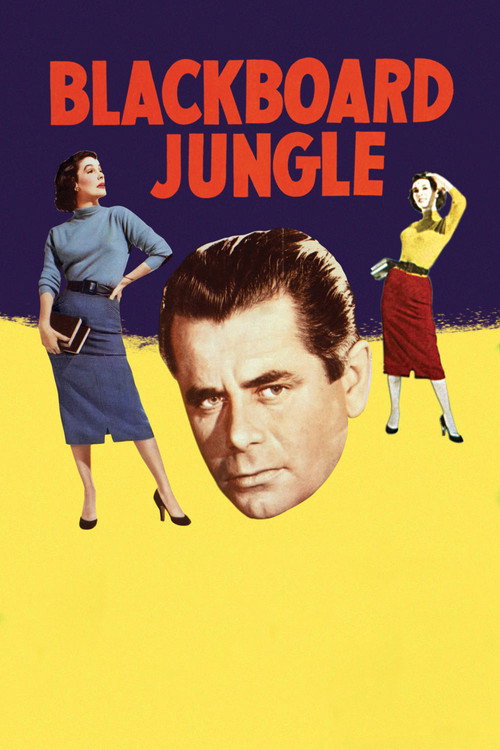
Blackboard Jungle1955
The film that first used "Rock Around the Clock" and sparked the rock-and-roll craze. A tense classroom drama about a teacher reaching delinquent students, grounded and angry in ways Rock Around the Clock isn't. Essential context for understanding the cultural panic that followed.
But It's dated in its sociology, and the moralizing about juvenile delinquency feels pedagogical now. Some of the dramatic beats are heavy-handed.
Singin' in the Rain1952
The gold standard for movies built around musical performance. Effortlessly charming, visually inventive, and it understands that the dance matters more than the plot. Shows what a film musical can do when technique and joy align perfectly.
But It's very much of its era—the gender politics won't sit right with modern viewers, and it's long enough to test patience if you're not in the mood for spectacle.

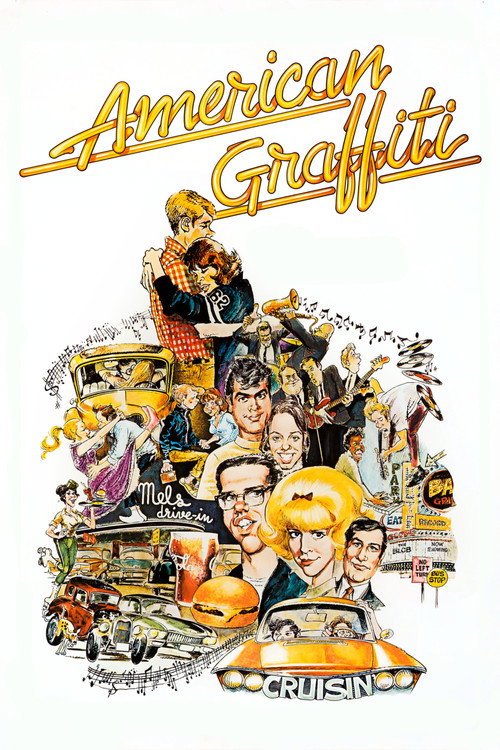
American Graffiti1973
Captures the exact moment youth culture fractured into a thousand pieces. A love letter to the sounds and cars and possibility of the early 1960s, told through interconnected stories. Funny, melancholic, generous to its ensemble.
But It's loose and meandering by design; if you want a tidy plot, this will frustrate you. Some dated attitudes toward women show through despite the film's warmth.
Not sure tonight? Get a pick in a minute, starting from Rock Around the Clock
The wildcard
Something you would not have found on your own.
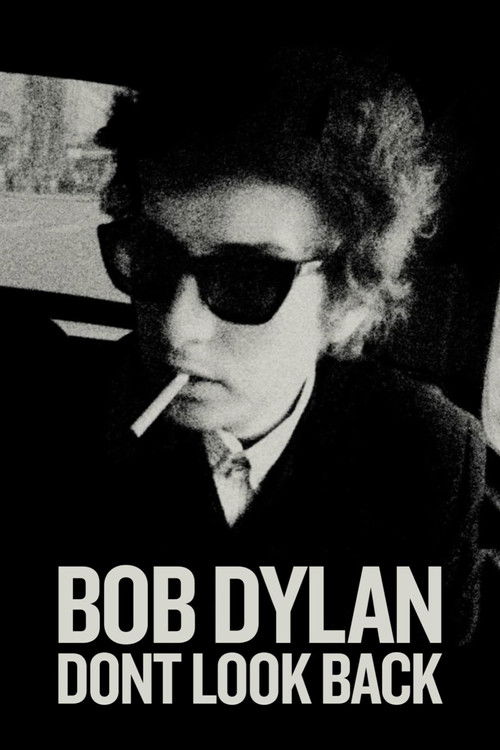
Bob Dylan – Don't Look Back1967
Both films capture the moment music industry mechanics collide with an emerging art form. Rock Around the Clock is the industry trying to package rock; Don't Look Back is rock trying to escape the industry. One is from the inside looking out, one is the inside looking in.
D.A. Pennebaker's documentary following Bob Dylan through his 1965 UK tour. It's cinema-vérité filmmaking that captures the moment rock music became self-conscious art. Watches like a jazz solo—every moment invented in real time, nothing settled.
But There's no narrative, no explanation, and Dylan is deliberately opaque. If you prefer storytelling to observation, it will feel like watching paint dry.
More like this (8)
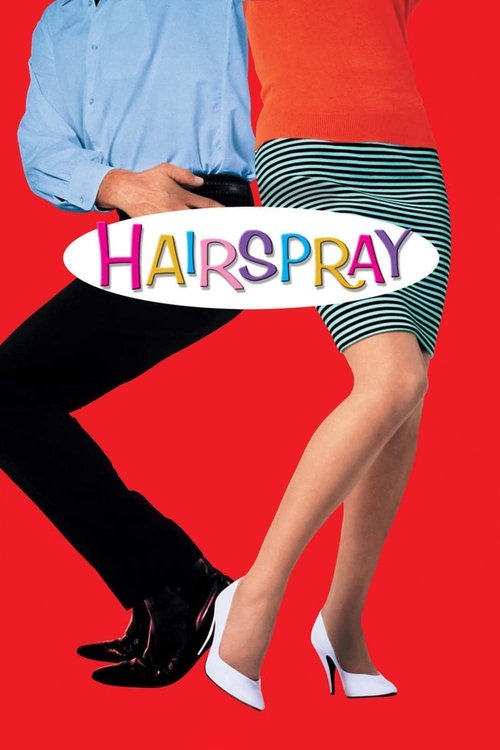
Hairspray1988
John Waters' only film made for actual humans. A joyful, unironic celebration of dance, acceptance, and letting your freak flag fly. It's about 1962 Baltimore but it's really about why outsiders matter. Genuinely makes people happy.
But The production design is deliberately cheap and stagey. If you need things to look expensive and polished to believe them, this will look ridiculous to you.
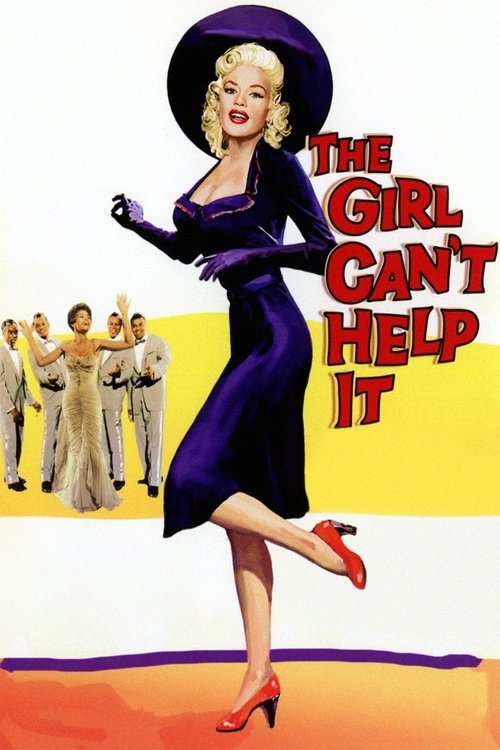
The Girl Can't Help It1956
Released the same year, this is a sharper, funnier satire of the record industry written for Jayne Mansfield. Packed with performances by Little Richard, Gene Vincent, Fats Domino. It knows the music business is absurd and plays it for laughs without snark.
But The plot is genuinely thin and the humor relies on very 1950s ideas about women. Some people find the comedy dated rather than charmingly retro.
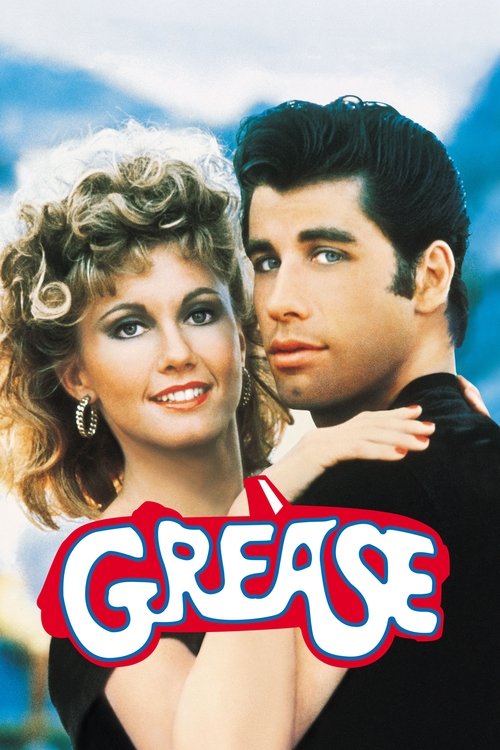
Grease1978
A nostalgic musical that understands the pleasure of spectacle and of being a teenager. It's basically a high-school fantasy that lets everyone sing, dance, and feel important. Pure fun—the kind of movie that works even when it shouldn't.
But The story is paper-thin and the morality is confused. The sexism reads as the film's own values rather than satire. It's also extremely long and extremely earnest about being frivolous.
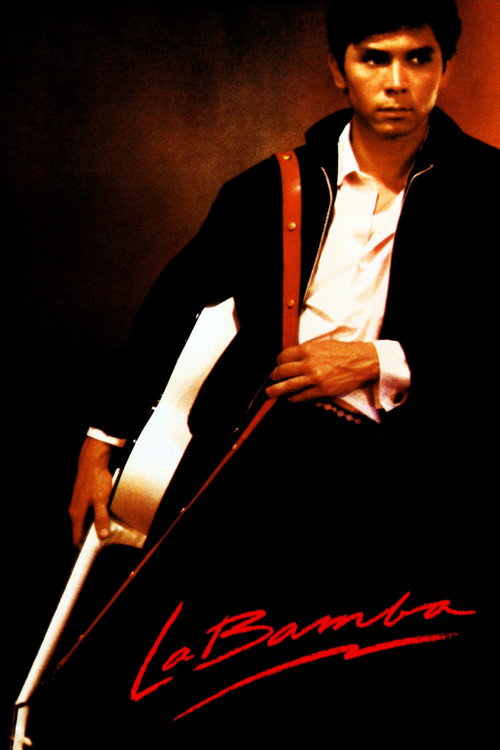
La Bamba1987
A small, human biography of Ritchie Valens, one of rock and roll's first Latino stars. Captures early rock's genuine power to change lives and communities. Energetic, affectionate, and genuinely moving about ambition and family.
But The plot hits every biopic beat with little surprise. Some dramatic moments feel manufactured to manufacture drama rather than emerging from character.
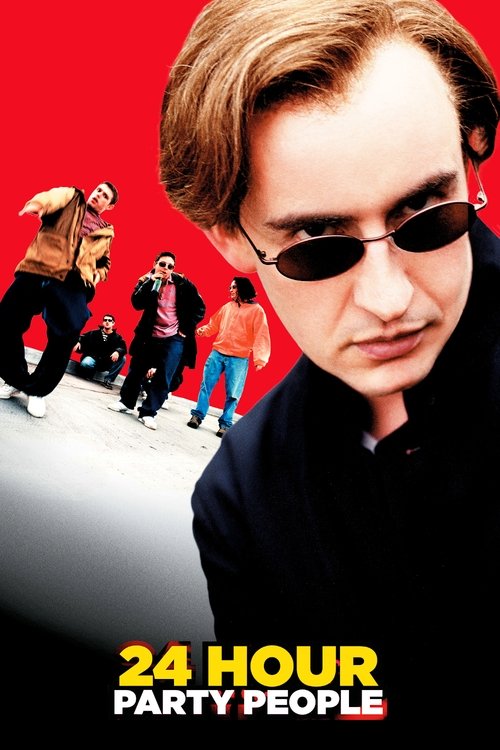
24 Hour Party People2002
A chaotic, funny account of how rave culture emerged from Manchester's Factory Records. It's about how art and commerce collide, told by someone too close to see it clearly. Anarchic and genuinely warm about failure and friendship.
But The chronology is deliberately scrambled and the tone whipsaws constantly. If you need narrative clarity, this will drive you to distraction.
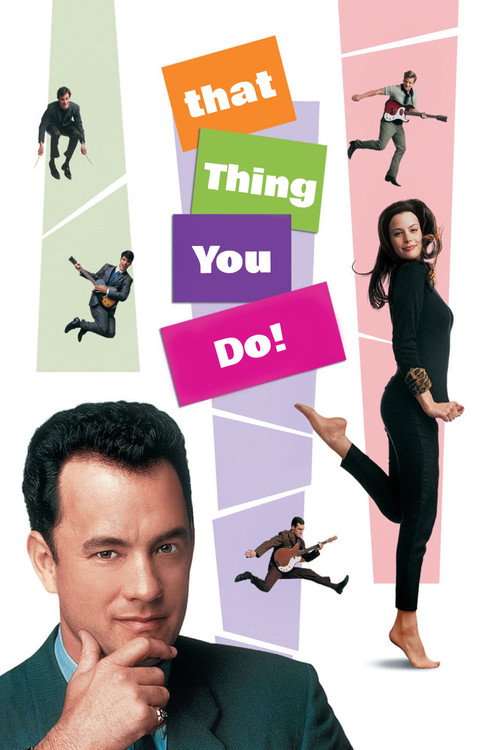
That Thing You Do!1996
Tom Hanks' love letter to the machinery of hit-making. A one-hit wonder's rise and fall told with genuine affection for ambition, jealousy, and the absurdity of fame. Surprisingly sharp about success and friendship.
But It's deliberately lightweight and doesn't pretend otherwise. The characters are archetypal and the sentimentality can tip into saccharine.
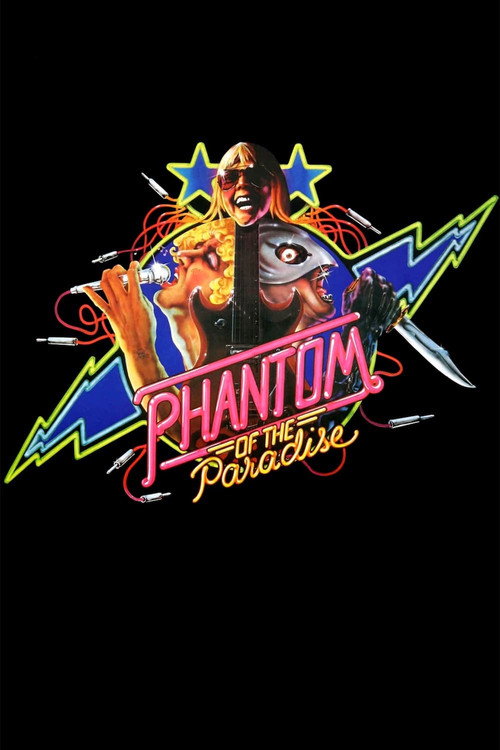
Phantom of the Paradise1974
Both are about the machinery of turning musicians into product, but one is earnest and hopeful about it while the other is horrified. Same engine, opposite registers—innocence versus cynicism.
Brian De Palma's wild, operatic rock-horror hybrid. A Faustian tale about a composer losing his work and his voice to a record executive. Vicious about the music business, visually possessed, genuinely unsettling. It's Sunset Boulevard for the rock era.
But It's genuinely grotesque and the tone is hard to pin down—horror, camp, tragedy, satire all at once. Some people find that mixture tiring rather than exhilarating.
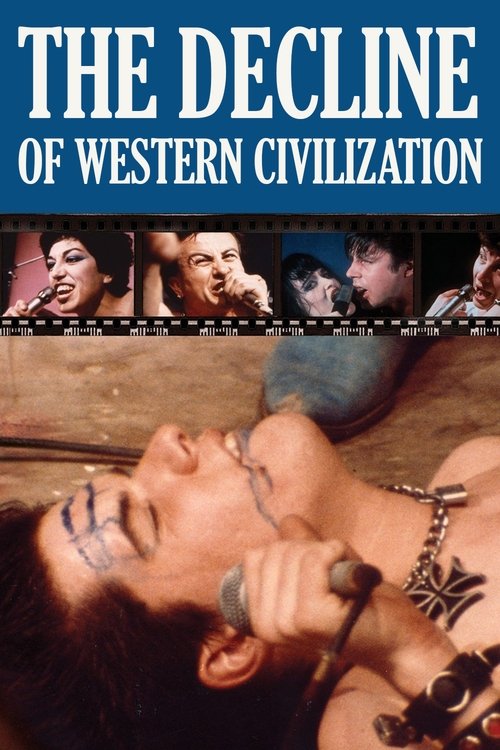
The Decline of Western Civilization1981
Both are documents of how new music divides the country. Rock Around the Clock showed America panicking and embracing rock; this shows what happens when rock becomes closed off enough to create a counterculture. One captures the moment the door opens, one shows what happens when it slams shut again.
Penelope Spheeris' documentary of the Los Angeles punk scene. No narration, no editorial hand—just bands, venues, and kids explaining why the music matters to them. Genuinely captures the fervor and community that makes music movements alive.
But The sound quality is poor, the editing is deliberately chaotic, and the punk philosophy on display includes genuine ugliness. This is not a polished experience.
People
Cast
 Johnny JohnstonSteve Hollis
 Alix TaltonCorinne Talbot
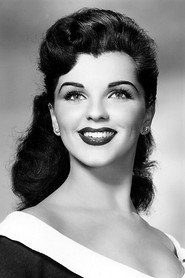 Lisa GayeLisa Johns
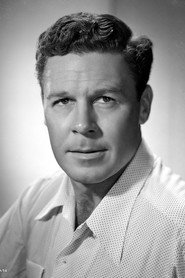 John ArcherMike Dodd
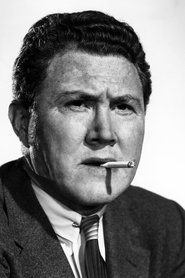 Henry SlateCorny LaSalle
- Earl BartonJimmy Johns
 Bill HaleyHimself
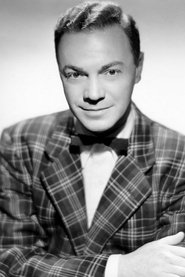 Alan FreedHimself
- Freddie BellHimself
- Tony MartinezHimself
 Harry TylerMotel Manager
- Ernie Freeman ComboHimself
Directing
- Gene Anderson Jr.Assistant Director
- Fred F. SearsDirector
Writing
- James B. GordonScreenplay
- Robert E. KentScreenplay
- James B. GordonStory
- Robert E. KentStory
Production
- Sam KatzmanProducer