
Film
Ten Days' Wonder
A 1971 French mystery where a wealthy man suffering from amnesia recruits his former teacher to unravel the cause. Directed by Claude Chabrol with the paranoia and psychological twists that defined his best work, it's a baroque family drama dressed as a thriller. For viewers who prize atmosphere, unreliable narrators, and the slow accumulation of dread.
If you liked this
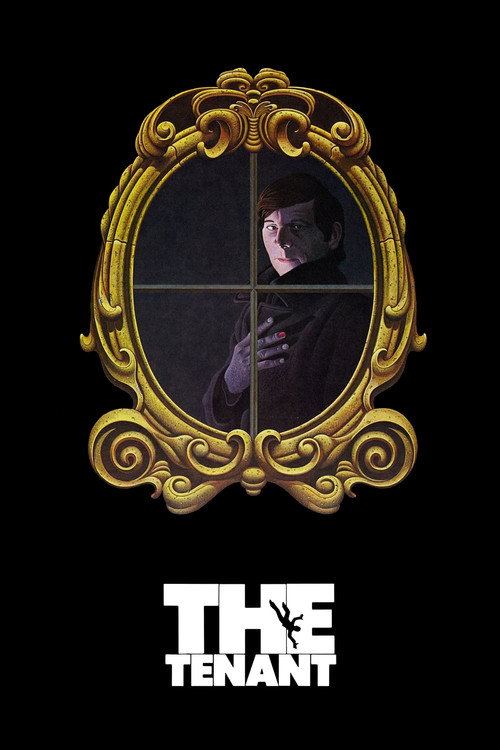
The Tenant1976
Polanski at his most paranoid: a renter in a Parisian apartment slowly absorbs the history of a woman who jumped. The walls close in. Identity dissolves. Perfectly designed psychological horror.
But Deeply unsettling and deliberately claustrophobic. Not for anyone seeking reassurance or clear answers.
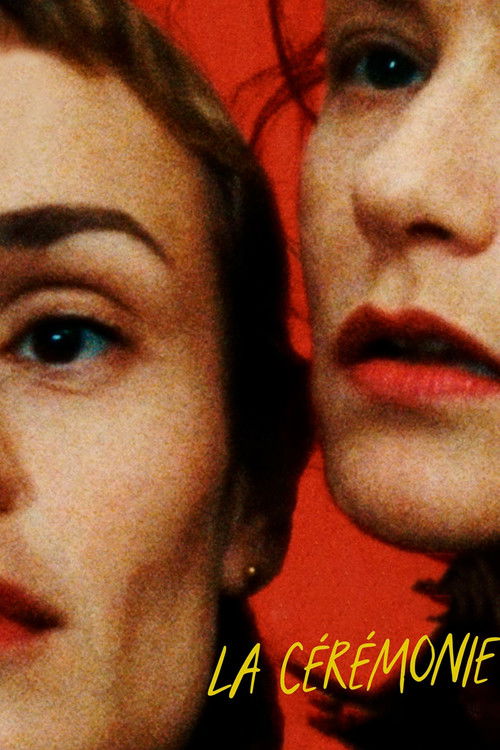
La Cérémonie1995
Chabrol's later masterwork about two working-class women infiltrating a bourgeois household. Class rage and psychological manipulation. Isabelle Huppert at her most unsettling.
But It requires patience with slow-burn antagonism and the ending lands hard. Some find it bleak rather than incisive.
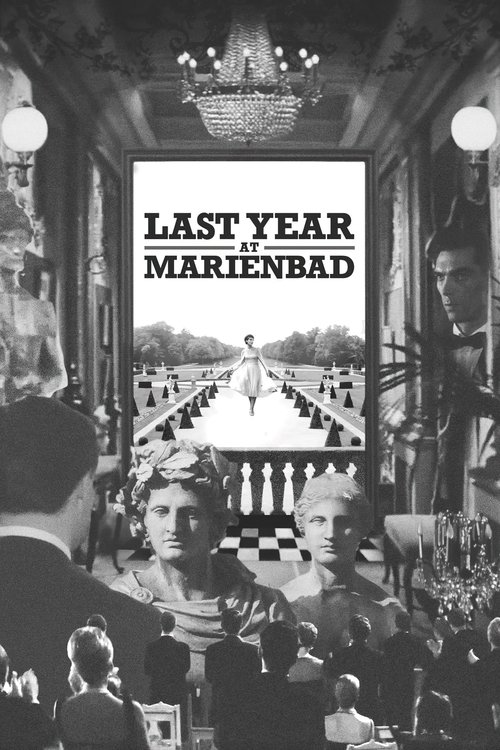
Last Year at Marienbad1961
A man insists he met a woman before, in another place. Or did he? Robbe-Grillet's anti-narrative unfolds in a hotel where time and memory have no fixed address. Hypnotic and maddening.
But Deliberately plotless and designed to frustrate linear thinking. If you want clarity, this will exhaust you.
Not sure tonight? Get a pick in a minute, starting from Ten Days' Wonder
The wildcard
Something you would not have found on your own.
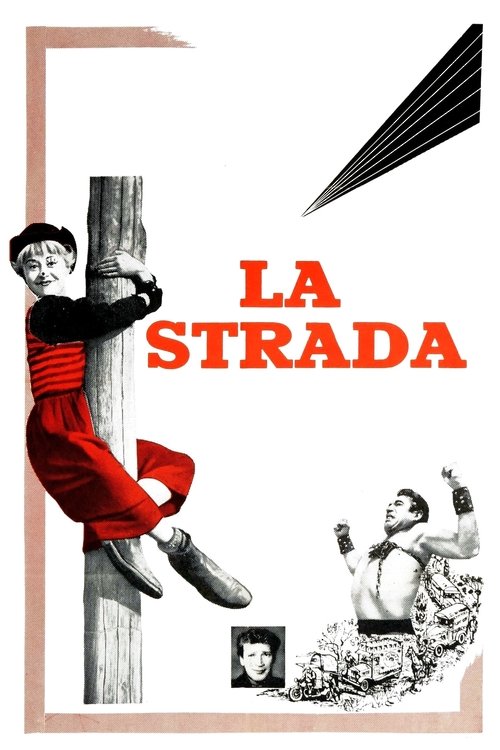
La Strada1954
Both films explore psychological entrapment and hidden family pathology, but Fellini finds poetry in pain where Chabrol finds mechanism. They are inverse approaches to the same darkness.
Fellini's masterpiece: a young woman sold to a traveling strongman who mistreats her, yet whom she loves. A profound meditation on suffering, cruelty, and the bonds we forge despite harm. The emotional raw nerve that Chabrol's intellect approaches from a distance.
But It is bleak and offers no redemption. The mistreatment is real and difficult. Some find the woman's attachment unforgivable rather than tragic.
More like this (6)
The Third Man1949
Vienna after the war, a man investigating his friend's death in a fractured city where no one can be trusted. Carol Reed's supreme thriller about innocence corrupted by complicity. The zither theme alone justifies watching.
But The famous ending, once shocking, is now widely known. The black-and-white photography reads as dated to some viewers.

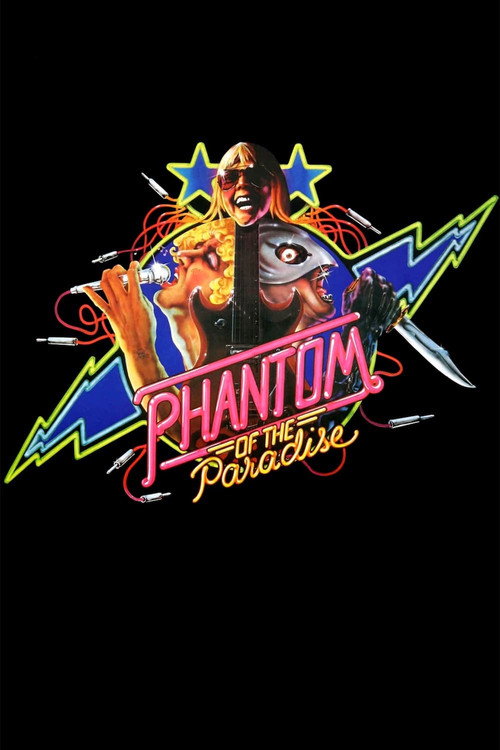
Phantom of the Paradise1974
Brian De Palma's operatic thriller about a composer corrupted by a record mogul. Gothic rock excess meets Faustian bargain. A glorious, theatrical mess about art devoured by commerce.
But The tone is wildly uneven and some scenes teeter toward camp. If you need restraint, you're in the wrong film.
Stalker1979
A man guides two visitors through a forbidden zone toward a room that grants wishes. Tarkovsky's meditation on desire, belief, and the cost of knowing what you want. Slow-cinema at its most transcendent.
But It runs 163 minutes of deliberate pacing. Impatience will feel like drowning. Not a film you watch; a state you enter.

Mulholland Drive2001
Lynch's fever dream of Los Angeles where identity fractures across narrative. A woman wakes with amnesia; a failed actress auditions. Reality rewrites itself. Seductive, cruel, and structurally brilliant.
But The second half abandons conventional plotting entirely. Some viewers feel tricked. Others see genius. You will likely be one or the other.

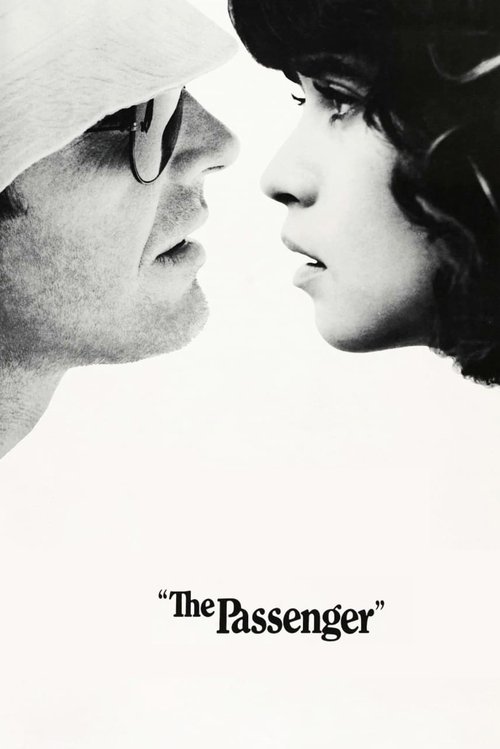
The Passenger1975
Both center on amnesia and mistaken identity as structural devices, but where Chabrol uses them for mystery, Antonioni uses them to ask whether identity itself is real or performance.
A journalist assumes the identity of a dead man he encounters by chance. Michelangelo Antonioni's supreme existential thriller about dissolution of self. The shooting is immaculate; the philosophical weight is crushing.
But Antonioni's detachment makes it emotionally cool. If you want us to care about the protagonist, you will be disappointed.
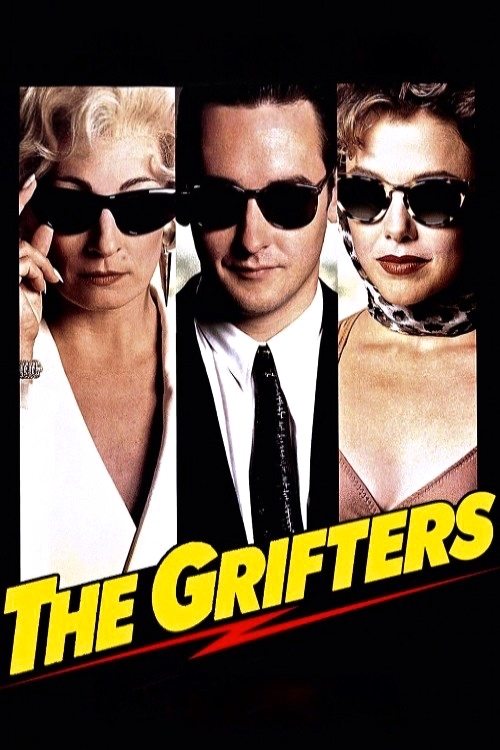
The Grifters1990
Both examine wealthy families where power and deception are passed down like inheritance, and both suggest that some forms of knowledge—knowing too much about others, about desire, about leverage—make happiness impossible.
Con artists—a mother and son and a third player—locked in patterns of betrayal they cannot break. Scorsese as a guest director; Frears as the real architect. A dark comedy about people who destroy everything they touch because they cannot stop moving.
But It is cynical and funny about moral collapse. The pleasure is in watching intelligence deployed for harm. If you need decency, look elsewhere.
People
Cast
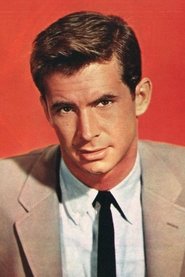 Anthony PerkinsCharles Van Horn
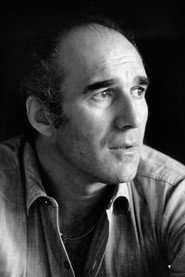 Michel PiccoliPaul Regis
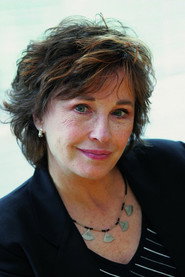 Marlène JobertHélène Van Horn
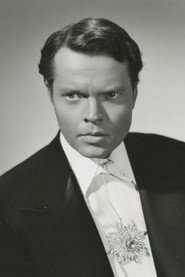 Orson WellesThéo Van Horn
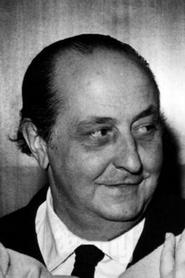 Guido AlbertiLudovic Van Horn
 Ermanno CasanovaOne-Eyed Old Man
- Mathilde CeccarelliReceptionist
- Eric FrisdalCharles enfant
- Aline MantovaniHélène enfant
- Corinne KoeningswarterHélène enfant
 Tsilla CheltonMère Théo
- Giovanni SciutoPrêteur
Directing
- Claude ChabrolDirector
Writing
- Ellery QueenOriginal Story
- Eugene ArcherScreenplay
- Paul GardnerScreenplay
- Frederic DannayWriter
- Manfred LeeWriter
- Paul GégauffWriter
Production
- André GénovèsProducer