
Film
Minuscule: Valley of the Lost Ants
A French animated film that shrinks you into a bug's-eye view of nature, following a ladybug caught between warring ant colonies. It's visual storytelling at its finest—minimal dialogue, maximum wonder. The animation is gorgeous, the action sequences genuinely thrilling, and the whole thing moves with the pace of a adventure film for kids who haven't learned to stop paying attention yet.
Should you watch it?
Watch it if you love nature films where the camera gets down among the grass and treats tiny creatures with the seriousness of a nature documentary, and you enjoy wordless slapstick with a sense of wonder.
Skip it if you need dialogue-driven plots or fast cuts, since much of the storytelling is visual and the pace stays unhurried, with long stretches given over to the insects' small world.
What it asks of you: It asks for patience with a gentle, measured rhythm and close attention to images, because much of the meaning arrives through movement and detail rather than through speech.
Not sure? Find tonight's pick in a minute.
If you liked this
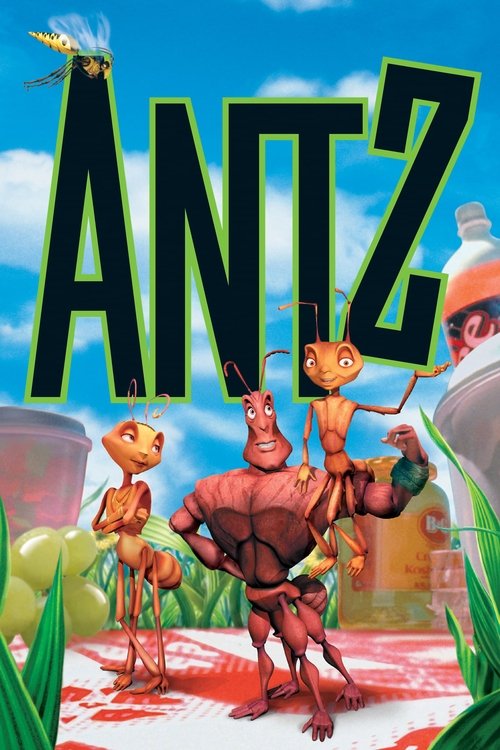
Antz1998
Dreamworks' ant colony epic has similar themes of individual courage against systemic conflict, with fantastic voice work and surprisingly sophisticated humour that works for both kids and adults.
But It's more comedically frantic and relies heavily on jokes that occasionally land awkwardly by modern standards. The Danny Neeson romance subplot drags a little.
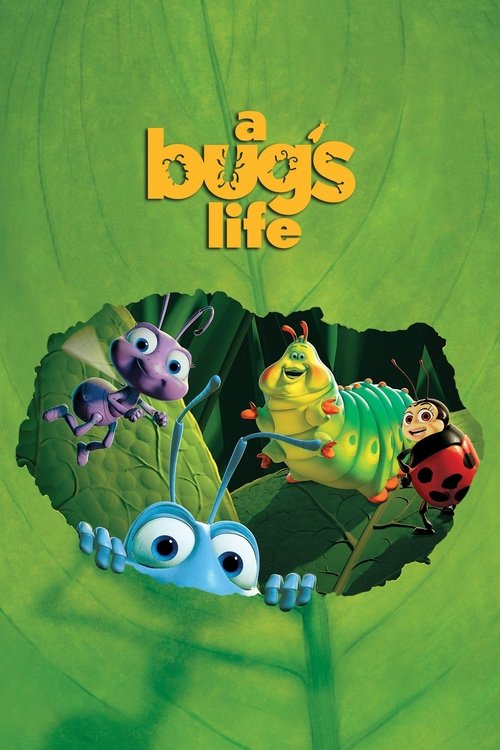
A Bug's Life1998
Pixar's rebellion-against-tyranny story set among insects, with beautiful animation for its era, genuine warmth, and the same sense of a vast world seen from tiny perspective. Kevin Spacey's villain is deliciously menacing.
But It's more conventionally narrative-driven than Minuscule, and some might find it too familiar now. The romance subplot takes up more emotional real estate than some prefer.
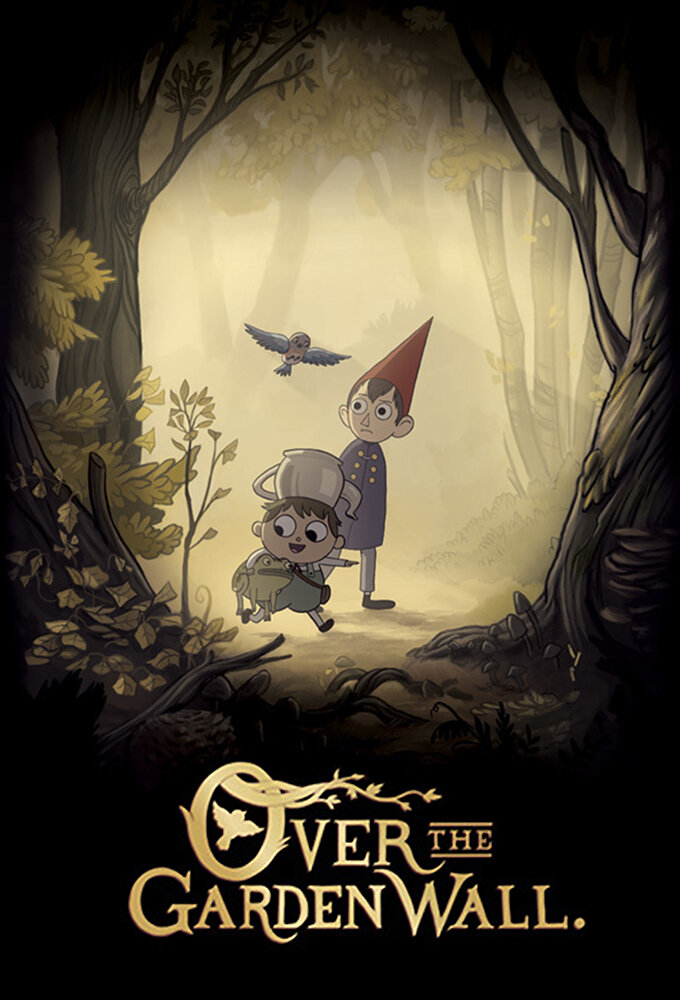
Over the Garden Wall2014
A miniseries with the same enchanted-but-dangerous forest mood, handcrafted animation style, minimal dialogue, and deep respect for its audience's intelligence. Atmospheric, creepy, and beautifully structured across just ten episodes.
But It's darker and more melancholic than Minuscule, with genuine horror elements. Some find the pacing slow and the ending ambiguous in a way that frustrates rather than satisfies.
Not sure tonight? Get a pick in a minute, starting from Minuscule: Valley of the Lost Ants
The wildcard
Something you would not have found on your own.
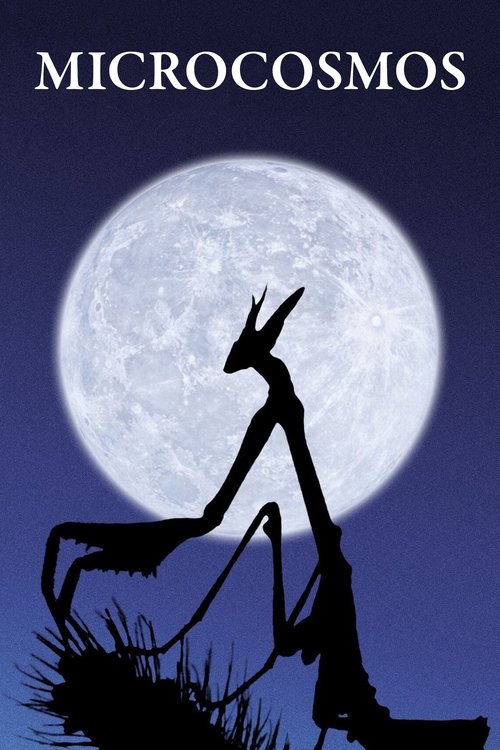
Microcosmos1996
Both films make the insect world feel genuinely vast and consequential through pure visual storytelling, with minimal dialogue and a sense that you're witnessing something real and important happening at ground level.
A live-action documentary shot with macro photography that does exactly what Minuscule does—it makes insects the stars of an epic adventure. No narration, just pure observation and cinematography that turns a meadow into Mordor. It's proof the wonder is real.
But It's non-fiction, which means no conventional narrative arc or character development. Some viewers find the lack of story frustrating, and insect close-ups genuinely disturb certain people.
More like this (7)
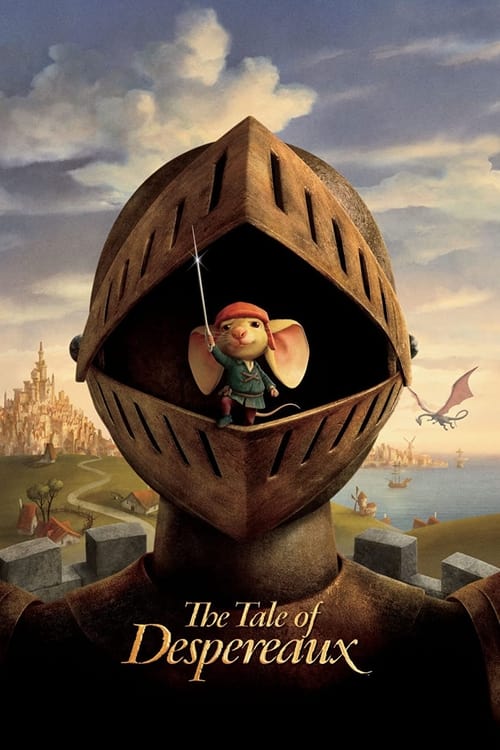
The Tale of Despereaux2008
Hand-drawn and 3D animation combined into something that feels storybook-real. It's about a small creature against overwhelming odds, with a gentle but earnest moral core and absolutely stunning visual design.
But The voice cast occasionally overshadows the story, and the plot is more traditionally structured. Some viewers find it saccharine where Minuscule would be matter-of-fact.
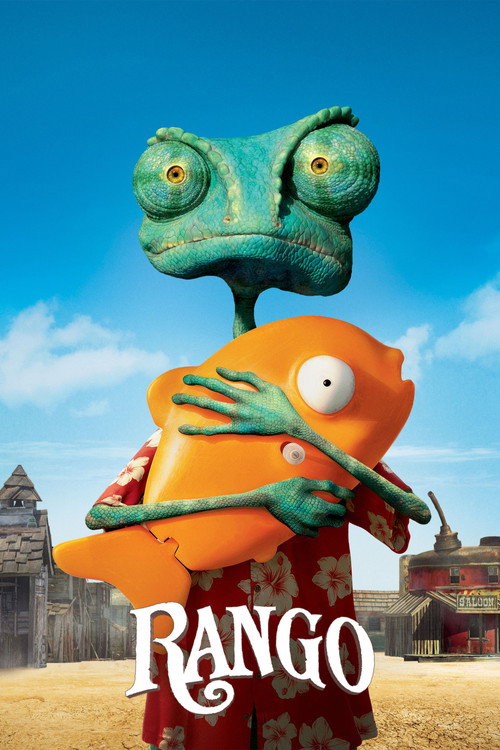
Rango2011
An animated western with painterly backgrounds and genuine originality. It treats its animal characters as a full ecosystem with real stakes, and the action sequences have real tension and wit woven through them.
But The plot can feel scattered and the humour leans harder into absurdism than many family films. It's visually dense in a way that can be exhausting for younger viewers.
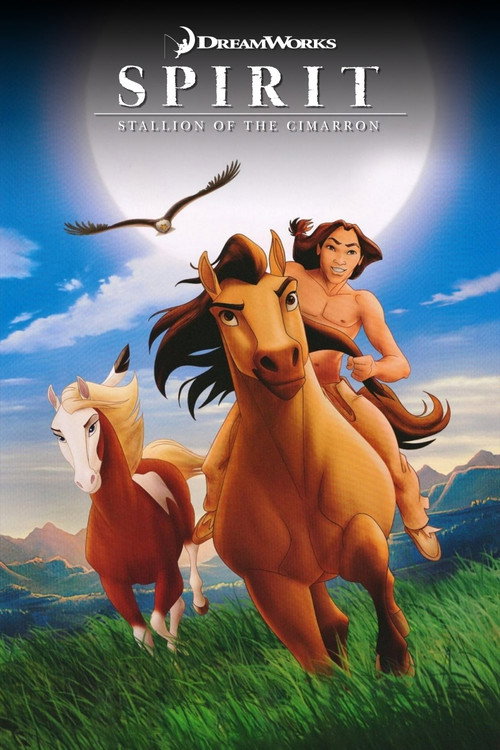
Spirit: Stallion of the Cimarron2002
Dreamworks' most visually ambitious film from that era, with vast landscapes and a story told largely without dialogue. It captures that same sense of nature as a character, and the score is genuinely moving.
But The animation style is distinctive but dated. Pacing meanders in places, and the environmental message can feel heavy-handed compared to Minuscule's lightness.
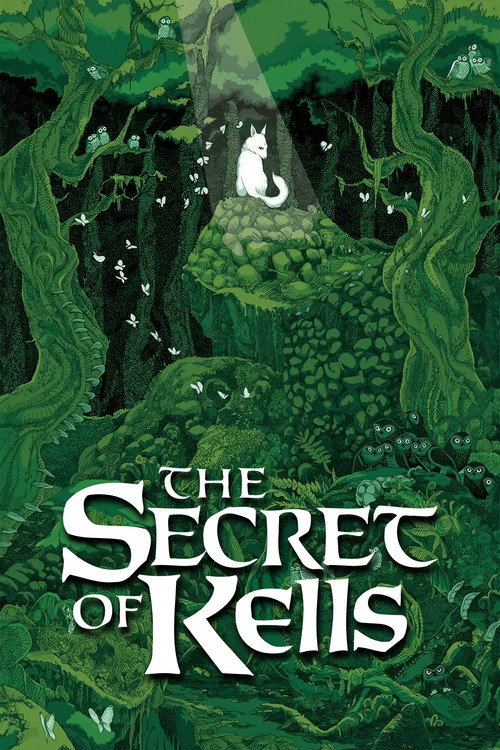
The Secret of Kells2009
Irish animation with a completely distinctive visual style, hand-drawn and strikingly beautiful. It builds a world through design and atmosphere, with the same respect for intelligent silence that makes Minuscule work.
But It's more of a fairy tale than an action film, and the pacing is deliberately slow. Some find the plot secondary to the visual experience, which isn't for everyone.
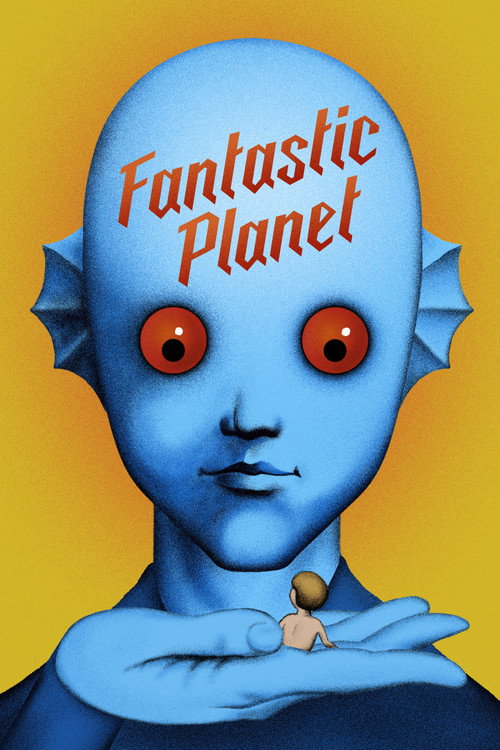
Fantastic Planet1973
A surreal animated feature about small creatures surviving on a hostile alien world. Its stop-motion style is hypnotic, the worldbuilding is utterly original, and it proves animation can be genuinely strange and profound.
But The narrative is episodic and philosophically dense. It's sometimes static, and the 1970s aesthetic will feel dated and slow to viewers raised on modern pacing.
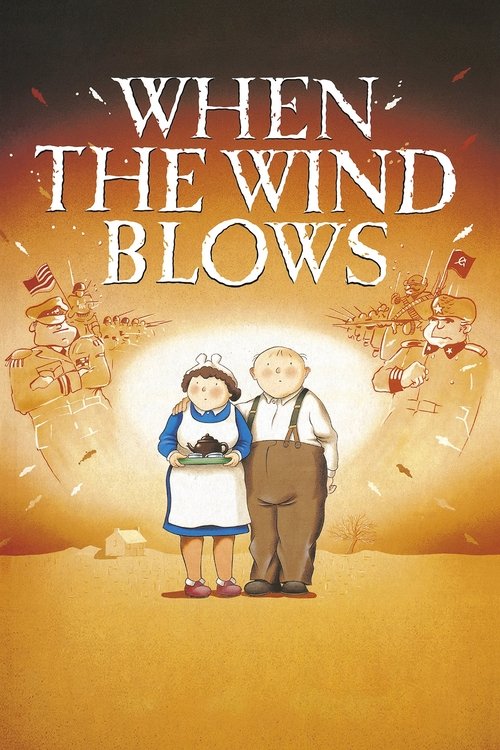
When the Wind Blows1986
Both use animation's visual beauty to tell stories about survival and small creatures facing overwhelming systemic threats, but one finds hope and one finds tragedy in the same struggle.
British animated film about an elderly couple preparing for nuclear war. It shares Minuscule's gorgeous hand-drawn style and serious tone hidden in a format audiences expect to be gentle. The contrast between visual beauty and existential dread is devastating and unforgettable.
But It's profoundly sad in a way that can wreck you. The pacing is slow and reflective rather than adventurous. Absolutely not a palette-cleanser or comfort watch.
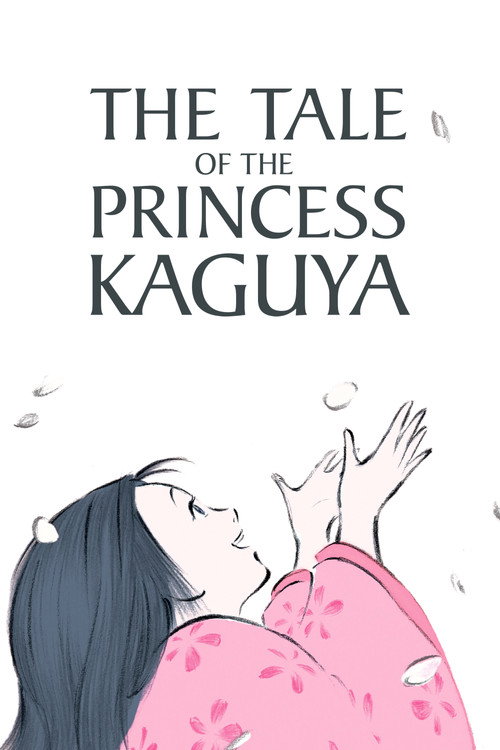
The Tale of The Princess Kaguya2013
Both are non-English animation that prioritizes visual language over dialogue, finding drama and beauty in observation of nature and small creatures, but Kaguya applies that technique to intimate human emotion rather than action and adventure.
Studio Ghibli's most radically hand-drawn film, with a storybook aesthetic that's almost watercolour. It's about tiny moments of wonder in nature and the cost of living in a vast world. The animation technique is so distinctive it feels like watching a folktale come alive.
But It's narratively experimental and emotionally devastating rather than adventurous. The pacing is glacial, and the ending is heartbreaking in a way that contradicts typical animation expectations. It's a film for adults, not children.
People
Cast
- Sarah Cohen-HadriaThe Future Mom
- Jean-Paul GuyonThe Future Dad
Directing
- Nathalie Cohen-HadriaAssistant Director
- Hélène GiraudDirector
- Thomas SzaboDirector
- Alexandra AlegriaLayout
- Hélène GiraudLayout
- Michael DesnoyellesLayout
- Nicolas FaucheuxLayout
- Thomas SzaboLayout
- Florence LecuyerScript Supervisor
- Susie WilsonScript Supervisor
- Jacques-Emmanuel AstorSecond Assistant Director
Writing
- Hélène GiraudWriter
- Thomas SzaboWriter
Production
- Diana ElbaumCo-Producer
- Franck DuchêneCo-Producer
- Malika BrahmiCo-Producer
- Sébastien DelloyeCo-Producer
- Tristan SaloméCo-Producer
- Philippe DelarueExecutive Producer
- Fabrice VerrierFinance
- Nadine MeyerFinance
- Florent MounierLine Producer
- Gallien Chanalet-QuercyLine Producer
- Gladys MorchoisneLine Producer
- Julie RebaudoLocation Manager
- Maude KerichardLocation Manager
- Philippe DelarueProducer
- Nataly AlbertiProduction Accountant
- Claire CouletProduction Coordinator
- Cyril NouailleProduction Manager
- Jean-Paul GuyonProduction Manager
- Olivier BizetProduction Manager
- Pierre-Marie FenechProduction Manager
- Thomas JaubertProduction Manager