
Film
2012
- Science fiction
- Thriller
- Disaster
- Relentless
Roland Emmerich's 2012 is disaster cinema at maximum spectacle: two and a half hours of the world ending in every conceivable way while John Cusack drives, flies, and outruns apocalypse. It's ridiculous, it knows it, and it commits totally. For anyone who wants to feel the planet shake without thinking too hard.
Should you watch it?
Watch it if you get a kick from pure spectacle, where whole cities fall apart on screen and the sheer scale of destruction is the point more than the characters.
Skip it if the human story is thin and the dialogue often clunky, so if you need characters to carry the drama, the long stretches between set pieces may feel hollow.
What it asks of you: It runs close to two and a half hours and rarely pauses for breath, so settle in expecting loud, relentless escalation rather than quiet reflection.
Not sure? Find tonight's pick in a minute.
If you liked this
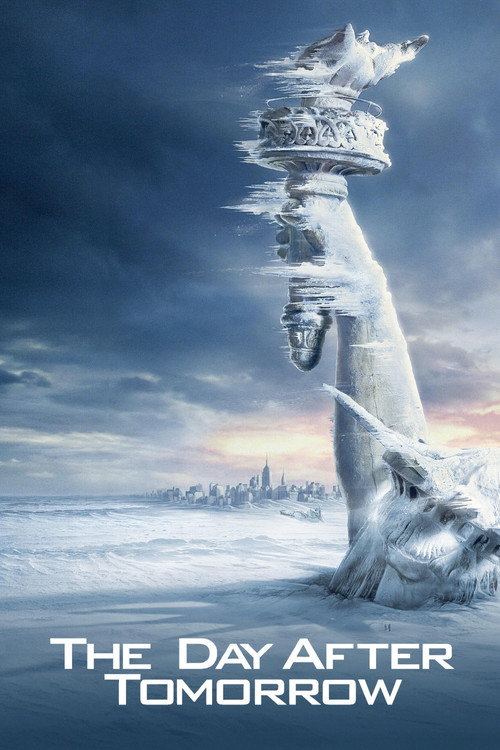
The Day After Tomorrow2004
Emmerich's earlier climate catastrophe thriller with the same DNA: spectacular destruction, a father racing to save his son, and a willingness to level entire cities for your entertainment. Dennis Quaid at his most earnest.
But The pacing is slack in the middle, and the science is even more laughable than 2012. It also commits harder to grimness than spectacle.
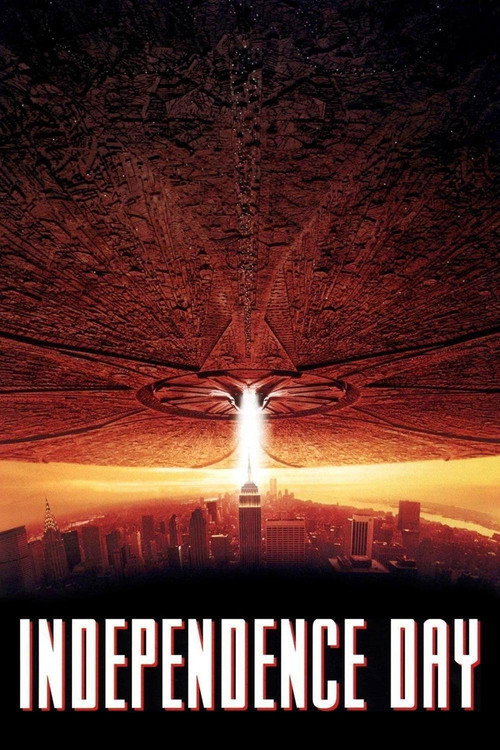
Independence Day1996
Emmerich's blueprint for this exact formula: massive-scale threat, ensemble cast, world governments failing in real time, ordinary people doing extraordinary things. It has actual charm and stakes underneath the destruction.
But It's almost 30 years old and shows it. The aliens are goofy in ways that undercut the drama rather than enhance it.
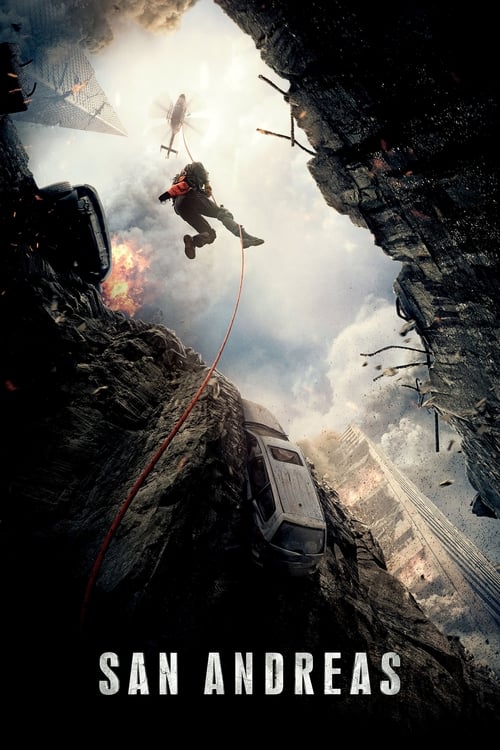
San Andreas2015
Dwayne Johnson in a disaster film laser-focused on earthquake destruction. Simpler than 2012 but tighter; it knows exactly what it is and executes without apology. Visceral set pieces and genuine family stakes.
But The plot is thinner than tissue paper, and the character work is purely functional. You're there for falling buildings, not storytelling.
Not sure tonight? Get a pick in a minute, starting from 2012
The wildcard
Something you would not have found on your own.
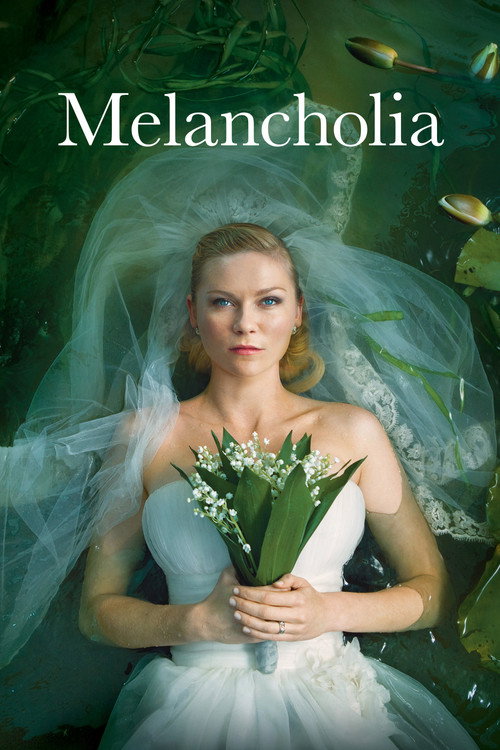
Melancholia2011
Both depict planetary extinction events, but 2012 asks 'can we survive this?' while Melancholia asks 'should we want to?' One is about escape; the other about acceptance.
Lars von Trier's anti-2012: a planet is definitely going to collide with Earth and end all life, but the film is interested in depression and acceptance, not escape. Kirsten Dunst gives one of cinema's great performances about the death of hope. Visually stunning in a way that's almost meditative.
But It's slow, bleak, and philosophically despairing. There are no heroes, no solutions, and no triumph. If you want action and survival, this will feel like punishment.
More like this (7)
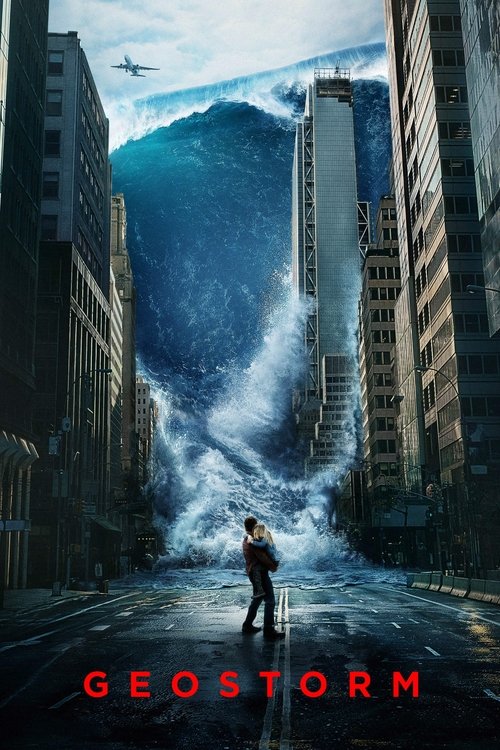
Geostorm2017
If you loved 2012's premise of scientists warning the world and politicians ignoring them, this leans harder into the conspiracy angle with space stations and climate warfare. Gerard Butler doing his best to sell absurdity.
But It's notably worse: choppy editing, convoluted plot, and the destruction never matches Emmerich's scale or clarity. A pale imitation.
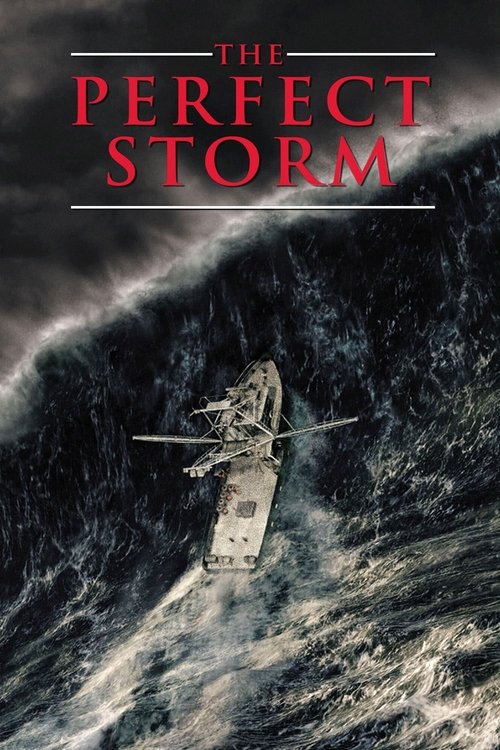
The Perfect Storm2000
An ensemble disaster film about ordinary people caught in nature's fury, with genuinely impressive effects for its era. George Clooney, Mark Wahlberg, and tangible tension despite knowing how it ends.
But The character arcs feel generic, and the film treats its deaths as spectacle rather than tragedy. It's more about the effects than the humans.
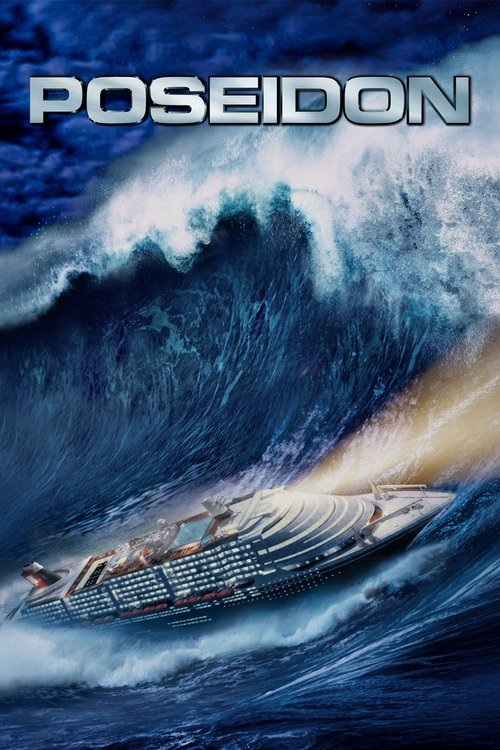
Poseidon2006
A disaster film that inverts the usual formula: survivors trapped *inside* a capsized ocean liner rather than fleeing outward. Kurt Russell leading a group through hell with clear stakes and actual escalation.
But It's relentlessly grim without relief, and the confined setting means less visual variety than you might want. Some stretches feel repetitive.
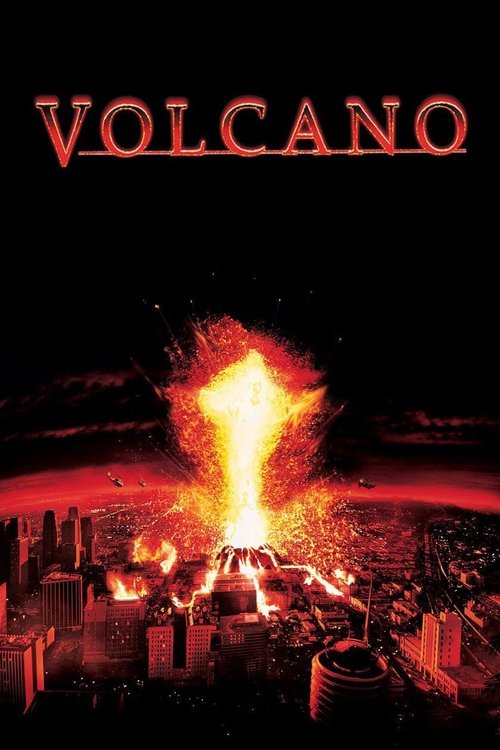
Volcano1997
A wonderfully earnest '90s disaster film about a volcano threatening Los Angeles. Tommy Lee Jones as the geologist trying to be heard; it's got charm, modest ambition, and genuine practical effects work.
But It's small-scale compared to what you might expect, and the solution is almost comically simple. The romance subplot is thin.
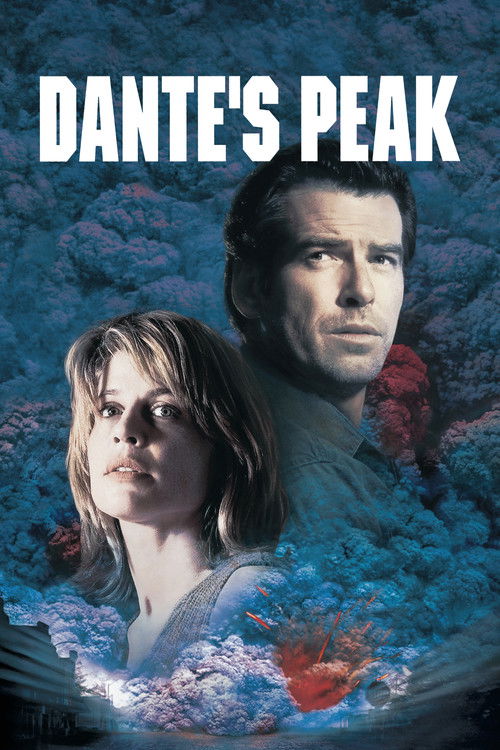
Dante's Peak1997
Pierce Brosnan as a volcanologist racing to save the woman he loves from a mountain that's actively trying to kill everyone. It's earnest, moderately tense, and committed to its own absurdity without winking.
But The romance is cornball, the villain is vague, and it's at least 20 minutes too long. The action beats are scattered rather than building.
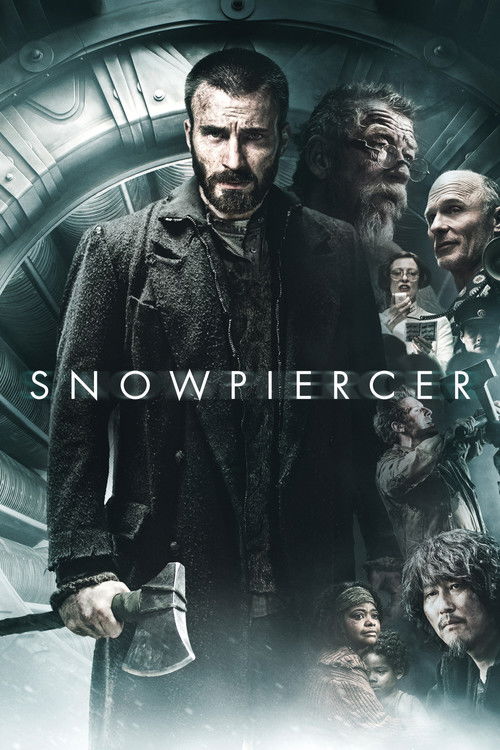
Snowpiercer2013
Both follow characters trying to save families in a dying world, but Snowpiercer treats the apocalypse as a launching pad for social collapse and moral questions, where 2012 uses it for spectacle.
Bong Joon-ho's class-warfare thriller set on a train after climate catastrophe has frozen the world. It's kinetic, politically sharp, and visually inventive in ways Emmerich never attempts. Toni Collette, Chris Evans, Song Kang-ho in a film that uses disaster as the *premise*, not the spectacle.
But It's violent and claustrophobic, and the allegory can feel heavy-handed. The logic of the world doesn't withstand scrutiny. It's about ideas more than thrills.
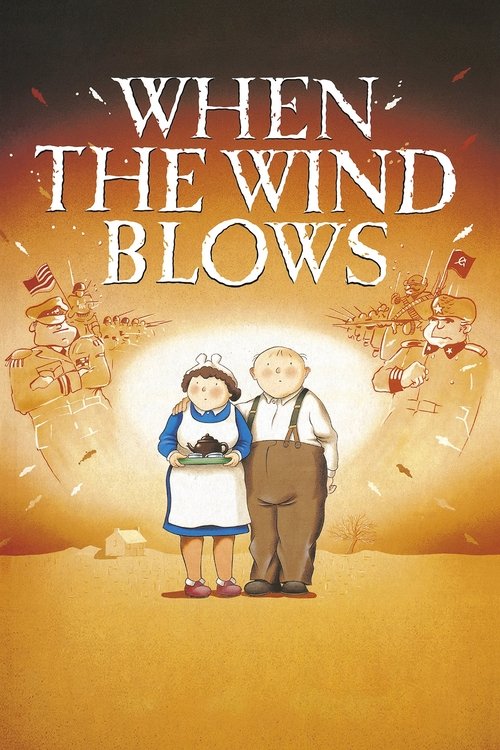
When the Wind Blows1986
Where 2012 shows the world ending through spectacle and escape, When the Wind Blows shows it through the intimate failure of two people to survive. Same apocalypse, opposite register—one about scale, one about love and futility.
A British animated film about an elderly couple preparing for nuclear war based on a government pamphlet. It's heartbreaking, funny, and quietly devastating—a film about the end of the world that matters because we care about two people. Raymond Briggs adapted his own comic strip.
But It's animated, which might suggest lightness—it's the opposite. It's devastating in a way that lingers. Some may find it too sad to enjoy.
People
Cast
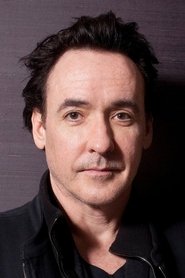 John CusackJackson Curtis
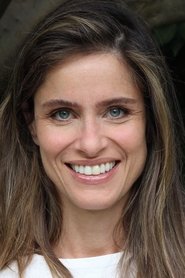 Amanda PeetKate Curtis
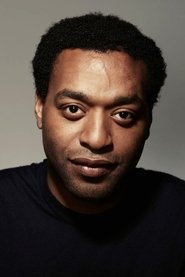 Chiwetel EjioforAdrian Helmsley
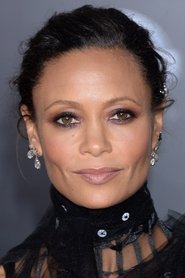 Thandiwe NewtonLaura Wilson
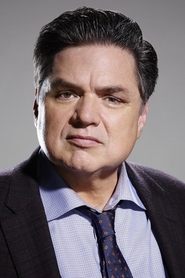 Oliver PlattCarl Anheuser
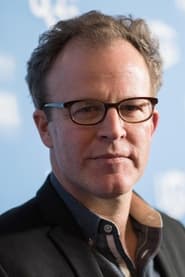 Tom McCarthyGordon Silberman
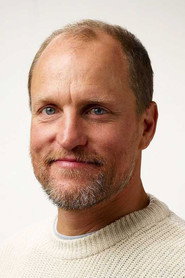 Woody HarrelsonCharlie Frost
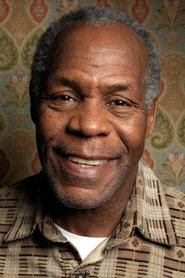 Danny GloverPresident Thomas Wilson
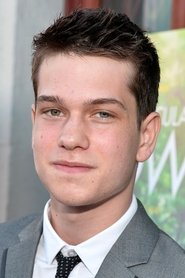 Liam JamesNoah Curtis
 Morgan LilyLilly Curtis
 Zlatko BurićYuri Karpov
 Beatrice RosenTamara
Directing
- Shaun MoskieAssistant Director Trainee
- Roland EmmerichDirector
- Andrew M. RobinsonFirst Assistant Director
- James BitontiFirst Assistant Director
- Ken ShaneFirst Assistant Director
- Tommy GormleyFirst Assistant Director
- Kimi WebberScript Supervisor
- Maileen Williams MathenySecond Second Assistant Director
Writing
- Harald KloserWriter
- Roland EmmerichWriter
Production
- April WebsterCasting
- Judy LeeCasting
- Susan Taylor BrouseCasting
- Gina GarciaCasting Assistant
- Graham WickstromCasting Assistant
- Scott DavidCasting Associate
- Alena GaretovskayaCasting Director
- Aaron BoydCo-Producer
- Marc WeigertCo-Producer
- Volker EngelCo-Producer
- Michael WimerExecutive Producer
- Roland EmmerichExecutive Producer
- Ute EmmerichExecutive Producer
- Andrea BrownExtras Casting
- Bill DanceExtras Casting
- Sara BrownExtras Casting Assistant
- Shaun BalbarExtras Casting Assistant
- Ann GoobieLocation Manager
- Hans DayalLocation Manager
- William DoyleLocation Manager
- Harald KloserProducer
- Larry FrancoProducer
- Mark GordonProducer
Recommended by
Independence Day, Armageddon, Deep Impact, San Andreas, The Wandering Earth, The Day After Tomorrow, Fukushima 50, Geostorm, 10.5, Moonfall, Into the Storm, Asteroid, The Wave, Flood, Ashfall, Krakatoa: The Last Days