
Film
Volcano
- Disaster
- Action thriller
- Science fiction
- Relentless
A 1997 disaster film where Tommy Lee Jones and Anne Heche race to stop an active volcano from destroying Los Angeles. It's earnest, propulsive, and revels in spectacular destruction—exactly the kind of big-budget spectacle built for watching people solve impossible problems in real time. For anyone who loves the craftsmanship of '90s disaster cinema and doesn't need their apocalypse subtle.
Should you watch it?
Watch it if you enjoy big, gleefully over-the-top disaster spectacle where a city's bureaucrats and specialists race to fix an impossible problem with improvised, pulp-cheerful plans.
Skip it if you want plausible science or sharp characters; the script leans on clichés and mostly plays its emergency as a loud, busy procession of set pieces.
What it asks of you: A brisk hour and forty minutes, with no quiet stretches to sink into; it moves crisis to crisis and rarely pauses to breathe.
Not sure? Find tonight's pick in a minute.
If you liked this
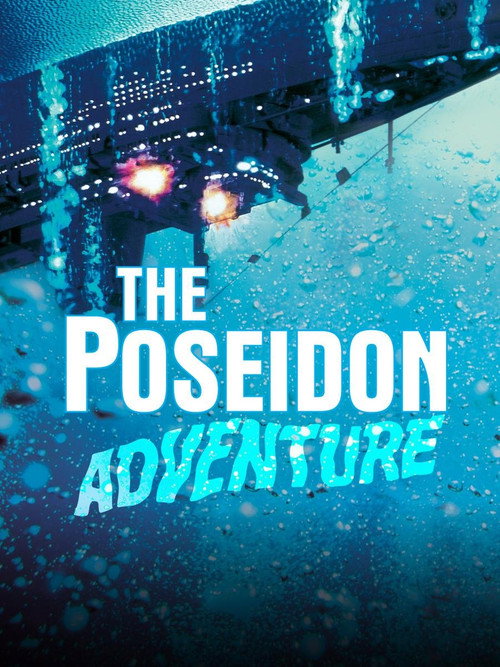
The Poseidon Adventure1972
The template that made disaster films work: ordinary people trapped in a collapsing structure, forced to navigate through the wreckage. Spectacular yet intimate, with genuine stakes and a cast you actually care about.
But The pacing is patient in a way modern blockbusters aren't. It takes its time establishing who these people are before the ship turns over.
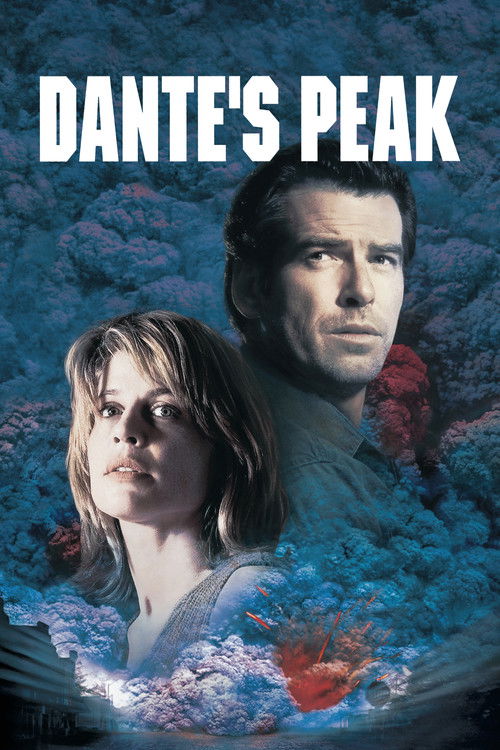
Dante's Peak1997
The other volcano film from that same year, with Pierce Brosnan and Linda Hamilton solving a volcanic crisis. Lean, focused, and surprisingly effective at making geological threat feel personal and immediate.
But It's not reinventing the wheel. If you've seen one disaster race-against-time thriller, you've seen the basic moves here.
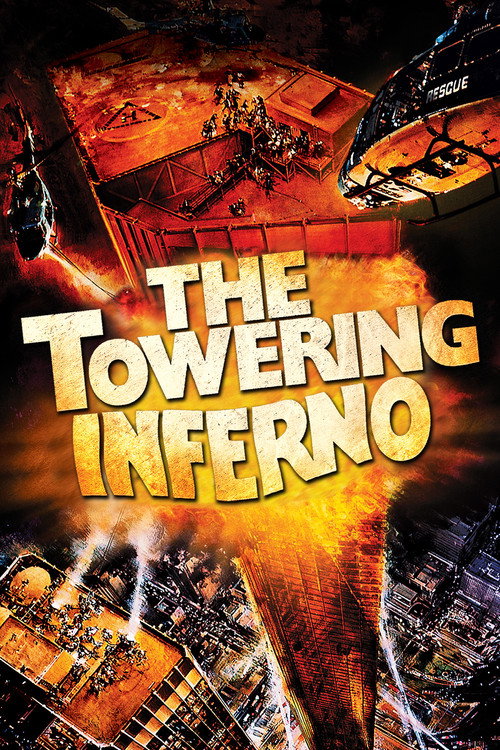
The Towering Inferno1974
The gold standard of '70s disaster spectacle: a burning skyscraper, an all-star cast, and a relentless focus on the practical problem-solving. Beautifully composed action sequences and genuine tension about whether people will make it out.
But Nearly three hours long, and it doesn't skip the slow parts. The romance subplot drags occasionally.
Not sure tonight? Get a pick in a minute, starting from Volcano
The wildcard
Something you would not have found on your own.
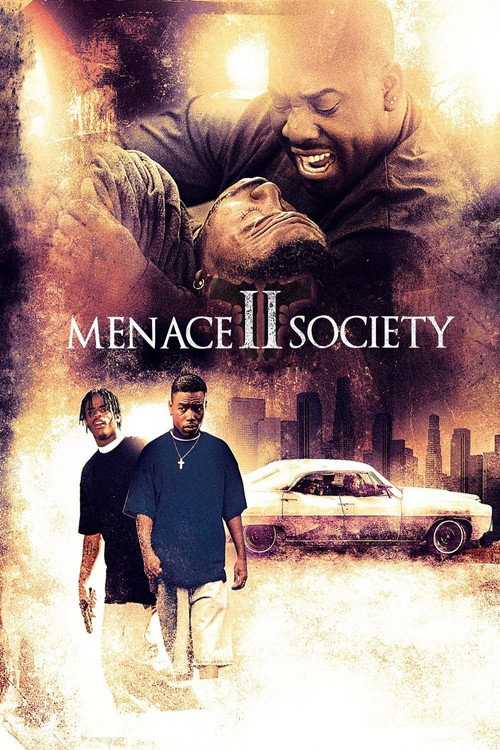
Menace II Society1993
Both films treat Los Angeles as a character, and both examine how a city responds when its systems fail. One uses literal volcanic destruction; the other uses social collapse.
A portrait of disaster that unfolds through human choice rather than natural catastrophe. Two brothers navigate the violence and despair of South Central LA with the same sense of inevitability and structural inevitability as Volcano's lava. It's about what destroys a city from within.
But It's brutal and uncompromising. The film doesn't soften its vision of systemic violence or offer easy redemption. Watching it requires emotional endurance.
More like this (8)
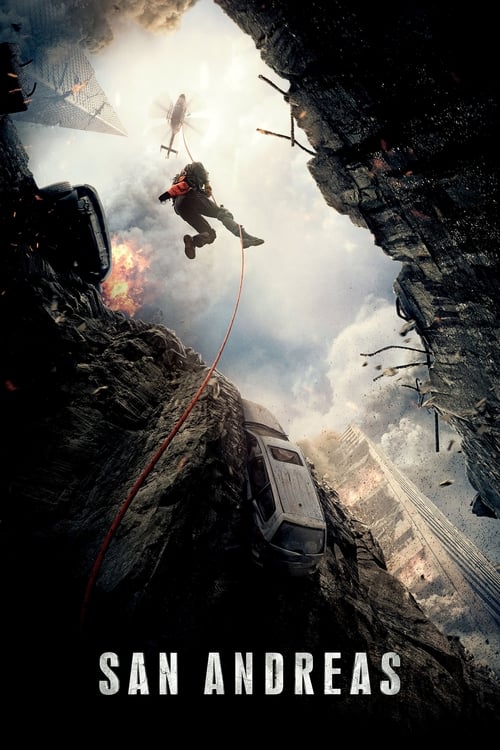
San Andreas2015
A modern earthquake disaster film with better visual effects and Dwayne Johnson as a search-and-rescue helicopter pilot. Fast-paced, genuinely exciting set pieces, and surprisingly committed to the emotional core of loss and survival.
But The characterization is thin. It exists to show you buildings crumbling and people running; plot and personality are secondary.
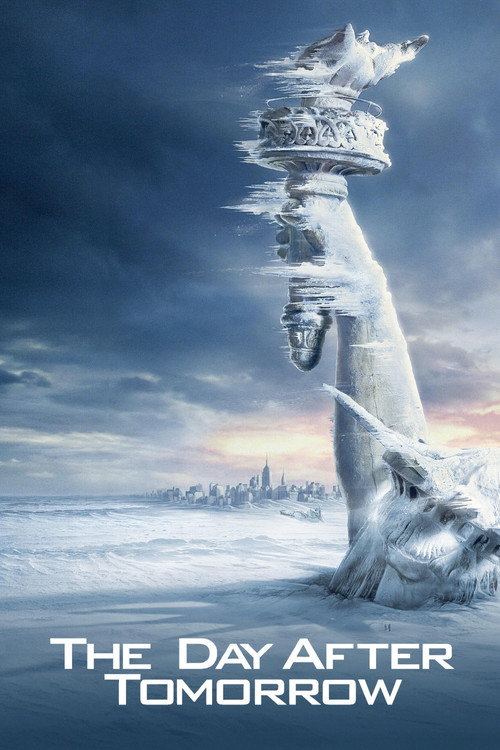
The Day After Tomorrow2004
Disaster cinema as pure spectacle: climate catastrophe unfolds in New York while Dennis Quaid races against time to save his son. Ludicrous but gorgeously shot and paced to never let you catch your breath.
But The science is laughable, and it knows it. If accuracy matters to you, this will drive you up the wall.
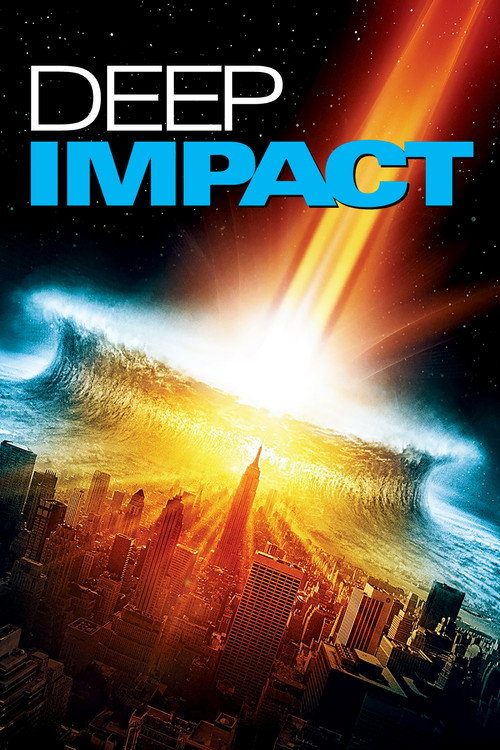
Deep Impact1998
A comet threatens Earth, and the film cuts between politicians, scientists, a astronaut team, and ordinary families. Ensemble disaster storytelling with heart; it cares about whether these people survive.
But It's juggling too many plot threads. Some characters disappear for long stretches, and the tonal shifts can feel jarring.
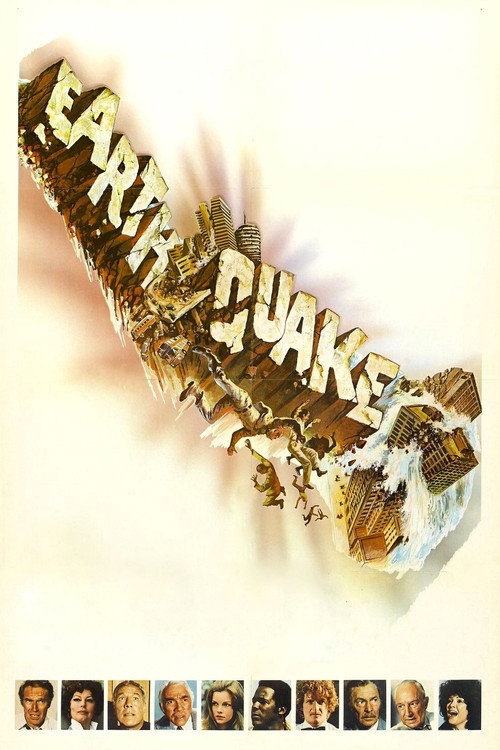
Earthquake1974
The granddaddy of disaster films: Los Angeles shaken to its foundations, cutting between victims and survivors. Sensational in the best sense—it's trashy spectacle elevated by craft and Charlton Heston's earnestness.
But The gender politics are atrocious even by 1974 standards. Several of the female characters exist mainly to be rescued or punished.
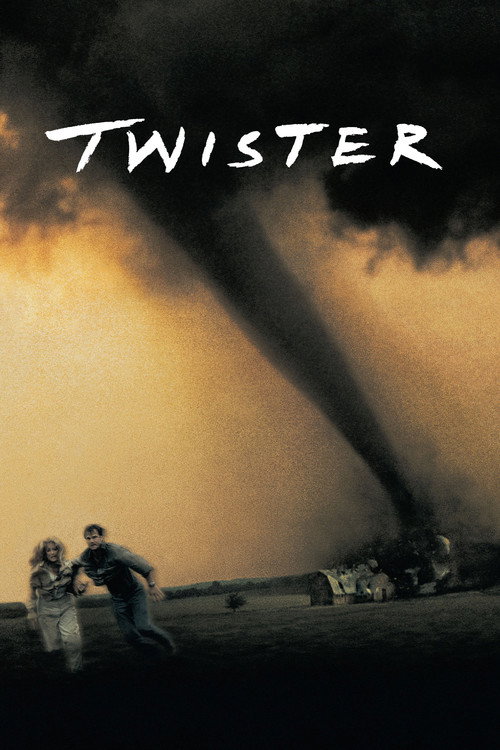
Twister1996
A year before Volcano, this film perfected the disaster-chase structure: storm chasers pursuing a tornado, each set piece raising the stakes. Fun, kinetic, and full of practical effects that still hold up beautifully.
But It's essentially a series of action sequences held together by a very thin plot. Character development takes a distant back seat to spectacle.
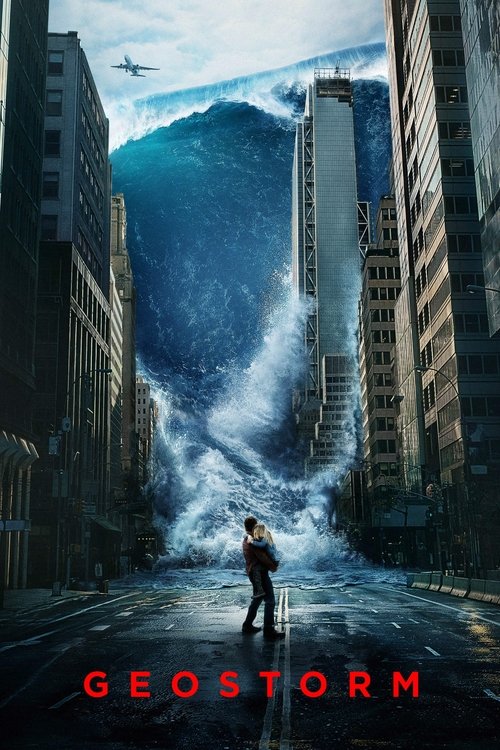
Geostorm2017
A weather-control satellite malfunctions and causes global disaster. It's a mess, but it's an ambitious mess with real scale and some genuinely inventive destruction sequences. Cheesy fun without a cynical bone in its body.
But The script is muddled, the plot logic frequently doesn't hold, and it drags badly in the second act. It's trying to do too much and failing at most of it.
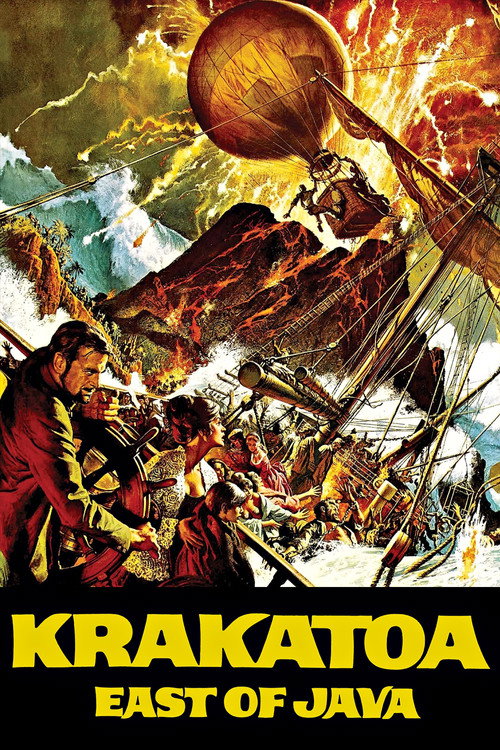
Krakatoa, East of Java1969
A direct predecessor to Volcano's specific subgenre: the race-against-eruption film. This one did it first, in vast CinemaScope scope, establishing the template that 1997 would refine.
A 1960s disaster epic shot in Cinerama with jaw-dropping practical effects and an international cast racing to escape an erupting volcano. It prioritizes spectacle and adventure; the plot is secondary to the experience of catastrophe in maximum format.
But It's very long and quite slow by modern standards. The dialogue is functional, and the character moments exist mainly to connect action sequences.
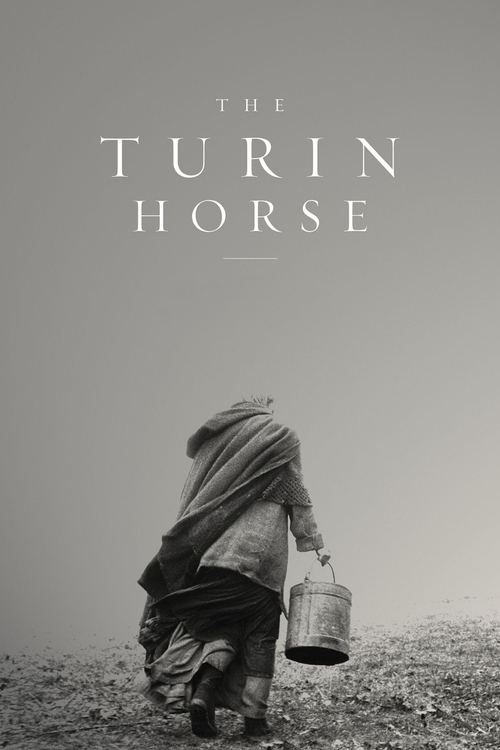
The Turin Horse2011
Where Volcano shows catastrophe as something to be fought with technology and will, Turin Horse shows it as something inexorable and already lost. Both films are about what happens to a world when systems fail, but one fights and one surrenders.
Béla Tarr's apocalyptic miniature: a bleak, beautiful slow-motion collapse of the world itself, shot in black and white. One man and his daughter live through the end of things. It's meditative, terrifying, and hypnotic in a way mainstream cinema rarely attempts.
But There is almost no plot. It's 155 minutes of entropy and decay. If you need narrative momentum or dialogue, you will find this unbearable. It moves like a dirge.
People
Cast
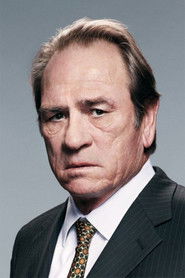 Tommy Lee JonesMike Roark
 Anne HecheDr. Amy Barnes
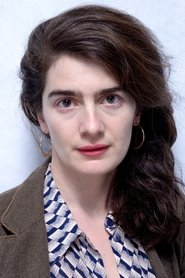 Gaby HoffmannKelly Roark
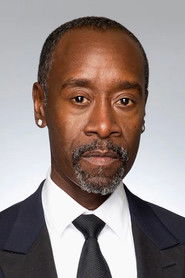 Don CheadleEmmit Reese
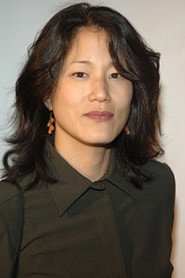 Jacqueline KimDr. Jaye Calder
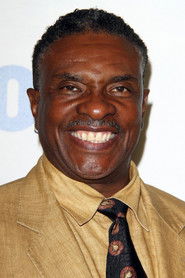 Keith DavidLt. Ed Fox
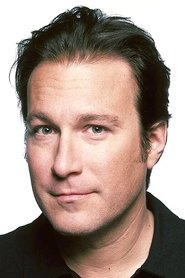 John CorbettNorman Calder
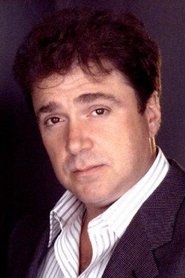 Michael RispoliGator Harris
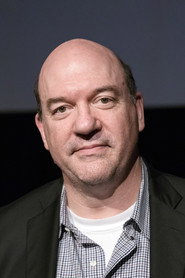 John Carroll LynchStan Olber
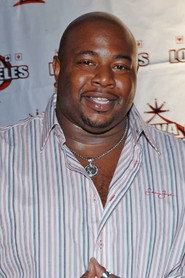 Marcello ThedfordKevin
- Laurie LathemRachel
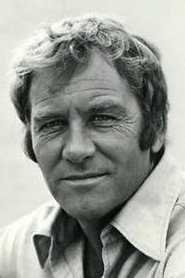 Bert KramerL.A. Fire Chief
Directing
- Mick JacksonDirector
- Michele Panelli-VenetisFirst Assistant Director
- Karen GoldenScript Supervisor
- Chitra F. MojtabaiSecond Assistant Director
- Mic RodgersSecond Unit Director
Writing
- Billy RayScreenplay
- Jerome ArmstrongScreenplay
- Jerome ArmstrongStory
Production
- Scott StuberAssociate Producer
- Dianne CrittendenCasting
- Michael FottrellCo-Producer
- Stokely ChaffinCo-Producer
- Lauren Shuler DonnerExecutive Producer
- Andrew Z. DavisProducer
- Neal H. MoritzProducer
- Michael FottrellUnit Production Manager