
Film
Asteroid
A 1997 disaster film where an asteroid heads straight for Dallas and America's best efforts to stop it fail spectacularly. It's a sprawling ensemble piece that cuts between doomed civilians, frantic officials, and scientists watching their worst predictions come true. Earnest, apocalyptic, and deeply invested in how ordinary people face extraordinary catastrophe.
Should you watch it?
Watch it if you have a soft spot for 90s TV-movie disaster films, where the fun lies in juggling a sprawling cast of ordinary people while the sky looms and the effects are gloriously of their time.
Skip it if you want tight suspense or real scientific grit; this is melodrama with a sprawling, talky pace, and its sincerity can tip into earnest clumsiness.
What it asks of you: Settle in for two hours, with long stretches of waiting between bursts of disaster; patience matters more than thrills, and the mood stays sober rather than wry.
Not sure? Find tonight's pick in a minute.
If you liked this
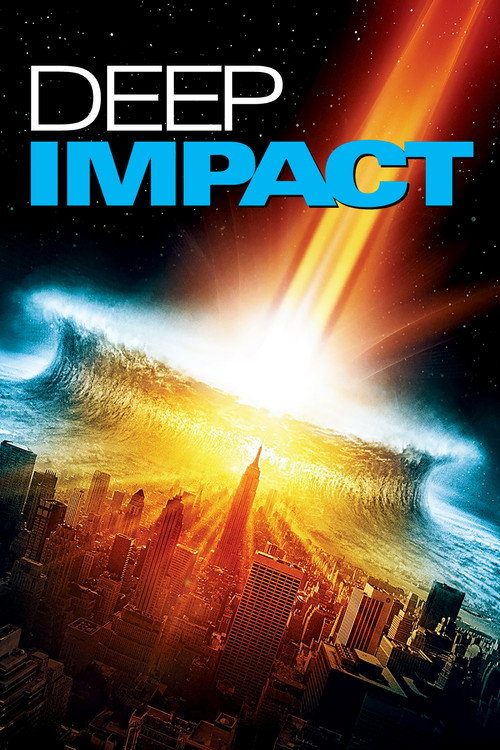
Deep Impact1998
Another comet-threatens-Earth film, but executed with more budget and star power. Focuses on the same human-scale drama amid civilization-ending stakes, with better special effects and a more polished narrative structure.
But Hits many of the same beats as Asteroid with less distinctive energy. If you've seen one '90s disaster film about celestial objects, this one doesn't reinvent the wheel.
Armageddon1998
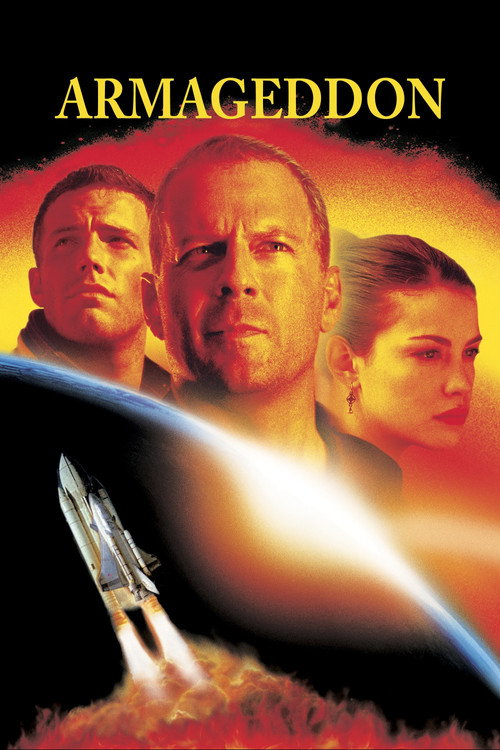
Bay's maximalist answer to the asteroid problem: rockets, oil drillers, and pure spectacle. It has the same apocalyptic urgency but trades ensemble drama for action heroics and genuine emotional weight in unexpected places.
But Michael Bay's direction means it's louder and more bombastic. If you prefer intimate character work to explosions and machismo, this swings hard the other way.
The Day After Tomorrow2004
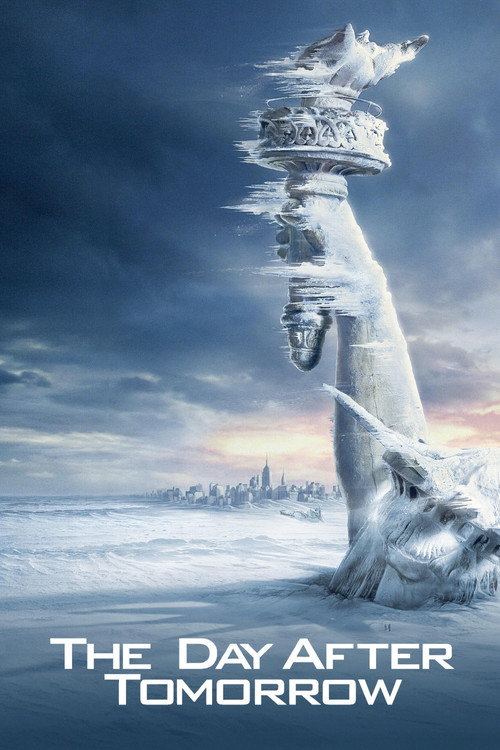
Another Roland Emmerich disaster epic with the same DNA: ensemble cast, government incompetence, ordinary people surviving the unsurvivable. Adds climate anxiety to the formula and features some genuinely impressive set pieces.
But The science is notoriously laughable, and the emotional beats can feel manipulative. It's also nearly two and a half hours of increasingly silly survival scenarios.
Not sure tonight? Get a pick in a minute, starting from Asteroid
The wildcard
Something you would not have found on your own.
Threads1984
Both films document how ordinary people and institutions respond when extinction arrives. Threads just refuses to let anyone off the hook with survival or heroism.
British TV film depicting nuclear war's aftermath in Sheffield with unflinching documentary realism. Like Asteroid, it follows ordinary people through unthinkable catastrophe, but refuses any consolation or hope—a genuinely harrowing masterpiece about civilizational collapse.
But Relentlessly bleak and deeply disturbing. It's about nuclear winter and human suffering, not entertainment. Watching it feels like an obligation rather than a pleasure, which is intentional and appropriate.

More like this (8)
Knowing2009
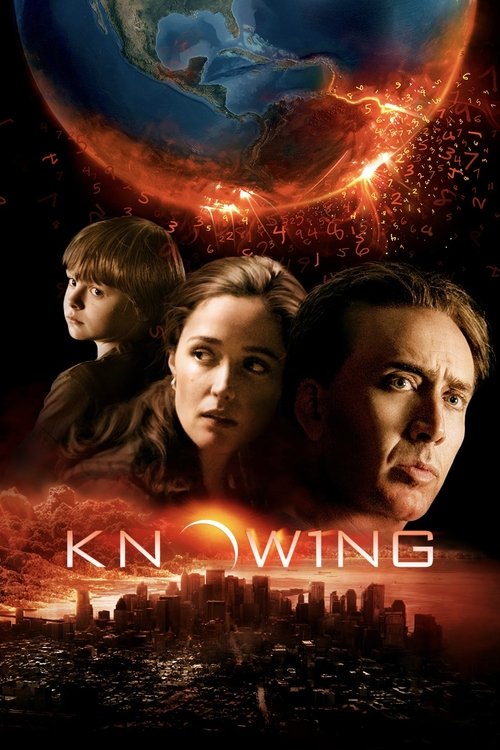
Nicolas Cage investigating a series of catastrophic predictions that turn out to be real. Shares Asteroid's fatalistic tone and obsession with whether we can stop the unstoppable, with an apocalyptic third act that goes weird places.
But Shifts into science fiction and spiritual territory that some find pretentious. The tone whiplash between thriller and cosmic horror won't work for everyone.
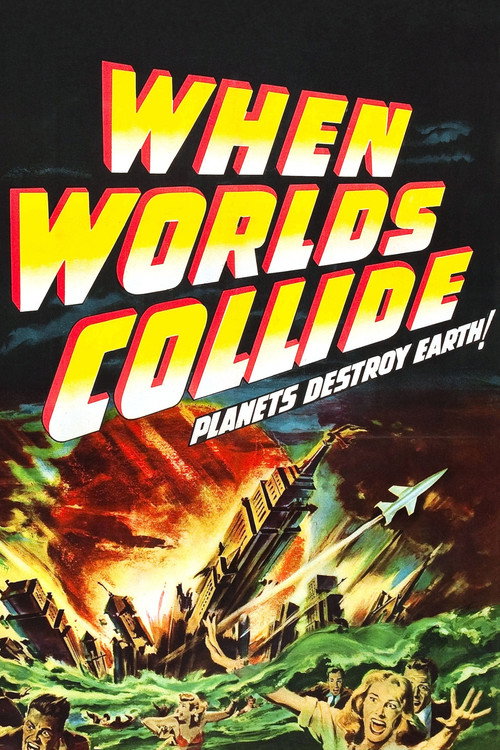
When Worlds Collide1951
The granddaddy of asteroid-disaster films: a rogue planet on a collision course forces humanity to build an ark. It's slower and more philosophical than Asteroid, concerned with who survives and what that means.
But The pacing is glacial by modern standards, and the special effects are dated. It's also deeply invested in 1950s-era social hierarchies, which doesn't age well.
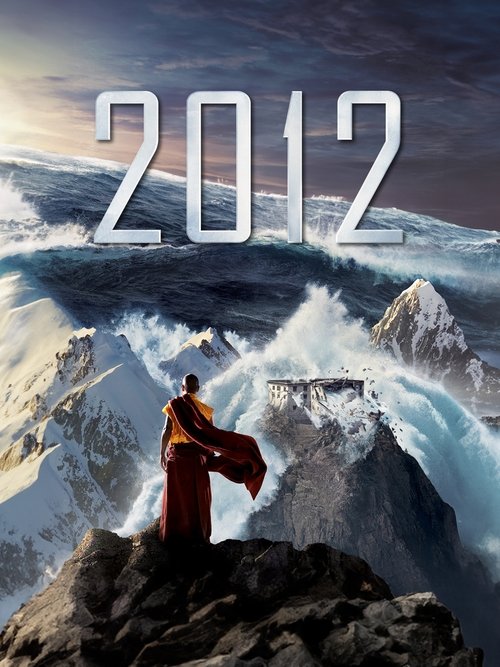
20122009
Emmerich at maximum scale: the world's crust is literally tearing itself apart. Asteroid's ensemble approach applied to an even more elaborate disaster, with family separation and reunion as the emotional core.
But Nearly three hours long and narratively bloated. The spectacle eventually becomes exhausting, and the character work gets buried under falling buildings.
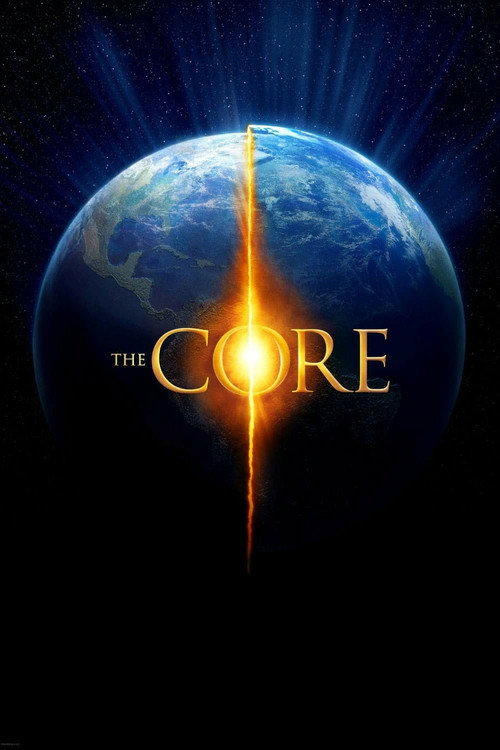
The Core2003
Scientists must travel to Earth's core to restart the planet's rotation. It has Asteroid's earnest problem-solving energy and focus on credible experts trying to save the world, even if the science is absurd.
But The science fiction conceit is genuinely ridiculous, and the film doesn't have the self-awareness to wink at it. Some find that commitment to nonsense charming; others find it exhausting.
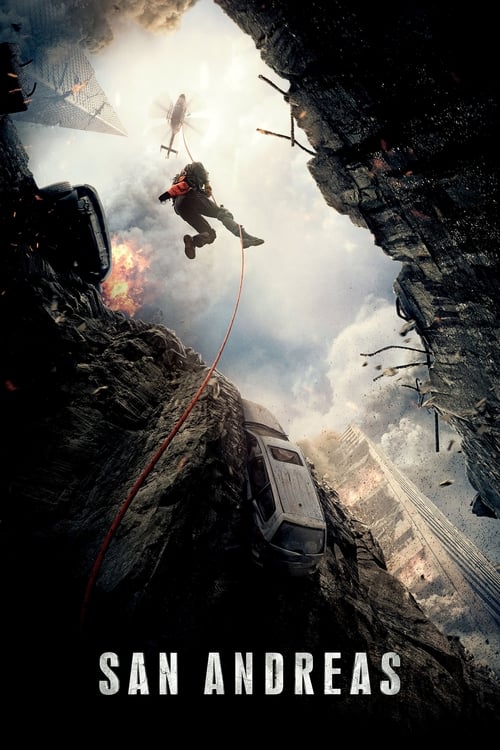
San Andreas2015
The Rock trying to survive California's worst earthquake. It trades asteroids for seismic disaster but keeps the ensemble-cast-in-catastrophe formula, with better action choreography and modern production values.
But Lighter in tone than Asteroid, focusing more on spectacle than existential dread. If you want disaster as trauma rather than entertainment, this leans the wrong way.
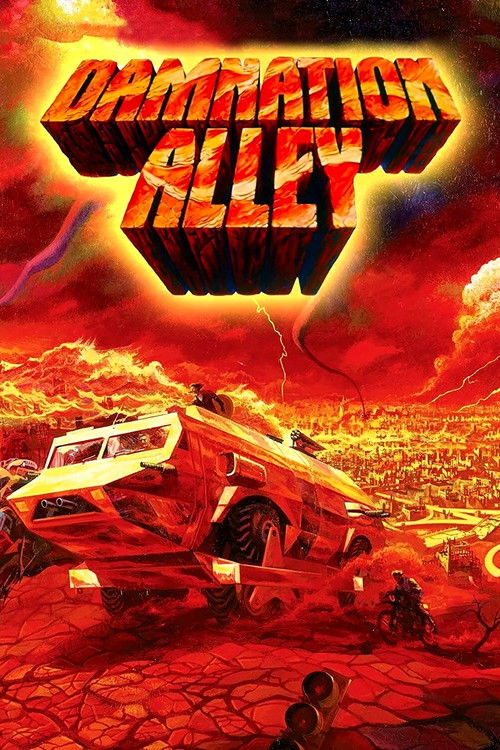
Damnation Alley1977
Post-apocalyptic road movie where survivors navigate a destroyed America after comets strike. Slower, weirder, and more pessimistic about human nature than Asteroid, with a road-trip structure that feels almost lived-in.
But The effects are primitive even by '70s standards, and the pacing meanders. It's more interested in atmosphere than plot momentum, which will frustrate viewers looking for forward propulsion.
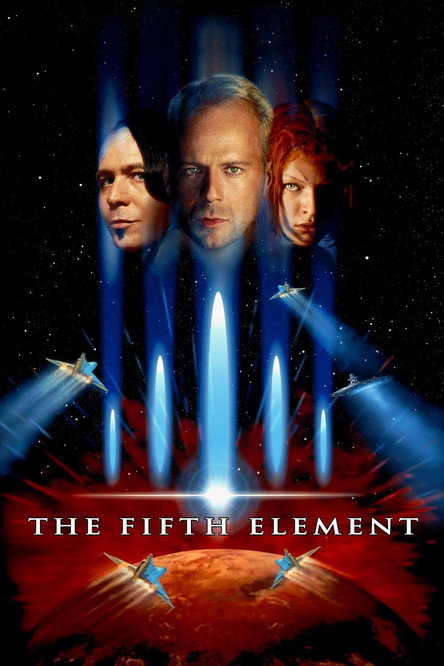
The Fifth Element1997
Both are '90s films obsessed with whether humanity deserves saving. The Fifth Element answers yes through love; Asteroid isn't sure. Same question, completely different register.
Luc Besson's maximalist space opera released the same year as Asteroid: a massive alien diva and a former soldier stop a planet-destroying weapon. It has the same late-'90s earnestness about human connection amid apocalyptic stakes, but filtered through operatic excess and style.
But It's campy, deliberately artificial, and visually overwhelming. If you want grounded disaster realism, this is the opposite—pure artificial fantasy with a drag queen and alien octopi.
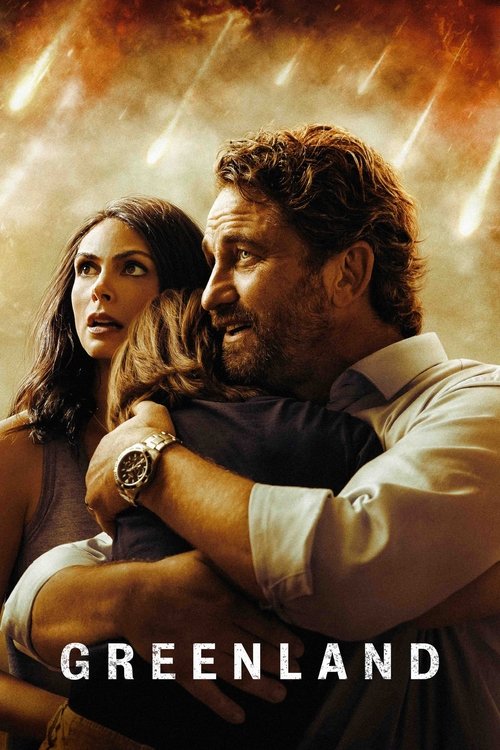
Greenland2020
Both films understand that asteroid disasters are about watching institutions fail and ordinary people endure. Greenland just trusts the audience enough to let it be truly terrible.
Gerard Butler as an ordinary man trying to save his family as comet fragments rain down. It's Asteroid's DNA stripped to intimate survival thriller—fewer characters, more claustrophobia, modern filmmaking. The meteor strike is inevitable; the film is about what you do when hope is mathematically gone.
But It's relentlessly grim and offers no catharsis. There's no heroic mission, no last-minute save, no dignity in the ending. It's a bruising watch about accepting the unacceptable.
People
Cast
 Michael BiehnFEMA Director Jack Wallach
 Annabella SciorraDr. Lily McKee
 Zachary CharlesElliot McKee
 Don FranklinBen Dodd
 Carlos GómezAdam Marquez
 Michael WeatherlyDr. Matthew Rogers
 Jensen DaggettDr. Valerie Brennan
 Anne-Marie JohnsonKaren Dodd
 Frank McRaeLloyd Morgan
 Denis ArndtPresident
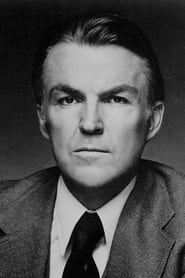 Anthony ZerbeDr. Charles Napier
Directing
- Dawn C. DreilingContinuity
- Bradford MayDirector
- Michael CedarFirst Assistant Director
Writing
- Robbyn BurgerWriter
- Scott SturgeonWriter
Production
- Mary V. BuckCasting
- Susan EdelmanCasting
- Merrill H. KarpfExecutive Producer
- Chris FarrellExtras Casting
- Peggy LarsonLocal Casting
- Christopher MorganProducer
- Donna EbbsProducer
- Phil MargoProducer
- Melody MillerProduction Coordinator
- Scott WeinsteinProduction Coordinator