
Film
Side by Side
- Light-hearted
Keanu Reeves guides a masterclass on the digital revolution that transformed cinema. Featuring intimate interviews with Scorsese, Fincher, Lynch, and Cameron, this documentary explores how filmmakers chose between film and digital, and what that choice meant for their art. It's a love letter to cinema itself—technical but never dry, passionate without preaching.
If you liked this
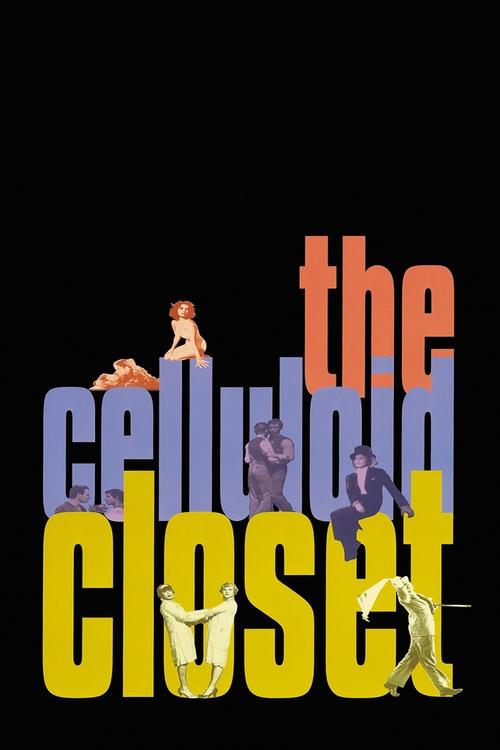
The Celluloid Closet1996
A documentary about how Hollywood told stories about queer life through the lens of cinema history. Rich with clips, interviews, and the kind of rigorous film analysis that makes you want to immediately rewatch everything you love.
But It's from 1995, so the visual quality is dated, and some of the older films it discusses feel very much like artifacts rather than living art.
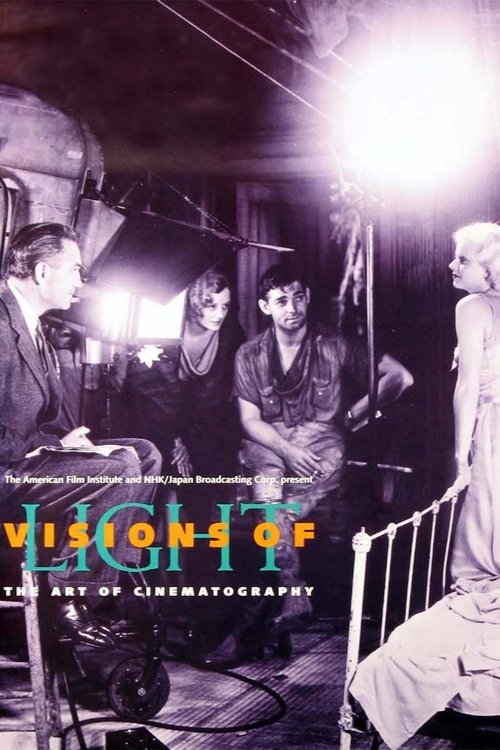
Visions of Light1992
Cinematographers discussing their craft through decades of film clips—how light, shadow, and composition shape what we feel watching a movie. Gorgeously shot itself, and utterly absorbing even if you've never thought about cinematography before.
But At times it feels like a technical manual, and the reverence for the subject can tip into preciousness. Some sequences drag.
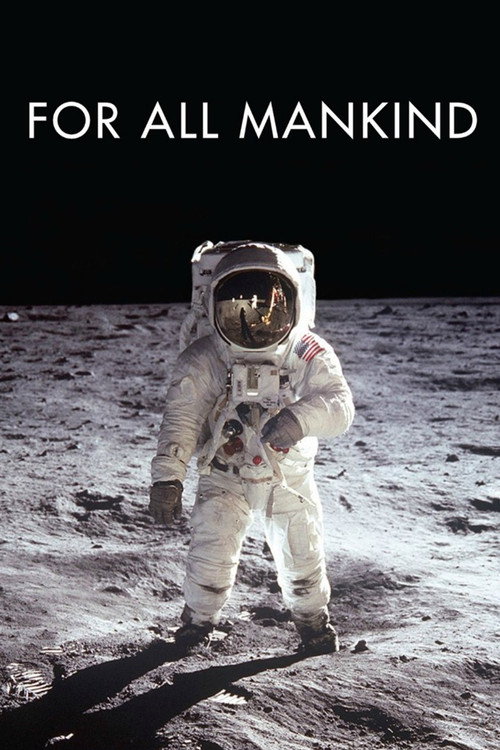
For All Mankind1989
Al Reinert's documentary about the Apollo program uses only archival footage and audio to create something almost transcendent. A master class in editing and how to shape real material into profound cinema.
But It's slow and meditative—no talking heads, no explanation. If you want immediate gratification or narrative momentum, this will test your patience.
Not sure tonight? Get a pick in a minute, starting from Side by Side
The wildcard
Something you would not have found on your own.
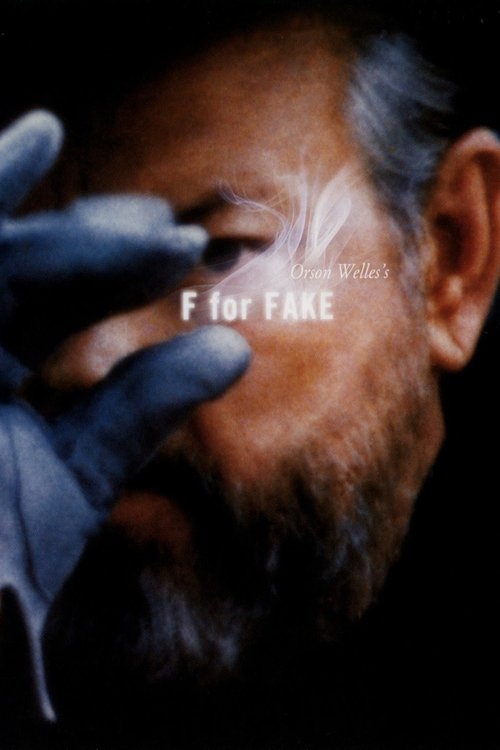
F for Fake1973
Both explore the fundamental question of whether cinema is a document or a construct, and both sit filmmakers down to interrogate what they actually believe about the medium.
Orson Welles made a documentary about art forgery and fraud that is itself a formal prank—he's constantly lying to the camera about what you're seeing, whether it's real, whether it matters. A masterpiece of cinema as pure illusion and argument, and a secret history of how movies actually work.
But It's deliberately confusing and designed to frustrate viewers who want to trust what's on screen. At 85 minutes it still feels chaotic and unresolved, almost incomplete.
More like this (7)
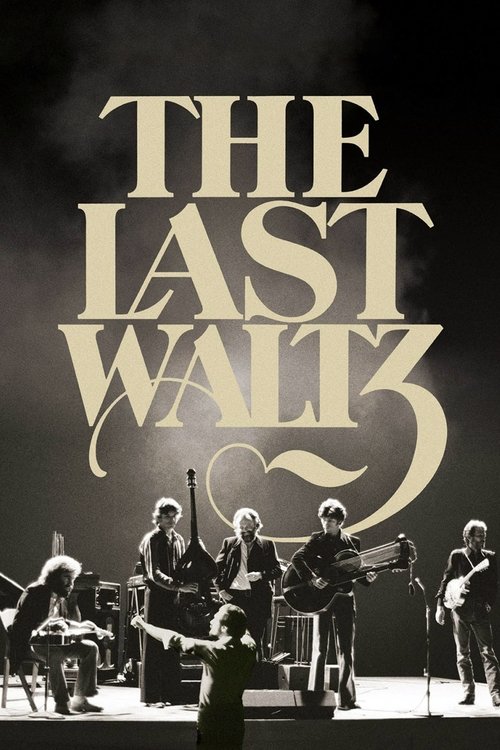
The Last Waltz1978
Scorsese filming The Band's final concert. The intersection of music, performance, and cinema at a moment when rock and roll felt genuinely mythic. Visually stunning and emotionally raw.
But If you're not already enchanted by The Band or that particular era of rock, the three-hour runtime might feel self-indulgent rather than essential.
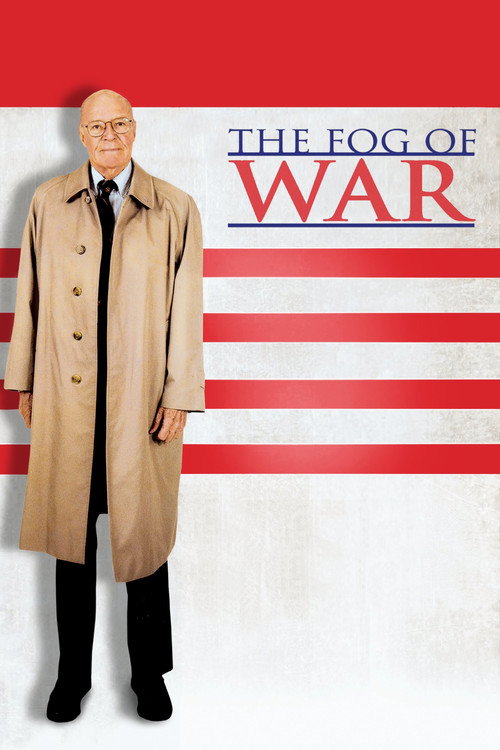
The Fog of War2003
Errol Morris interviewing Robert McNamara about his role in the Vietnam War and the Cuban Missile Crisis. A documentary that's also a psychological portrait, technically inventive and morally urgent.
But McNamara is a controversial figure, and the film's formal elegance can feel at odds with its weighty subject matter. Some find that tension unsettling.
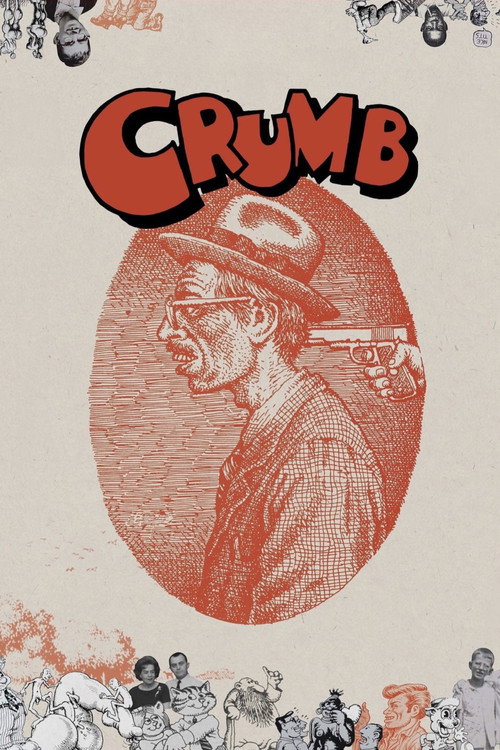
Crumb1995
Terry Zwigoff's portrait of underground cartoonist Robert Crumb is a masterpiece of biographical filmmaking—funny, unsettling, revelatory, and completely alive. Even if you don't care about comics, you'll be transfixed.
But It's invasive and sometimes cruel to its subject. The sexual content is frank and occasionally grotesque. Zwigoff doesn't look away from Crumb's worst instincts.
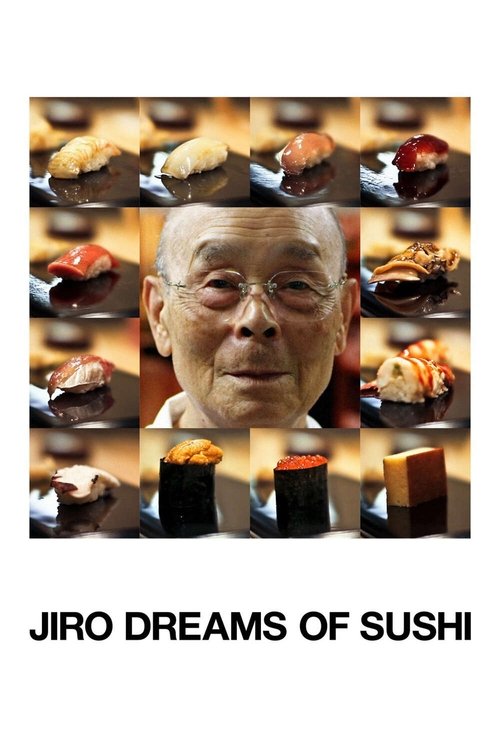
Jiro Dreams of Sushi2011
David Gelb's meditation on mastery, tradition, and obsession. A sushi chef's dedication to his craft becomes a philosophy of life. Beautifully shot, quietly profound, and hypnotic.
But It's extremely slow and repetitive by design. The focus on one man's routine, however artful, may feel narrower than you want from a feature-length film.
The Act of Killing2012
Joshua Oppenheimer asks Indonesian death squad leaders to reenact their murders in the style of Hollywood films they love. Utterly original, deeply disturbing, and a radical experiment in documentary form.
But It's morally destabilizing and extremely difficult to watch. The premise—letting perpetrators mythologize atrocity—will feel offensive or exploitative to many viewers.

Sans Soleil1983
Where Side by Side is a conversation between filmmakers about their tools, Sans Soleil is an argument made entirely through cinema itself—what those tools can become in the hands of an artist willing to break every rule.
Chris Marker's experimental essay film moves through Japan, Africa, and memory itself, using archival footage, voice-over, and philosophical meditation. It asks what cinema can do that language cannot—it's about cinema's power to hold contradictions and time all at once.
But It has no plot, conventional structure, or through-line. Some will find it pretentious or impenetrable; others will think you're pretending to understand it.

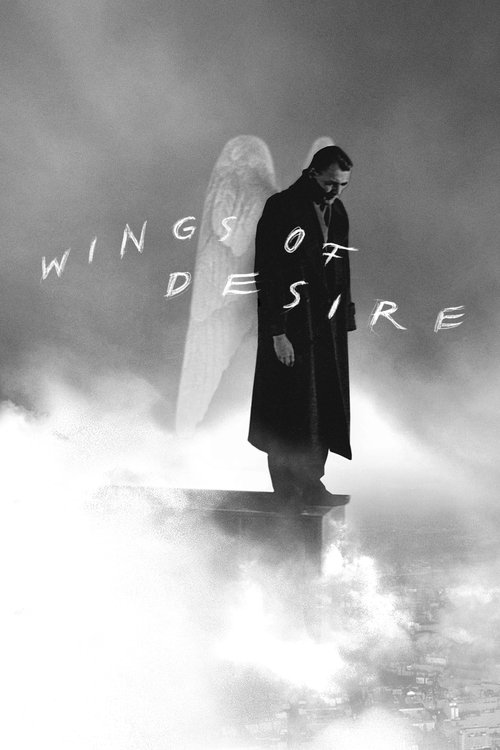
Wings of Desire1987
Both films are arguments about how cinema sees. Side by Side asks whether film or digital captures truth better; Wings of Desire asks whether the tools of cinema can represent non-human perception—it's the same obsession from a different angle.
Wim Wenders' film about angels watching Berlin through the rubble of the Cold War is less a narrative than a meditation on perception and cinema. The early sequences see the city through an angel's eyes—monochrome, overlapped, fragmentary—and it's a visual essay on how different cameras and formats see differently, which is exactly what Side by Side argues.
But It's slow, elliptical, and emotionally oblique. The philosophical weight can feel heavy-handed, and some find the angel's perspective more precious than profound.
People
Cast
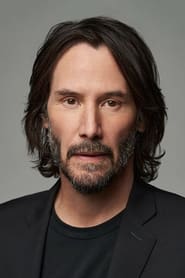 Keanu ReevesSelf / Host
 Martin ScorseseSelf
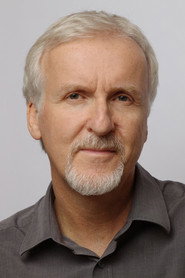 James CameronSelf
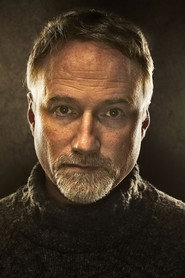 David FincherSelf
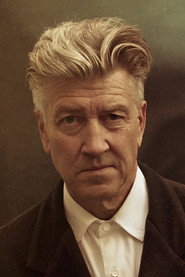 David LynchSelf
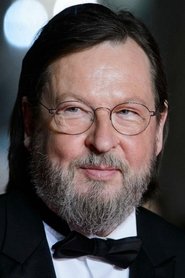 Lars von TrierSelf
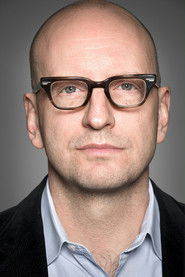
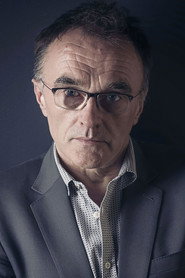 Danny BoyleSelf
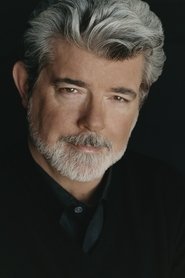 George LucasSelf
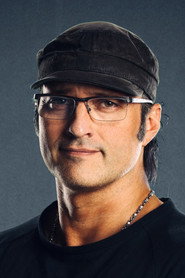 Robert RodriguezSelf
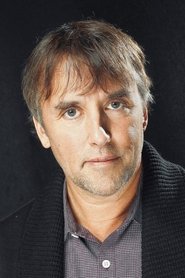
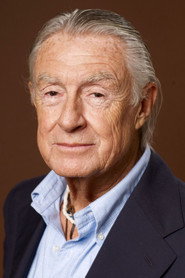 Joel SchumacherSelf
Directing
- Christopher KenneallyDirector
Writing
- Christopher KenneallyWriter
Production
- Justin SzlasaProducer
- Keanu ReevesProducer
Recommended by
The Last Movie Stars, Becoming Iconic, Empire of Dreams: The Story of the Star Wars Trilogy