
Film
Empire of Dreams: The Story of the Star Wars Trilogy
- Light-hearted
A comprehensive behind-the-scenes documentary tracing Star Wars from Lucas's initial concept through the original trilogy's cultural dominance. Constructed from interviews, archival footage, and production materials, it captures the filmmaking process, the cast's experiences, and the franchise's impact. Essential for anyone who loves the films or wants to understand how blockbusters changed cinema.
If you liked this
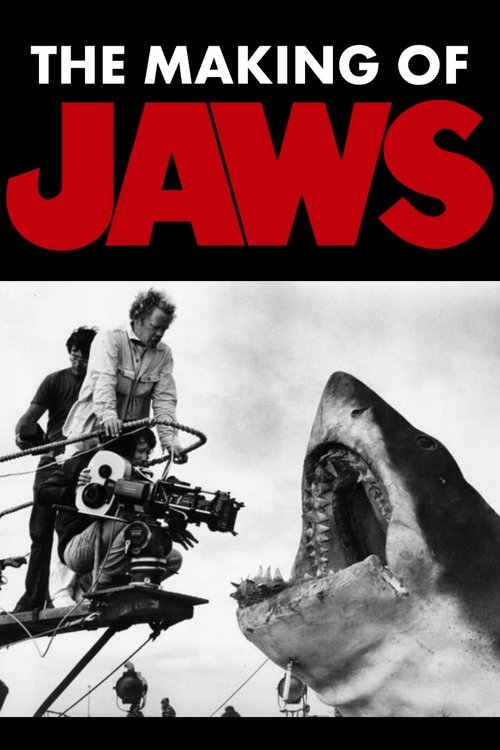
The Making of 'Jaws'1995
Spielberg himself narrates this equally meticulous exploration of creating a game-changing blockbuster. You'll see how Jaws faced and overcame obstacles that Empire had to solve differently—both shaped modern filmmaking.
But It's less comprehensive than Empire of Dreams and focuses on just one film rather than a trilogy's arc. The production problems it chronicles are fascinating but can feel repetitive.
Hearts of Darkness: A Filmmaker's Apocalypse1991
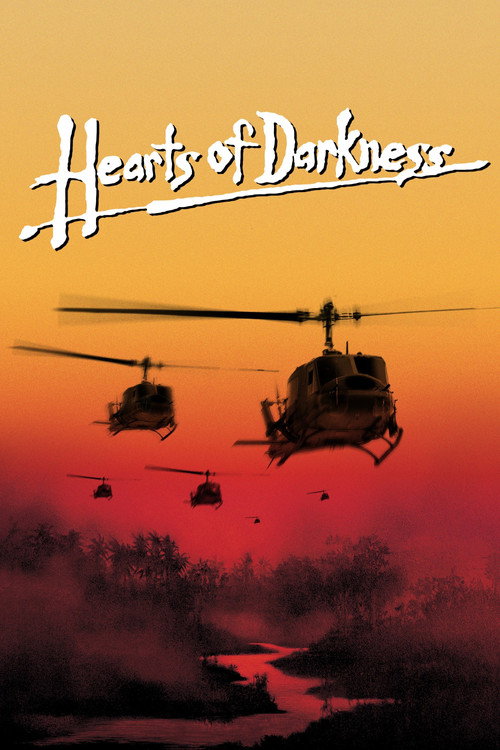
Coppola's Vietnam epic gets the same forensic treatment—interviews, footage, letters—but the story is one of chaos and personal collapse. It's the darkest possible mirror to how Lucas built Star Wars, which makes it riveting.
But It's genuinely harrowing. If you want comforting filmmaking mythology, this isn't it. The documentary assumes knowledge of Apocalypse Now.
Jodorowsky's Dune2013
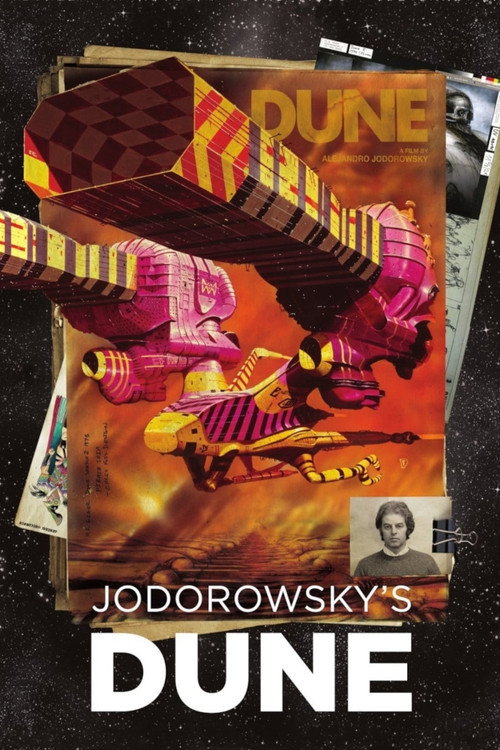
Like Empire of Dreams, it traces an ambitious sci-fi vision from concept to screen—except Jodorowsky's Dune was never made. Watching him reconstruct what could have been is paradoxically more inspiring about creative ambition than stories of success.
But It's intentionally fragmented and dreamlike, mimicking the director's surrealist sensibility. Some find it pretentious; it rewards patience more than narrative clarity.
Not sure tonight? Get a pick in a minute, starting from Empire of Dreams: The Story of the Star Wars Trilogy
The wildcard
Something you would not have found on your own.
Willy Wonka & the Chocolate Factory1971
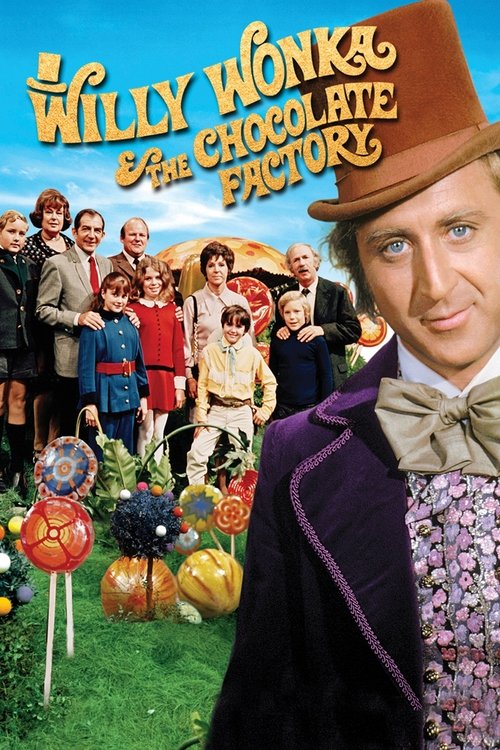
Both are films the industry thought were risks that turned into cultural monoliths precisely because they weren't designed by focus group.
A Warner Bros. musical nobody wanted to make, dismissed on release, later canonized by word-of-mouth and home video. It mirrors Star Wars's resurrection path exactly—an odd film that the industry underestimated until audiences wouldn't let it die.
But It's a 1971 family musical with Kafka-noir undertones and unsettling production design. If you're expecting comfort or charm, Gene Wilder has other plans for you.
More like this (6)
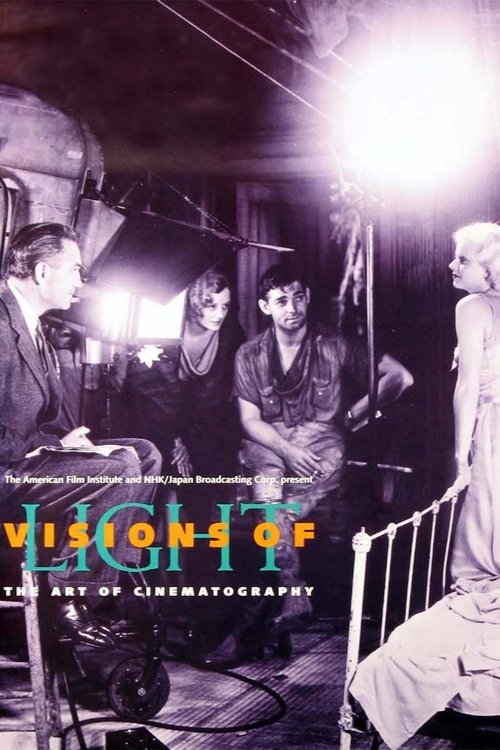
Visions of Light1992
If you loved the technical sections of Empire of Dreams, this explores the visual language that makes blockbusters work. It's taught through film history's greatest cinematographers and clips from films that influenced Lucas's visual style.
But It's a film-school lecture disguised as a documentary. If you just want gossip and behind-the-scenes drama, the pacing will feel academic.
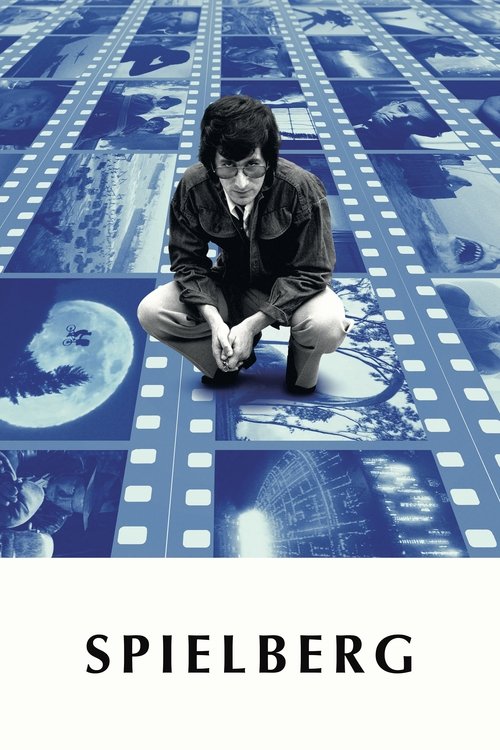
Spielberg2017
David Fincher's documentary on the other architect of blockbuster cinema. It has the same archival approach as Empire of Dreams but covers a broader career and reveals Spielberg's anxieties about his own legacy.
But At over two hours, it can feel exhaustive. Some sections dwell on lesser films, and if you're not already interested in Spielberg's neuroses, it won't convert you.
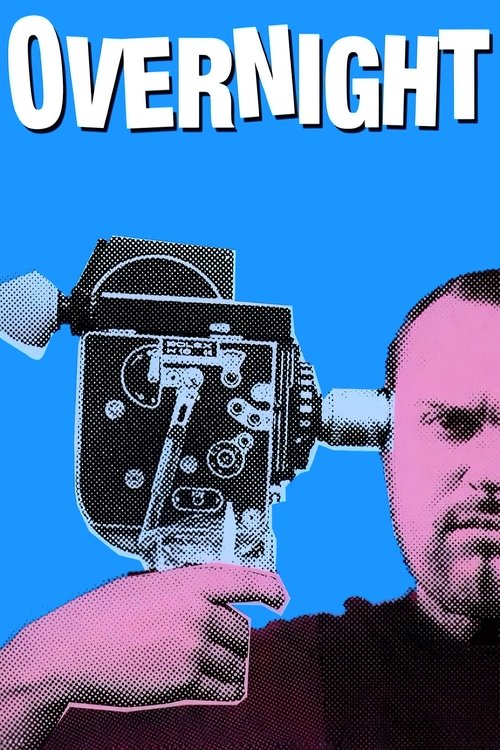
Overnight2003
A cautionary counterpoint: filmmaker Tony Kaye's descent into fury during his directorial debut. It's what Empire of Dreams would look like if things had gone catastrophically wrong, and the honesty is uncomfortable.
But It's genuinely unpleasant to watch. The subject is abusive and unlikeable, and the documentary doesn't judge—it just observes his self-destruction in real time.
Side by Side2012
Keanu Reeves introduces cinematographers and directors discussing digital versus film. It covers the technical revolution Lucas lived through and anticipated, giving context to why the prequels looked so different.
But It's talky and niche. If you don't care about the mechanics of image capture, it's a feature-length answer to a question you never asked.

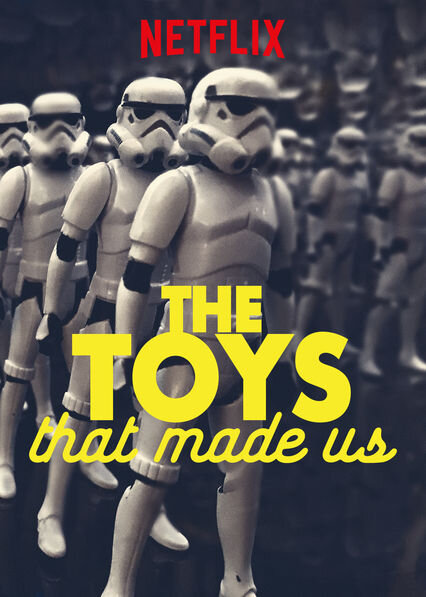
The Toys That Made Us2017
The perfect companion piece: Empire explains the films; this explains why the films mattered more than most films ever do.
Where Empire of Dreams is about filmmaking, this Netflix series is about the machinery that turned Star Wars into unstoppable commerce. It's the sequel Empire never filmed—how the trilogy became an empire. Completely different in tone and scope.
But It's a Netflix true-crime-style documentary about action figures and toy lines. If you want substance over merchandising mythology, you'll feel slightly manipulated by the slickness.
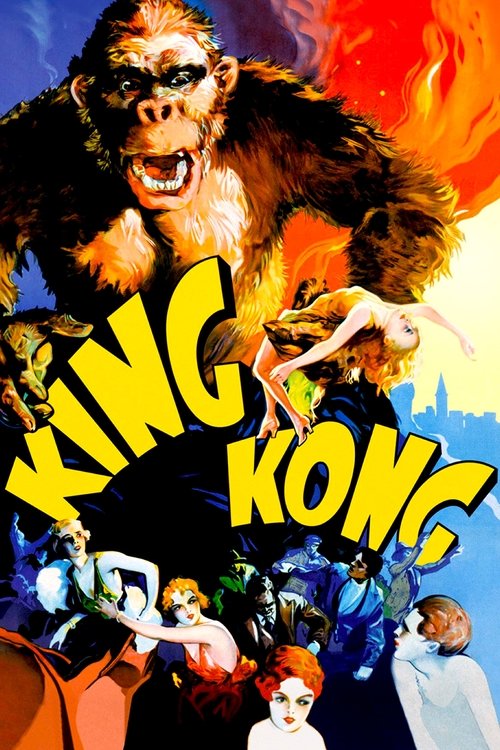
King Kong1933
Both represent pivotal moments when new technology and ambition reshaped what cinema could show—King Kong in 1933, Star Wars in 1977. Both were industry-changing risks.
If you want to see Lucas's intellectual ancestors, this is where blockbuster spectacle began. It's the technical and narrative template Star Wars would later follow—a filmmaker pushing technology to conjure a world nobody had seen before, and changing what audiences expected from cinema.
But It's 90 minutes of 1933 pacing and sensibility. Some of the racial attitudes are casual and deeply uncomfortable. The special effects, while groundbreaking, are now visible as effects in a way that dates it.
People
Cast
 Robert ClotworthyNarrator (voice)
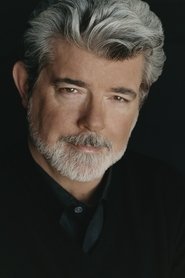 George LucasSelf
 Steven SpielbergSelf
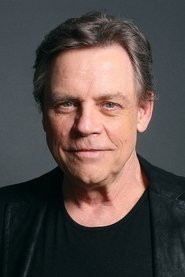 Mark HamillSelf
 Carrie FisherSelf
 Peter MayhewSelf
 Anthony DanielsSelf
 Kenny BakerSelf
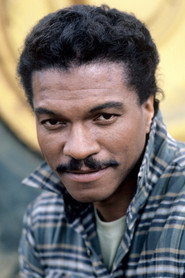
 James Earl JonesSelf
 Warwick DavisSelf
 Jim BloomSelf - Production Supervisor
Directing
- Edith BeckerDirector
- Kevin BurnsDirector
Writing
- Ed SingerWriter
Production
- Brigid KellyAssociate Producer
- Kevin BurnsExecutive Producer
- Edith BeckerProducer
- Bill HaderProduction Assistant
- Alex WaltonResearcher
- Jon FieldResearcher
- Jon Joseph GloverResearcher
- Nicole DintamanResearcher
- Kim SheerinSupervising Producer
- Steven C. SmithSupervising Producer