
Film
Spielberg
A portrait of Steven Spielberg built from archive, interviews with his peers, and his own reflection on seven decades of filmmaking. It's intimate without being invasive, moving through his childhood anxieties to his place in cinema history. For anyone who loves film, or wants to understand how one man shaped the medium itself.
If you liked this
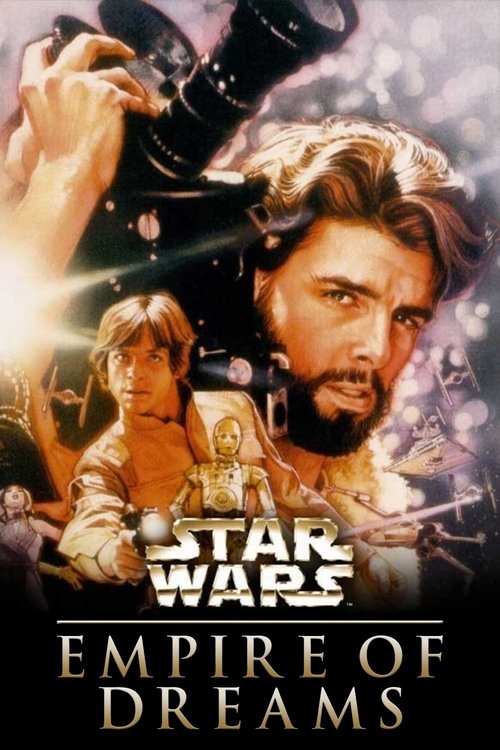
Empire of Dreams: The Story of the Star Wars Trilogy2004
A masterclass in how to document filmmaking at the highest level. Spielberg's friend George Lucas gets the same forensic, affectionate treatment—archive footage, behind-the-scenes gold, and the creative decisions that changed cinema.
But At nearly three hours across multiple parts, it's a commitment. If you're not already invested in Star Wars' DNA, the granular detail may overwhelm.
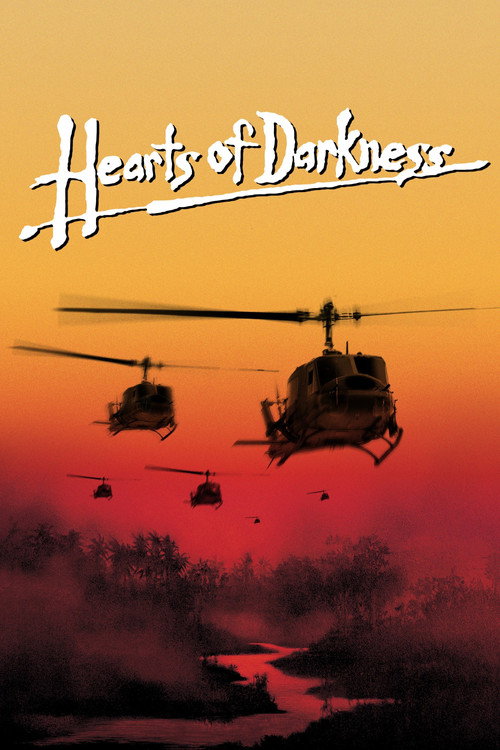
Hearts of Darkness: A Filmmaker's Apocalypse1991
Francis Ford Coppola's descent into madness making Apocalypse Now, told through his wife's footage and audio diaries. Raw, tragic, and utterly gripping—the shadow side of the directorial vision Spielberg represents.
But It's bleak and chaotic. If you prefer clean narratives about creative triumph, this is the film that explains why that's naive.
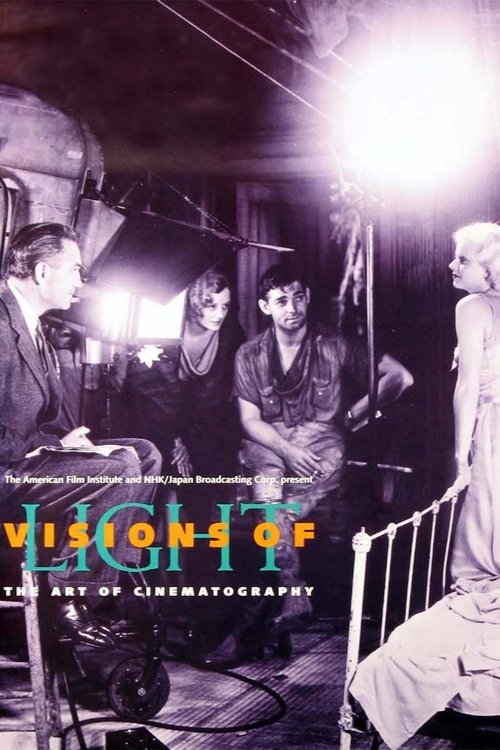
Visions of Light1992
Cinematographers discuss the visual language of cinema itself. Spielberg's work is threaded through it, but the film is really about how light and lens shape what we feel—essential viewing after seeing how deliberately he chose every frame.
But It's technical and contemplative. Expect conversations about diffusion and depth of field, not plot.
Not sure tonight? Get a pick in a minute, starting from Spielberg
The wildcard
Something you would not have found on your own.
Stalker1979
Both directors use cinema to pursue the spiritual and unknowable, but through opposite temperaments—Spielberg reaches toward light and clarity; Tarkovsky dissolves into shadow and doubt. Watching both shows you cinema's full range.
Tarkovsky's film about a man leading strangers through a mysterious zone is patient, philosophical, and visually hypnotic. It's the anti-Spielberg—slow where his films move, cryptic where his are clear. Yet it's driven by the same obsession with wonder and the limits of human desire.
But It's 163 minutes of deliberately paced science fiction without conventional drama. You will be asked to sit with ambiguity and silence. Many people find it unbearably dull.

More like this (6)
The Toys That Made Us2017
Spielberg's breakthrough is explored through the merchandise machine it created. A witty, fast-moving look at how one film rewired pop culture and commerce—and how Spielberg became a brand.
But It's shorter and lighter than the documentary itself, sometimes veering toward novelty. Not a deep creative dive.
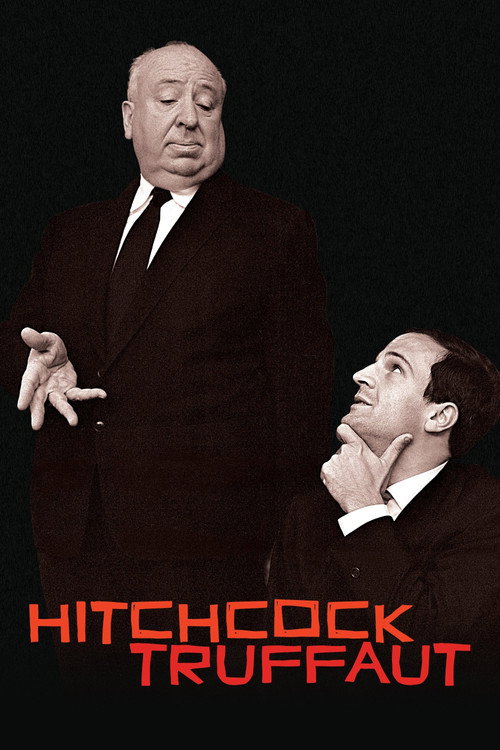
Hitchcock/Truffaut2015
A dialogue between two film obsessives about Hitchcock's mastery. It's a model for how filmmakers talk to each other—the kind of conversation you sense happening in Spielberg's doc between the legendary names on screen.
But It assumes you know Hitchcock's films. If you don't, you'll spend half your time feeling lost.
The Fog of War2003
Errol Morris's documentary about Robert McNamara uses archive and reflection to excavate a complicated life. Similar in structure to Spielberg—letting memory and regret shape the narrative—but about power and consequence instead of art.
But It's a portrait of a man many people view as a war criminal. Heavy and unsentimental in ways the Spielberg doc isn't.

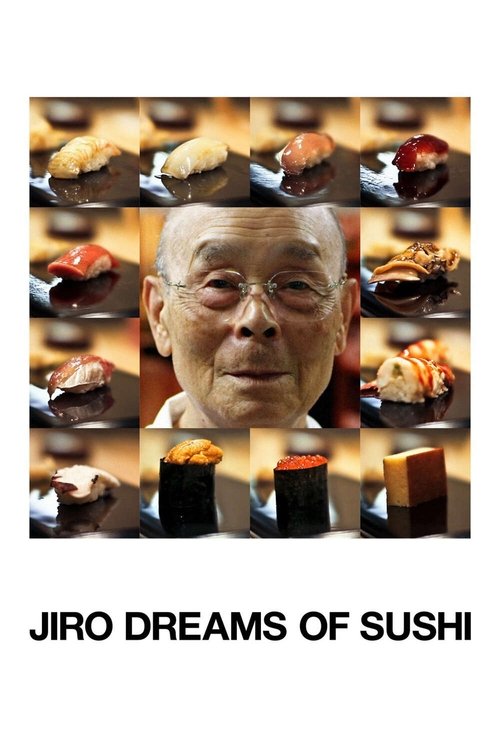
Jiro Dreams of Sushi2011
David Gelb's meditation on mastery and obsession through an elderly sushi chef. It has Spielberg's quiet respect for craft and discipline, but distilled and poetic—less biography, more pure focus on the work.
But The pace is glacial. If you need momentum or plot, this will feel like watching paint dry with soy sauce.
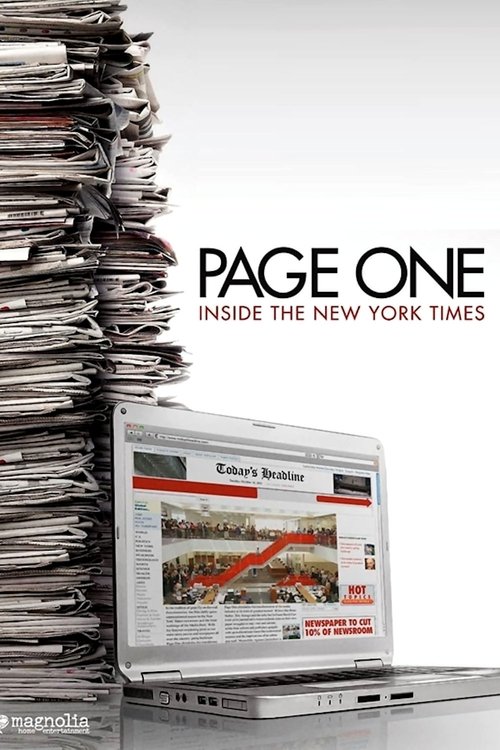
Page One: Inside the New York Times2011
Both examine the weight of institutional responsibility and the personal cost of maintaining standards when the world moves faster and cares less.
Susan Lacy (who made this Spielberg doc) turns her lens on journalism in crisis. It's about institutions, legacy, and people trying to preserve meaning in a changing world—the same themes Spielberg explores, but applied to newspapers instead of cinema.
But It's a trade doc about publishing. If newspapers don't interest you, the stakes will feel abstract and insider-y.
Grey Gardens1976
Where Spielberg curates and interviews and constructs a respectful narrative, Grey Gardens simply watches and lets complexity speak for itself. It's a challenge to the documentary form Spielberg represents—proof that documentaries can be art without being kind.
The Maysles brothers' documentary about decaying aristocrats is intimate, uncomfortable, and utterly unsentimental. It's a character study built from observational footage alone—no interviews, no voiceover. Extraordinarily powerful filmmaking that operates in complete silence about its own method.
But It's voyeuristic and sometimes cruel. The women on screen are unwell and unaware they're being observed as curiosities. Many viewers find it disturbing rather than moving.

People
Cast
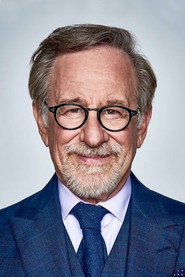 Steven SpielbergSelf
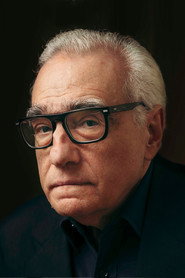 Martin ScorseseSelf
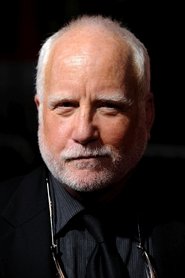 Richard DreyfussSelf
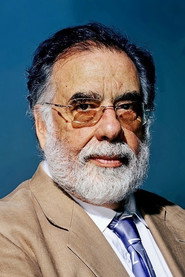
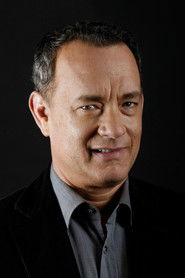 Tom HanksSelf
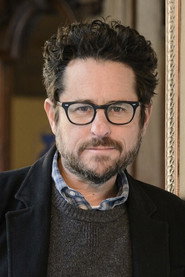 J.J. AbramsSelf
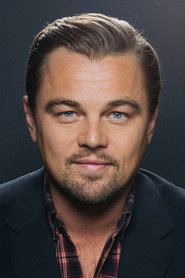
 Cate BlanchettSelf
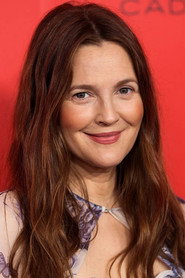 Drew BarrymoreSelf
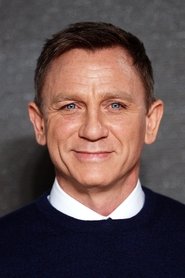 Daniel CraigSelf
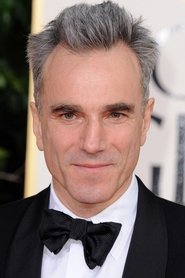 Daniel Day-LewisSelf
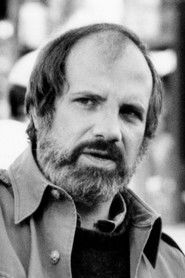 Brian De PalmaSelf
Directing
- Susan LacyDirector
Production
- Emma PildesProducer
- Jessica LevinProducer
- Susan LacyProducer
Recommended by
Inside the Game – Cyberpunk 2077: Phantom Liberty, Empire of Dreams: The Story of the Star Wars Trilogy