
Film
Star Trek: The Motion Picture
This is Star Trek slowed to a hush, more cathedral than corridor. The original crew reunites for a belated cinema debut that trades phaser fights for long, worshipful shots of spinning machinery and an alien intelligence too vast to be simply hostile. Contemplative, occasionally glacial science fiction, closer in spirit to 2001 than to Kirk's usual brawling. Patient viewers get real awe; impatient ones get restless.
If you liked this
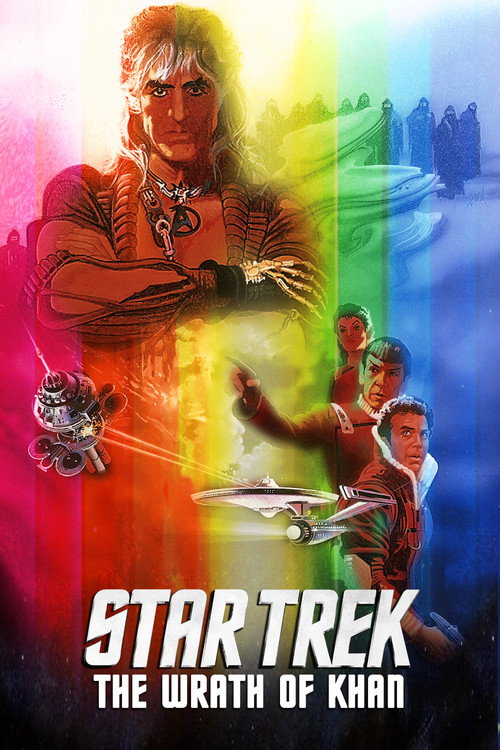
Star Trek II: The Wrath of Khan1982
The correction the franchise needed — same crew, same command chair, but with genuine stakes, sharp dialogue, and Khan as one of cinema's great vengeful villains. This is the one people mean when they say they love Star Trek.
But If it's the meditative tone of the first film you actually liked, this trades contemplation for a much brisker, punchier revenge plot.
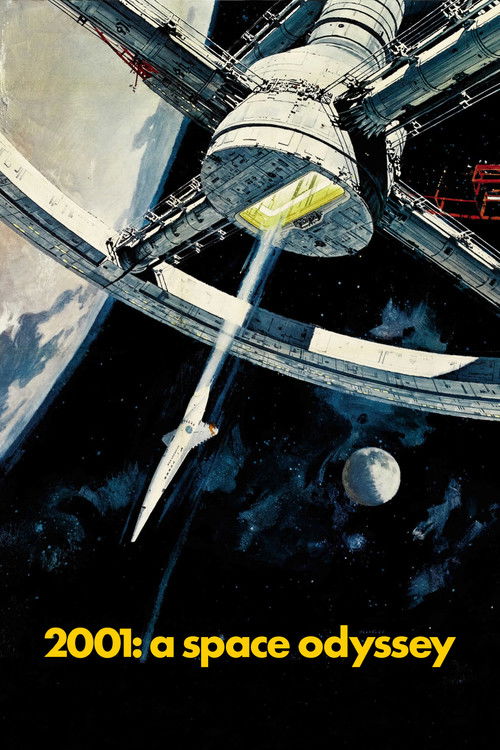
2001: A Space Odyssey1968
The film TMP is visibly in conversation with — slow, monumental, more interested in awe than answers, with special effects that still humble modern CGI.
But Even slower and stranger, with almost no dialogue for long stretches; it demands patience TMP only asks for in smaller doses.
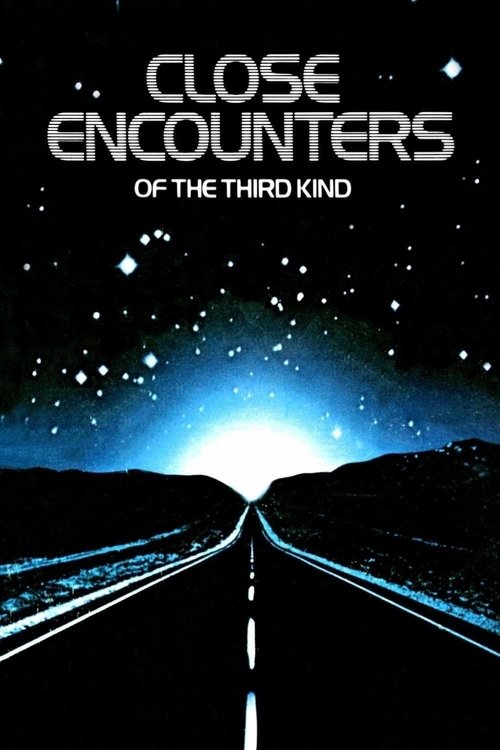
Close Encounters of the Third Kind1977
Spielberg's vision of first contact as spiritual experience rather than military problem — obsessive ordinary people, dazzling light, and a finale that trades explanation for wonder.
But Its focus on an obsessed suburban dad rather than a crew of professionals gives it a very different, more domestic texture.
The wildcard
Something you would not have found on your own.
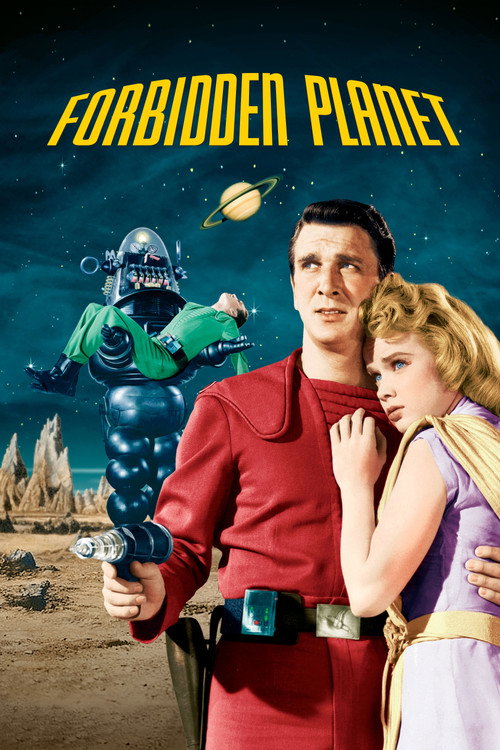
Forbidden Planet1956
Roddenberry openly cited it as a direct influence — the crew hierarchy, the cosmic mystery, even the tone of a guardian intelligence. Most of Star Trek's basic grammar is here first.
The 1950s B-movie that quietly invented half of Star Trek's DNA — a starship crew, a shipboard doctor, a stern captain, and a vast alien intelligence hiding in plain sight, decades before Roddenberry.
But Creaky by modern standards, with acting and effects that show their age; it asks you to meet 1956 on its own terms.
More like this (8)
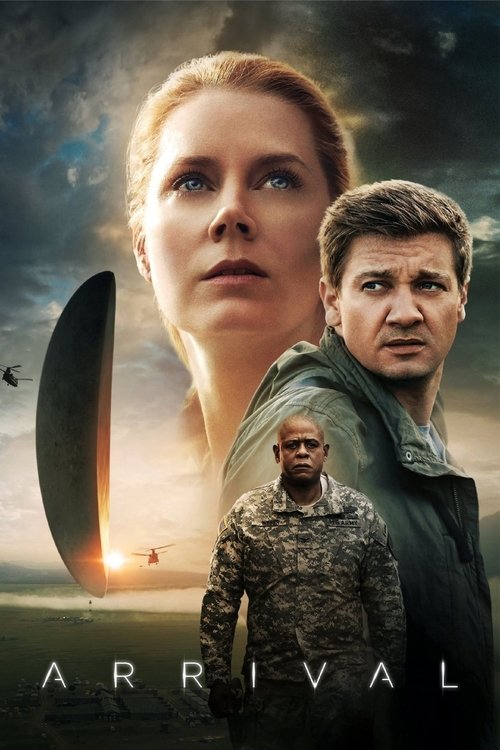
Arrival2016
A contemporary first-contact story built on the idea that intelligence, not firepower, is what matters when something incomprehensible arrives — tense, aching, and beautifully controlled.
But It's emotionally heavier and more puzzle-like than TMP, and the science is dressed up as linguistics rather than engineering.
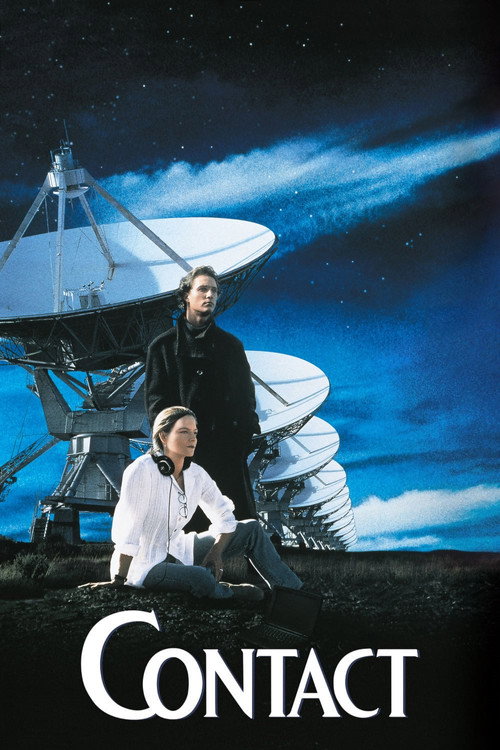
Contact1997
Jodie Foster anchors a story about a scientist reaching for proof of something vast and possibly divine — echoes TMP's fascination with technology as a route to transcendence.
But More courtroom drama and philosophical debate than spectacle; the alien encounter itself is brief compared to the build-up.
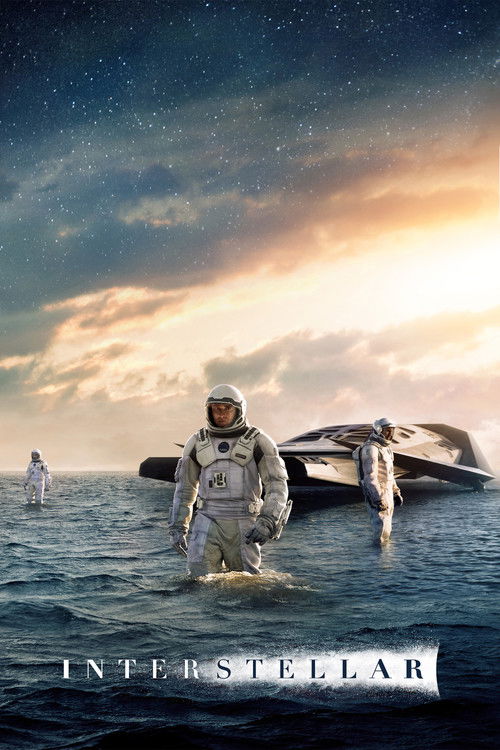
Interstellar2014
Christopher Nolan's cosmic epic shares TMP's love of dwarfing its human characters against enormous, indifferent scale, chasing awe with the same straight face.
But Three hours long, emotionally maximalist, and far more interested in tears and time dilation than crisp plotting.
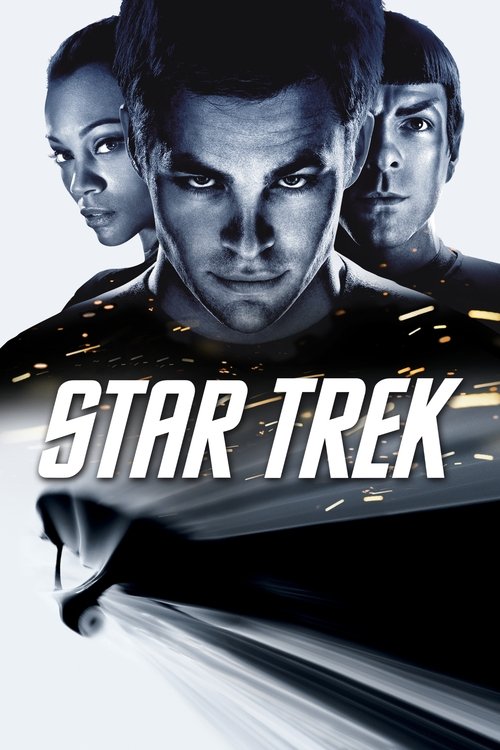
Star Trek2009
J.J. Abrams' reboot gives you the same characters, decades younger, with all the momentum and humour the 1979 film famously lacked — a genuinely fun way back in.
But It's lens-flared, fast, and jokey where TMP is stately; purists sometimes find it too eager to please.
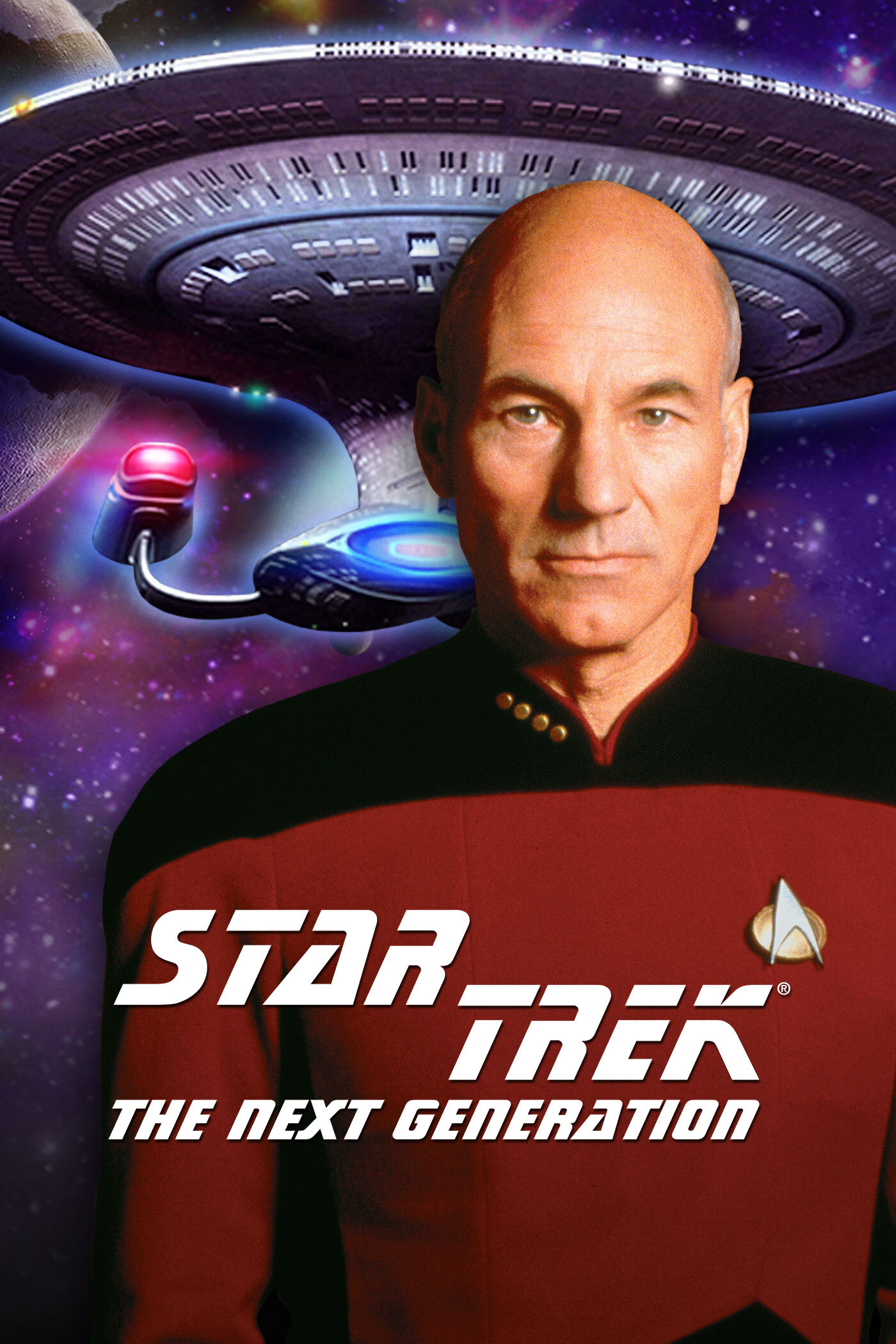
Star Trek: The Next Generation1987
The franchise's own answer to TMP's ambitions — thoughtful, occasionally slow, deeply humane science fiction that took the original's cerebral instincts and gave them room to breathe over seven seasons.
But A new crew, a new century, and a real commitment before it finds its footing — the first season is famously rough.
The Abyss1989no page yet
James Cameron's underwater first-contact story shares TMP's patience, its love of engineering-as-spectacle, and its faith that not every mystery needs to be hostile.
But It swaps space for the ocean floor entirely, and the human drama between its divers takes up more time than the mystery does.
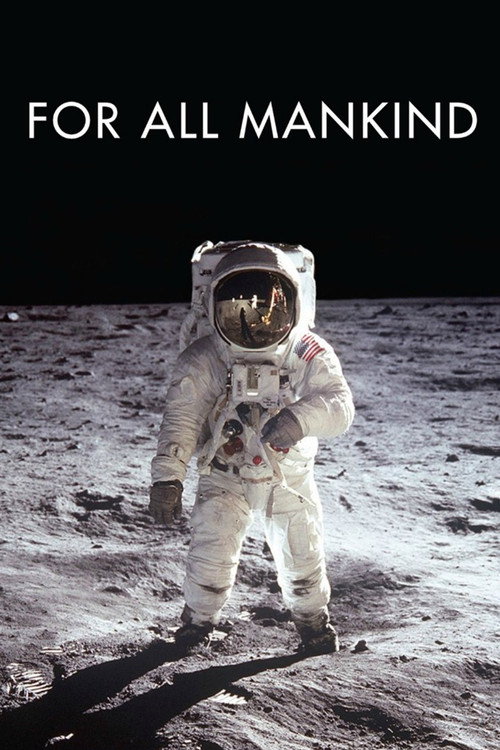
For All Mankind1989
TMP's slow, worshipful camera on machinery and starlight is trying to recreate exactly the feeling these real astronauts describe; watching the truth behind the fiction reframes the film's patience as sincere rather than dull.
A hushed, awestruck documentary assembled from real NASA footage of the Apollo missions — astronauts describing looking back at Earth in language that sounds startlingly like religious experience.
But There's no plot, no actors, and no crisis to resolve — just meditation on distance, silence, and what it does to a person.
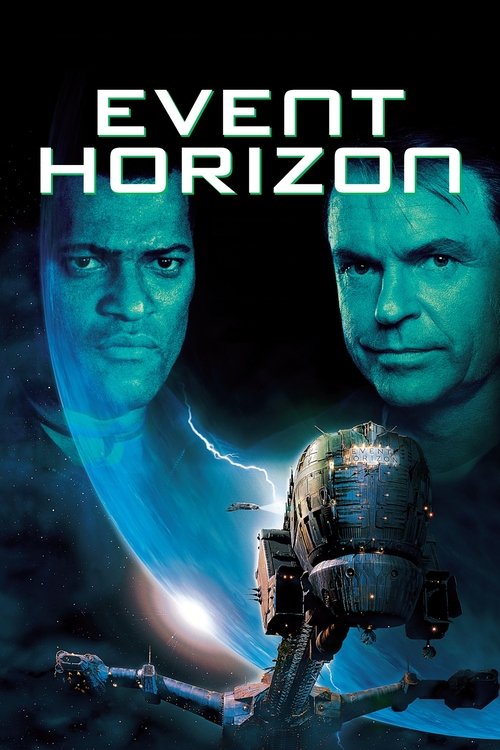
Event Horizon1997
Structurally it's TMP's plot in a fright wig — mysterious vessel, unknowable intelligence, crew drawn toward something that might not have their interests at heart — just told as visceral horror instead of hushed wonder.
The same premise turned inside out — a ship returns from somewhere impossible, carrying something that shouldn't exist, and a crew has to go aboard and find out what happened to it.
But Gruesome, jump-scare horror rather than contemplative science fiction; if you wanted more of TMP's quiet, this is the opposite temperature entirely.
People
Cast
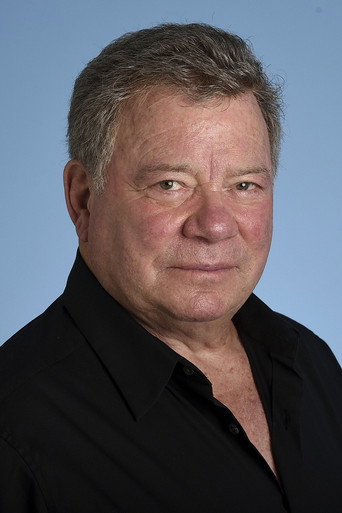 William ShatnerAdmiral James T. Kirk
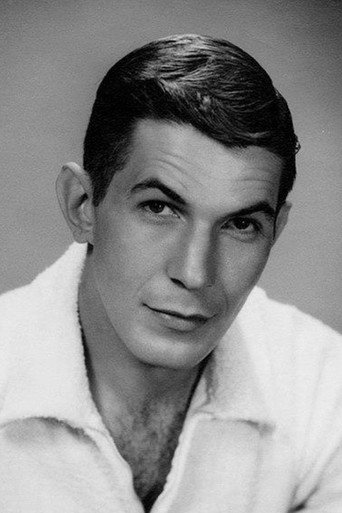 Leonard NimoyMr. Spock
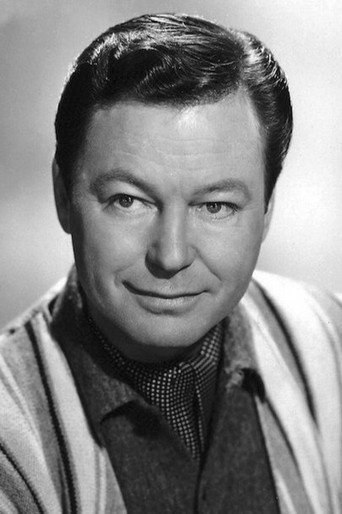 DeForest KelleyDr. Leonard 'Bones' McCoy
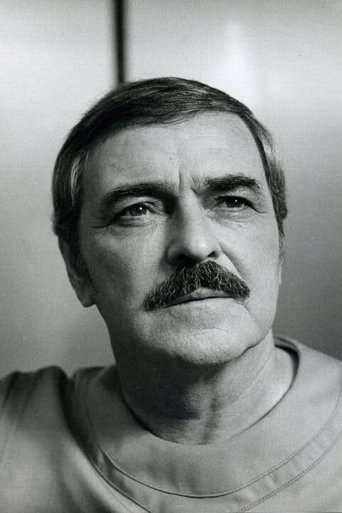 James DoohanCmdr. Montgomery 'Scotty' Scott
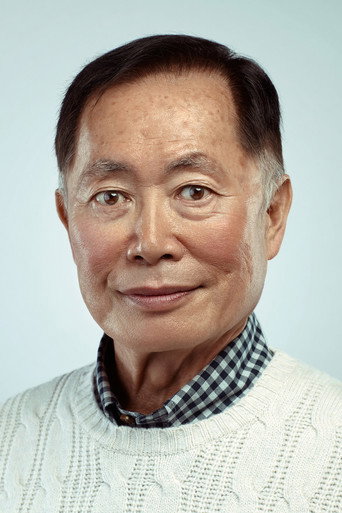 George TakeiLt. Cmdr. Hikaru Sulu
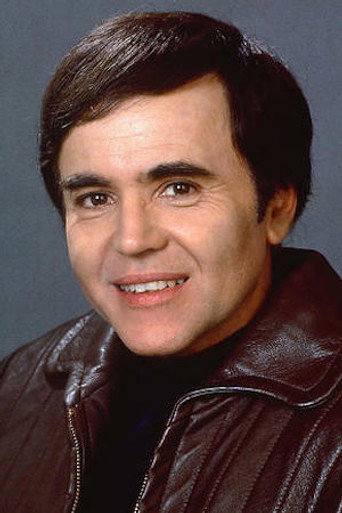 Walter KoenigLt. Pavel Chekov
 Nichelle NicholsLt. Cmdr. Uhura
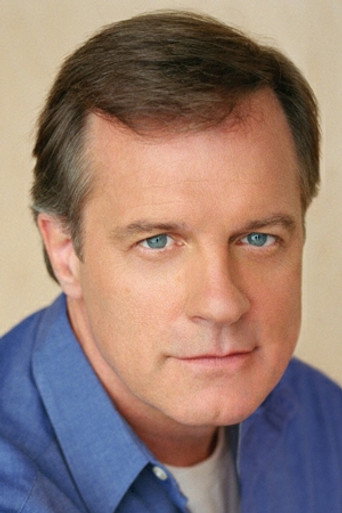 Stephen CollinsCaptain William Decker
 Persis KhambattaLt. Ilia / The Probe
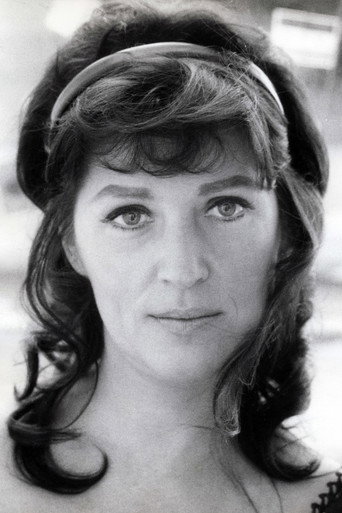 Majel BarrettDr. Christine Chapel
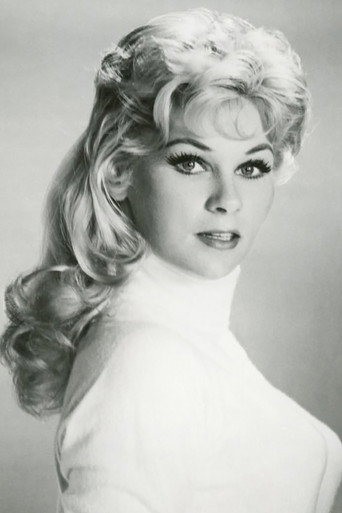 Grace Lee WhitneyCPO Janice Rand
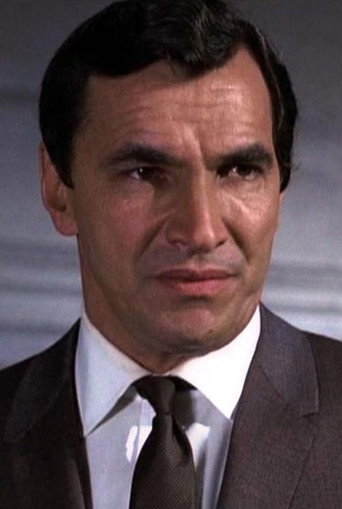 Mark LenardKlingon Captain
Directing
- Daniel McCauleyAssistant Director
- Robert WiseDirector
- Bonnie PrendergastScript Supervisor
- Douglas E. WiseSecond Assistant Director
Writing
- Gene RoddenberryOriginal Series Creator
- Harold LivingstonScreenplay
- Alan Dean FosterStory
Production
- Marvin PaigeCasting
- Lindsley Parsons Jr.Executive In Charge Of Production
- Gene RoddenberryProducer
- Jon PovillProducer
- Tom GreeneProduction Assistant
- Phil RawlinsUnit Production Manager