
Film
Doctor Dolittle
Other titles called Doctor Dolittle: the 1998 film.
- Fantasy
- Light-hearted
A Victorian vet who speaks animal languages embarks on an elaborate, whimsical voyage to find a mythical sea creature. This 1967 musical fantasy is visually sumptuous but narratively baggy—a film more interested in showcasing production design and anthropomorphic charm than narrative momentum. It's for patient viewers who love handcrafted spectacle and don't mind a leisurely pace.
If you liked this
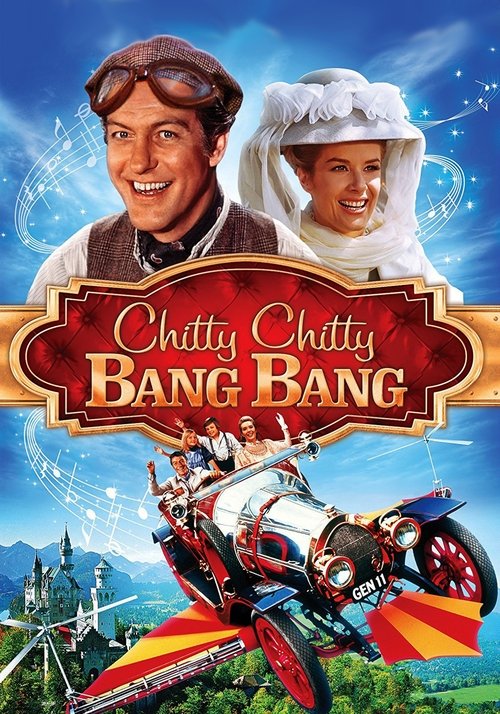
Chitty Chitty Bang Bang1968
Another lavish musical fantasy with impossible vehicles, devoted performances, and genuine magic despite its eccentric pacing. Van Dyke conducts the whole affair with unbridled joy—similar energy, similar era, similar commitment to wonder.
But It's also quite long, also stops dead for musical numbers, and also requires you to accept that characters will suddenly break into song as if it's the most natural thing in the world.
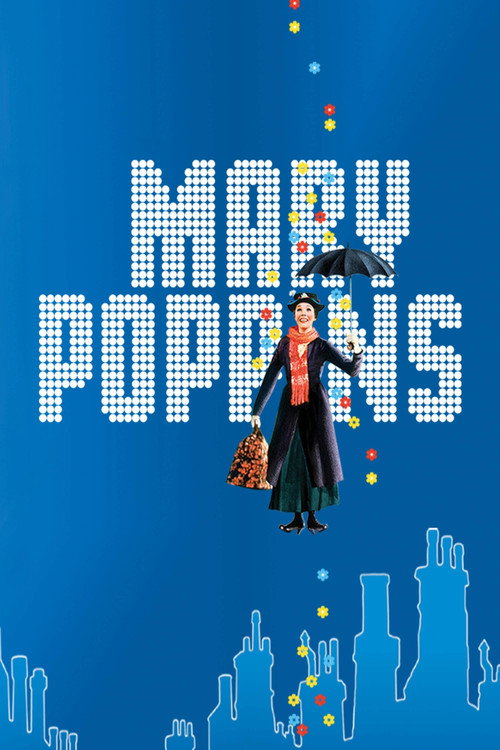
Mary Poppins1964
The template: a fantasy visitor to the mundane world, impeccable production values, memorable songs, and Julie Andrews being essentially perfect. It moves with more purpose than Dolittle but shares the same DNA of whimsy with emotional depth.
But If you find the calculated charm overwhelming or the moral lessons a bit heavy-handed, this won't convert you. It knows exactly what it's doing and doesn't apologize.
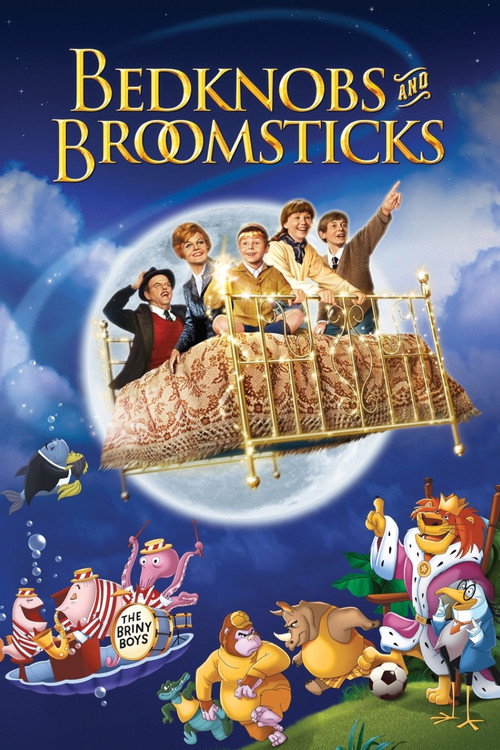
Bedknobs and Broomsticks1971
Disney's underrated follow-up to the same playbook: magical object, period setting, elaborate fantasy sequences, and a cast enjoying themselves enormously. Angela Lansbury is wonderful, and it's less burdened by its own ambition than Dolittle.
But The animated sequences feel dated even for 1971, and the logic of the magic system gets increasingly murky. It's charming but not always coherent.
Not sure tonight? Get a pick in a minute, starting from Doctor Dolittle
The wildcard
Something you would not have found on your own.
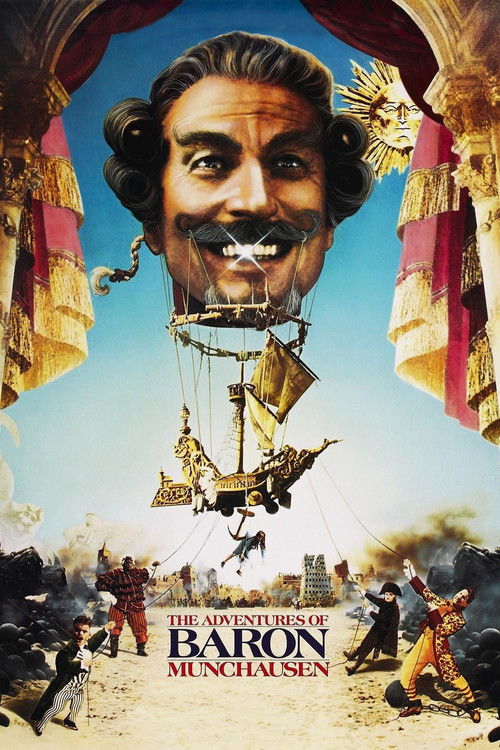
The Adventures of Baron Munchausen1988
Both films prioritize the joy of elaborate production design and fantastical premise over narrative coherence. Both trust the audience to enjoy a spectacle that doesn't always make logical sense.
Terry Gilliam's fever dream of a film: an elderly con man recounting impossible adventures. Like Dolittle, it's a journey film held together by absurdity and visual audacity rather than plot. Every frame is overwrought and strange and somehow it works.
But It's chaotic, structurally loose, and deeply weird. The plot barely coheres and the tone whipsaws constantly. If you watch it, you're committing to the madness.
More like this (8)
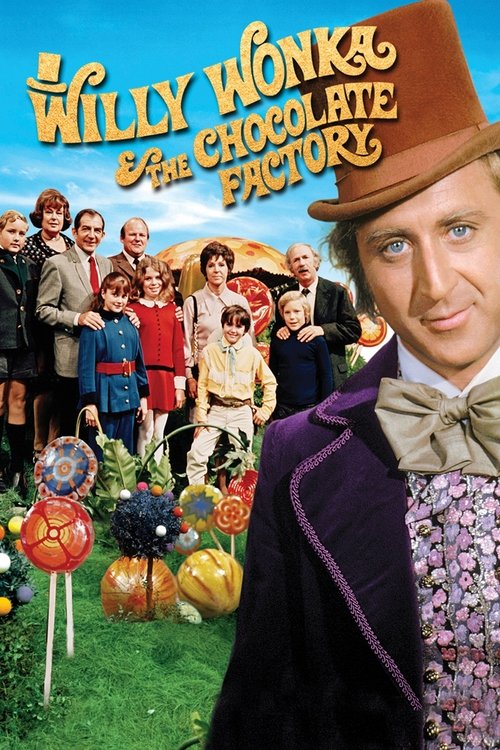
Willy Wonka & the Chocolate Factory1971
Gene Wilder in a Burton-esque fever dream of production design and whimsy, made thirty years before Burton actually made it. Darkly strange beneath the sweetness; unforgettable visual sequences; genuine stakes despite the fantasy wrapper.
But It's genuinely unsettling at moments. The tone shifts are intentional but jarring, and if you want comfort-food fantasy, this gets quietly threatening.
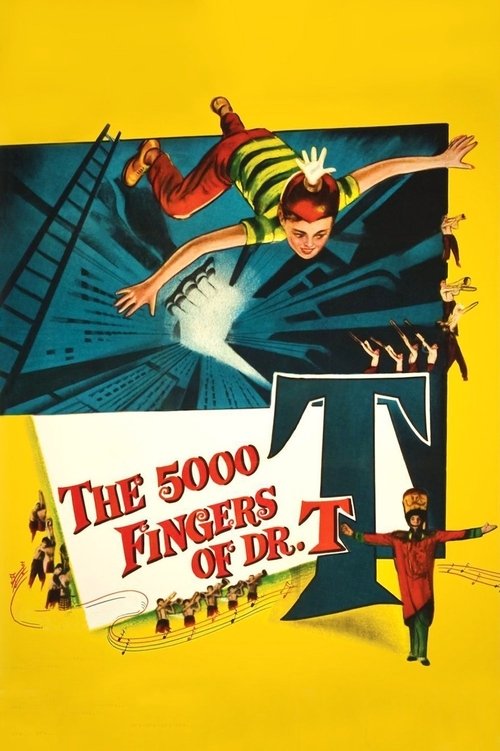
The 5,000 Fingers of Dr. T.1953
Surrealist musical fantasy designed by Seuss himself. A boy trapped in a piano-teacher's nightmare realm; fever-dream logic; wildly inventive set design. As odd as Dolittle but far more visually daring and strange.
But It's essentially a child's anxiety nightmare rendered in Technicolor. If unsettling surrealism masquerading as family entertainment puts you off, proceed cautiously.
Singin' in the Rain1952
The gold standard of musical cinema: joy that feels earned rather than imposed. Perfect structure, perfect performances, perfect choreography. If you want to understand why musicals work, this is the textbook.
But It's so perfectly crafted it can feel slick or untouchable. Some people find that precision cold rather than joyful.

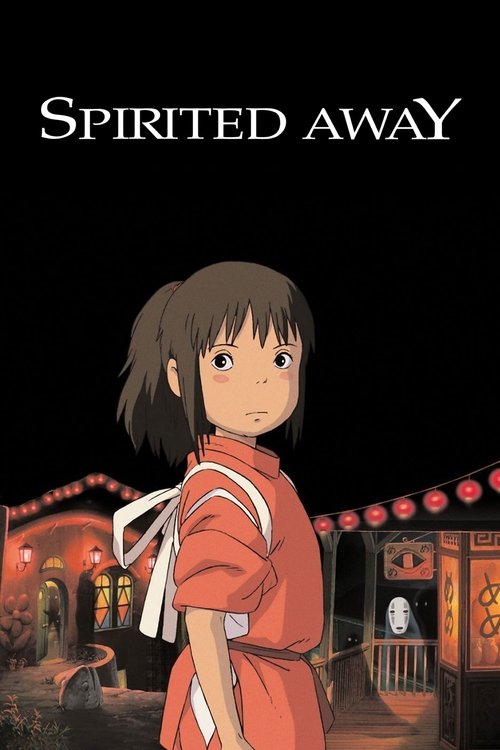
Spirited Away2001
Miyazaki's fantasy voyage film: a girl navigates a magical realm by learning its rules and keeping her wits. Gorgeous animation, genuine stakes, and a heroine solving problems by paying attention rather than magic or luck.
But It's Japanese animation with a very different emotional register from Western family films. Some find it too strange or too slow to invest in.
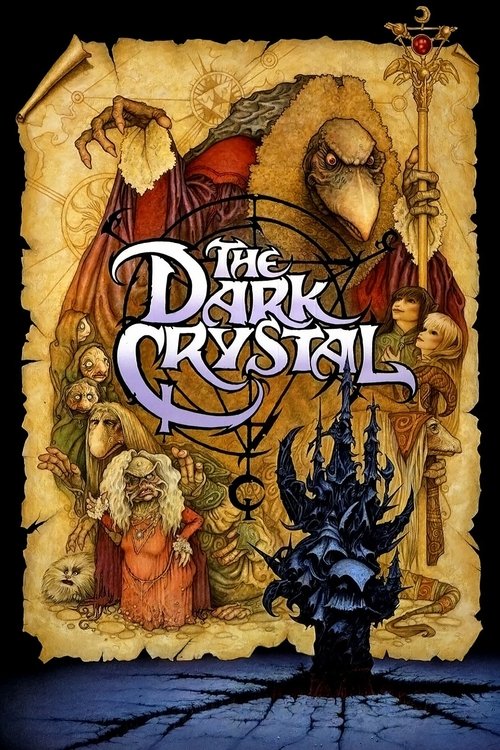
The Dark Crystal1982
Jim Henson's dark-fantasy epic with no dialogue beyond creature sounds and music. Entirely puppetry and practical effects. A quest narrative with real menace, real beauty, and zero condescension to its audience.
But It's genuinely unsettling—creatures designed to be alien and sometimes disturbing. Not comfort cinema, and the slowness of puppet movement isn't for everyone.
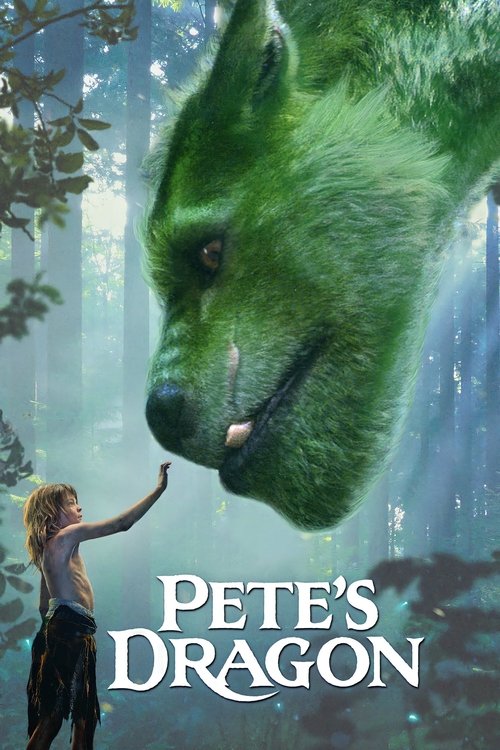
Pete's Dragon2016
A modern film that understands that Dolittle gets something right: practical sets, hand-done effects, and actors moving through real landscapes create magic in ways CGI struggles to match. Earnest, lovely, and patient.
But It's deliberately gentle in a way modern blockbusters rarely are. If you want spectacle and momentum, this quiet approach may feel inconsequential.
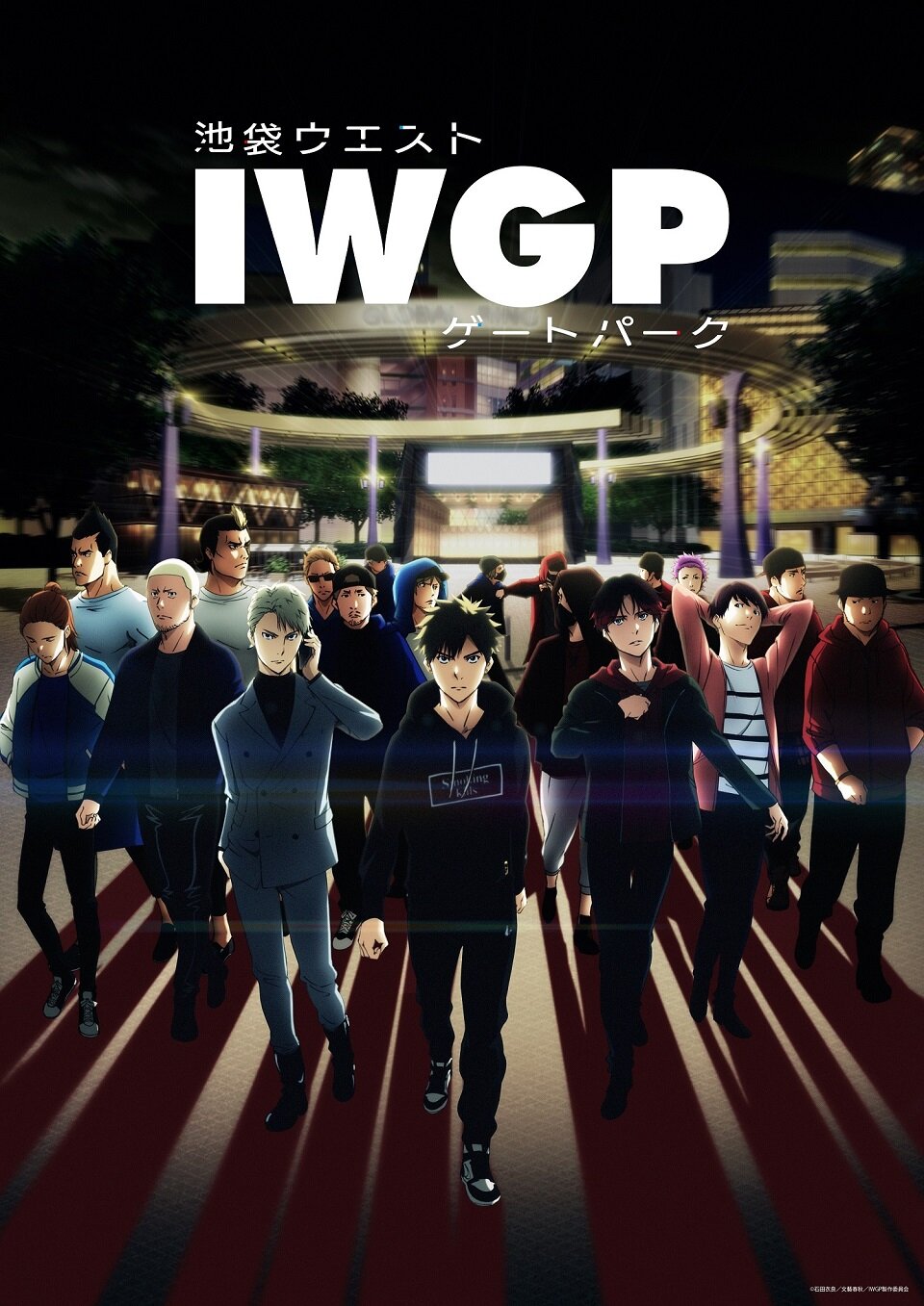
Ikebukuro West Gate Park2020
A protagonist who speaks the language of the outsider, finds everyone interesting, and helps by understanding rather than fixing. Dolittle's emotional core stripped of the Victorian production design.
A Japanese series about a wanderer who moves through a community solving problems and helping strays of every kind. Six episodes; episodic; warm without being saccharine. The structure is essentially Dolittle simplified and humanized: a strange man who listens to everyone and finds solutions.
But It's deliberately low-stakes and quiet. Nothing explodes. Nobody learns a huge lesson. If you want escalation and drama, this will feel like watching someone help their neighbors, which is exactly what it is.
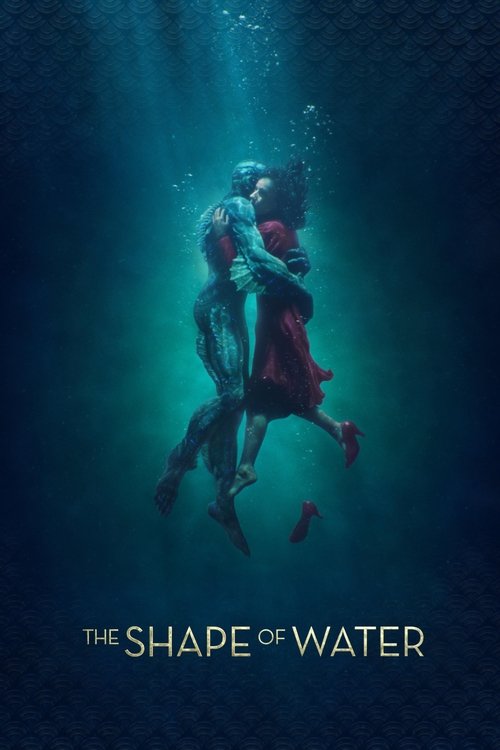
The Shape of Water2017
Both films hinge on communication across species—the possibility of understanding something genuinely alien. But where Dolittle plays it as adventure, del Toro plays it as passion and politics and mortality.
Guillermo del Toro's Cold War fairy tale: a mute cleaner falls for an amphibious creature, and their connection becomes political resistance. Gorgeously made, deeply strange, and genuinely moving. It understands that fantasy can carry real emotional and political weight.
But It's sexually explicit and violent in ways Dolittle isn't. The fantasy elements serve darker purposes. This is not whimsy—it uses the fantastic to discuss power, desire, and prejudice.
People
Cast
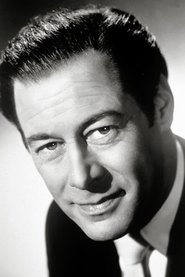 Rex HarrisonDr. John Dolittle
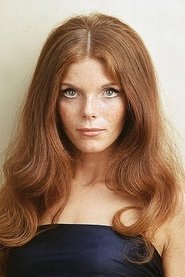 Samantha EggarEmma Fairfax
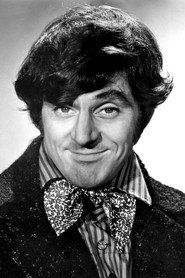 Anthony NewleyMatthew Mugg
 Richard AttenboroughAlbert Blossom
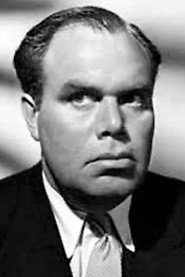 Peter BullGeneral Bellowes
 Muriel LandersMrs. Blossom
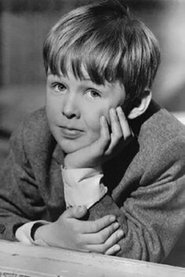 William DixTommy Stubbins
 Geoffrey HolderWilliam Shakespeare X
 Portia NelsonSarah Dolittle
 Norma VardenLady Fetherington
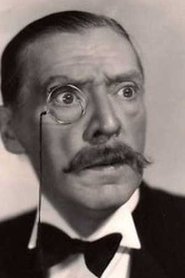 Frank BakerTrial Spectator (uncredited)
- Edward CastPrison Guard (uncredited)
Directing
- Richard LangAssistant Director
- Richard FleischerDirector
- June SantantonioScript Supervisor
- Paddy CarpenterSecond Assistant Director
- Ray CorbettSecond Assistant Director
Writing
- Hugh LoftingNovel
- Leslie BricusseScreenplay
Production
- Mort AbrahamsAssociate Producer
- Arthur P. JacobsProducer
- Jack StubbsUnit Production Manager
- William EckhardtUnit Production Manager